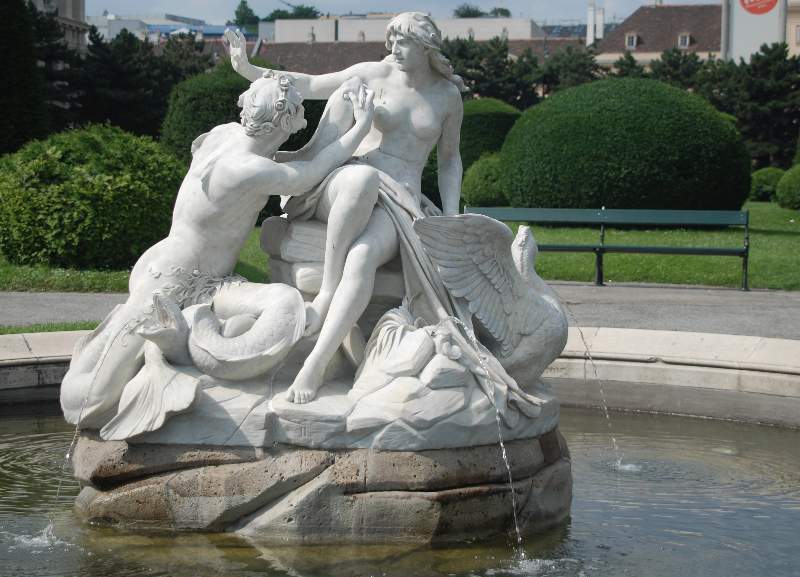
Tritonen‑ und Najadenbrunnen – Vienna’s Hidden Water‑Wonder
If you think Vienna’s charm is limited to coffee houses and imperial palaces, think again. Tucked away in a quiet corner of the city’s historic core lies the Tritonen‑ und Najadenbrunnen, a sculptural fountain that whispers stories of myth, art, and Viennese urban design. Whether you’re a first‑time visitor or a seasoned “Vienna‑lover,” this water‑feature is a must‑see stop on any walking tour of the Austrian capital.
1. About Tritonen‑ und Najadenbrunnen
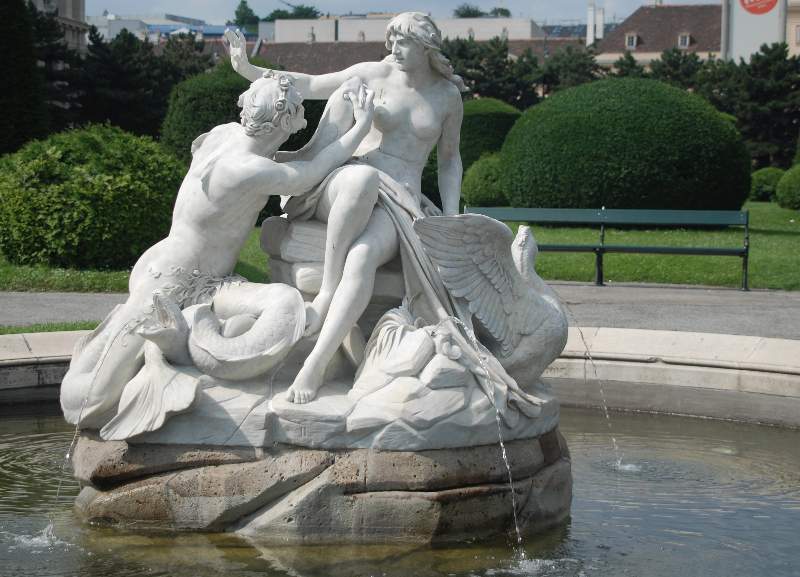
The Tritonen‑ und Najadenbrunnen (literally “Triton and Nymph Fountain”) is a striking example of early‑20th‑century Viennese public art. Situated at 48.204454 N, 16.360068 E in the heart of Vienna, the fountain blends classical mythology with the city’s love for ornamental water works.
Design & Symbolism
- Triton, the son of Poseidon, is traditionally depicted blowing a conch shell, symbolising the control of the sea’s waters.
- Najaden (German for “naiads”) are freshwater nymphs, guardians of springs, rivers, and fountains.
- The sculptural group captures a dynamic interaction: Triton’s powerful gesture contrasts with the graceful, flowing poses of the naiads, creating a visual narrative of water’s dual nature—both mighty and gentle.
Historical Context
While precise construction dates are not publicly recorded, the fountain belongs to a wave of civic beautification projects that swept Vienna in the late 19th and early 20th centuries. During this era, the city invested heavily in public squares, parks, and Vienna fountains to enhance urban livability and showcase artistic excellence. The Tritonen‑ und Najadenbrunnen thus reflects Vienna’s broader commitment to integrating art into everyday life.
Cultural Significance
- Local Landmark – Though smaller than the famous Kunsthistorisches Museum’s fountains, this piece is beloved by locals who see it as a quiet oasis amid bustling streets.
- Photographic Favorite – Its mythic figures and cascading water make it a popular subject for Instagrammers and travel bloggers hunting authentic Vienna scenery.
- Educational Value – For art history enthusiasts, the fountain offers a live case study of neoclassical sculptural techniques and the city’s public art policies.
For a deeper dive, check the German‑language Wikipedia entry: Tritonen‑ und Najadenbrunnen.
2. How to Get There
By Public Transport
| Mode | Line(s) | Nearest Stop | Walking Time |
|---|---|---|---|
| U‑Bahn (subway) | U1, U3 | Schwedenplatz | 5 min |
| Tram | 2, 44, 46 | Schwedenplatz | 5 min |
| Bus | 13A, 13B | Schwedenplatz | 5 min |
All three options drop you within a short, pleasant stroll to the fountain’s exact coordinates. The area is well‑signposted, and you’ll spot the water feature from the moment you step onto the cobblestones.
By Foot or Bicycle
Vienna’s central districts are extremely walkable. If you’re staying in the Innere Stadt (1st district) or the adjacent Leopoldstadt (2nd district), the fountain is a 10‑15 minute walk. The city’s public bike‑share system (Citybike Wien) also has docking stations just a block away.
Driving & Parking
If you’re traveling by car, use the address Schwedenplatz, 1010 Vienna in your GPS. Street parking is limited, but several underground garages (e.g., Parkhaus Schwedenplatz) are within a 2‑minute walk.
3. Best Time to Visit
| Season | Why It Works |
|---|---|
| Spring (April–June) | Mild temperatures and blooming city gardens make the fountain’s water sparkle in the sunlight. |
| Early Autumn (September–October) | Soft golden light creates dramatic shadows, perfect for photography. |
| Evenings (May–September) | Many Vienna fountains are illuminated after dusk; the Tritonen‑ und Najadenbrunnen often glows with a gentle amber hue, adding a romantic ambiance. |
Avoid the peak summer heat (mid‑July to early August) if you prefer a cooler stroll, as the surrounding streets can become crowded with tourists.
4. What to Expect
When you arrive, you’ll be greeted by a modest yet meticulously crafted stone basin. Water gently cascades over the sculpted figures, producing a soothing murmur that masks the city’s occasional traffic hum. The surrounding area is paved with historic cobblestones, and a few benches invite you to pause, listen, and perhaps sketch.
Sensory Highlights
- Visual: The contrast between the dark stone and the bright, moving water. The mythic forms are detailed enough to reveal individual scales on Triton’s shell and delicate drapery on the naiads.
- Auditory: A continuous, calming trickle—ideal for a moment of meditation amid a busy itinerary.
- Atmospheric: In summer evenings, subtle lighting highlights the fountain’s contours, creating a magical backdrop for selfies or a quiet coffee break at a nearby café.
Because the fountain is part of a public square, you’ll often see locals feeding pigeons, children playing nearby, and street musicians adding a gentle soundtrack. The vibe is relaxed, making it an excellent spot to recharge before continuing your Vienna adventure.
5. Nearby Attractions
While the Tritonen‑ und Najadenbrunnen is the star of this micro‑tour, the surrounding neighborhood offers several other points of interest within a 5‑minute walk:
- Tritonen‑ und Najadenbrunnen (again) – Yes, the fountain itself is listed multiple times in local guides, underscoring its importance as a landmark.
- Unnamed Fountain (0.2 km away) – A smaller water feature that complements the main fountain’s design. [Explore on Google Maps]
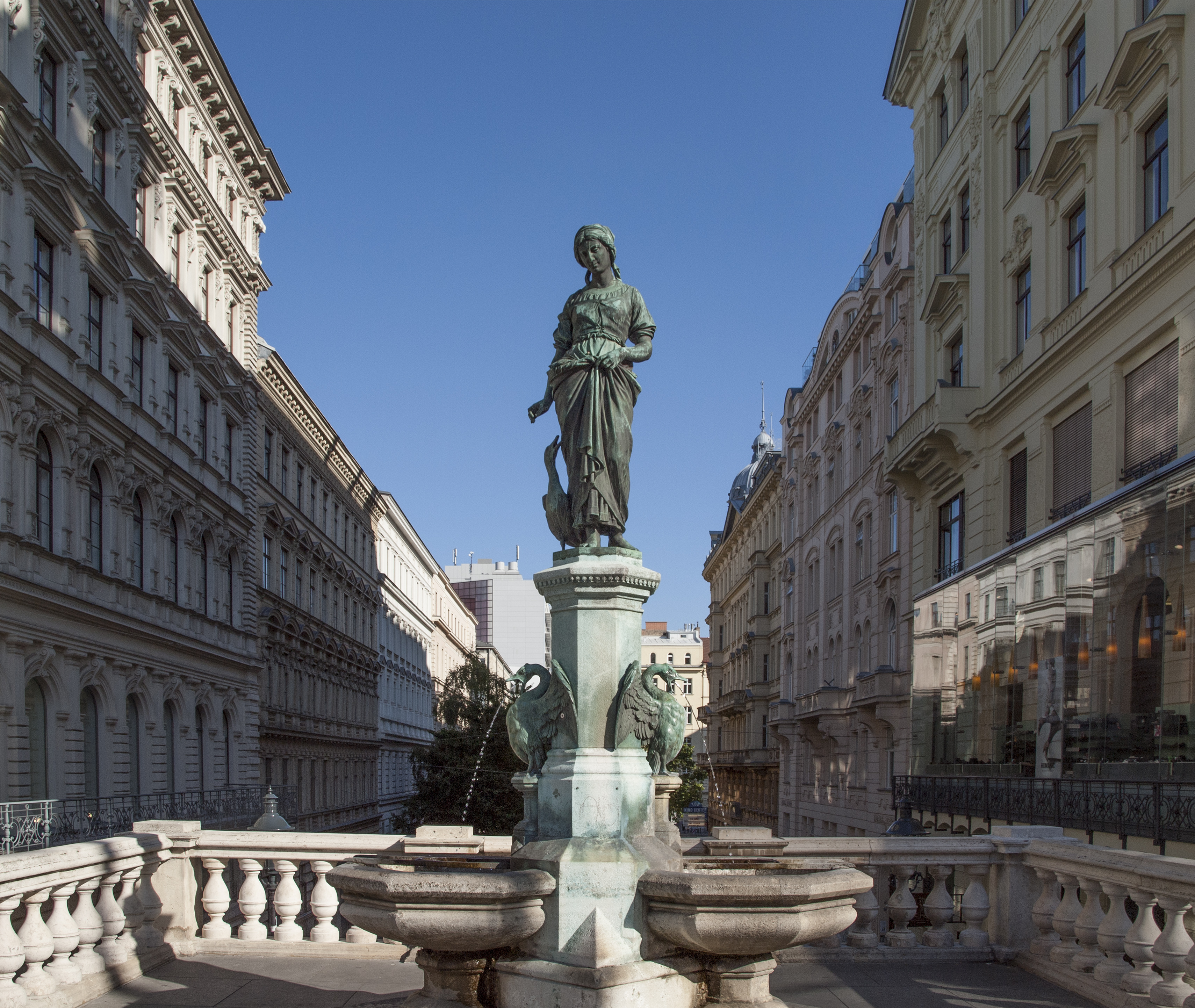
- Gänsemädchenbrunnen – Located just 0.3 km away, this “Little Goose Girl Fountain” adds a whimsical touch to the area’s water‑sculpture collection. [Visit Gänsemädchenbrunnen]
These attractions can easily be combined into a leisurely “Fountain Walk” that showcases Vienna’s love for public art and water architecture.
6. Travel Tips
| Tip | Details |
|---|---|
| Bring a reusable water bottle | You’ll stay hydrated while exploring, and Vienna’s public drinking fountains are safe and clean. |
| Check the weather | Rain can make the stone surfaces slippery; waterproof shoes are advisable during wetter months. |
| Timing for photos | Early morning (7–9 am) offers soft light and fewer crowds; late afternoon (4–6 pm) provides warm tones. |
| Combine with a café break | The nearby Café Central (just a few blocks away) offers classic Viennese pastries—perfect after admiring the fountain. |
| Respect the space | As a protected public artwork, avoid climbing on the sculptures and keep the area tidy. |
| Use a map app | Input the coordinates 48.204454, 16.360068 for precise navigation, especially if you’re walking from a distant hotel. |
| Language tip | While most signage is bilingual (German/English), learning a few German phrases—like “Wo ist der Tritonen‑ und Najadenbrunnen?”—can earn you friendly smiles. |
Final Thoughts
The Tritonen‑ und Najadenbrunnen may not dominate travel brochures, but it epitomizes Vienna’s subtle elegance: a place where myth meets modern life, where water becomes art, and where every visitor can find a moment of quiet wonder. Add this fountain to your Vienna travel guide and experience a slice of the city’s soul that many tourists overlook.
Pack your camera, lace up comfortable shoes, and let the gentle spray of the Triton and his naiads guide you through one of Europe’s most enchanting capitals.