Tritonen‑ und Najadenbrunnen – Vienna’s Hidden Water‑World
Discover the mythic charm of the Triton and Naiads Fountain, a lesser‑known gem tucked into Vienna’s historic heart.
1. Introduction
If you think you’ve seen every marble statue and baroque palace that Vienna has to offer, think again. A short stroll from the bustling Ringstraße leads you to a quiet courtyard where water dances around mythic figures—Triton, the sea‑god, and his graceful Naiads. This is the Tritonen‑ und Najadenbrunnen, a fountain that feels like a secret whispered by the city’s centuries‑old architecture. Whether you’re a first‑time visitor hunting classic sights or a seasoned traveler looking for off‑the‑beaten‑path moments, this fountain adds a splash of wonder to any Vienna itinerary.
2. About Tritonen‑ und Najadenbrunnen
A Brief Description
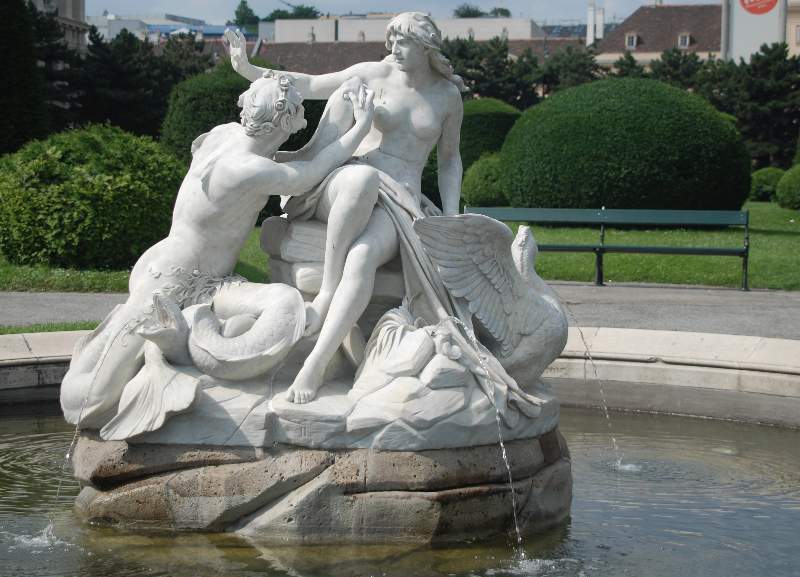
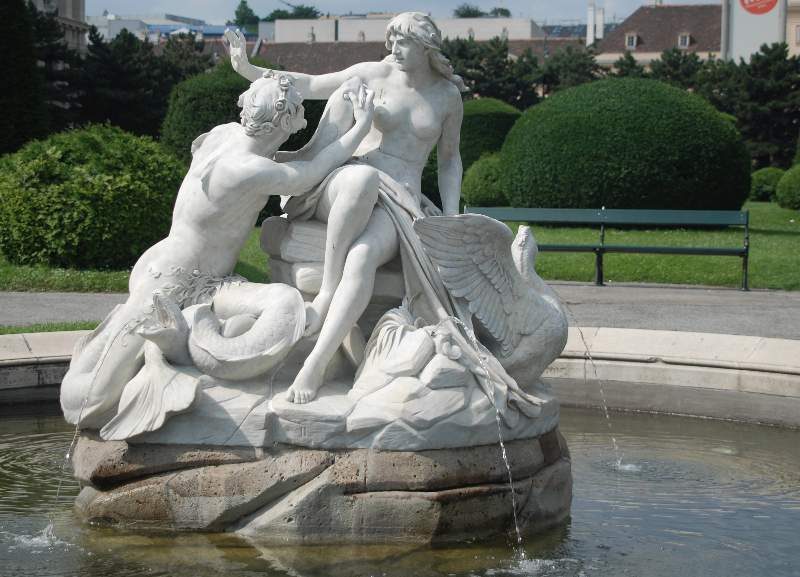
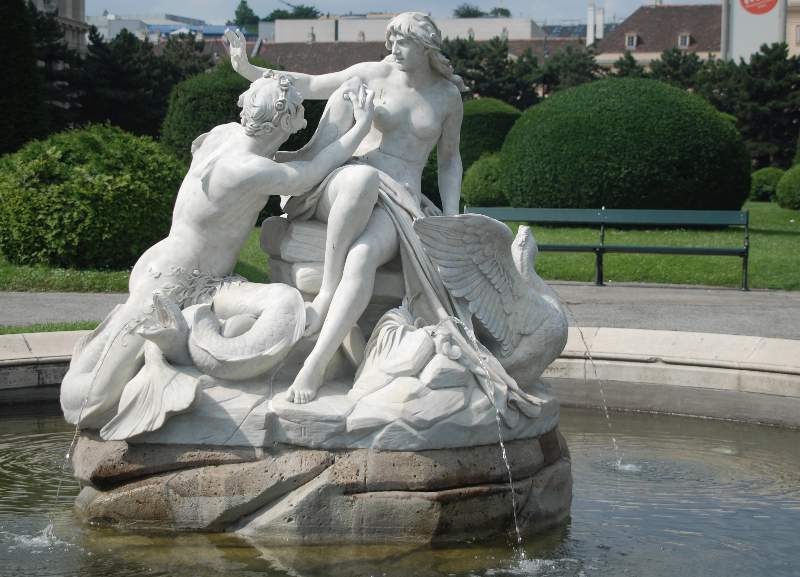
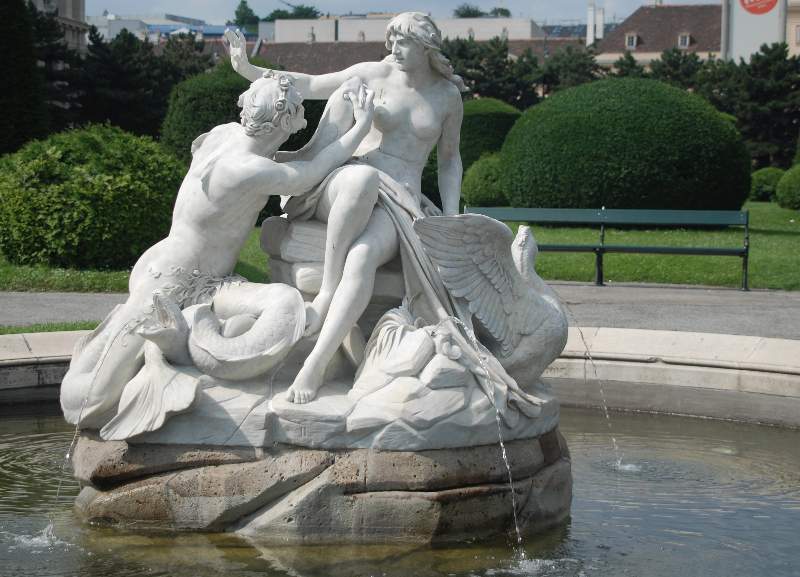
The Triton and Naiads Fountain (German: Tritonen‑ und Najadenbrunnen) is an ornamental water feature that showcases a bronze Triton—half‑man, half‑fish—blowing a conch shell, surrounded by delicate Naiads (water nymphs) poised in flowing robes. Water jets rise from their outstretched arms, creating a gentle mist that catches the Viennese light. The composition blends classical mythology with the Jugendstil (Art Nouveau) sensibility that defined early‑20th‑century Vienna.
History & Significance
While the exact year of installation is not listed in the official records, the fountain belongs to a wave of public art projects that enriched Vienna’s urban landscape during the late 19th and early 20th centuries. These projects aimed to transform the city’s parks and squares into open‑air galleries, celebrating both Austrian craftsmanship and European mythic heritage.
The Tritonen‑ und Najadenbrunnen stands as a testament to Vienna’s commitment to integrating art into everyday life. It is more than a decorative element; it is a cultural touchstone that reflects the city’s love for music, mythology, and the soothing presence of water—an element that has long symbolized Vienna’s reputation as a “city of dreams.”
Architectural Context
The fountain is set against a modest stone backdrop that allows the bronze figures to shine without distraction. Its placement within a tranquil courtyard offers a contemplative space away from the traffic of the Ringstraße, making it a perfect spot for a quiet pause or a reflective photograph.
3. How to Get There
Address: The fountain sits at latitude 48.204047 and longitude 16.360609, in the inner district of Vienna (2nd district).
By Public Transport
| Mode | Line(s) | Nearest Stop | Walking Time |
|---|---|---|---|
| U‑Bahn (Metro) | U1, U3 | Stephansplatz | 10‑12 minutes |
| Tram | 1, 2, D | Schottentor | 5‑7 minutes |
| Bus | 13A, 14A | Schottentor | 5 minutes |
From Stephansplatz, exit onto Graben and head west toward the Volksgarten. The fountain is nestled just behind the park’s western edge, near the Burgtheater.
By Foot
If you’re staying in the city centre, a leisurely 15‑minute walk from St. Stephen’s Cathedral (Stephansdom) brings you directly to the fountain. Follow the pedestrian‑only lanes along Kohlmarkt and Burggasse, then turn onto Friedrich‑Schmidt-Platz where the fountain awaits.
By Bicycle or E‑Scooter
Vienna’s bike‑share system (Citybike Wien) has docking stations at Schottentor and Burgtheater. A short ride (2‑3 km from the city centre) lands you at the fountain’s doorstep, where you can lock your bike on the nearby rack.
4. Best Time to Visit
Seasonal Recommendations
| Season | Why Visit? |
|---|---|
| Spring (April‑May) | The surrounding gardens burst into bloom, providing a colorful backdrop for the fountain’s bronze figures. |
| Summer (June‑August) | Longer daylight hours let you linger; early evenings are magical as the water catches the golden light. |
| Autumn (September‑October) | The crisp air and amber foliage create a serene atmosphere; fewer tourists mean a peaceful experience. |
| Winter (November‑March) | While the water may be turned off for maintenance, the surrounding architecture looks striking against a snowy sky. |
Tip: Early mornings (around 8 am) are ideal for photography—soft light, minimal crowds, and the chance to hear the gentle splash of water without city noise.
5. What to Expect
Arriving at the Tritonen‑und‑Najadenbrunnen, you’ll first notice the quiet hush that envelops the courtyard. The fountain’s water flow is gentle, creating a soothing soundscape that contrasts with Vienna’s bustling streets.
- Visual Delight: The bronze Triton, with his conch shell, appears to command the water, while the Naiads seem to dance in mid‑air. Their poses change subtly with the light, offering fresh perspectives at every hour.
- Photographic Opportunities: Capture the fountain from the low angle to emphasize the upward spray, or frame it against the historic façades for a classic Viennese postcard look.
- Cultural Vibe: Locals often sit nearby, reading newspapers or sipping coffee from a takeaway cup—making it a perfect spot to observe everyday Viennese life.
- Accessibility: The courtyard is level and wheelchair‑friendly, with smooth pathways that allow easy navigation for all visitors.
6. Nearby Attractions
While the Tritonen‑und‑Najadenbrunnen is a highlight on its own, the surrounding area brims with additional sights that can easily fill a half‑day itinerary:
| Attraction | Distance | What to See |
|---|---|---|
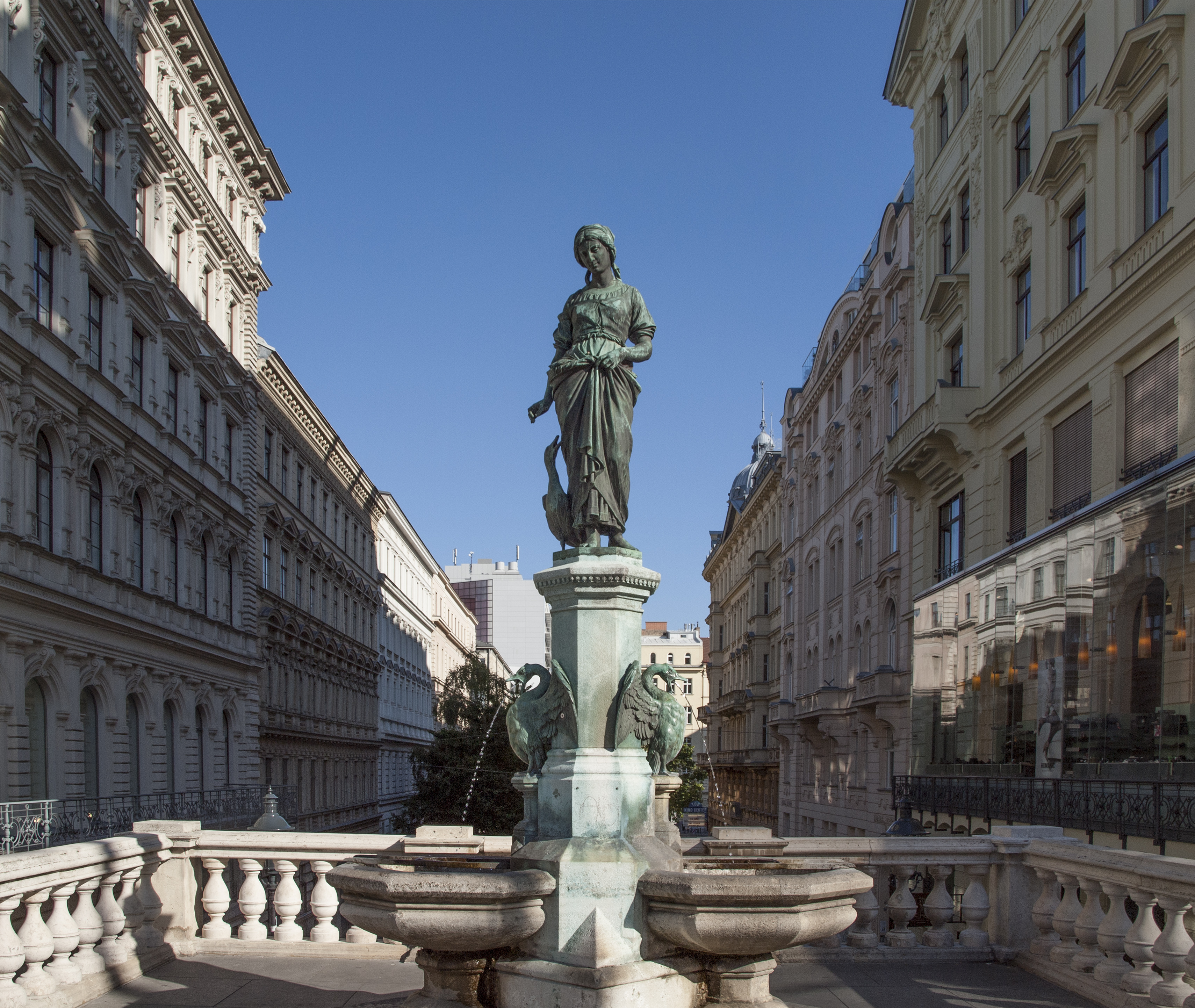
| Gänsemädchenbrunnen (Duck Girl Fountain) | 0.2 km | A whimsical bronze statue of a girl feeding ducks—great for family photos. |
| Volksgarten | 0.1 km | A historic park with rose gardens, the Mozarthaus, and the Kunsthistorisches Museum just beyond. |
| Burgtheater | 0.1 km | Austria’s national theatre, renowned for its classical productions. |
| Ringstraße | 0.3 km | Vienna’s grand boulevard lined with imperial palaces, museums, and cafés. |
| St. Stephen’s Cathedral (Stephansdom) | 1 km | The iconic Gothic cathedral that dominates Vienna’s skyline. |
(All distances are approximate walking distances.)
For more detailed information, you can explore the Wikipedia entry for the fountain: Tritonen‑ und Najadenbrunnen (German Wikipedia).
7. Travel Tips
- Bring a Small Umbrella or Raincoat – Even light rain adds a romantic shimmer to the water, but you’ll stay dry while admiring the sculpture.
- Carry a Portable Charger – The fountain’s location is perfect for a quick selfie session; you’ll want your phone ready.
- Combine with a Café Break – A short walk to Café Central or one of the nearby historic cafés lets you soak up Vienna’s coffee culture after the visit.
- Check Maintenance Schedules – Occasionally, the fountain is turned off for cleaning. The city’s official website or local tourist information desks can confirm operating hours.
- Mind the Quiet – The courtyard is a favored spot for locals seeking calm. Keep voices low and respect the serene atmosphere.
- Use a Map App with Coordinates – Input 48.204047, 16.360609 for precise navigation, especially if you’re walking from a less‑central hotel.
- Visit in the Off‑Season – Late October to early November offers fewer crowds and a crisp, clear sky that makes the bronze figures glow.
Final Thought
The Tritonen‑ und Najadenbrunnen may not appear in every “Top 10 Vienna” list, but that’s exactly why it feels like a personal discovery. Its mythic sculptures, tranquil water, and central location make it a perfect micro‑adventure for any traveler who wants to experience Vienna beyond the usual museums and palaces. So lace up your walking shoes, follow the coordinates, and let the whispers of Triton and his Naiads guide you through one of Austria’s most enchanting capitals. Happy travels!