Tritonen‑ und Najadenbrunnen – Vienna’s Hidden Water‑World
Discover the mythic charm of the Tritonen‑ und Najadenbrunnen, a lesser‑known but utterly enchanting fountain tucked away in Vienna’s lush green heart.
1. Introduction
If you think Vienna’s fame rests solely on its grand palaces, coffee houses, and the waltz of Johann Strauss, think again. A short stroll from the city’s bustling Ringstraße leads you to a quiet oasis where water dances with marble figures of sea‑gods and nymphs. The Tritonen‑ und Najadenbrunnen (Triton and Naiad Fountain) is a perfect example of Vienna’s love affair with art, mythology, and public spaces. Whether you’re a first‑time visitor, a seasoned “Wiener” traveler, or a photography enthusiast hunting off‑the‑beaten‑path gems, this fountain offers a serene pause and a splash of history in the middle of the Austrian capital.
2. About Tritonen‑ und Najadenbrunnen
What the Fountain Looks Like
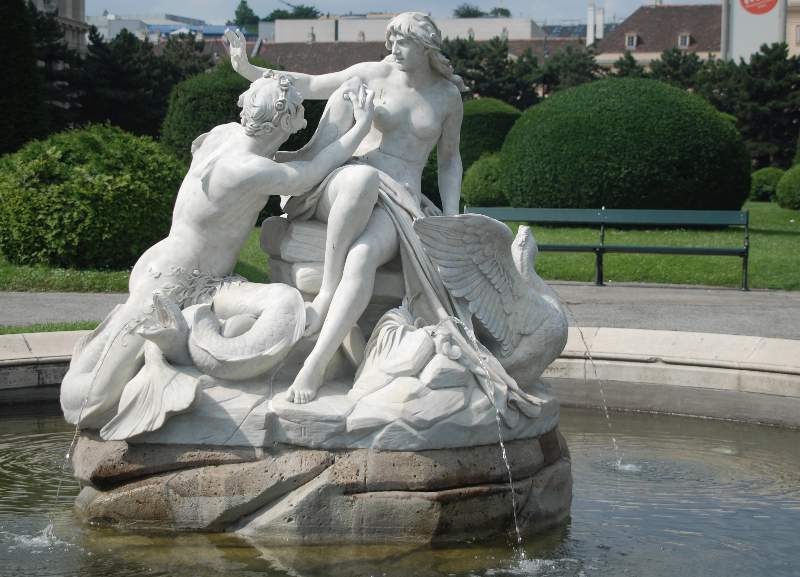
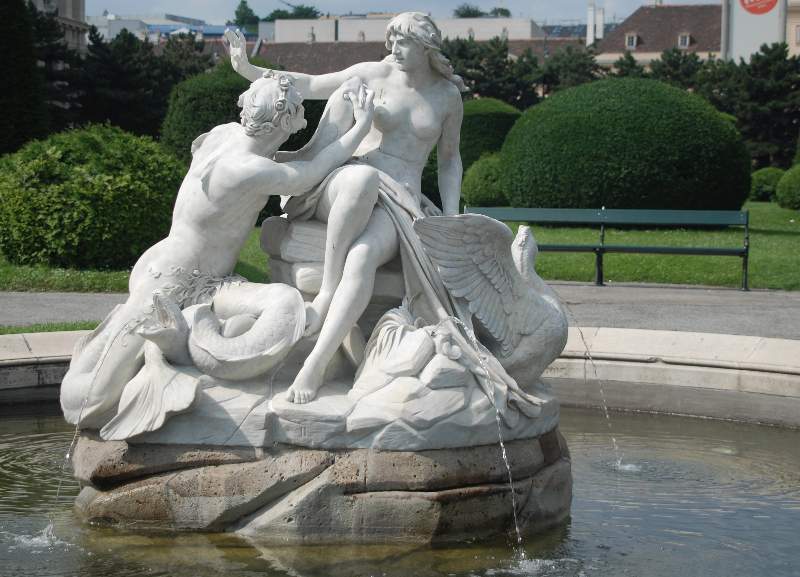
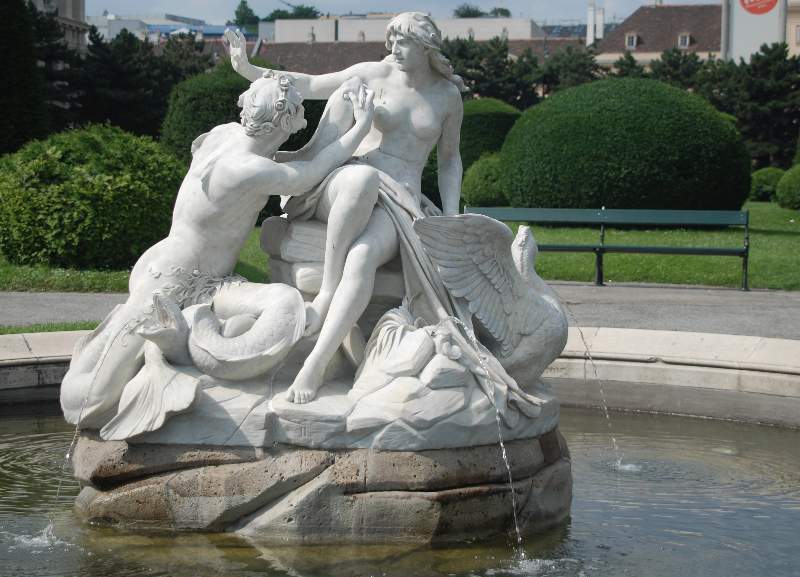
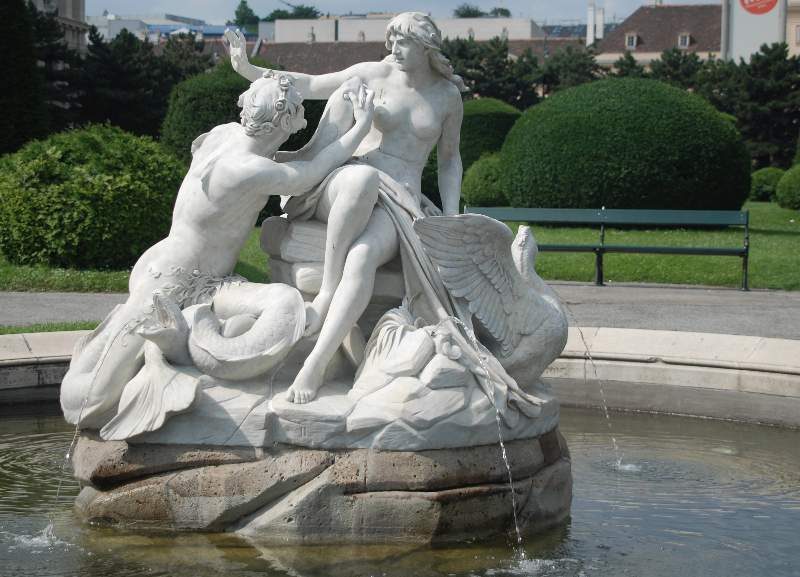
The Tritonen‑ und Najadenbrunnen is a sculptural tableau that brings the ancient world to life. At its centre stands Triton, the Roman god of the sea, blowing a conch shell that sends a cascade of water into the air. Flanking him are graceful Najaden—water nymphs—captured mid‑step, their flowing drapery seemingly rippling with the fountain’s mist. The composition is set in a shallow basin of clear water, framed by ornamental stonework that reflects the soft Viennese light.
Historical Roots
While exact construction dates are not publicly listed, the fountain belongs to the wave of early‑20th‑century civic art projects that transformed Vienna’s parks into open‑air museums. Its mythological theme reflects the city’s long tradition of integrating classical motifs into public spaces, a practice that dates back to the Habsburg era. Today, the Tritonen‑ und Najadenbrunnen stands as a testament to Vienna’s commitment to preserving cultural heritage while providing residents and visitors with a place to relax and reflect.
Why It Matters
- Cultural Symbolism – The fountain’s figures celebrate water as a life‑giving element, echoing Vienna’s historic relationship with the Danube and its many tributaries.
- Urban Oasis – Nestled among trees and benches, it offers a quiet spot for contemplation amid the city’s rhythm.
- Photographic Appeal – The interplay of water, stone, and light makes it a favorite subject for sunrise and golden‑hour photography.
3. How to Get There
By Public Transport
| Mode | Line(s) | Nearest Stop | Walking Time |
|---|---|---|---|
| U‑Bahn | U1, U4 | Schwedenplatz (U1) or Karlsplatz (U4) | 8‑10 min walk |
| Tram | 1, 2, D | Stadtpark (Tram 1 & 2) | 2‑3 min walk |
| Bus | 13A, 14A | Stadtpark (Bus stop) | 2‑3 min walk |
The fountain sits at 48.204557 N, 16.361465 E, just a stone’s throw from the famous Stadtpark (City Park). If you’re staying in the Innere Stadt (Vienna’s historic centre), hop on the U1 from Stephansplatz to Schwedenplatz, then enjoy a short, scenic walk through the park’s tree‑lined avenues.
By Car or Bike
- Parking: Limited street parking is available on nearby side streets; however, public transport is strongly recommended to avoid traffic and enjoy the park’s pedestrian‑only zones.
- Bike: Vienna’s city‑bike system (Citybike Wien) has a docking station at Stadtpark. The ride from the city centre takes about 10 minutes and lets you soak up the park’s atmosphere en route.
Walking from Major Landmarks
- From the Johann Strauss Monument: 5‑minute walk south along the park’s main promenade.
- From the Vienna State Opera: Approximately 15 minutes on foot, heading west along the Ringstraße and crossing the park’s western gate.
4. Best Time to Visit
| Season | Why Visit | Tips |
|---|---|---|
| Spring (April‑May) | Blossoming trees and moderate temperatures make the water sparkle. | Bring a light jacket; early mornings are quieter. |
| Summer (June‑August) | Long daylight hours allow for extended visits; the fountain’s mist offers a refreshing cool‑down. | Arrive early to avoid crowds, especially on weekends. |
| Autumn (September‑October) | Golden foliage frames the sculpture, creating a painterly backdrop. | Ideal for photography; the park’s benches are less occupied. |
| Winter (November‑March) | The fountain takes on a serene, almost magical quality when dusted with snow. | Dress warmly; the water may be turned off for maintenance during the coldest weeks, so check local notices. |
Overall, early morning (7 – 9 am) or late afternoon (4 – 6 pm) on weekdays provides the most tranquil experience, regardless of season.
5. What to Expect
Sensory Experience
- Visual: The bronze‑toned figures glisten under the sun, while the water’s gentle spray creates a soft, ever‑moving veil.
- Auditory: A subtle, soothing sound of flowing water blends with rustling leaves and distant city murmurs.
- Touch: Benches and stone balustrades invite you to sit, dip your fingers into the cool basin, or simply lean back and watch passersby.
Photo Opportunities
- Low‑Angle Shots: Capture Triton’s conch shell against the sky for a dramatic silhouette.
- Reflections: On calm days, the water mirrors the surrounding trees, offering symmetrical compositions.
- Nighttime: If the park’s lighting is on, the fountain glows softly, perfect for long‑exposure shots.
Visitor Flow
The fountain is a beloved local spot but never feels overcrowded. You’ll often see families picnicking nearby, joggers looping the park, and tourists pausing for a quick snap. The relaxed atmosphere makes it ideal for a brief stop or a leisurely hour of contemplation.
6. Nearby Attractions
While you’re in the area, make the most of Vienna’s parkland treasures and cultural highlights:
- Stadtpark (City Park) – The larger park that houses the fountain, famous for its Johann Strauss monument and beautifully landscaped gardens.
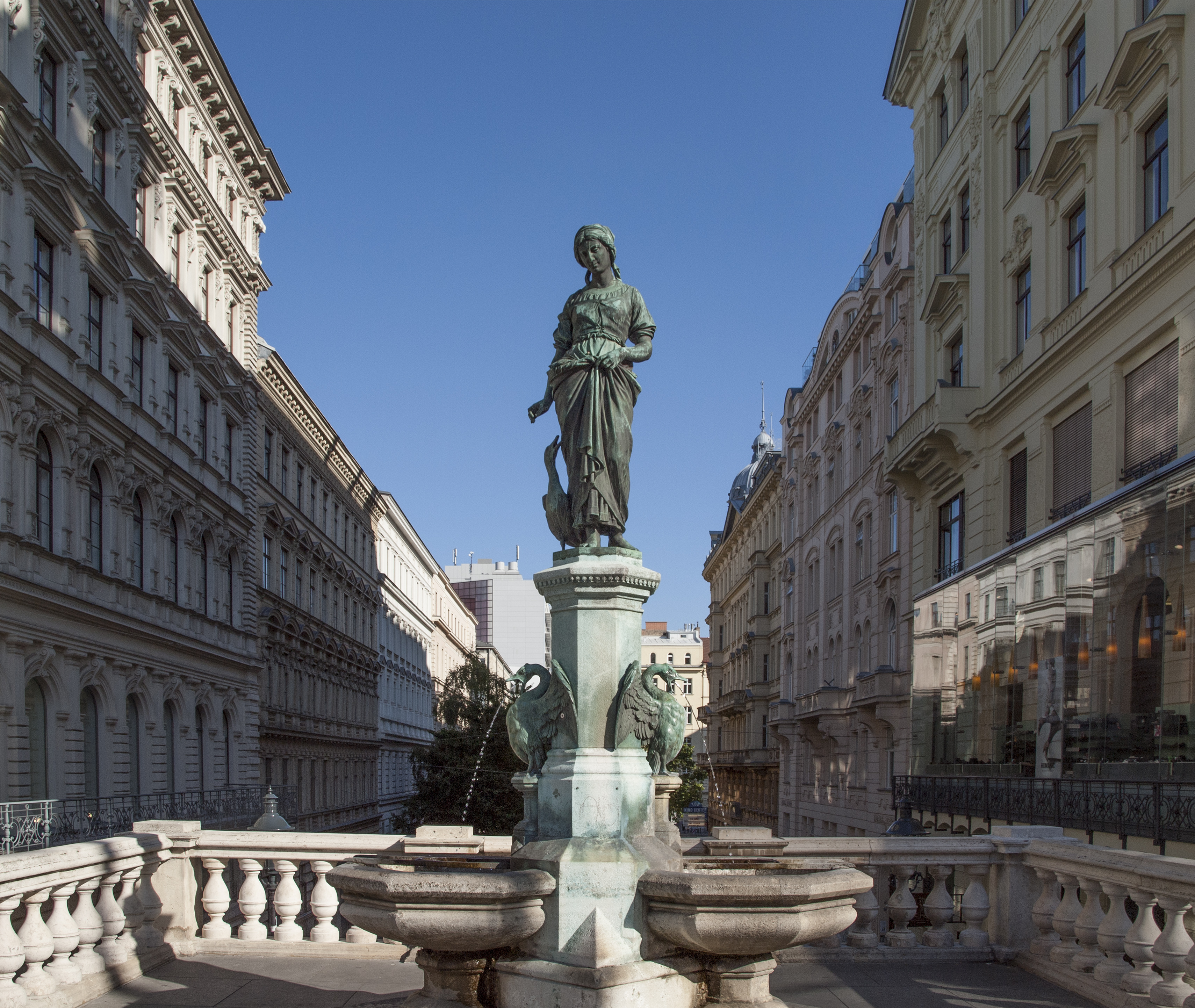
- Gänsemädchenbrunnen (Duck Girl Fountain) – A charming, child‑friendly fountain just 300 m away, perfect for families.
- Kunsthistorisches Museum – A short tram ride north; one of the world’s premier art museums.
- Vienna State Opera – Iconic performances and guided tours, located a 15‑minute walk east of the park.
- Naschmarkt – Vienna’s bustling market street, ideal for a snack break after exploring the fountains.
(All links open in a new tab for easy reference.)
7. Travel Tips
- Check Fountain Hours – While the fountain typically runs year‑round, maintenance may temporarily shut it off. Look for on‑site signage or the city’s official park website before you go.
- Pack Light Snacks – The park has several picnic tables; a small sandwich and a coffee from a nearby café make a perfect break.
- Stay Hydrated – Summer days can be warm; the fountain’s mist is refreshing but not a substitute for water.
- Mind the Rules – Feeding the fish (if any) or climbing on the sculptures is prohibited to preserve the artwork.
- Bring a Small Tripod – For low‑light or night photography, a compact tripod helps capture the fountain’s subtle illumination without blur.
- Combine with a Walking Tour – Many guided “Vienna’s Green Spaces” tours include the Tritonen‑ und Najadenbrunnen as a stop, providing deeper historical context.
- Accessibility – The surrounding paths are paved and wheelchair‑friendly; ramps lead to the fountain’s viewing platform.
Wrap‑Up
The Tritonen‑ und Najadenbrunnen may not appear on every mainstream travel itinerary, but that’s precisely why it shines. It offers a blend of mythic artistry, peaceful surroundings, and authentic Viennese charm—all within easy reach of the city’s main attractions. Next time you’re strolling through Vienna’s parks, let the gentle roar of water guide you to this hidden gem. Your camera, your senses, and your wanderlust will thank you.
Happy travels, and may the spirit of Triton’s conch inspire your next adventure in Vienna!