Minervabrunnen – Vienna’s Hidden Fountain Gem
Discover the quiet charm of Minervabrunnen, a lesser‑known fountain tucked in the heart of Vienna. Whether you’re a first‑time visitor or a seasoned traveler, this guide shows you why the Minervabrunnen deserves a spot on your Vienna itinerary.
1. Introduction
When you think of Vienna, the mind often drifts to the opulent Schönbrunn Palace, the soaring St. Stephen’s Cathedral, or the bustling Naschmarkt. Yet some of the city’s most enchanting moments happen in the small, tranquil corners that tourists frequently overlook. One such spot is Minervabrunnen, a modest yet elegant fountain located at 48.208088 N, 16.381870 E. Surrounded by historic buildings and leafy streets, the Minervabrunnen offers a perfect pause for photographers, history lovers, and anyone craving a slice of Viennese serenity.
In this travel‑blog style guide, we’ll dive into the fountain’s story, show you how to reach it, suggest the best times to visit, and point out nearby attractions that can turn a quick stop into a full‑day adventure.
2. About Minervabrunnen
A Brief Description
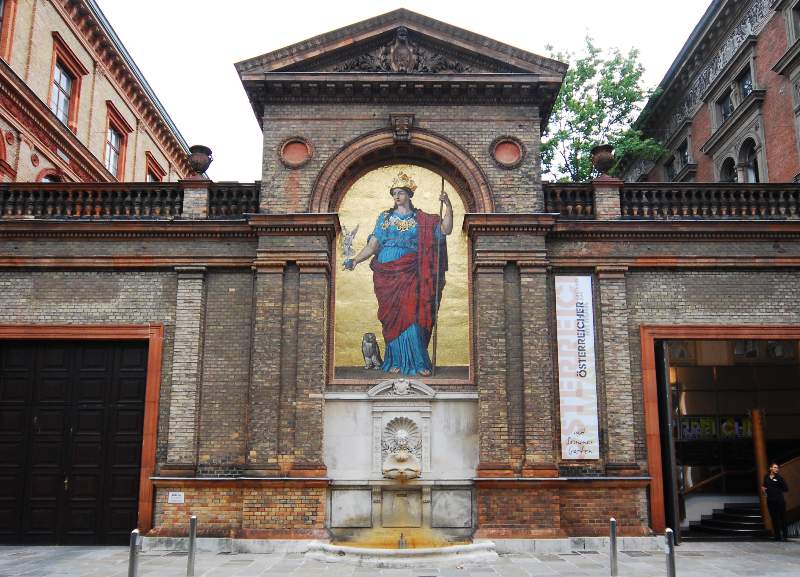
Minervabrunnen (German for “Minerva Fountain”) is a decorative water feature that honors the Roman goddess of wisdom, Minerva. While the exact height of the sculpture is not documented, the fountain’s design blends classical motifs with the understated elegance typical of Vienna’s public art. The water gently cascades over a stone basin, creating a soothing soundscape that contrasts nicely with the city’s urban hum.
Historical Context
The fountain’s origins are linked to Vienna’s 19th‑century urban development, a period when the city’s leaders commissioned numerous public monuments to celebrate cultural identity and civic pride. Although specific records about the fountain’s construction date or the artist remain scarce, its presence in the city’s historic core suggests it was part of the broader effort to beautify Vienna’s streetscapes during that era.
Cultural Significance
Minervabrunnen may not dominate guidebooks, but it holds a quiet cultural resonance. The choice of Minerva reflects Vienna’s long tradition of valuing education, philosophy, and the arts—values that the city continues to champion through its museums, universities, and music venues. Stopping at the fountain offers a moment to reflect on these ideals while enjoying a piece of living history.
For a deeper dive, see the German‑language Wikipedia entry: Minervabrunnen (Wien).
3. How to Get There
By Public Transport
- U‑Bahn: The closest underground stations are Schwedenplatz (U1, U4) and Karlsplatz (U1, U2). Both are a 5‑minute walk from the fountain.
- Tram: Lines 2, 4, 5, and 13 stop at Karlsplatz, putting you within a short stroll of the site.
By Foot
If you’re staying in the Innere Stadt (Vienna’s historic centre) or the nearby Leopoldstadt district, the Minervabrunnen is easily reachable on foot. From the iconic St. Stephen’s Cathedral, head east along Graben, turn onto Kärntner Straße, and continue toward the Karlsplatz area. The walk takes roughly 12 minutes.
By Bicycle or E‑Scooter
Vienna’s city‑wide bike‑share system (Citybike) has docking stations at Karlsplatz and Schwedenplatz, making a quick ride to the fountain convenient. E‑scooter rentals are also plentiful in the city centre.
Parking
If you prefer driving, limited street parking is available on adjacent side streets. For longer stays, use the Karlsplatz underground car park (P+R Karlsplatz), which is a 2‑minute walk from the fountain.
4. Best Time to Visit
| Season | Why It Works | Tips |
|---|---|---|
| Spring (April‑May) | Blossoming trees and mild temperatures create a fresh backdrop for photos. | Arrive early to avoid the occasional weekend market crowd. |
| Summer (June‑August) | Long daylight hours let you linger longer; the fountain’s water glistens in the sun. | Bring a reusable water bottle—Vienna’s tap water is safe to drink. |
| Autumn (September‑October) | Golden foliage adds warmth to the stone surroundings. | Dress in layers; evenings can become crisp. |
| Winter (November‑February) | Fewer tourists and a quiet atmosphere; the fountain takes on a serene, almost mystical feel when dusted with light snow. | Check the weather forecast—some days may be too icy for comfortable walking. |
Peak visitor times are generally around midday on weekends. For a peaceful experience, aim for early morning (7 – 9 am) or late afternoon (4 – 6 pm).
5. What to Expect
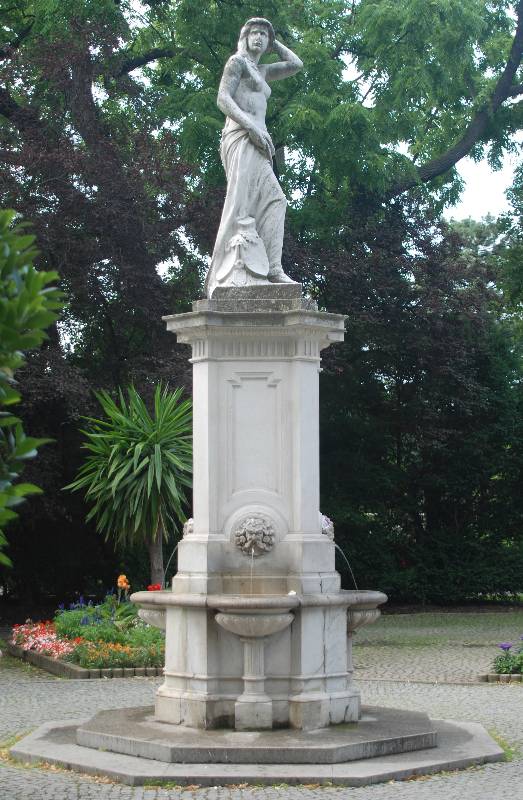
When you arrive at Minervabrunnen, you’ll be greeted by a modest stone basin encircled by low‑relief sculptures that hint at classical mythology. The water flows continuously, creating a gentle murmuring that blends with the surrounding city sounds.
- Photography: The fountain’s clean lines and reflective water make it ideal for both wide‑angle city shots and close‑up details. Try shooting during the “golden hour” for warm light.
- Quiet Spot: Unlike the bustling Ministerienbrunnen a few blocks away, Minervabrunnen offers a quieter setting—perfect for a brief meditation, a coffee break on a nearby bench, or a quick sketch.
- Local Vibe: You’ll often see Viennese locals strolling by, feeding pigeons, or pausing for a chat. The fountain is part of daily life, not just a tourist checkpoint.
6. Nearby Attractions
While you’re in the area, consider extending your walk to explore these complementary sights (all within a 0.5 km radius):
- Ministerienbrunnen – A larger, more ornate fountain located just 200 m away. Its baroque design contrasts nicely with Minervabrunnen’s simplicity.
- Basiliskenbrunnen – Another charming fountain 400 m from Minervabrunnen, featuring a mythical basilisk sculpture.
- Karlsplatz (St. Charles Borromeo Church) – A stunning neoclassical church with an impressive dome, perfect for a quick cultural stop.
- Vienna State Opera – About a 10‑minute walk north; catch a matinee or simply admire the historic façade.
- Albertina Museum – Home to an extensive graphic arts collection, located a short tram ride away.
Tip: Use a map app to create a custom walking route that strings these attractions together; you’ll cover a compact, scenic loop in under two hours.
7. Travel Tips
- Bring a Small Umbrella – Vienna’s weather can shift quickly, especially in spring and autumn. The fountain’s stone base can become slippery when wet.
- Use the “Vienna Card” – This public‑transport pass offers unlimited rides on U‑Bahn, trams, and buses, plus discounts at many museums and attractions.
- Stay Connected – Free Wi‑Fi is available at most cafés around Karlsplatz; you can quickly look up additional info or share your photos.
- Mind the Noise – While the fountain is public, keep conversations at a moderate volume to preserve the tranquil ambiance for others.
- Respect the Space – No feeding the fish (if any) and avoid climbing on the stone structures. Vienna’s historic monuments are protected by law.
- Language Help – Most Austrians speak English, but learning a few German phrases—like “Entschuldigung, wo ist der Minervabrunnen?” (Excuse me, where is the Minerva Fountain?)—can earn you friendly smiles.
- Combine with Food – After visiting the fountain, treat yourself to a slice of Sachertorte at the nearby Café Central or a quick snack at a street vendor on Karlsplatz.
Final Thought
Minervabrunnen may not be the most famous landmark in Vienna, but its understated beauty and central location make it an ideal stop for travelers seeking authentic, off‑the‑beaten‑path experiences. Pair it with a stroll through nearby squares, a sip of Viennese coffee, and you’ll capture the essence of the city’s timeless charm.
Ready to add Minervabrunnen to your Vienna bucket list? Pack your camera, hop on the U‑Bahn, and let this hidden fountain become a memorable highlight of your Austrian adventure. Safe travels!