Gänsemädchenbrunnen – Vienna’s Hidden Water‑Feature Gem
Discover the charm of a tiny fountain that whispers stories of Vienna’s love for art, water, and whimsical detail.
Introduction
If you’ve wandered through Vienna’s grand palaces, marveled at the opulent Schönbrunn gardens, or snapped a selfie with the golden Stadtpark swan pond, you’ve already fallen under the city’s spell of elegant fountains. Yet, tucked away a few steps from the bustling cultural quarter lies a modest but enchanting piece of public art: Gänsemädchenbrunnen. This petite fountain, whose name translates to “Little Goose Girl Fountain,” may not dominate guidebooks, but it offers a quiet, photogenic pause for any traveler eager to explore Vienna’s lesser‑known treasures.
In this guide we’ll dive into the fountain’s background, how to reach it, the best moments to visit, what you’ll experience on site, nearby attractions, and practical tips to make the most of your stop. Let’s turn the ordinary stroll into an unforgettable Viennese vignette.
About Gänsemädchenbrunnen
A Brief Description
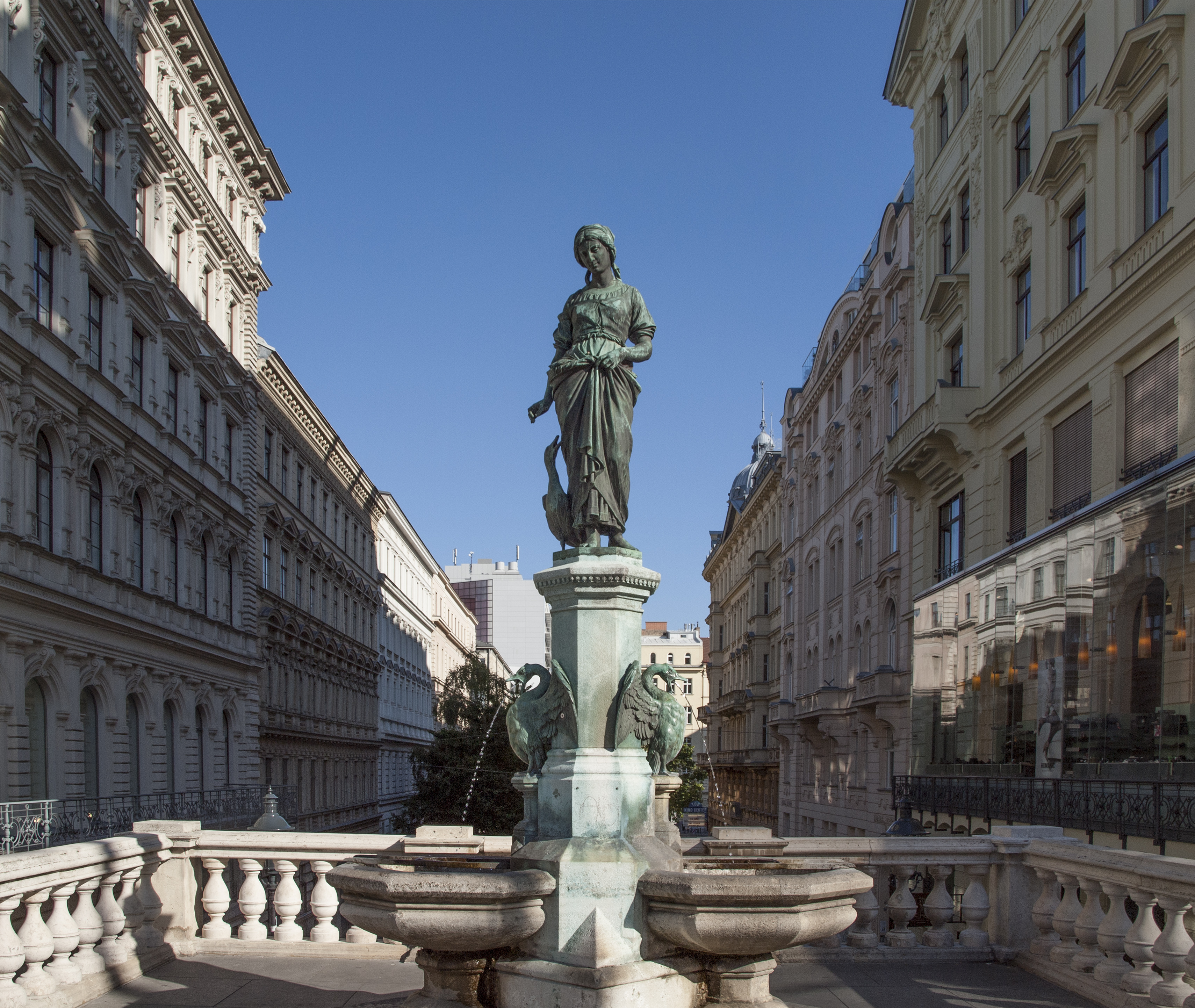
Gänsemädchenbrunnen is a small stone fountain featuring a bronze (or stone) figure of a young girl holding a pair of geese. Water gently cascades from the basin, creating a soothing sound that blends with the rustle of nearby trees. The sculpture’s playful subject reflects a long Viennese tradition of incorporating folk motifs into public art, celebrating everyday life alongside the city’s imperial grandeur.
History & Significance
While exact archival records on the fountain’s commissioning are scarce, its style aligns with Vienna’s late‑19th to early‑20th‑century fountain movement, when the city embellished its parks and squares with whimsical statues. The “goose girl” theme echoes local folklore—geese have long been a symbol of loyalty and community in Austrian rural tales. By placing this figure in an urban setting, the fountain bridges Vienna’s pastoral roots with its modern, cosmopolitan identity.
The fountain’s location (coordinates 48.201855, 16.360934) situates it within a green pocket of the city, making it a favored spot for locals seeking a quiet moment away from the tourist crowds. Its modest scale encourages close‑up appreciation, inviting visitors to linger, read a book, or simply watch the water dance.
How to Get There
By Public Transport
| Mode | Line(s) | Nearest Stop | Walking Time |
|---|---|---|---|
| U‑Bahn | U1 (Karlsplatz) | Karlsplatz | 7‑10 minutes |
| Tram | 2, 71 | Oper/Karlsplatz | 8‑12 minutes |
| Bus | 13A, 14A | Oper/Karlsplatz | 9‑13 minutes |
The fountain sits a short walk from Karlsplatz, one of Vienna’s main transport hubs. From the U1 platform, head east on Opernring, turn left onto Schönbrunner Straße, and you’ll spot the fountain’s stone basin nestled among mature plane trees.
By Bike or On Foot
Vienna’s city‑center is flat and bike‑friendly. If you’re already exploring the Stadtpark or the Ringstraße, hop on a city bike (e.g., Citybike Wien) and pedal north toward the fountain. The route is well‑signposted, and the ride takes roughly 5 minutes from the park’s main entrance.
Parking
If you’re driving, limited street parking is available on Schönbrunner Straße. For longer stays, consider the Parkgarage Opernring (about a 10‑minute walk) and enjoy a leisurely stroll to the fountain.
Best Time to Visit
| Season | Why It Works |
|---|---|
| Spring (April‑May) | Blossoming trees and mild temperatures make the surrounding garden vibrant. The water’s sparkle is especially photogenic under soft sunlight. |
| Summer (June‑August) | Longer daylight hours allow for evening visits; the fountain’s gentle mist offers a refreshing respite from the city heat. |
| Autumn (September‑October) | Golden foliage frames the sculpture, creating a warm, cinematic backdrop. Fewer tourists mean a quieter experience. |
| Winter (November‑March) | While the basin may be frosted, the fountain’s stone silhouette against a snowy landscape is striking. Early evenings are cozy for a quick coffee nearby. |
Peak photo‑opportunity: Early morning (around 7 am) when the light is diffused and the area is nearly empty. For sunset lovers, the golden hour (≈ 5 pm in summer) casts a warm glow on the bronze girl and her geese.
What to Expect
The Senses
- Visual: A delicate bronze (or stone) figure of a girl cradling two geese, set against a modest stone basin. The surrounding park’s greenery adds layers of texture and color.
- Auditory: A gentle, continuous murmur of water—perfect for meditation or background chatter.
- Tactile: The smooth stone of the basin feels cool under your fingertips, especially on a sunny day.
Atmosphere
The fountain’s intimate scale encourages personal interaction. Children often pause to toss a coin, while couples use the spot as a quiet photo backdrop. Street musicians sometimes perform nearby, adding a melodic layer to the water’s rhythm.
Amenities
- Seating: Benches line the adjacent pathway, offering places to sit and soak in the ambiance.
- Restrooms: Public toilets are available a few blocks away at Karlsplatz.
- Refreshments: A small café on Opernring serves coffee, pastries, and light snacks—ideal for a post‑visit treat.
Nearby Attractions
While you’re in the area, make the most of the cluster of charming fountains and cultural sites within a 300‑meter radius:
- Tiertränkebrunnen – Just 0.1 km away, this “Animal Drinking Fountain” features sculpted stone animals and is a favorite spot for local pets.
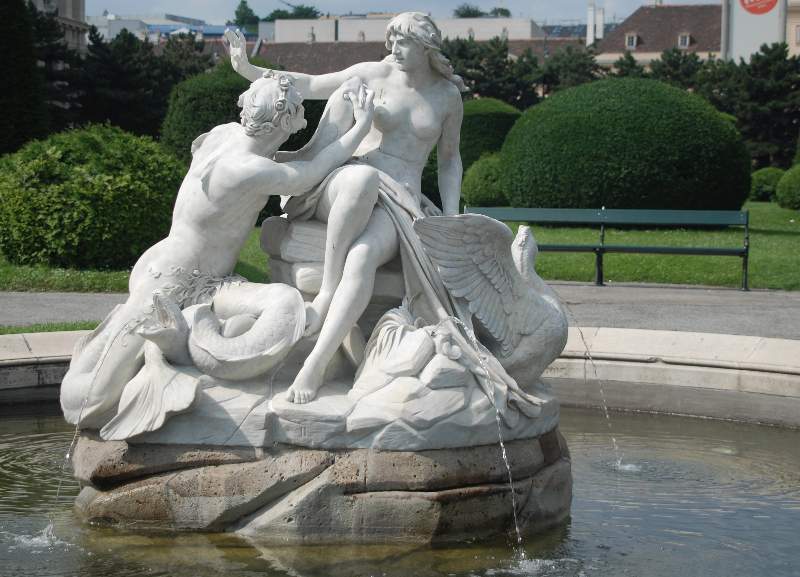
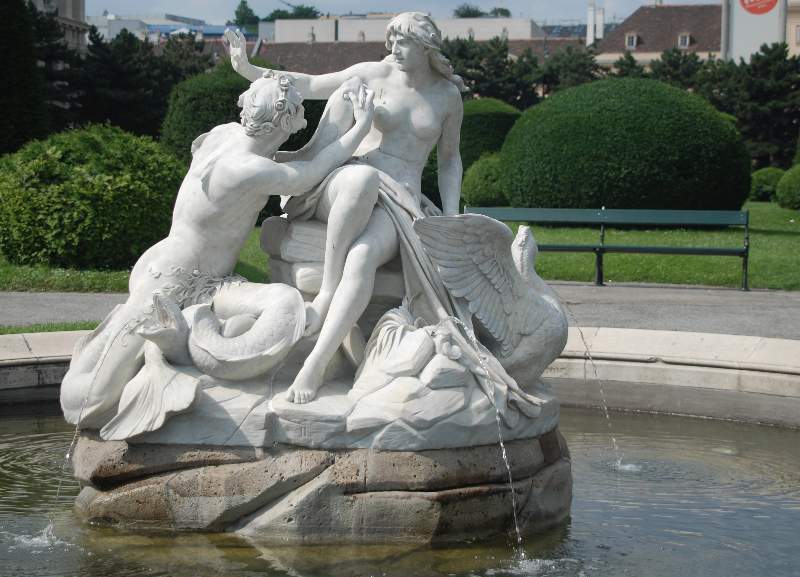
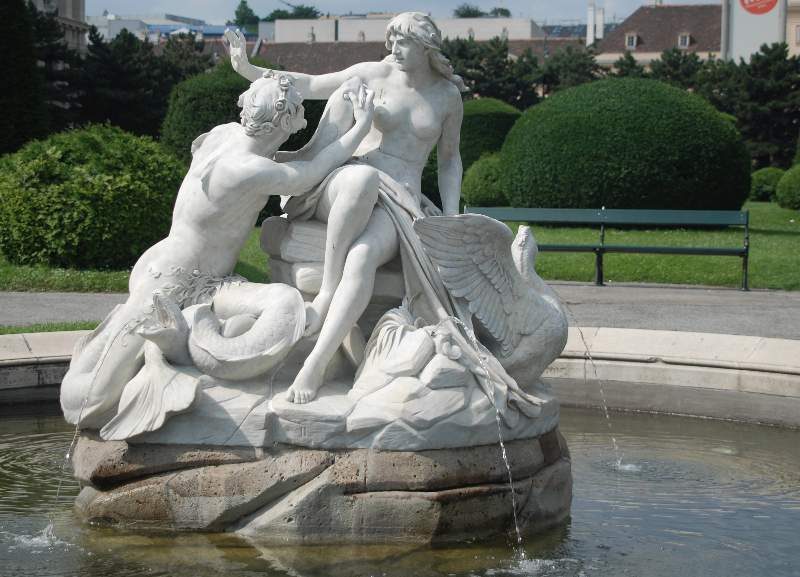
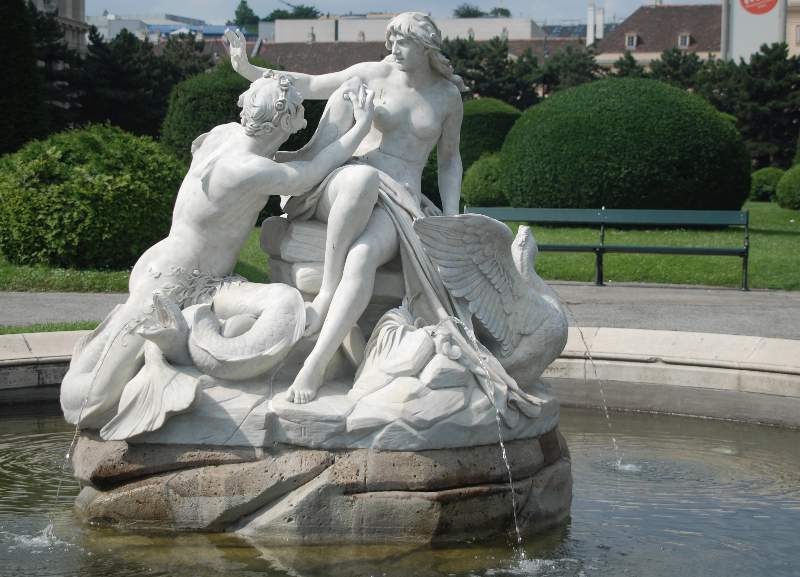
- Tritonen- und Najadenbrunnen – Two versions of this classical fountain lie 0.2 km and 0.3 km away, showcasing mythological sea‑gods (Tritons) and water nymphs (Naiads). Their baroque design offers a striking contrast to the rustic charm of Gänsemädchenbrunnen.
- Stadtpark – A short walk north brings you to Vienna’s iconic city park, home to the famous Johann Strauss monument and expansive rose gardens.
- Karlsplatz – The cultural hub surrounding the Karlskirche (St. Charles Church) and the Vienna Museum of Fine Arts (Kunsthistorisches Museum) is only a few minutes away, perfect for an extended cultural itinerary.
Tip: Use Google Maps or the local “WienMobil” app to plot a walking route that links these fountains; you’ll enjoy a mini‑tour of Vienna’s water‑sculpture heritage.
Travel Tips
| Tip | Details |
|---|---|
| Bring a lightweight raincoat | Even in summer, Vienna can experience sudden showers. A compact poncho keeps you dry without ruining your photos. |
| Carry a reusable water bottle | Public fountains are safe to drink from, and you’ll stay hydrated while strolling the park. |
| Mind the lighting | For the best photos, avoid harsh midday sun. Early morning or late afternoon light softens shadows on the sculpture. |
| Check local events | Karlsplatz often hosts open‑air concerts and markets. If a large event is scheduled, the fountain area may be busier than usual. |
| Respect the space | While it’s tempting to sit on the basin, the stone can be slippery when wet. Use the nearby benches to avoid accidents. |
| Currency | Austria uses the Euro (€). Many cafés accept cards, but keep a few coins handy for small purchases or vending machines. |
| Language | German is the official language, but most locals speak English in tourist zones. A friendly “Bitte” (please) and “Danke” (thank you) go a long way. |
| Safety | The district is safe both day and night. Keep an eye on personal belongings, especially in crowded tram stations. |
Wrap‑Up
Gänsemädchenbrunnen may be small, but it encapsulates Vienna’s unique blend of history, art, and everyday charm. Whether you’re a seasoned traveler hunting hidden gems, a photography enthusiast seeking a quiet subject, or simply a wanderer who enjoys the gentle lull of water, this fountain offers a moment of calm amid the city’s vibrant rhythm.
Add it to your Vienna travel itinerary, pair it with nearby fountains and parks, and let the “goose girl” guide you toward a more intimate, off‑the‑beaten‑path Viennese experience.
Happy travels, and may the water’s whisper inspire your next adventure!