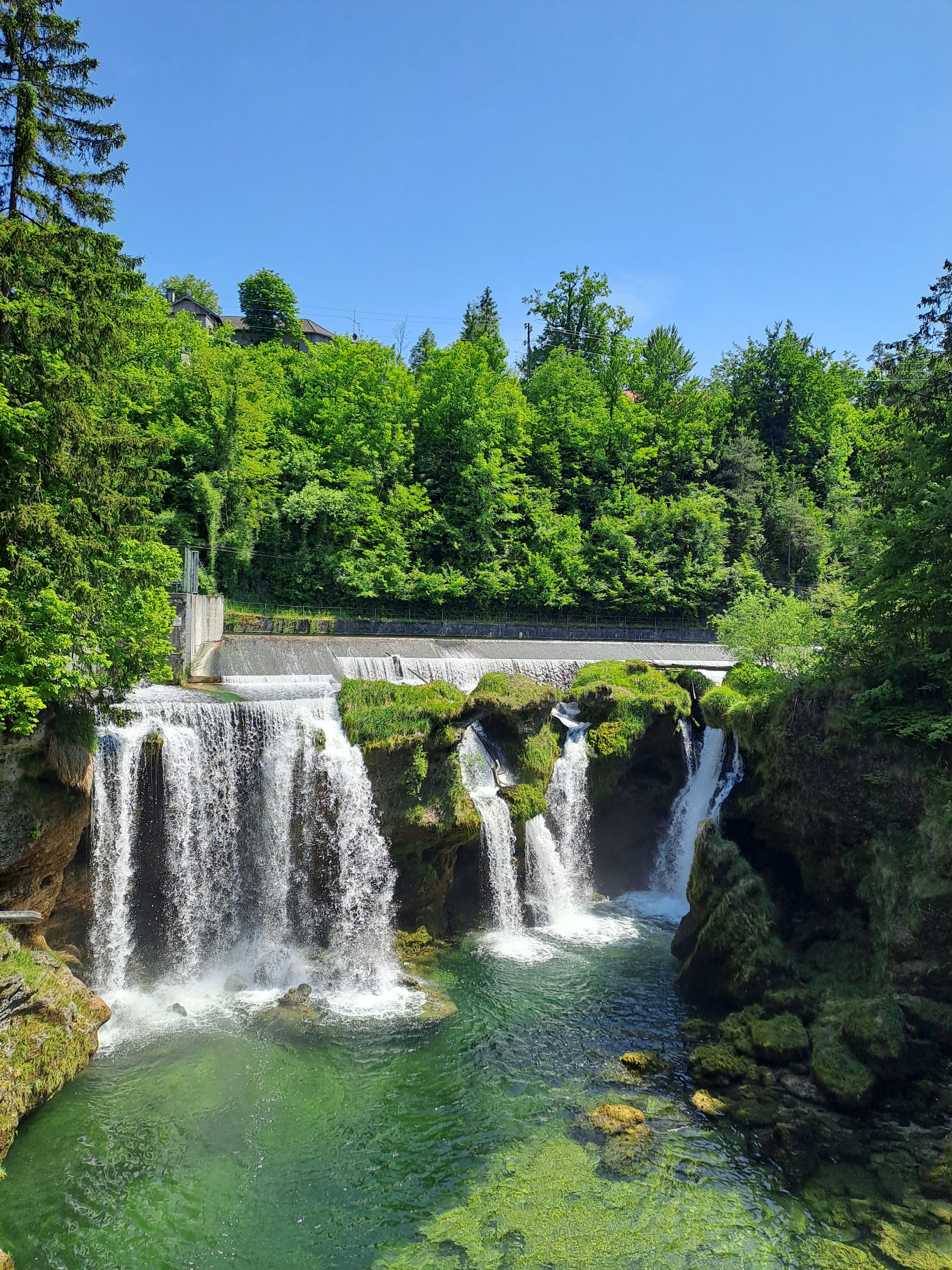
Traunfall – The Hidden Waterfall Gem of Upper Austria
Discover the serene power of Traunfall, a lesser‑known waterfall tucked away in the charming village of Rustorf, Upper Austria. Whether you’re a nature lover, a photography enthusiast, or simply looking for a peaceful escape from city life, Traunfall offers a slice of Alpine magic that’s worth the journey.
1. Introduction
Imagine standing on a quiet riverbank, the crisp Alpine air brushing your face, and suddenly a ribbon of water tumbles down a rocky ledge, sending mist into the sky. That moment is what travelers experience at Traunfall, a picturesque waterfall on the Traun River in Rustorf, Upper Austria. While Austria is famous for iconic cascades like Krimml and Gollinger Wasserfall, Traunfall remains a well‑kept secret—perfect for those who crave authentic, off‑the‑beaten‑path experiences.
In this guide, we’ll dive into the history, how to get there, the best seasons to visit, what you’ll see, nearby attractions, and practical tips to make your trip smooth and unforgettable.
2. About Traunfall
A Natural Snapshot
Traunfall is situated at 48.016511 N, 13.800147 E, where the Traun River carves a modest yet striking drop through the limestone cliffs of the Salzkammergut region. The exact height of the cascade isn’t officially recorded, but its visual impact is undeniable—especially when the river swells after a spring rain.
Historical Context
The waterfall has long been part of the local landscape, shaping the development of Rustorf and surrounding villages. Historically, the Traun River was harnessed for hydro‑power, which is why you’ll notice several weirs and small hydroelectric plants near the falls. These structures, such as the Wehr Traunfall (just 100 m away) and the Wehr Kraftwerk Siebenbrunn (400 m away), illustrate the region’s balance between preserving natural beauty and supporting sustainable energy.
Why It Matters
Traunfall isn’t just a scenic spot; it’s a living example of Upper Austria’s commitment to environmental stewardship. The waterfall and its surrounding riparian zone provide habitats for native fish, birds, and alpine flora. For travelers, it offers a peaceful setting for contemplation, photography, and a glimpse into how Austrian communities integrate nature into everyday life.
3. How to Get There
By Car
The most convenient way to reach Traunfall is by car. From Salzburg, follow the A1 motorway eastward, then take the B158 towards Gmunden. After crossing the Traunsee, continue on the B151 until you reach the small town of Rustorf. Parking is available in the village’s designated lot just a short walk from the waterfall.
- Driving time from Salzburg: ~1 hour 15 minutes
- Driving time from Linz: ~45 minutes
By Public Transport
- Train: Take an ÖBB regional train to Gmunden (main station on the Salzkammergut line).
- Bus: From Gmunden, catch the Postbus line 511 toward Ried im Traunkreis and alight at the Rustorf stop. The bus drops you within a 5‑minute walk of the falls.
Check the ÖBB website for up‑to‑date timetables, especially on weekends when services may be reduced.
On Foot or Bike
If you enjoy hiking or cycling, the Traun River Trail (Traunradweg) runs parallel to the river and offers scenic routes to the waterfall. The trail is well‑marked, mostly flat, and suitable for all fitness levels. Expect a gentle 2‑km walk from the Rustorf village center to the falls.
4. Best Time to Visit
| Season | What to Expect | Why It’s Ideal |
|---|---|---|
| Spring (April‑June) | Snowmelt and spring rains swell the river, creating a more dramatic cascade. Wildflowers bloom along the banks. | Best for photography and the freshest scenery. |
| Summer (July‑August) | Warm, sunny days make for comfortable walks. Water levels are moderate. | Ideal for picnics and family outings. |
| Autumn (September‑October) | Golden foliage frames the waterfall, and the river’s flow steadies. | Perfect for tranquil, colorful landscapes. |
| Winter (November‑March) | The falls may partially freeze, offering a unique icy spectacle. Snow adds a quiet hush. | For adventurous souls seeking a serene, less‑crowded experience. |
Tip: Check recent weather reports before heading out. After heavy rain, the water can be powerful, so maintain a safe distance from the edge.
5. What to Expect
The Sights
Approaching Traunfall, you’ll first hear the gentle roar of water before seeing it. The cascade drops over a rugged limestone ledge, creating a thin veil of mist that catches the sunlight in a subtle rainbow. The surrounding area is a mix of mixed forests, meadows, and rocky outcrops, providing a diverse backdrop for nature photography.
The Sounds
Beyond the waterfall’s own music, you’ll hear birdsong—particularly the white‑winged crossbill and European robin—and the occasional splash of fish jumping upstream. The nearby weirs emit a low, rhythmic hum from their turbines, a reminder of the river’s dual role as a natural wonder and a renewable energy source.
Activities
- Photography: Capture long‑exposure shots of the flowing water or close‑up details of the moss‑covered rocks.
- Picnicking: Small benches and a cleared meadow near the trail make for a perfect lunch spot.
- Birdwatching: Bring binoculars to spot resident and migratory species.
- Short Hikes: Follow the river trail upstream to discover smaller cascades and hidden pools.
6. Nearby Attractions
While Traunfall is the star of the show, the surrounding area offers several points of interest that enrich your visit:
| Attraction | Distance from Traunfall | What to See |
|---|---|---|
| Wehr Traunfall (Weir) | 0.1 km | Small historic weir that regulates river flow; great for quick photo stops. |
| Wehr Kraftwerk Siebenbrunn (Hydroelectric Plant) | 0.4 km | Modern hydro‑power facility showcasing Austria’s sustainable energy initiatives. |
| [Dam] (name not provided) | 2.4 km | Impressive engineering structure; ideal for a short walk along the riverbank. |
| Wehr Steyrermühl (Weir) | 2.4 km | Another classic weir, surrounded by lush vegetation. |
| [Unnamed Weir] | 2.9 km | Quiet spot perfect for contemplation and birdwatching. |
All attractions are within a short drive or bike ride, making it easy to combine them into a full‑day itinerary.
Useful Links
- Traunfall – German Wikipedia – Detailed background and coordinates.
- ÖBB Train Timetables – Plan your rail journey to Gmunden.
- Postbus Line 511 Schedule – Check bus times to Rustorf.
7. Travel Tips
| Tip | Details |
|---|---|
| Wear sturdy, waterproof shoes | The trail can be slippery near the water, especially after rain. |
| Bring a light rain jacket | Mist from the falls can dampen clothing; a breathable jacket keeps you comfortable. |
| Pack a reusable water bottle | There are no drinking fountains at the site, but you can refill in Rustorf. |
| Respect the environment | Stay on marked paths, avoid littering, and keep a safe distance from the weirs and turbines. |
| Timing for photos | Early morning or late afternoon provides soft, golden light and fewer visitors. |
| Cash for small purchases | Some local vendors in Rustorf accept only cash for snacks or souvenirs. |
| Check for events | Occasionally, local schools organize guided nature walks at Traunfall—great for families. |
| Mobile connectivity | Signal can be spotty near the waterfall; download offline maps beforehand. |
| Safety around weirs | The water near weirs can be fast‑moving; always heed warning signs. |
| Seasonal gear | In winter, wear insulated gloves and consider crampons if the rocks are icy. |
Final Thoughts
Traunfall may not have the towering height of Austria’s most famous waterfalls, but its quiet charm, stunning Alpine setting, and blend of nature with sustainable technology make it a must‑visit for any traveler exploring Upper Austria. Whether you’re chasing the perfect mist‑filled photograph, seeking a peaceful spot to unwind, or simply want to experience a slice of authentic Austrian countryside, Traunfall delivers an unforgettable experience—one that stays with you long after the mist has cleared.
Pack your camera, lace up your boots, and let the gentle roar of Traunfall guide you into the heart of Upper Austria’s natural beauty.