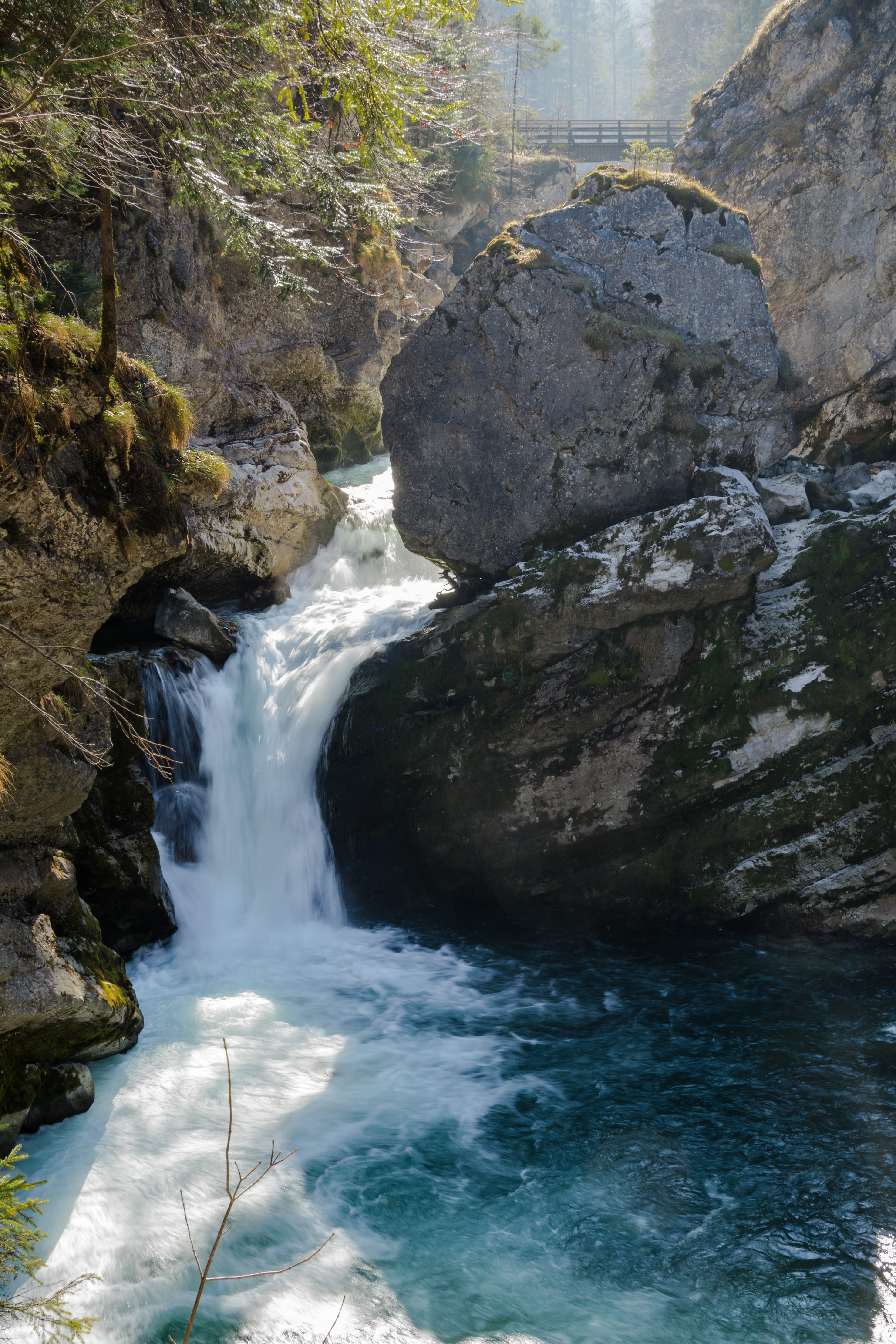
Discover the Hidden Gem of Upper Austria: Stromboding Wasserfall
If you’re chasing the sound of rushing water deep in the Austrian countryside, the Stromboding Wasserfall is the secret you’ve been waiting for. Tucked away near the charming village of Rossleithen, this waterfall offers a tranquil escape for hikers, photographers, and anyone who loves unspoiled nature.
1. Introduction
Imagine stepping off a quiet forest path and being greeted by a veil of mist, the cool spray kissing your face as a crystal‑clear stream plunges over rocky ledges. That’s the moment you’ll experience at Stromboding Wasserfall, one of Upper Austria’s most underrated waterfalls. While it may not boast the towering height of the Krimml Falls, its secluded setting, pristine water, and surrounding alpine scenery make it a perfect spot for a day‑trip or a peaceful pit‑stop on a longer hike through the Salzkammergut region.
Whether you’re planning a weekend getaway from Linz, a family adventure, or a solo nature retreat, the waterfall’s easy accessibility and proximity to other attractions mean you can pack a full day of exploration into one unforgettable itinerary.
2. About Stromboding Wasserfall
Located at 47.713130 N, 14.167201 E in the municipality of Rossleithen, Upper Austria, the Stromboding Wasserfall is a natural cascade fed by the clear mountain streams that run through the region’s limestone valleys. Though the exact height and altitude of the falls are not officially recorded, visitors describe the water as a gentle yet persistent flow that creates a soothing soundtrack for the surrounding forest.
History & Significance
The waterfall has long been a local landmark for the residents of Rossleithen and neighboring villages. Historically, the surrounding watercourses were used for small‑scale milling and irrigation, and the presence of the waterfall helped shape the agricultural patterns of the valley. Today, the site is celebrated for its environmental value—the clean, oxygen‑rich water supports a variety of aquatic life, while the surrounding woods provide habitat for birds, deer, and alpine flora.
The name “Stromboding” derives from the old Bavarian dialect, hinting at the area’s deep cultural roots. Although the waterfall does not appear on mainstream tourist maps, it is featured on the German‑language Wikipedia page for the region: Stromboding‑Wasserfall (de).
3. How to Get There
By Car
- From Linz: Take the A1 motorway east toward Salzburg, exit at Wels (junction 10), then follow the B143 toward St. Florian. Continue on the B143 to Rossleithen; the waterfall is signposted just outside the village.
- Parking: A small public parking area sits near the trailhead. It’s free, but spaces fill up quickly during peak weekend hours, so arrive early if you can.
By Public Transport
- Train: The ÖBB regional train from Linz to St. Florian runs hourly. From St. Florian, catch a local bus (line 542) toward Rossleithen; the bus stops within walking distance of the waterfall.
- Bike: The scenic bike route along the Traun River leads to Rossleithen, offering a leisurely ride through vineyards and orchards.
Walking / Hiking
The waterfall is reachable via a well‑marked forest trail that starts at the Rossleithen village square. The path is moderate in difficulty—mostly gentle inclines with occasional rocky sections—making it suitable for families and casual hikers.
4. Best Time to Visit
| Season | What to Expect | Why It’s Ideal |
|---|---|---|
| Spring (April–June) | Snowmelt swells the stream, creating a more vigorous flow. Wildflowers bloom along the trail. | Perfect for photography; the water’s sound is louder and the forest feels fresh. |
| Summer (July–August) | Warm temperatures, longer daylight hours. The waterfall’s pool is inviting for a quick dip. | Ideal for families; easy hiking in comfortable weather. |
| Autumn (September–October) | Leaves turn golden‑red, adding color contrast to the water. Fewer crowds. | Great for tranquil walks and capturing autumnal landscapes. |
| Winter (November–March) | The cascade may partially freeze, producing delicate ice formations. | For adventurous souls who enjoy crisp air and quiet, snow‑covered scenery. |
Overall, late spring to early autumn offers the most reliable water flow and pleasant hiking conditions.
5. What to Expect
When you arrive at the trailhead, the forest canopy opens to reveal a narrow, moss‑lined path that leads you toward the sound of water. As you approach, the air grows cooler, and a fine mist settles on the leaves. The waterfall itself is nestled in a small, natural amphitheater of stone and spruce, allowing you to view it from several angles:
- Front View: Stand on the lower bank and watch the water tumble over the rock ledge, creating a shimmering curtain.
- Side View: A short rock scramble (no special equipment needed) lets you peer behind the cascade, where the water rushes into a clear plunge pool.
- Panoramic View: From a nearby ridge, you can capture the waterfall framed by the rolling hills of Upper Austria—a perfect shot for Instagram or your travel journal.
The surrounding area is quiet, with only the occasional bird call or rustle of leaves. If you bring a picnic, there are flat stones beside the water where you can sit and enjoy a snack while listening to the soothing rush.
6. Nearby Attractions
Stromboding Wasserfall sits in a region rich with natural and cultural sights. Consider adding one or more of these spots to your itinerary:
- Sagmeisterwehr – A historic weir located just 1.5 km away. It offers a glimpse into traditional water management and a peaceful riverside walk.
- Dorfbrunnen – A charming village fountain 1.8 km from the waterfall, perfect for a quick photo stop and a chance to interact with locals.
- Unnamed Waterfall (2.4 km) – A smaller cascade hidden in the same forested area; ideal for those who love discovering secret spots.
- Schiederweiher Wehr – Though a bit farther (3.6 km) and located in neighboring Styria, this weir sits beside the picturesque Schiederweiher lake, a popular spot for kayaking and birdwatching.
All of these attractions are reachable via short walks or a brief bike ride, making it easy to create a full day of exploration without long drives.
7. Travel Tips
- Footwear: Wear sturdy hiking shoes with good traction. The trail can be slippery near the water, especially after rain.
- Weather Check: Upper Austria’s weather can change quickly in the mountains. Bring a lightweight rain jacket and check the forecast before heading out.
- Timing: Arrive early (7–8 am) during summer weekends to avoid the small parking bottleneck and enjoy the waterfall in softer morning light.
- Photography: The best light for photos is early morning or late afternoon when the sun is low. A polarizing filter helps reduce glare on the water.
- Leave No Trace: Pack out all trash, stay on marked paths, and respect the natural environment to keep the area pristine for future visitors.
- Safety: The water is cold year‑round. If you decide to dip in the plunge pool, be cautious of slippery rocks and swift currents.
- Local Cuisine: After your hike, stop by a traditional Gasthaus in Rossleithen for a hearty Austrian meal—try the Käsespätzle or a plate of Schweinsbraten with dumplings.
Final Thought
Stromboding Wasserfall may not be the most famous waterfall in Austria, but its quiet charm, easy accessibility, and surrounding natural beauty make it a standout destination for anyone traveling through Upper Austria. Pair it with nearby historic weirs, rustic village fountains, and the broader alpine landscape, and you’ve got a day‑long adventure that feels both authentic and refreshing.
Pack your backpack, lace up your boots, and let the gentle roar of Stromboding Wasserfall guide you to one of Upper Austria’s best‑kept secrets. Happy travels!