Seeklause Steeg – The Hidden Weir Gem of Upper Austria
If you’re wandering through the rolling hills of Upper Austria and stumble upon a quiet stretch of the Traun River, you’ve probably found the Seeklause Steeg. This modest yet captivating weir, tucked away near Bad Goisern, offers a perfect blend of engineering intrigue, natural beauty, and tranquil Alpine atmosphere. Whether you’re a photography enthusiast, a water‑way explorer, or simply looking for an off‑the‑beaten‑path spot to stretch your legs, Seeklause Steeg deserves a place on your itinerary.
About Seeklause Steeg
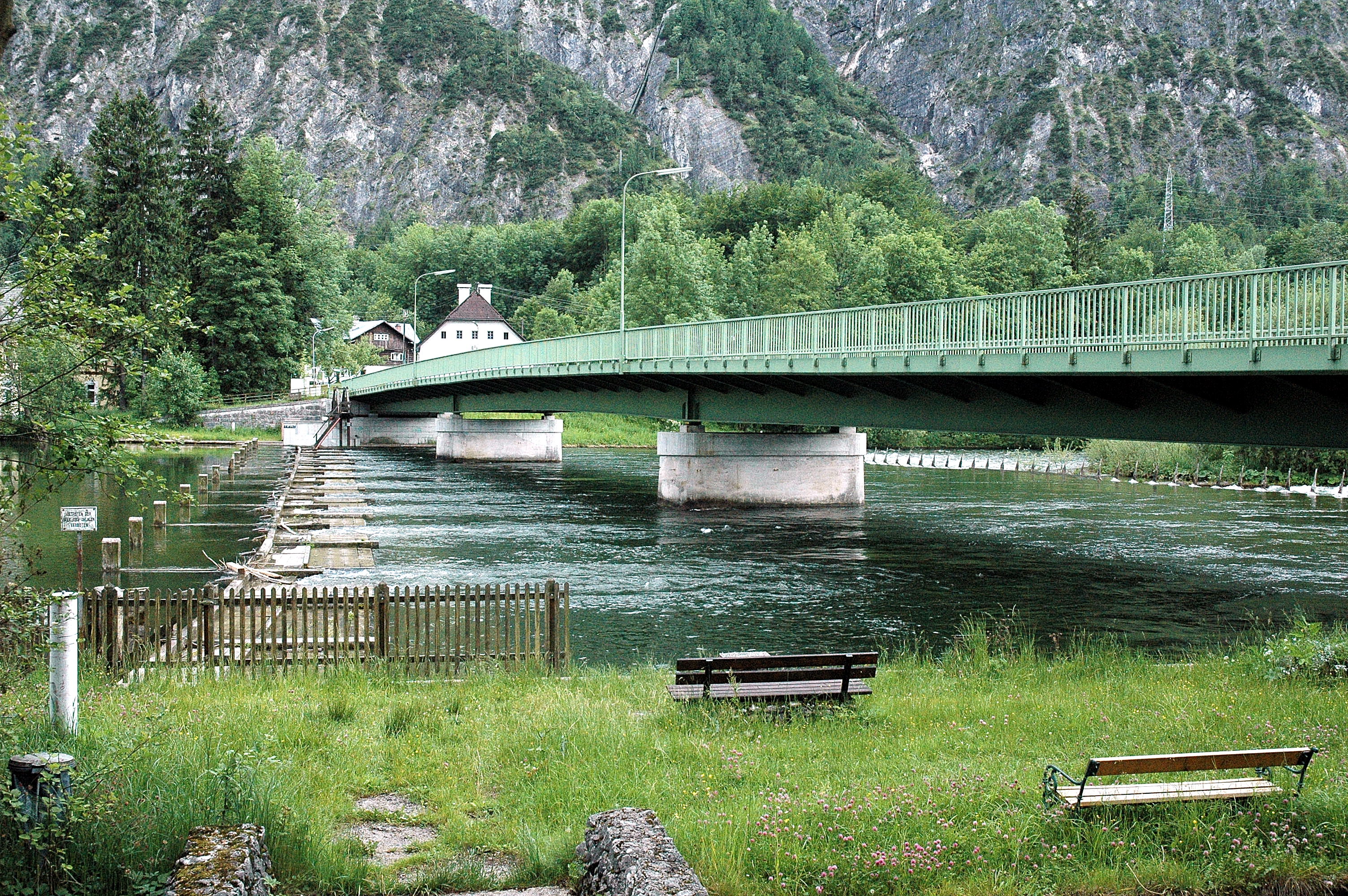
Located at 47.611224 N, 13.632703 E in the municipality of Bad Goisern, Seeklause Steeg is a small weir (German: Wehr) that regulates the flow of the Traun River, one of Upper Austria’s most scenic waterways. While the exact height and altitude of the structure remain undocumented, its presence is unmistakable: a low stone and concrete barrier that creates a gentle cascade, a calm pool upstream, and a subtle roar downstream.
A Brief History
The term Seeklause translates roughly to “lake lock,” a nod to the weir’s role in managing water levels for both ecological balance and historic mill operations. Though specific construction dates are scarce, many of the region’s weirs date back to the late 19th or early 20th century, built to harness river power for timber floating, grain milling, and later, hydroelectric generation. Seeklause Steeg has likely followed a similar trajectory, evolving from a functional water‑control point into a quiet spot cherished by locals and travelers alike.
Why It Matters
- Ecological stewardship – By moderating river flow, the weir helps protect downstream habitats, especially during spring melt or heavy rain.
- Cultural heritage – It stands as a reminder of Upper Austria’s long relationship with its rivers, where water was once the lifeblood of industry and daily life.
- Scenic value – The calm pool upstream is a natural mirror, reflecting the surrounding Alpine foothills and offering a serene backdrop for photos or a peaceful pause.
For more detailed background, you can explore the German‑language Wikipedia entry: Seeklause in Steeg (de).
How to Get There
By Car
- From Salzburg – Take the A10 (Tauern Autobahn) east to the Bischofshofen exit, then follow the B158 toward Bad Goisern. After passing the town center, follow the signs for Steeg; the weir is just a short turn‑off off the main road.
- From Linz – Drive north on the A1 to the Vöcklamarkt exit, then head south on B158. Bad Goisern lies roughly 30 km from the highway, and the weir is a 5‑minute drive from the town’s outskirts.
Parking is available in a small lot near the riverbank, and the site is wheelchair‑accessible via a gently graded path.
By Public Transport
- Train – The ÖBB Westbahn stops at Bad Goisern Bahnhof (approximately 1 hour from Salzburg or Linz). From the station, catch the local bus line 450 toward Steeg, or enjoy a 20‑minute scenic walk along the river.
- Bus – Regional bus routes (e.g., St. Johann im Pongau – Bad Goisern) pass near the weir. Check the latest timetables on the OÖVV website for real‑time updates.
By Bike or on Foot
The Traun River Trail (Traunradweg) runs parallel to the river for dozens of kilometers and offers a well‑marked segment that passes directly by Seeklause Steeg. Cyclists will enjoy gentle gradients, while hikers can relish the fresh Alpine air and occasional wildlife sightings.
Best Time to Visit
| Season | Highlights | Visitor Tips |
|---|---|---|
| Spring (April‑May) | Snowmelt swells the Traun, creating a lively flow over the weir and vibrant green surroundings. | Bring waterproof shoes; the riverbank can be muddy. |
| Summer (June‑August) | Warm weather makes the pool upstream perfect for a quick dip, and long daylight hours allow for sunset photography. | Arrive early to avoid weekend crowds from nearby Bad Goisern. |
| Autumn (September‑October) | The foliage turns golden‑brown, providing a stunning contrast against the water. | Pack a light jacket; evenings can be crisp. |
| Winter (November‑March) | The weir often freezes into a delicate ice sculpture, offering a quiet, almost magical atmosphere. | Dress in layers; some paths may be icy, so use sturdy footwear. |
Overall, late spring to early autumn delivers the most comfortable conditions for walking, picnicking, and photography, while winter appeals to those seeking a peaceful, snow‑kissed landscape.
What to Expect
When you arrive at Seeklause Steeg, you’ll be greeted by a modest stone wall that gently nudges the river’s surface upward. The water cascades over the barrier, producing a soft, rhythmic sound that blends with the rustle of nearby alders and the occasional call of a kingfisher.
- Scenic Views – Upstream, a calm pool reflects the sky and surrounding hills, making it a favorite spot for mirror‑like photos. Downstream, the river rushes past, creating a lively current ideal for watching fish or spotting otters.
- Quiet Atmosphere – Unlike the bustling tourist hubs of Hallstatt or Bad Ischl, Seeklause Steeg offers a tranquil setting where you can read a book, sketch, or simply soak in the Alpine serenity.
- Photography Opportunities – The weir’s stone texture, the play of light on water, and the backdrop of the Salzkammergut mountains provide endless compositional possibilities. Sunrise and sunset are especially rewarding, casting warm hues over the water.
- Educational Value – For families or curious travelers, the weir serves as a real‑world illustration of water management, hydro‑engineering, and the historical reliance on rivers for energy.
Nearby Attractions
While Seeklause Steeg is a destination in its own right, the surrounding area boasts several natural and cultural highlights that can easily be added to a day‑trip itinerary.
-
Holzrechen (Weir) – Just 0 km away, this neighboring weir shares the same river corridor and offers a complementary perspective on historic water control.
- Learn more: Holzrechen (Weir) – Google Search -
Waterfall A – Approximately 0.5 km from the weir, a small cascade drops into a crystal‑clear pool, perfect for a quick splash or a photo break.
- Details: Waterfall A – Google Search -
Waterfall B – A short 0.6 km trek leads you to another picturesque waterfall, surrounded by moss‑covered rocks and alpine ferns.
- Details: Waterfall B – Google Search -
Waterfall C – At 0.7 km, this third waterfall offers a slightly higher drop, creating a gentle mist that adds a magical feel to the surrounding forest.
- Details: Waterfall C – Google Search -
Additional Weir (2.5 km away) – For those interested in comparing different water‑control structures, a second weir lies a short drive away, showcasing variations in design and purpose.
- Details: Nearby Weir – Google Search
Bonus: Bad Goisern Town Center – After exploring the weir and its natural surroundings, head into Bad Goisern’s charming market square. Sample local pastries, browse handcrafted souvenirs, or visit the Traunsee Museum to learn about the region’s lake and river heritage.
Travel Tips
| Tip | Why It Matters |
|---|---|
| Carry a reusable water bottle | The area is eco‑friendly, and refill stations are available in Bad Goisern. |
| Dress in layers | Alpine weather can shift quickly; a light windbreaker and a warm layer cover most scenarios. |
| Bring a compact rain jacket | Summer thunderstorms are common, and a sudden downpour can make riverbanks slippery. |
| Use a sturdy pair of walking shoes | Even the well‑maintained paths can become slick near the water, especially after rain. |
| Pack a small picnic | There are several shaded spots along the riverbank—perfect for a leisurely lunch with a view. |
| Check the river flow before visiting | In heavy rain, water levels can rise quickly; local news or the ÖBf (Austrian Federal Waterways) website provides real‑time updates. |
| Respect the environment | Stay on marked trails, avoid littering, and keep a safe distance from wildlife. |
| Bring a camera with a polarizing filter | This reduces glare on the water surface, enhancing the clarity of your photos. |
| Consider a guided walk | Local guides offer insights into the weir’s history, the river’s ecology, and hidden spots not on the standard trail map. |
| Cash for small purchases | While most places accept cards, some rural cafés and souvenir stalls still prefer cash. |
Final Thoughts
Seeklause Steeg may not have the fame of Hallstatt’s pastel houses or the grandeur of the Austrian Alps’ towering peaks, but its quiet charm, historical resonance, and natural beauty make it a standout gem for the thoughtful traveler. Whether you’re mapping a day of river‑side exploration, seeking a peaceful spot for reflection, or hunting for that perfect shot of water over stone, this modest weir delivers an authentic taste of Upper Austria’s enduring relationship with its waterways.
So, pack your walking shoes, charge your camera, and let the gentle rush of the Traun guide you to Seeklause Steeg—where engineering meets nature in perfect harmony.
Keywords: Seeklause Steeg, Bad Goisern, Upper Austria weir, Traun River, travel Upper Austria, things to do Bad Goisern, Alpine waterfalls, Holzrechen weir, hidden gems Austria, Austrian river attractions.