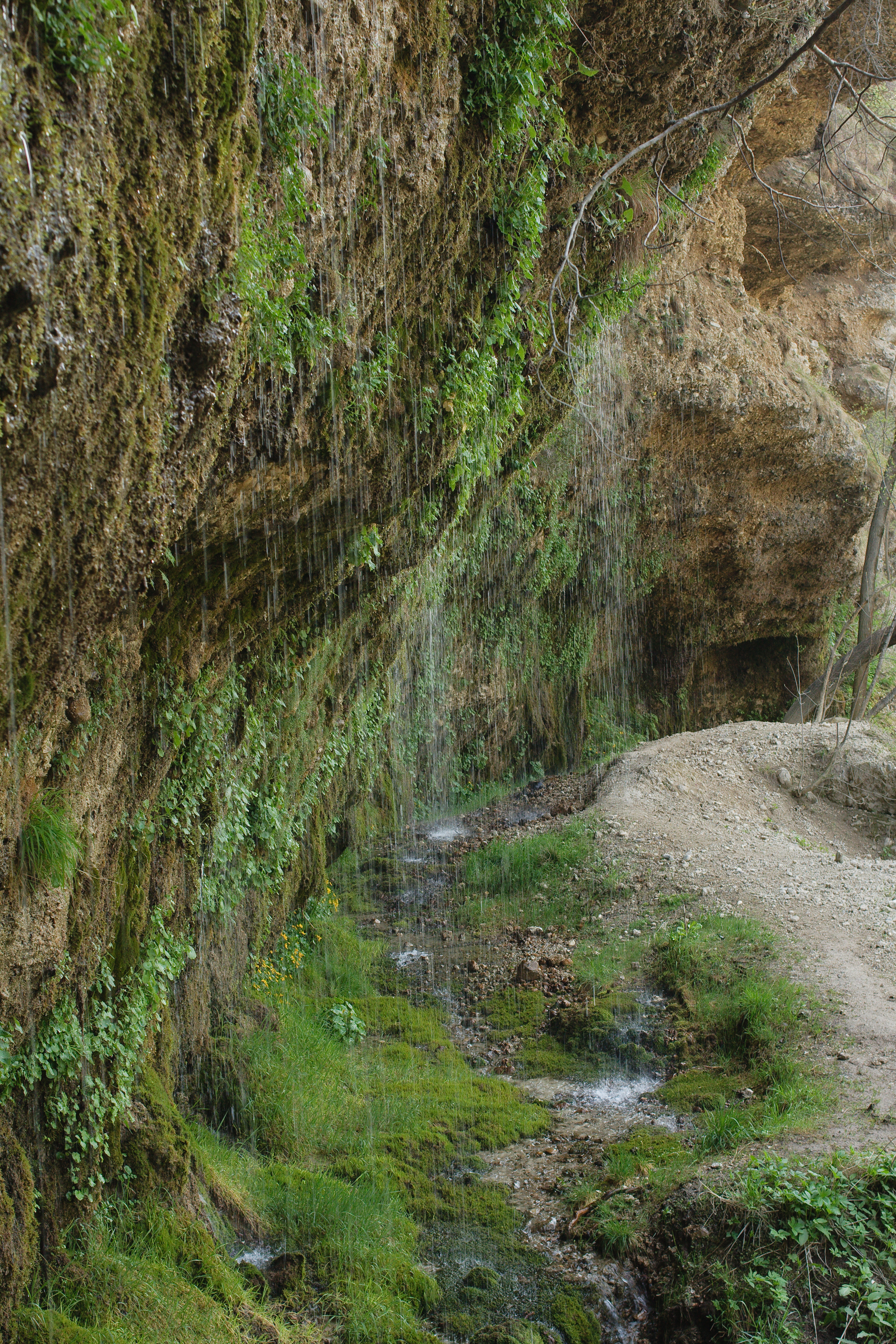
Rinnende Mauer – The Hidden Waterfall Gem of Upper Austria
Discover the tranquil roar of Rinnende Mauer, a secluded waterfall tucked away in the rolling hills of Gruenburg, Upper Austria. Whether you’re a seasoned hiker, a photography enthusiast, or simply looking for a peaceful spot to unwind, this natural wonder offers a slice of Alpine serenity that’s still off the typical tourist radar.
1. Introduction
Imagine a crystal‑clear stream tumbling over rugged limestone, the water splashing into a shallow pool that mirrors the surrounding forest canopy. The sound is gentle yet invigorating, and the air smells faintly of moss and wildflowers. This is Rinnende Mauer, a modest but enchanting waterfall that lies at the heart of Upper Austria’s lesser‑known landscape.
Located at 47.908478 N, 14.238419 E in the quaint municipality of Gruenburg, Rinnende Mauer is the perfect destination for travelers who crave authentic nature experiences without the crowds of the more famous Alpine attractions. In this guide, we’ll walk you through everything you need to know to make the most of your visit—from getting there and the best season to explore, to nearby points of interest and practical travel tips.
2. About Rinnende Mauer
A Quiet Cascade in the Upper Austrian Countryside
Rinnende Mauer (German for “Running Wall”) is a small waterfall that forms where a local stream cuts through a narrow limestone gorge. While the exact height of the cascade is not officially recorded, its charm lies in the steady, whisper‑like flow that creates a natural “wall” of water—hence the name.
History & Significance
The waterfall has long been part of the local folklore in Gruenburg. Historically, the surrounding area was used for small‑scale agriculture and timber work, and the stream that feeds Rinnende Mauer helped power a weir just 0.7 km downstream. Though the weir is now more of a historic landmark than a functional structure, it serves as a reminder of the region’s long relationship with water management and rural industry.
Today, Rinnende Mauer is valued primarily for its recreational and ecological importance. The site provides a natural habitat for native amphibians, insects, and a variety of alpine plant species. Birdwatchers often spot the European robin and the blackcap flitting among the trees, while hikers enjoy the soothing soundscape that the waterfall creates.
3. How to Get There
By Car
The most straightforward way to reach Rinnende Mauer is by car. From Linz, the capital of Upper Austria, take the A7 (Westautobahn) toward Steyr and exit at Bruck an der Mur. Follow the regional road B 140 toward Gruenburg, then turn onto the local road signposted “Rinnende Mauer” (the coordinates will guide you if you use a GPS). The drive takes roughly 1 hour and 15 minutes (≈80 km).
Parking is available at a small, free lot near the trailhead, located about 200 m from the waterfall. The lot is modest, so arriving early—especially on weekends—ensures a spot.
By Public Transport
If you prefer public transport, you can combine train and bus:
- Train – Take the ÖBB regional train from Linz Hauptbahnhof to St. Pölten (≈45 min).
- Bus – From St. Pölten, board the Postbus line 512 toward Gruenburg. Get off at the “Rinnende Mauer” stop (the bus drops you within a 5‑minute walk of the trailhead).
Check the latest timetables on the ÖBB website, as service frequencies vary by season.
On Foot
For the adventurous, the waterfall can be reached via a moderate hiking loop that starts in the village of Gruenburg. The trail is well‑marked, spans roughly 4 km round‑trip, and gains about 150 m in elevation—making it suitable for most fitness levels. The path follows the stream, offering multiple viewpoints of the surrounding forest before arriving at the cascade.
4. Best Time to Visit
Spring (April–June)
Spring brings a higher water volume as snowmelt from the surrounding hills feeds the stream. The waterfall is at its most vigorous, and the forest is awash with fresh green foliage and blooming wildflowers. This is an ideal period for photographers seeking dynamic water motion.
Summer (July–August)
Summer offers pleasant temperatures (average 20‑25 °C) and longer daylight hours, perfect for a leisurely hike. While the water flow may be slightly reduced, the pool at the base of the waterfall is inviting for a quick dip on a hot day.
Autumn (September–October)
The autumnal color palette—golden leaves, deep reds, and amber tones—creates a magical backdrop for the waterfall. The water level stabilizes, and the area is quieter as the peak tourist season winds down.
Winter (November–March)
During winter, the cascade may partially freeze, forming delicate ice sculptures. If you’re prepared for cold weather and possible icy paths, the winter scenery is uniquely serene. However, be aware that some trail sections can be slippery, so proper footwear and caution are essential.
Overall recommendation: For the most balanced experience—good water flow, comfortable weather, and vibrant scenery—plan your visit in late spring (May–June) or early autumn (September).
5. What to Expect
The Senses
- Sight: A modest but continuous sheet of water cascading over limestone, framed by dense mixed forest. Sunlight filters through the canopy, creating dappled reflections on the water surface.
- Sound: A gentle, rhythmic rush that drowns out distant traffic—perfect for meditation or simply unwinding.
- Smell: Fresh, earthy aromas of moss, pine, and damp stone. In spring, a faint scent of blooming alpine flowers adds a sweet note.
- Touch: The mist from the waterfall lightly cools the surrounding air; the pool at its base is shallow enough for a quick foot soak.
Facilities
Rinnende Mauer is a natural site with minimal infrastructure. There are no cafés or souvenir shops on site, which adds to its untouched feel. However, the nearby village of Gruenburg offers basic amenities—such as a bakery, a small grocery, and a guesthouse—where you can refuel before or after your hike.
Accessibility
The trail to the waterfall is well‑maintained but uneven in places, featuring natural rock steps and occasional wooden boardwalks. While it is accessible for most hikers, it is not wheelchair‑friendly due to the terrain.
6. Nearby Attractions
While Rinnende Mauer is the star of the day, the surrounding area offers several other points of interest within a short drive or hike. All distances are measured from the waterfall’s location.
| Attraction | Type | Distance | Quick Info |
|---|---|---|---|
| Upper Austrian Weir | Weir | 0.7 km | A historic water‑control structure that once powered local mills. |
| Rinnerberger Wasserfall | Waterfall | 2.5 km | Another charming cascade nestled in the Rinnerberg valley—perfect for a secondary hike. |
| Local Fountain | Fountain | 2.9 km | A small stone fountain in the village center, ideal for a quick photo stop. |
| Regional Dam | Dam | 2.9 km | Offers panoramic views of the reservoir and surrounding hills; great for sunset shots. |
For more details, you can explore the individual Wikipedia pages or local tourism sites:
- Rinnerberger Wasserfall (Wikipedia)
- (Weir, Fountain, and Dam information can be found on the Upper Austria tourism portal or the municipal website of Gruenburg.)
7. Travel Tips
| Tip | Details |
|---|---|
| Pack Waterproof Footwear | The trail can be slick near the cascade, especially after rain. Sturdy, waterproof hiking boots keep your feet dry and provide better traction. |
| Carry a Small Towel | The mist can leave you damp, and a quick wipe‑down makes the post‑hike ride more comfortable. |
| Leave No Trace | There are no waste bins at the site. Bring a reusable water bottle and a small bag for any trash you generate. |
| Check Weather Forecast | Upper Austria’s weather can change quickly in the mountains. A sudden downpour may increase water flow dramatically. |
| Bring a Portable Charger | Cell service is spotty in the forest; a power bank ensures your camera and phone stay alive for those stunning waterfall shots. |
| Timing | Arrive early in the morning (around 8 am) to enjoy the waterfall in soft, golden light and avoid the occasional afternoon crowd of local hikers. |
| Respect Private Property | Some sections of the trail cross privately owned farmland. Stick to marked paths and heed any “no entry” signs. |
| Local Cuisine | After your hike, try a traditional Upper Austrian dish such as Käsespätzle or Steckerlfisch at one of the family‑run inns in Gruenburg. |
Final Word
Rinnende Mauer may not have the towering height of the world’s most famous waterfalls, but its peaceful ambiance, easy accessibility, and surrounding natural beauty make it a must‑visit for anyone traveling through Upper Austria. Whether you’re mapping a day‑trip from Linz, adding a hidden gem to a longer Alpine itinerary, or simply seeking a quiet spot to reconnect with nature, this “running wall” of water welcomes you with open arms and a gentle splash.
Ready to chase the mist? Pack your boots, charge your camera, and let Rinnende Mauer become the highlight of your Upper Austrian adventure.
