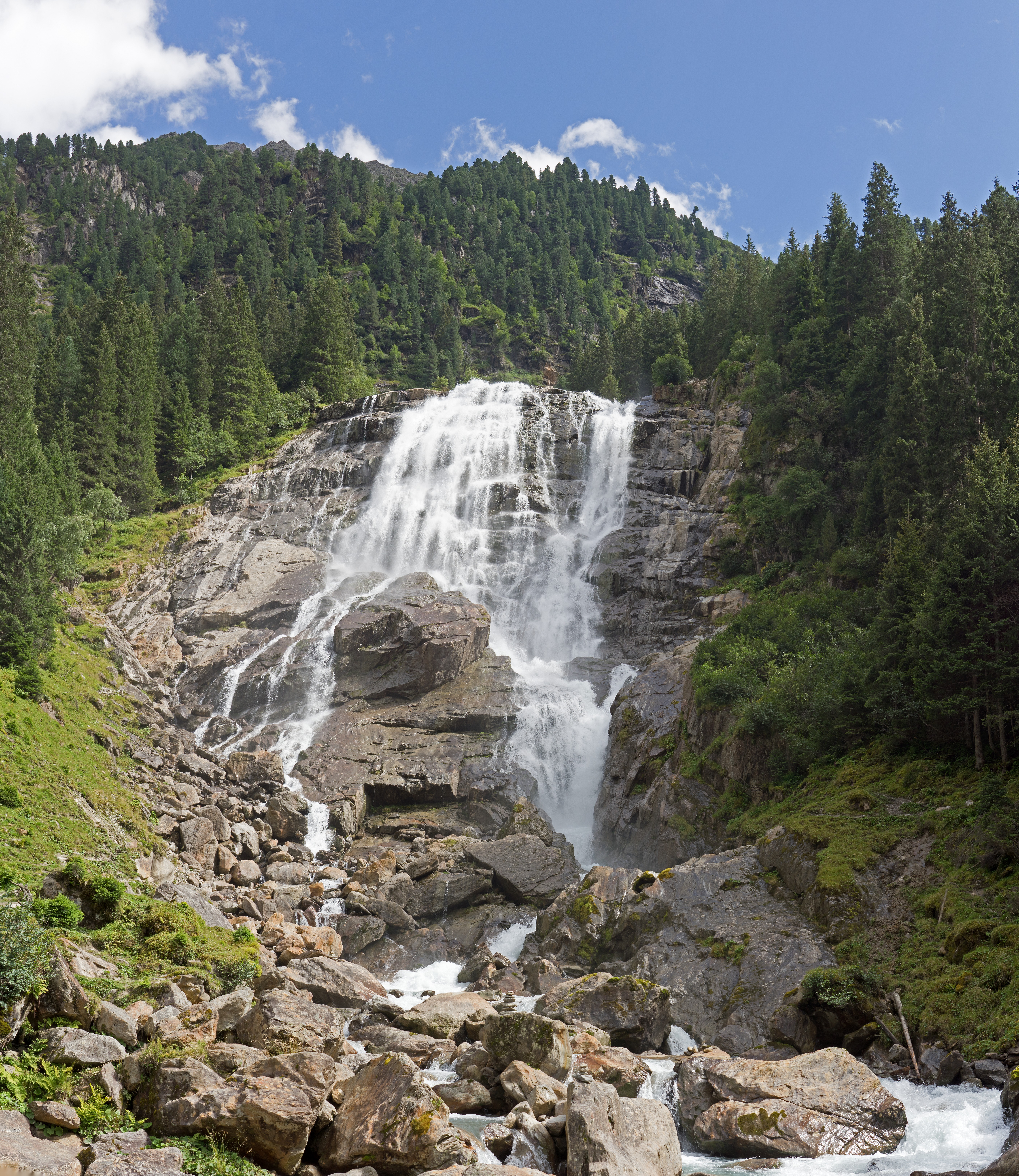
Grawa Wasserfall – Tyrol’s Hidden 180‑Meter Cascade
Discover the roar of the Alps, the mist‑kissed cliffs, and the tranquil Alpine charm that make Grawa Wasserfall a must‑see for every nature‑loving traveler.
Introduction
Imagine standing at the foot of a 180‑meter waterfall that tumbles down sheer granite walls, the spray catching the sun and painting rainbows across the valley. That’s the experience awaiting you at Grawa Wasserfall, a spectacular yet surprisingly under‑the‑radar waterfall tucked in the heart of Neustift im Stubaital, Tyrol, Austria. Whether you’re a seasoned hiker, a photography enthusiast, or simply someone who craves the pure sound of water crashing over rock, Grawa Wasserfall offers a dramatic Alpine showcase that rivals the more famous cascades of the region—without the crowds.
About Grawa Wasserfall
A Brief Description
- Location: Neustift im Stubaital, Tyrol, Austria
- Coordinates: 47.012033 N, 11.190233 E
- Height: 180 m (≈590 ft)
Grawa Wasserfall plunges dramatically from the high Alpine terrain, feeding the Grawa stream that eventually joins the larger Stubaital water system. The waterfall’s sheer drop creates a powerful, thunderous roar that can be heard from the surrounding valley, especially after a heavy Alpine rain or during the spring melt.
History & Significance
The name “Grawa” derives from the local dialect, historically used to describe the rugged gorge through which the water rushes. While the waterfall itself has long been a natural landmark for the residents of Neustift im Stubaital, it only began to attract hikers and tourists in the latter half of the 20th century, after the construction of a modest observation deck that offers safe, panoramic views of the cascade.
In Austrian folklore, waterfalls such as Grawa were often considered the “lungs of the mountains,” believed to cleanse the air and bring vitality to the surrounding forests. Today, the waterfall is celebrated not only for its raw beauty but also as a vital part of the local ecosystem, supporting a range of Alpine flora and fauna.
How to Get There
By Air
The nearest major airport is Innsbruck Airport (INN), just 45 km north of Neustadt im Stubaital. From the airport, you can rent a car or catch a regional train to Innsbruck Hauptbahnhof.
By Train & Bus
- Train: Take the ÖBB Railjet or regional train from Innsbruck to Innsbruck‑Stadt.
- Bus: From Innsbruck‑Stadt, board the Tyrol Bus (TVB) line 470 toward Neustift im Stubaital. The journey takes roughly 1 hour and drops you at the Neustift im Stubaital bus stop.
By Car
Driving is the most flexible option. From Innsbruck, follow the A12/E60 eastward, then take the B180 (Stubaital Straße) toward Neustift im Stubaital. Parking is available near the Grawa Observation Deck (approximately 0.2 km from the waterfall).
Hiking to the Falls
The most popular route starts at the Grawa Observation Deck (coordinates 47.0125 N, 11.1910 E). A well‑marked trail descends through alpine meadow and forest, reaching the base of the waterfall after a gentle 20‑minute walk. The path is suitable for most hikers, though sturdy shoes and a walking stick are recommended, especially after rain when the trail can be slick.
Best Time to Visit
| Season | What to Expect | Why It’s Ideal |
|---|---|---|
| Spring (April‑June) | Snowmelt swells the Grawa stream, creating a powerful, high‑volume cascade. Wildflowers begin to bloom along the trail. | The waterfall is at its most dramatic, and the valley is lush. |
| Summer (July‑August) | Warm weather makes the hike comfortable; mist from the falls creates pleasant cooling. | Longer daylight hours allow for extended exploration of nearby attractions. |
| Autumn (September‑October) | Golden foliage frames the waterfall, and the water flow remains steady. | Photographers love the contrast of amber leaves against the white spray. |
| Winter (November‑March) | The waterfall can partially freeze, forming stunning ice formations; the surrounding landscape is snow‑covered. | For the adventurous, a winter trek offers a serene, almost mystical experience—just be prepared for icy conditions. |
Tip: The period from late May to early September typically offers the best combination of accessibility, safety, and visual impact.
What to Expect
The Senses
- Sound: The roar of 180 m of water is a constant, invigorating soundtrack.
- Sight: From the observation deck, you’ll see water plummeting in a single, unbroken sheet, surrounded by rugged limestone cliffs. Close to the base, the mist creates a fine veil that refracts sunlight into fleeting rainbows.
- Touch: If you brave the short walk down to the riverbank, the cool spray will cling to your skin—a refreshing reminder of nature’s power.
Photographic Opportunities
- Panoramic Shots from the observation deck capture the waterfall’s full height against the Alpine backdrop.
- Long‑Exposure images of the cascading water create silky, ethereal effects.
- Macro close‑ups of moss‑covered rocks and alpine flowers add texture to your portfolio.
Wildlife
Keep an eye out for Alpine chamois, marmots, and a variety of bird species such as the golden eagle and alpine chough. The moist environment around the falls also supports a rich array of lichens and mosses, making it a botanist’s delight.
Nearby Attractions
Exploring the Stubaital region is easy when you base yourself near Grawa Wasserfall. Here are the top spots within a short drive or hike:
- Grawa Observation Deck – Just 0.2 km away, this deck offers the best viewpoint of the waterfall and includes informational panels about the local geology.
- Sulzenaubach Waterfall – Only 0.5 km away, a smaller cascade that’s perfect for a quick photo stop.
- Sulzenaualm – At 0.9 km, this alpine meadow provides gentle walking paths, picnic areas, and traditional Tyrolean huts serving local cheese and schnitzel.
- Trentino‑Alto Adige Border Waterfall – Approximately 1.4 km across the border into Italy, this waterfall showcases the seamless natural continuity between Austria and Italy.
Bonus: The historic town of Neustift im Stubaital itself, just a few kilometers upstream, offers charming cafés, a parish church dating back to the 15th century, and easy access to the Stubai Glacier for ski enthusiasts.
Travel Tips
| Tip | Details |
|---|---|
| Footwear | Wear waterproof hiking boots with good ankle support; the trail can be slippery near the water’s edge. |
| Clothing | Layered clothing is essential—temperatures can shift quickly from warm sun to cool mist. |
| Timing | Arrive early (before 9 am) in summer to avoid the small crowds that gather at the observation deck. |
| Safety | Stay on marked paths. The rocks near the base are slick, and sudden water surges can occur after heavy rain. |
| Photography | Bring a polarizing filter to reduce glare from the spray, and a tripod for long‑exposure shots. |
| Food & Drink | Pack a snack and water; the nearest café is in Neustift im Stubaital, about a 15‑minute walk uphill. |
| Respect the Environment | Carry out all trash, stay on designated trails, and avoid disturbing wildlife. |
| Local Currency | While credit cards are widely accepted, carrying a small amount of euros in cash can be handy for mountain huts. |
| Connectivity | Mobile reception can be spotty near the falls; download offline maps (e.g., Google Maps offline area) before you set out. |
Final Thoughts
Grawa Wasserfall may not have the fame of the Krimml or the Trümmelbach Falls, but its raw power, pristine Alpine setting, and accessible hiking route make it a true gem for anyone traveling through Tyrol. Whether you’re chasing the perfect waterfall photo, seeking a peaceful spot to unwind, or simply yearning to hear nature’s most dramatic symphony, Grawa Wasserfall delivers an unforgettable experience that embodies the heart of Austrian mountain beauty.
Pack your boots, charge your camera, and let the mist of Grawa guide you into the soul‑stirring world of the Austrian Alps. Safe travels! 🌊🏔️


