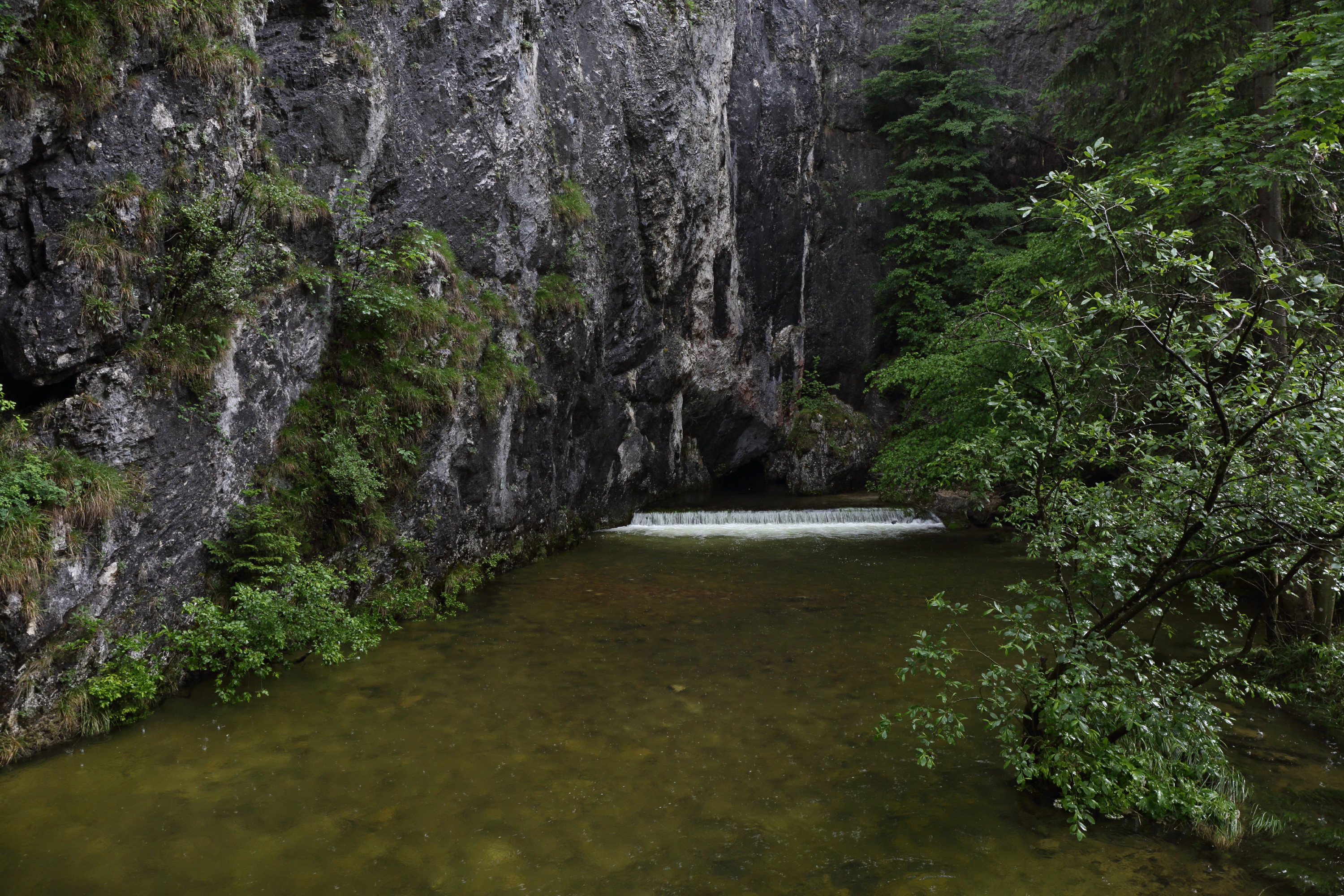
Wassermannsloch – The Hidden Spring Gem of Styria, Austria
Discover the crystal‑clear waters, tranquil forest trails, and authentic Alpine charm of Wassermannsloch, a lesser‑known spring tucked away in the heart of Eisnerz, Styria.
1. Introduction
If you think Austria’s natural wonders are limited to the towering peaks of the Alps or the sparkling lakes of Salzkammergut, think again. Nestled in the rugged yet verdant landscape of Eisenerz, Styria, lies Wassermannsloch, a pristine spring that feels like stepping into a secret page of a fairytale. The water bubbles up from the earth at coordinates 47.581918 N, 14.825578 E, forming a tiny oasis that has quietly enchanted locals for generations. Whether you’re a seasoned hiker, a photography enthusiast, or simply someone who loves to breathe in pure mountain air, Wassermannsloch offers a perfect slice of Austrian serenity—far from the crowds, yet easily reachable on a day‑trip from Graz or the mining town of Eisenerz itself.
2. About Wassermannsloch
What Is Wassermannsloch?
Wassermannsloch (German for “Wassermann’s Hole”) is a natural spring that emerges from the limestone formations typical of the Styrian Erzgebirge (Ore Mountains). The spring’s water is exceptionally clear, cold, and mineral‑rich—qualities that have historically made it a valuable source for both drinking and small‑scale agricultural use in the surrounding villages.
A Brief History
The spring has been referenced in local folklore for centuries. Its name is thought to derive from an old legend about a “Wassermann” (water spirit) who guarded the spring’s pure waters. While the exact origins of the name remain a mystery, the spring’s presence is documented in regional archives and on the German‑language Wikipedia page: Wassermannsloch (de.wikipedia.org).
Historically, the spring served the nearby mining community of Eisenerz, providing fresh water for workers and their families. Though the mining industry has waned, the spring remains a vital ecological feature, feeding small streams that eventually join the Mura River basin.
Why It Matters
- Ecological Value – The spring contributes to the local watershed, supporting a variety of alpine flora and fauna.
- Cultural Significance – It’s a living reminder of Styria’s rural heritage and the symbiotic relationship between the people and the land.
- Pure Recreation – With no commercial development on its banks, Wassermannsloch offers an unspoiled spot for picnics, meditation, and low‑impact nature photography.
3. How to Get There
By Car
- Start in Graz – Take the A9 motorway toward Bruck an der Mur and exit onto the B78 toward Eisenerz.
- Follow the B78 for roughly 45 km, then turn onto Landesstraße L 119 heading north.
- Turn left onto the local road marked “Wassermannsloch” (signage may be minimal, so keep an eye on the GPS).
- Parking – A small gravel parking area sits just off the road. It’s free, but space is limited—arrive early in the morning during peak season.
By Public Transport
- Train – ÖBB (Austrian Federal Railways) runs regular services from Graz Hauptbahnhof to Eisenerz Bahnhof (approx. 1 h 30 min).
- Bus – From Eisenerz, catch the Styria Bus line 123 toward Mautern; get off at the “Wassermannsloch” stop (about 10 minutes from the train station).
- Walking – From the bus stop, a well‑marked forest trail leads directly to the spring (≈ 15 min walk).
On Foot
The Wassermannsloch Trail (Wassermannslochweg) is a modest 3 km loop that starts at the parking area, climbs gently through mixed beech‑spruce forest, and arrives at the spring. Trail markers are simple white blazes on tree trunks; the path is suitable for all fitness levels.
4. Best Time to Visit
| Season | Highlights | Weather & Tips |
|---|---|---|
| Spring (April‑June) | Snowmelt swells the spring, wildflowers carpet the forest floor. | Mild temperatures (10‑18 °C). Bring waterproof shoes as trails can be muddy. |
| Summer (July‑August) | Long daylight hours, perfect for photography at golden hour. | Warm (20‑25 °C). Expect occasional thunderstorms; pack a rain jacket. |
| Autumn (September‑October) | Fiery foliage, quieter visitor numbers. | Cool (12‑18 °C). Ideal for peaceful walks and mushroom foraging (check local regulations). |
| Winter (November‑March) | Snow‑covered landscape, magical silence. | Cold (‑5 to 2 °C). Trail may be icy; use crampons or sturdy boots. |
Peak recommendation: Late spring to early autumn (May‑September) offers the most comfortable hiking conditions while still preserving the spring’s natural allure.
5. What to Expect
The Senses
- Sight – A crystal‑clear pool fed by a gentle cascade, framed by moss‑draped rocks and towering spruce. The surrounding forest is a kaleidoscope of green in summer and gold in autumn.
- Sound – The subtle murmur of water, interspersed with birdcalls (e.g., the Alpine chough) and the rustle of leaves.
- Touch – The cool, refreshing spray on your skin if you step close enough. The water temperature stays around 6‑8 °C year‑round.
- Smell – Fresh pine, damp earth, and the faint scent of wild herbs like Alpine thyme.
Activities
- Short Hikes – The 3 km loop is perfect for a leisurely stroll or a quick workout.
- Photography – Capture the spring’s reflective surface at sunrise or sunset for dramatic contrast.
- Picnicking – Bring a lightweight lunch; there are natural benches formed by flat stones.
- Birdwatching – Keep binoculars handy; the area attracts species such as the Eurasian jay and the crested tit.
Facilities
Wassermannsloch is intentionally kept natural: there are no restrooms, vending machines, or commercial eateries. Pack out all trash and respect the “Leave No Trace” principles to preserve its pristine condition.
6. Nearby Attractions
While Wassermannsloch is the star of the day, the surrounding Styria region offers several complementary points of interest within a short drive or hike:
| Distance | Type | Description | Link |
|---|---|---|---|
| 1.0 km | Spring | A smaller, lesser‑known spring that feeds a quiet brook. | Nearby Spring 1.0 km |
| 1.6 km | Weir | Historic weir built in the 19th century, showcasing early Alpine water management. | Weir 1.6 km |
| 2.8 km | Weir | Another picturesque weir surrounded by wildflower meadows. | Weir 2.8 km |
| 3.5 km | Spring | A crystal spring that forms a tiny natural pool—great for a quick dip in summer. | Spring 3.5 km |
| 3.6 km | Spring | A secluded spring known for its mineral-rich water, popular among locals for its health benefits. | Spring 3.6 km |
Bonus: The historic mining town of Eisenerz (≈ 10 km north) offers a small museum, traditional taverns, and the Mauterndorf Castle—a perfect cultural add‑on after a day in nature.
7. Travel Tips
| Tip | Details |
|---|---|
| Dress in layers | Alpine weather changes quickly; a moisture‑wicking base, insulated mid‑layer, and waterproof outer shell work best. |
| Footwear | Sturdy hiking boots with good grip are essential, especially on wet rocks near the spring. |
| Stay hydrated | While the spring water is clean, bring a reusable bottle for drinking and refill after a quick rinse. |
| Respect the environment | No swimming is allowed in the spring to protect its delicate ecosystem. Pack out all litter. |
| Timing | Arrive early (7 – 8 am) in summer to avoid the occasional weekend crowd and enjoy soft morning light for photos. |
| Navigation | Mobile signal can be spotty; download offline maps of the Wassermannsloch Trail beforehand. |
| Local cuisine | After your hike, try a traditional Styrian dish such as Käferbohnensalat (bean salad) at a nearby inn in Eisenerz. |
| Currency | Austria uses the Euro (€); most establishments accept cards, but small cash reserves are handy for rural spots. |
| Safety | In winter, icy patches can appear near the spring. Carry a small pair of crampons or microspikes if you plan to visit during snowy months. |
Final Thought
Wassermannsloch may not appear on every mainstream travel brochure, but that’s exactly what makes it a treasure for the curious traveler. Its crystal waters, gentle forest ambience, and the sense of stepping back into a quieter, more elemental Austria create memories that linger long after you’ve left the Styrian hills. Pack your boots, follow the trail, and let the hidden spring of Wassermannsloch refresh both body and spirit.
Happy exploring!