Mosesbrunnen – A Hidden Artistic Fountain in the Heart of Styria
Discover the whimsical masterpiece by Ernst Fuchs, tucked away in the charming village of Koflach, Austria.
1. Introduction
If you think the Austrian Alps are only about snow‑capped peaks and Alpine huts, think again. Nestled among the rolling hills of Styria lies a tiny, yet unforgettable piece of public art: Mosesbrunnen. Designed by the legendary painter Ernst Fuchs, founder of the Wiener Schule des Phantastischen Realismus, this fountain blends myth, color, and local folklore into a single, mesmerizing water feature. Whether you’re a fan of surrealist art, a lover of off‑the‑beaten‑path destinations, or simply hunting for a picturesque spot to snap a few photos, Mosesbrunnen deserves a spot on your Styria itinerary.
2. About Mosesbrunnen
A Surrealist Splash
Mosesbrunnen is more than just a drinking fountain; it’s a sculptural narrative. Ernst Fuchs (1930‑2015) conceived the work as part of his lifelong mission to bring the fantastical realism of his Vienna studio to public spaces. While the exact height of the fountain remains undocumented, its striking composition—featuring bold, almost biblical motifs rendered in vivid, jewel‑tone pigments—commands attention from every angle.
The name “Moses” hints at the biblical leader who famously struck a rock to bring forth water, a fitting allegory for a fountain that turns stone into flowing life. Fuchs’ signature style—layered symbolism, intricate line work, and a palette that feels both medieval and modern—makes the piece instantly recognizable to anyone familiar with his paintings and murals.
Historical Context
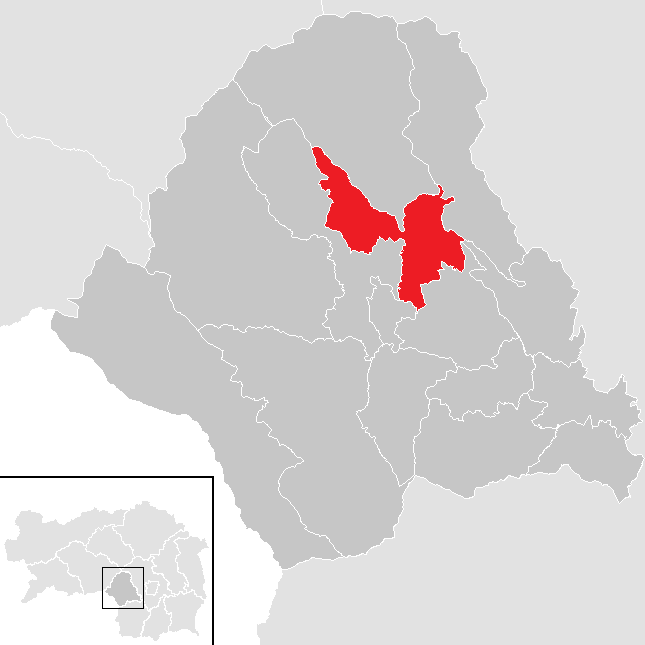
The fountain was installed in Koflach, a small settlement within the municipality of Bärnbach in Styria. Although the exact year of installation isn’t publicly recorded, the work reflects the post‑World‑War II wave of cultural revitalization that swept through Austria, when artists were encouraged to embed beauty into everyday life.
Mosesbrunnen quickly became a local landmark, celebrated not only for its artistic merit but also for its role as a gathering spot. Villagers and travelers alike pause here to refill water bottles, exchange stories, and admire the way the water catches the sun’s rays against Fuchs’ vivid tiles.
Why It Matters
- Artistic heritage – One of the few public works by Ernst Fuchs, a pivotal figure in 20th‑century Austrian art.
- Cultural bridge – Connects the spiritual symbolism of biblical tales with the everyday ritual of drinking water.
- Community pride – Serves as a social hub for Koflach, embodying the Austrian tradition of “Gemeinschaft” (community).
3. How to Get There
By Car
The most convenient way to reach Mosesbrunnen is by car. From Graz, the capital of Styria, follow the A9 highway eastward toward Bärnbach. Take exit 12 (Bärnbach/Koflach) and continue on B 78 for about 3 km. Look for signs pointing to the village center; the fountain sits near the main crossroads, easily identifiable by its colorful tiles.
- Parking: Free street parking is available on both sides of the road. If you prefer a designated spot, the municipal lot behind the local school offers a few spaces and is just a 2‑minute walk away.
By Public Transport
- Train: Take the S-Bahn from Graz Hauptbahnhof to Bärnbach (approx. 30 min). Trains run hourly.
- Bus: From Bärnbach station, board the Styria Bus Line 215 toward Koflach. The ride lasts about 10 minutes, and the stop is named “Koflach – Zentrum.” The fountain is a short stroll from the bus shelter.
By Bike or Foot
Styria is renowned for its well‑marked cycling routes. The Thermenradweg (Thermal Spa Cycle Path) passes near Koflach, offering a scenic ride through vineyards, forests, and historic villages. If you’re staying in nearby Bärnbach, a leisurely 4 km walk (≈45 min) will bring you to Mosesbrunnen, allowing you to soak up the countryside’s fresh air and aromatic pine scent.
GPS Coordinates
- Latitude: 47.072725
- Longitude: 15.126848
Enter these coordinates into any navigation app for pinpoint accuracy.
4. Best Time to Visit
Spring (April–June)
The surrounding meadows burst into a kaleidoscope of wildflowers, providing a perfect backdrop for photos of the fountain. Temperatures hover between 12 °C and 22 °C, making it comfortable for walking tours.
Summer (July–August)
Long daylight hours (up to 16 h of sunshine) let you linger at the fountain well into the evening. The water’s surface glistens under the golden light, and nearby cafés spill out onto terraces for a refreshing drink. Be aware that July can be warm (up to 28 °C), so bring sunscreen and a hat.
Autumn (September–October)
Golden foliage adds a rustic charm. The cooler weather (10 °C–18 °C) is ideal for exploring the nearby attractions without the summer crowds.
Winter (November–March)
While the fountain remains accessible, snow and icy conditions may limit visibility of the colorful tiles. If you love a quiet, almost magical winter landscape, a brief visit is still worthwhile—just wear sturdy boots and check local road conditions.
Overall recommendation: Late spring to early autumn (May–September) offers the best combination of weather, scenery, and vibrant local life.
5. What to Expect
Visual Feast
Approach the fountain and you’ll be greeted by a cascade of water flowing over a mosaic of bright blues, reds, and golds. Fuchs’ design incorporates stylized figures—some reminiscent of biblical prophets, others abstract—intertwined with flowing water motifs. The play of light on the polished tiles creates a shifting kaleidoscope, especially during sunrise or sunset.
Sensory Experience
- Sound: A gentle, continuous murmur of water that masks distant traffic, creating a tranquil atmosphere.
- Touch: The stone basin feels cool underfoot; you can dip your hands in the water for a quick refresh.
- Smell: The surrounding pine trees release a subtle, refreshing aroma, especially after a light rain.
Social Vibe
Locals often gather here for a quick chat, especially on market days. You may hear snippets of Austrian German—“Grüß Gott!”—and see children playing near the water’s edge. The fountain acts as an informal meeting point, making it easy to strike up a conversation with friendly residents.
Photo Opportunities
- Close‑up: Capture the intricate tile work by getting low to the ground; the water’s reflection adds depth.
- Wide‑angle: Include the surrounding village houses to convey a sense of place.
- Golden hour: The warm light accentuates the reds and golds in the mosaic, perfect for Instagram‑ready shots.
6. Nearby Attractions
While Mosesbrunnen is the star of the show, the surrounding area offers several other points of interest within a short radius. All are easily reachable on foot or by a quick bike ride.
| Distance | Attraction | Type | Why Visit |
|---|---|---|---|
| 0.3 km | Stadtbrunnen | Fountain | Another historic water feature, ideal for comparing styles. |
| 2.1 km | Unnamed Fountain | Fountain | A quieter spot, perfect for a reflective pause. |
| 2.3 km | Unnamed Spring | Spring | Fresh mountain water source; great for a short nature walk. |
| 3.0 km | Unnamed Fountain | Fountain | Offers a different architectural vibe, showcasing local craftsmanship. |
| 3.0 km | Rückhaltebecken | Weir | Fascinating engineering work; excellent for photography of water management structures. |
Tip: Use the coordinates above to map out a circular route that lets you experience each site without back‑tracking.
For a deeper dive into the region’s history, visit the Bärnbach Wikipedia page (German), which provides context on the municipality, its mining heritage, and cultural landmarks.
7. Travel Tips
| Tip | Details |
|---|---|
| Carry cash | Small villages often have cash‑only cafés or souvenir stalls. |
| Dress in layers | Styria’s weather can shift quickly, especially in the mountains. |
| Respect the fountain | While you can touch the water, avoid climbing on the tiles to preserve the artwork. |
| Stay connected | Mobile reception is generally good, but consider downloading offline maps (Google Maps, Maps.me) using the GPS coordinates. |
| Try local specialties | After visiting the fountain, head to a nearby tavern for Styrian pumpkin seed oil or a plate of Backhendl (fried chicken). |
| Timing for crowds | Early mornings (before 9 am) are the quietest; the fountain is especially peaceful at sunrise. |
| Photography etiquette | If you’re using a tripod, be mindful of other visitors and keep the setup compact. |
| Eco‑friendly travel | Bring a reusable water bottle—refill it at the fountain (water is safe to drink). |
Final Thought
Mosesbrunnen may be a modest-sized fountain, but its artistic pedigree, serene setting, and role as a community hub make it a must‑see for anyone exploring Styria, Austria. Pair it with a leisurely stroll through Koflach, sample the region’s culinary delights, and you’ll leave with a vivid memory of a place where myth, art, and everyday life flow together—just like the water over Ernst Fuchs’ spectacular tiles.
Pack your camera, your curiosity, and a sense of adventure—Mosesbrunnen awaits. 🌊✨