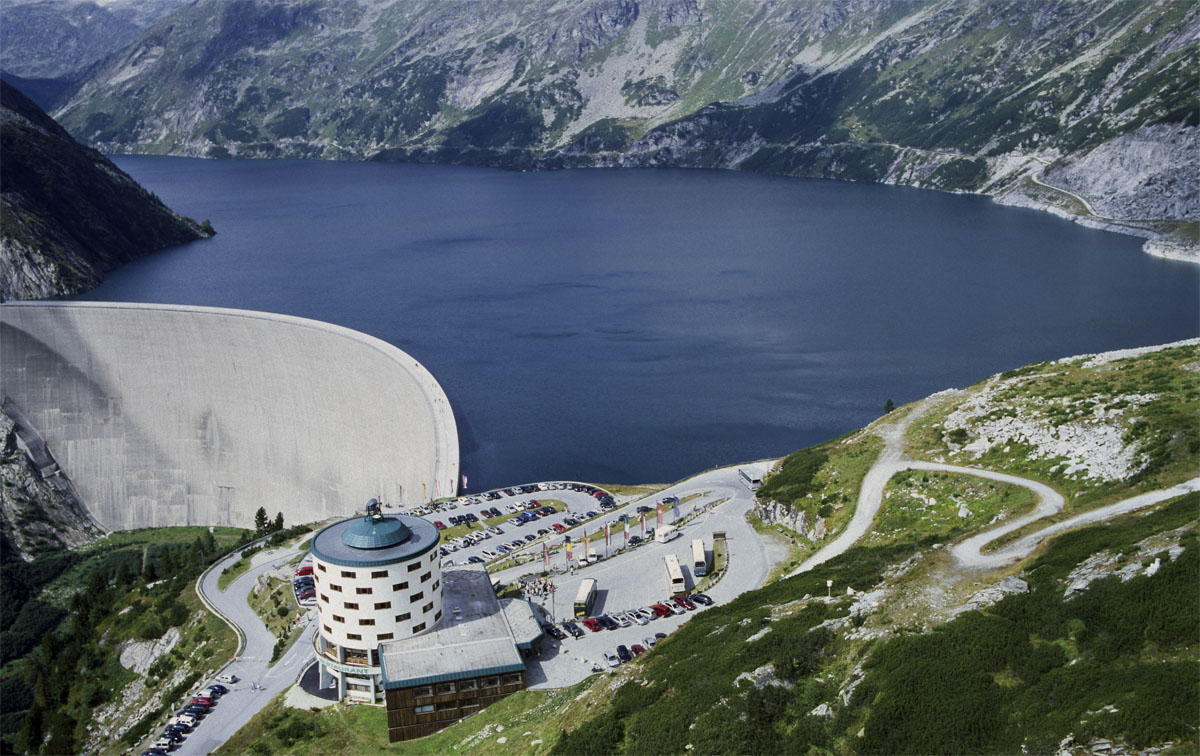
Kölnbreinsperre Staumauer – Austria’s Majestic Alpine Dam
Discover the awe‑inspiring Kölnbreinsperre Staumauer, a 200‑metre‑high engineering marvel perched in the heart of Salzburg’s alpine wilderness. Whether you’re a road‑trip enthusiast, a nature lover, or a fan of hydraulic engineering, this dam offers a unique blend of breathtaking scenery and fascinating history.
1. Introduction
Imagine standing on a concrete wall that stretches 200 metres into the sky, with the crystal‑clear waters of the Kölnbach river cascading below and the snow‑capped peaks of the Hohe Tauern looming in the distance. That’s the feeling you get at Kölnbreinsperre Staumauer, the towering dam that dominates the landscape of Huttschlag, Salzburg, Austria.
Beyond its impressive stature, the dam is a gateway to some of the most pristine alpine terrain in the Eastern Alps. From panoramic viewpoints to tranquil hiking trails, the area around the Kölnbrein Dam is a hidden gem for travelers seeking off‑the‑beaten‑path experiences in Austria. In this guide, we’ll walk you through everything you need to know to make the most of your visit—from history and how to get there, to the best seasons and nearby attractions.
2. About Kölnbreinsperre Staumauer
A Brief Overview
- Name: Kölnbreinsperre Staumauer (commonly known as Kölnbrein Dam)
- Type: Concrete arch dam 🏗️
- Location: Huttschlag, Salzburg, Austria
- Coordinates: 47.078697 N, 13.339993 E
- Height: 200 m (656 ft)
- Altitude: Not publicly listed (the dam sits high in the alpine valley)
The Kölnbrein Dam is part of the Salzburger Tauern Power Plant—one of Austria’s most important hydroelectric complexes. Constructed between 1971 and 1978, the dam was designed to harness the energy of the Kölnbach and its tributaries, feeding water through a series of tunnels and penstocks to turbines located far downstream. Its massive concrete arch shape allows it to resist the immense pressure of the reservoir while blending harmoniously with the surrounding rock formations.
Historical Significance
When the dam was completed, it became the tallest dam in Austria, a title it still proudly holds. Its construction marked a pivotal moment in Austria’s post‑war push for renewable energy, helping to reduce reliance on fossil fuels and cementing the country’s reputation as a leader in sustainable power generation.
Beyond its functional role, the Kölnbrein Dam has become an iconic landmark for the region. The engineering feat is often highlighted in guided tours and educational programs, illustrating how human ingenuity can work in tandem with nature’s raw power.
Why It Matters to Travelers
- Spectacular Views: The dam’s sheer height creates dramatic vistas that are perfect for photography.
- Engineering Curiosity: Visitors can explore the dam’s design and learn about hydroelectric technology.
- Gateway to Alpine Adventures: The reservoir and surrounding valleys open up hiking, mountain biking, and wildlife spotting opportunities.
3. How to Get There
By Air
The nearest international gateway is Salzburg Airport (SZG), located about 80 km (50 mi) west of the dam. From the airport, you can rent a car or take a train to Salzburg Hauptbahnhof, then continue by road.
By Train
Salzburg’s main train station is well‑connected to major European cities (Vienna, Munich, Zurich). From Salzburg Hauptbahnhof, board a regional train toward St. Johann im Pongau and alight at St. Johann. The journey takes roughly 1 hour and 15 minutes.
By Car
Driving offers the most flexibility, especially if you plan to explore nearby attractions. From Salzburg city center:
- Take the A10 Tauern Autobahn south toward Villach.
- Exit at Bischofshofen and follow signs for St. Johann im Pongau (B311).
- Continue on B311 toward Huttschlag; the dam is signposted after the village.
The total drive is about 1 hour 30 minutes on well‑maintained alpine roads. In winter, be prepared for snow and ensure your vehicle has winter tires or chains.
Public Transport Options
- Bus: Regional bus line 801 runs from St. Johann to Huttschlag, stopping near the dam’s visitor parking.
- Shuttle Services: During the high season (June–September), the Salzburger Tauern Power Plant occasionally offers guided shuttle tours from St. Johann—check the official website for schedules.
Parking
A modest free parking lot sits at the dam’s visitor area. Spaces fill quickly in summer, so arrive early if you’re planning a midday visit.
4. Best Time to Visit
| Season | Weather | Visitor Experience | Why Visit |
|---|---|---|---|
| Spring (April‑May) | Mild temperatures, occasional rain, snow melt feeding the reservoir | Quiet, fresh landscapes, budding alpine flora | Ideal for photography of the dam with a dramatic water flow |
| Summer (June‑August) | Warm, sunny days, occasional thunderstorms | Peak tourist season, full access to hiking trails, guided tours | Best for outdoor activities and longer daylight hours |
| Autumn (September‑October) | Cool, crisp air, vibrant foliage | Fewer crowds, golden light on the concrete arch | Perfect for serene walks and sunset shots |
| Winter (November‑March) | Snow‑covered surroundings, sub‑zero temps | Limited trail access, but stunning icy vistas | For adventurous travelers comfortable with winter conditions; check road closures |
Top Recommendation: Late June to early September offers the most reliable weather, fully open facilities, and the chance to see the reservoir at its fullest.
5. What to Expect
The Visual Impact
Approaching the Kölnbrein Dam, the first thing that strikes you is its massive concrete curve rising out of the valley. At 200 m tall, it dwarfs the surrounding pine‑clad hills, creating a sense of awe that’s both humbling and exhilarating. The reservoir—known locally as Kölnbreinsee—spreads out like a glassy mirror, reflecting the sky and the distant peaks of the Hohe Tauern National Park.
Visitor Facilities
- Information Center: Small kiosk with maps, multilingual brochures, and a short exhibit on hydroelectric power.
- Viewing Platforms: Two safe, rail‑guarded decks provide unobstructed views of the dam wall and spillway.
- Restrooms: Clean facilities located near the parking area.
- Café (Seasonal): A modest café offers coffee, pastries, and local snacks during the summer months.
Activities
- Guided Dam Tours: Offered on weekdays (April‑October). Tours last about 45 minutes and include a walk along the spillway, explanations of the dam’s construction, and a glimpse of the control room (photo‑free zone).
- Hiking: Well‑marked trails start at the dam, ranging from easy lakeside walks (2 km round‑trip) to more challenging routes that ascend toward the Schoberköpfe ridge (8 km).
- Photography: The dam’s geometric lines juxtaposed with natural scenery make for compelling shots. Sunrise and sunset are especially photogenic.
- Wildlife Watching: Alpine marmots, chamois, and golden eagles are commonly sighted in the surrounding meadows.
Safety Notes
- The dam’s edge is restricted; stay behind safety barriers.
- Weather in the Alps can change rapidly—carry a windproof jacket and waterproof shoes.
- During high water release periods (usually late summer), the spillway can generate a powerful mist—maintain a safe distance.
6. Nearby Attractions
While the Kölnbreinsperre Staumauer is the star of the show, the surrounding region offers several complementary points of interest—all within a short drive.
| Attraction | Distance | Highlights | Link |
|---|---|---|---|
| Bachfassung Krumpenbach (Weir) | 2.3 km | Small historic weir on the Krumpenbach stream; great for quiet picnics and birdwatching. | Bachfassung Krumpenbach |
| Unnamed Weir | 2.7 km | Another modest water structure offering insight into local water management. | — |
| Salzburger Tauern Power Plant Visitor Center | 1.6 km | Interactive displays about Austria’s hydroelectric network; ideal for families. | — |
| Huttschlag Alpine Trailhead | 1.6 km | Starting point for multiple hiking routes into the Hohe Tauern. | — |
| Schoberköpfe Peaks | 5 km | Iconic twin peaks with panoramic views of the dam and surrounding valleys. | — |
Tip: Combine your dam visit with a hike to the Schoberköpfe for a rewarding viewpoint that captures the dam from above. The trail is moderate and well‑marked.
7. Travel Tips
| Tip | Details |
|---|---|
| Check Opening Hours | Guided tours run only on weekdays (April‑October) and may close for maintenance. Verify times on the official Salzburger Tauern Power Plant website before you go. |
| Bring Cash | The on‑site café and parking are cash‑friendly; credit cards are accepted but not guaranteed. |
| Dress in Layers | Alpine weather fluctuates; a breathable base layer, insulated mid‑layer, and waterproof outer layer keep you comfortable. |
| Stay Hydrated | Even on cool days, altitude can dehydrate you faster. Carry a reusable water bottle. |
| Leave No Trace | The area is a protected alpine environment—pack out all litter and stay on marked paths. |
| Photography Gear | A wide‑angle lens captures the dam’s curvature; a telephoto lens is useful for distant wildlife. |
| Local Cuisine | After exploring, stop in St. Johann im Pongau for a hearty Salzburger Nockerl dessert or a plate of Käsespätzle. |
| Language | German is the primary language; most signage includes English translations, especially at tourist sites. |
| Emergency Services | Dial 112 for emergency assistance anywhere in Austria. The nearest medical facility is in St. Johann (≈15 km). |
Final Thoughts
The Kölnbreinsperre Staumauer isn’t just a concrete structure; it’s a portal into Austria’s alpine heart, where engineering marvels meet pristine nature. Whether you’re snapping photos of the towering dam, learning about hydroelectric power, or setting off on a mountain trail, this destination offers a rich, multi‑sensory experience that stays with you long after you leave the valley.
Pack your hiking boots, charge your camera, and head to Huttschlag—Kölnbrein Dam awaits. 🌄🏔️