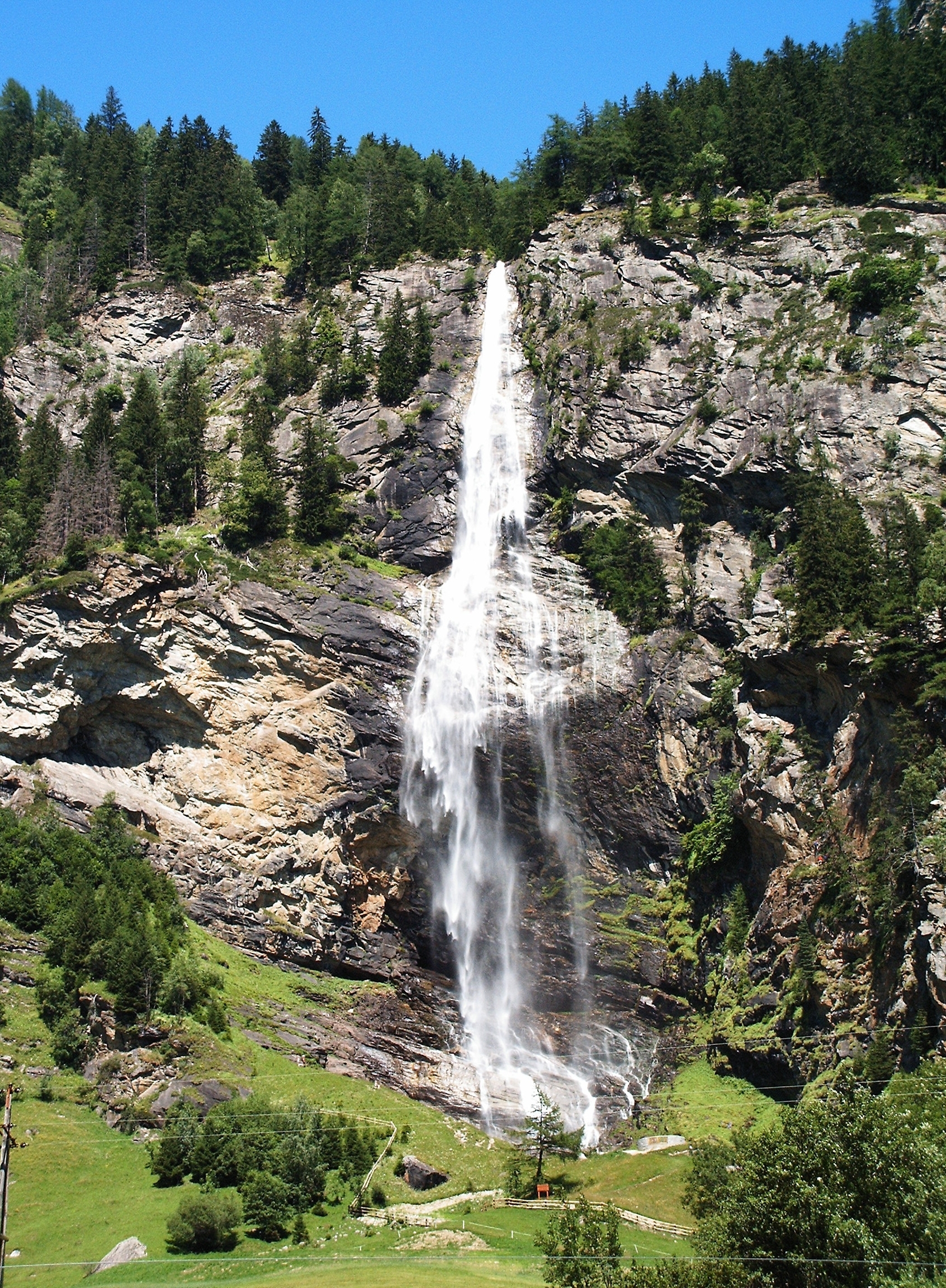
Fallbach Waterfall – A Hidden Alpine Gem in Carinthia, Austria
Fallbach (German for “fall stream”) is a dramatic 220‑meter cascade tucked away in the rugged terrain of Gmuend, a small settlement in Carinthia, Austria. With its crystal‑clear water plunging down a sheer cliff, the waterfall offers a perfect blend of natural power and Alpine serenity—making it an increasingly popular stop for hikers, photographers, and anyone craving an authentic Austrian wilderness experience.
If you’re planning a trip to the Austrian Alps, add Fallbach to your itinerary and discover why this lesser‑known waterfall is quickly becoming a must‑see destination for nature lovers across Europe.
About Fallbach
A Brief Description
Fallbach is a 220‑meter high waterfall that tumbles into a deep, moss‑lined gorge. The water originates from the surrounding alpine catchments and descends in a single, uninterrupted sheet, creating a spectacular mist that often forms rainbows on sunny days. The exact altitude of the cascade is not publicly documented, but the surrounding landscape sits well above 1,000 m, offering panoramic views of the Carinthian mountains.
Historical and Cultural Significance
While the waterfall itself has not been the subject of extensive historical records, it is part of the broader Carinthian waterway network that has shaped local settlement patterns for centuries. The name “Fallbach” appears in regional maps and is referenced in the German‑language Wikipedia entry for “Fallbach (Malta)”, indicating the term’s common usage for alpine streams throughout Austria.
The waterfall also plays a subtle role in local folklore, where mountain streams are often associated with myths of hidden spirits and protective deities. Though specific legends about Fallbach are scarce, the reverence for water in Carinthian culture adds an intangible charm to any visit.
Why It Matters
- Ecological hotspot – The misty environment supports unique mosses, lichens, and alpine flora.
- Photographic treasure – The vertical drop and surrounding cliffs make for striking long‑exposure shots.
- Adventure gateway – Its remote location encourages off‑the‑beaten‑path hiking, appealing to seasoned trekkers.
How to Get There
By Air
The nearest major airports are Klagenfurt Airport (KLU) and Salzburg Airport (SZG). From either airport, you can rent a car or take a regional train to the town of Gmuend.
By Train
ÖBB (Austrian Federal Railways) runs regular services from Klagenfurt and Salzburg to Villach, the regional hub. From Villach, transfer to a local bus heading toward Gmuend (line VILL‑GME).
By Car
Driving is the most flexible option. From Klagenfurt, follow the A10 (Tauern Autobahn) north to the B85 towards Gmuend. The route is well‑signposted, and you’ll enjoy scenic Alpine vistas along the way. Parking is available at the Gmuend Trailhead, a small lot just a few minutes’ walk from the waterfall’s base.
Coordinates
For GPS navigation, enter the exact coordinates: 46.984728, 13.470260. This will bring you directly to the trailhead parking area.
Best Time to Visit
| Season | Conditions | Why Visit |
|---|---|---|
| Spring (April‑May) | Snowmelt boosts water flow; cooler temperatures. | The waterfall is at its most powerful, and wildflowers begin to bloom along the trail. |
| Summer (June‑August) | Warm, sunny days; longer daylight hours. | Ideal for photography and comfortable hiking; occasional rain showers add extra mist for rainbows. |
| Autumn (September‑October) | Leaves turn golden; water levels moderate. | The surrounding forest displays vibrant colors, creating a spectacular backdrop. |
| Winter (November‑March) | Snow and ice may cover the trail; limited access. | For experienced winter trekkers, the frozen cascade offers a dramatic, icy landscape. |
Peak season is July and August, when visitor numbers are highest. If you prefer solitude, aim for early May or late September.
What to Expect
The Trail Experience
The hike to Fallbach is moderately challenging. From the Gmuend parking area, a well‑maintained footpath leads through a mixed forest of beech and pine, gradually gaining elevation. Expect a 2‑kilometer round‑trip with some steep sections and occasional rocky footing. The trail is marked with the standard Austrian red‑white signposts.
Sensory Highlights
- Sound – The roar of water grows louder as you approach, providing a natural soundtrack that drowns out city noise.
- Sight – The sheer drop of 220 m is visible from several viewpoints; the best photo spot is at the lower viewing platform, where you can capture the full height against the sky.
- Touch – A fine mist often reaches the trail, refreshing hikers on warm days.
- Smell – The air is scented with pine and damp earth, a classic Alpine aroma.
Facilities
There are no commercial facilities directly at the waterfall. However, the nearby village of Gmuend offers a small café and restroom facilities. Bring water, snacks, and appropriate gear, especially if you plan to explore beyond the main viewpoint.
Nearby Attractions
While Fallbach is the star of the day, the surrounding area boasts several other natural wonders worth adding to your itinerary:
-
Gössfall Waterfall – Just 1.3 km away, this smaller cascade offers a tranquil spot for a quick picnic.
Learn more about Gössfall -
Gössfall Waterfall (alternative viewpoint) – Another access point 1.4 km from Fallbach, perfect for hikers seeking a different perspective.
-
Gössfall Waterfall (upper trail) – Located 1.7 km away, this trail leads to the upper reaches of the Gössfall stream, ideal for avid trekkers.
-
Local Weir – A historic weir situated 1.3 km from Fallbach, showcasing traditional Alpine water management.
-
Fallbach (Salzburg) – A separate waterfall named Fallbach in the neighboring state of Salzburg, 1.9 km away. While not the same cascade, it’s an interesting side‑trip for those exploring the broader region.
All these sites are reachable on foot or by a short drive, making them perfect for a full‑day adventure in Carinthia’s alpine heart.
Travel Tips
| Tip | Details |
|---|---|
| Footwear | Wear sturdy hiking boots with good ankle support; the trail can be slippery near the water. |
| Clothing | Layered clothing is essential. A lightweight rain jacket protects against sudden Alpine showers. |
| Timing | Arrive early (before 9 am) during summer to avoid crowds and capture soft morning light for photos. |
| Safety | Stay on marked paths. The rocks near the waterfall can be wet and slick. |
| Photography | Use a tripod for long‑exposure shots of the falling water; a polarizing filter helps reduce glare. |
| Leave No Trace | Pack out all trash, respect wildlife, and stay on designated trails to preserve the area’s pristine condition. |
| Local Cuisine | After the hike, try a traditional Carinthian dish like Kärntner Kasnocken (cheese dumplings) at the Gmuend café. |
| Currency | Austria uses the Euro (€). Credit cards are widely accepted, but carry some cash for small village shops. |
| Language | German is the official language; most locals in tourist areas speak English. Learning a few German greetings (e.g., “Grüß Gott”) is appreciated. |
| Connectivity | Mobile coverage is generally good in Gmuend, but signal may drop near the waterfall. Download offline maps beforehand. |
Final Thoughts
Fallbach waterfall may not yet have the fame of Austria’s iconic Krimml or Dettifoss falls, but its raw beauty, towering 220‑meter drop, and serene Alpine setting make it a standout destination for any traveler exploring Carinthia. Whether you’re chasing the perfect waterfall photograph, seeking a peaceful escape from city life, or simply yearning to feel the mist on your face, Fallbach delivers an unforgettable experience.
Pack your hiking boots, charge your camera, and set your GPS to 46.984728, 13.470260—the adventure of a lifetime awaits in the heart of the Austrian Alps. Safe travels!
