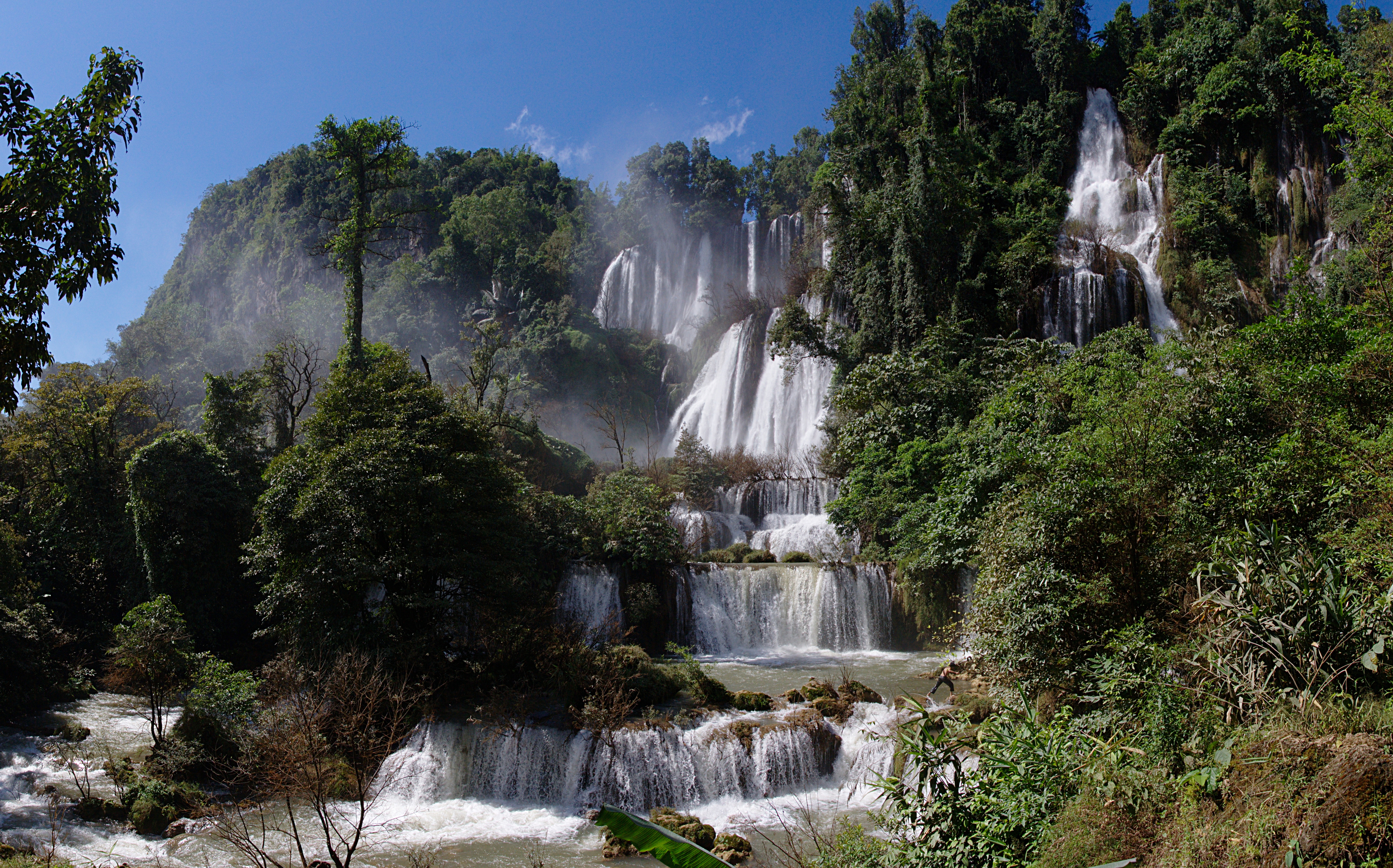
น้ำตกทีลอซู (Thi Lo Su Waterfall) – Thailand’s Majestic Hidden Gem
If you’re chasing the roar of a waterfall that drops like a curtain of silver from the sky, look no further than น้ำตกทีลอซู, the towering 250‑meter cascade tucked away in the rugged wilderness of Umphang, Tak Province. This guide will take you through everything you need to know to experience Thailand’s most spectacular waterfall – from getting there and the best time to visit, to nearby attractions and insider travel tips.
1. Introduction
Imagine standing at the edge of a forest, the air thick with mist, and hearing a thunderous roar that seems to come from another world. That’s the moment you’ll feel at น้ำตกทีลอซู (Thi Lo Su Waterfall), the highest waterfall in Thailand and one of Southeast Asia’s most awe‑inspiring natural wonders. With a vertical drop of 250 meters, it dwarfs most other Thai cascades and offers a raw, untouched beauty that makes the trek feel like an adventure straight out of a travel documentary.
Whether you’re a seasoned trekker, a photography enthusiast, or simply a nature lover seeking a slice of serenity, Thi Lo Su promises an unforgettable experience that will linger in your memory long after you leave the mist‑kissed forest floor.
2. About น้ำตกทีลอซู
Description & Geography
- Location: Umphang District, Tak Province, Thailand
- Coordinates: 15.926544 N, 98.753057 E
- Height: 250 m (≈ 820 ft) – the tallest waterfall in the country
- Type: Tiered waterfall (multiple drops) that plunges into a deep, emerald pool
Thi Lo Su is part of the Mae Klong River system. The water originates from the highlands of the Tenasserim Range, gathering volume from numerous tributaries before plunging dramatically over a sheer cliff. The cascade creates a permanent veil of spray, which fuels a lush micro‑climate of mosses, ferns, and tropical orchids that cling to the surrounding rocks.
History & Significance
The name “Thi Lo Su” (Thai: ทีลอซู) is believed to derive from the local Karen language, reflecting the waterfall’s deep cultural roots among the indigenous hill‑tribe communities. Historically, the waterfall served as a natural landmark for traders and travelers navigating the dense forests of western Thailand.
In recent decades, Thi Lo Su has gained international recognition, featuring in travel guides and nature documentaries as a must‑see waterfall in Thailand. Its remote location has helped preserve its pristine condition, making it a symbol of Thailand’s commitment to protecting its natural heritage.
For a concise overview, see the Wikipedia entry: https://en.wikipedia.org/wiki/Thi_Lo_Su_Waterfall.
3. How to Get There
Reaching น้ำตกทีลอซู requires a blend of road travel, a short boat ride, and a light trek – a journey that adds to the sense of adventure.
| Step | Details | Tips |
|---|---|---|
| 1. Fly or take a train to Bangkok | Most international visitors start in Bangkok. | Use Suvarnabhumi (BKK) or Don Mueang (DMK) airports. |
| 2. Travel to Tak Province | From Bangkok, take a domestic flight to Tak Airport (if available) or a long‑distance bus to Tak City (≈ 6‑7 hrs). | Buses from the Mo Chit Northern Bus Terminal are frequent and comfortable. |
| 3. Reach Umphang town | From Tak, catch a local minibus or hire a 4WD vehicle to Umphang (≈ 2‑3 hrs on a winding mountain road). | The road is rough; a 4WD is highly recommended, especially during the rainy season. |
| 4. Drive to the waterfall entrance | Park at the designated Thi Lo Su Visitor Center (coordinates 15.926544, 98.753057). | There is a small entrance fee that supports park maintenance. |
| 5. Boat crossing | A short motorized boat takes you across the river to the base of the falls (≈ 5‑10 minutes). | Boats operate year‑round, but wait times can increase during peak season. |
| 6. Short trek | A well‑marked trail leads from the landing point to the viewing platforms (≈ 15‑20 minutes). | Wear sturdy shoes; the path can be slippery from spray. |
Important: Mobile network coverage is limited in the forest. Carry a physical map or download offline maps beforehand.
4. Best Time to Visit
| Season | Weather | Visitor Experience |
|---|---|---|
| Cool/Dry (Nov – Feb) | Mild temperatures (20‑25 °C), clear skies | Ideal for photography, less humidity, lower river flow makes boat crossing smoother. |
| Hot (Mar – May) | Warm, occasional haze | Water flow is moderate; still safe, but bring extra sun protection. |
| Rainy (Jun – Oct) | Frequent showers, higher water volume | The waterfall is at its most powerful, creating spectacular mist, but trails can be muddy and boat schedules may be disrupted. |
Top Recommendation: Visit during the cool/dry season (November to February) for optimal visibility, comfortable trekking conditions, and a higher chance of clear skies.
5. What to Expect
The Sensory Experience
- Visuals: A massive curtain of water plunges 250 m, creating a thunderous white plume that disappears into a turquoise pool. The surrounding forest glistens with droplets, offering endless photo opportunities.
- Sounds: The roar of the falls is audible from the viewing platform, providing a natural soundtrack that drowns out city noise.
- Smell: Fresh, earthy scents of rain‑kissed foliage fill the air, mixed with a subtle hint of river musk.
- Touch: If you brave the mist, the cool spray instantly refreshes you, especially on a warm day.
Facilities
- Viewing Platforms: Two wooden decks give panoramic views – one at the base and another higher up for a bird’s‑eye perspective.
- Restrooms: Basic facilities are available near the visitor center.
- Refreshments: Small stalls sell bottled water, snacks, and local fruit.
Wildlife
While the primary focus is the waterfall, keep an eye out for colorful bird species, monitor lizards, and occasional monkey troops that inhabit the forest canopy.
6. Nearby Attractions
After you’ve soaked in the majesty of Thi Lo Su, explore other natural gems within a short drive:
- Unnamed Waterfall (0.4 km) – A quick side‑trip to a smaller cascade just a few minutes away.
- Ko Tha Waterfall – 9.4 km from Thi Lo Su, this waterfall offers a more secluded setting and a gentle swimming hole.
- น้ำตกทีลอจ่อ – 11.1 km away, another impressive waterfall that’s less visited, perfect for quiet contemplation.
- Hot Spring – 13.1 km from the main site, unwind in natural thermal waters that are said to have therapeutic properties.
- [Local Dam] – 14.7 km away, an engineering landmark that provides scenic views of the reservoir and surrounding hills.
All attractions can be reached by the same 4WD vehicle used to get to Thi Lo Su. Consider hiring a local driver for the day to maximize flexibility.
7. Travel Tips
| Tip | Why It Matters |
|---|---|
| Book a 4WD in advance | The mountain road to Umphang is rugged; reliable transport prevents delays. |
| Carry cash | Entrance fees, boat tickets, and stall purchases are cash‑only. |
| Dress in layers | Morning can be cool, while midday becomes warm; a light jacket helps. |
| Pack waterproof gear | The mist can soak clothing quickly; a rain jacket or poncho protects your gear. |
| Bring a reusable water bottle | Staying hydrated is essential, especially during hikes. |
| Respect the environment | Stick to marked trails, avoid littering, and follow local guidelines to preserve the pristine forest. |
| Check weather forecasts | During the rainy season, sudden downpours can make the trail hazardous. |
| Hire a local guide (optional) | Guides can share cultural stories about the Karen people and point out hidden flora/fauna. |
| Leave early | Arriving at sunrise gives you the best light for photos and a quieter experience before the day‑time crowds. |
| Secure travel insurance | Adventure travel in remote areas benefits from coverage for medical emergencies and trip interruptions. |
Final Thoughts
น้ำตกทีลอซู isn’t just a waterfall; it’s a living postcard of Thailand’s wild heart. Its towering drop, mist‑filled air, and surrounding jungle create a sensory masterpiece that rewards every ounce of effort it takes to get there. By planning ahead, respecting the environment, and embracing the journey, you’ll walk away with stories, photos, and a profound appreciation for one of Southeast Asia’s most spectacular natural wonders.
Pack your boots, charge your camera, and let the roar of Thi Lo Su guide you to an unforgettable adventure in Tak, Thailand.