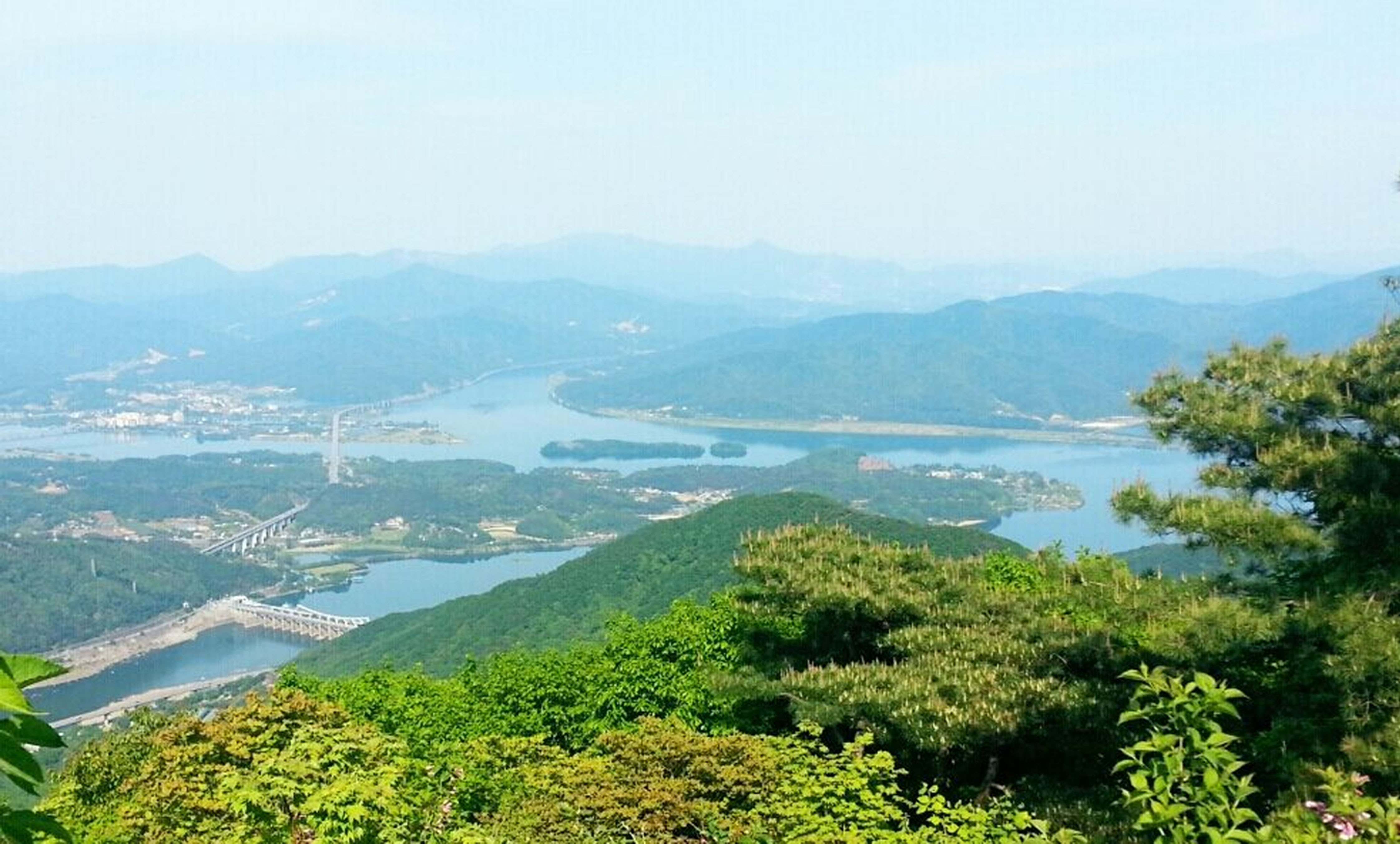
팔당댐 (Paldang Dam) – A Hidden Gem in Gyeonggi‑do, South Korea
Explore the tranquil waters, stunning scenery, and nearby natural springs that make 팔당댐 a must‑visit destination for travelers seeking a peaceful escape from the city.
1. Introduction
If you’ve ever wandered along the Han River and dreamed of a spot where modern engineering meets nature’s serenity, 팔당댐 (Paldang Dam) is the answer. Nestled in the city of Hanam, Gyeonggi‑do, this impressive dam offers panoramic lake views, crisp mountain air, and a handful of hidden springs just a short drive away. Whether you’re a photography enthusiast, a family looking for a day‑trip, or a solo traveler craving a quiet spot to reflect, 팔당댐 delivers a unique blend of scenic beauty and cultural significance that’s still under the radar for many international visitors.
2. About 팔당댐
A Brief Overview
- Name: 팔당댐 (Paldang Dam)
- Type: Dam 🏗️
- Location: Hanam, Gyeonggi‑do, South Korea
- Coordinates: 37.526485, 127.279218
Built to regulate the flow of the Han River, 팔당댐 plays a crucial role in flood control, water supply, and hydro‑electric power generation for the Seoul metropolitan area. While the exact height and altitude of the dam are not publicly disclosed, its massive concrete structure stretches across the river, creating the expansive Paldang Reservoir—the largest artificial lake in the region.
Historical Significance
Construction of 팔당댐 began in the early 1970s as part of South Korea’s rapid industrialization and urban development plan. The dam was officially completed in 1976, marking a turning point for water management in the capital’s hinterland. Over the decades, the reservoir has become a beloved recreational spot, offering fishing, boating, and scenic walking trails that attract locals and tourists alike.
Why It Matters
- Water Security: Supplies drinking water to millions of residents in Seoul and surrounding cities.
- Flood Mitigation: Controls seasonal floods that once devastated the Han River basin.
- Recreation: Provides a tranquil setting for picnics, sunrise watching, and water sports.
For a concise history and technical details, check the Korean Wikipedia entry: 팔당댐 (Wikipedia).
3. How to Get There
By Public Transportation
| Mode | Route | Approx. Time | Cost |
|---|---|---|---|
| Subway + Bus | Take Seoul Subway Line 5 to Hanam City Hall Station (한남시청역). Transfer to Gyeonggi Bus #720 toward Paldang Dam. | 1 hour 30 min (Seoul → Hanam) + 20 min (bus) | ₩1,350 (subway) + ₩1,200 (bus) |
| Express Bus | From Seoul Express Bus Terminal (Seoul‑Seobu), board the Gyeonggi‑Hanam Express (Bus 7700) directly to the dam’s visitor center. | 1 hour 15 min | ₩2,500 |
By Car
- From Seoul: Take Olympic Highway (Olympic Expressway, Route 60) → Hanam Exit → follow signs for 팔당댐.
- Parking: A spacious free‑parking lot is available near the main observation deck and the visitor center.
By Taxi / Ride‑Sharing
A taxi ride from central Seoul (e.g., Myeongdong) costs roughly ₩45,000–₩55,000 and takes about 45 minutes depending on traffic.
4. Best Time to Visit
| Season | Highlights | Weather Tips |
|---|---|---|
| Spring (Mar–May) | Cherry blossoms line the reservoir’s edge; gentle breezes make boat rides pleasant. | Light jacket; occasional rain. |
| Summer (Jun–Aug) | Warm water invites kayaking and paddle‑boarding; evening festivals are common. | Sunscreen, hat, stay hydrated. |
| Autumn (Sep–Nov) | Fiery foliage reflects on the lake, creating postcard‑perfect sunsets. | Light sweater; crisp mornings. |
| Winter (Dec–Feb) | Snow‑capped hills create a serene, almost mystical atmosphere; perfect for quiet walks. | Warm coat, gloves; some facilities may have limited hours. |
Peak visitation occurs during the cherry‑blossom season (late April) and the autumn foliage period (mid‑October). Arriving early in the morning helps you avoid crowds and capture the best light for photography.
5. What to Expect
Scenic Views
- Observation Deck: Panoramic vistas of the reservoir, the surrounding mountains, and the distant Seoul skyline.
- Sunrise Spot: The east‑facing platform offers a breathtaking sunrise over the water, especially vivid during the dry season.
Activities
- Boat Rentals: Small electric boats and paddle‑boards are available near the main dock (seasonal).
- Fishing: Designated fishing zones allow you to try catching carp, bass, and other local species.
- Walking Trails: A 4‑km loop trail circles the lake, featuring interpretive signs about the dam’s engineering and local ecology.
Facilities
- Visitor Center: Interactive exhibits, restrooms, a small café serving traditional Korean tea and snacks.
- Picnic Areas: Shaded tables and grills (bring your own charcoal) are scattered along the shoreline.
- Restrooms & Wi‑Fi: Clean public restrooms and free Wi‑Fi are available at the visitor center.
Overall, the atmosphere is relaxed and family‑friendly, with plenty of opportunities for both active exploration and quiet contemplation.
6. Nearby Attractions
A short drive from 팔당댐 brings you to several natural springs and fountains that add extra charm to your day trip. Below are the top spots, each less than 6 km away:
| Attraction | Distance | What to See | Link |
|---|---|---|---|
| 약수터 (Spring) | 3.2 km | Crystal‑clear spring water, perfect for a short hike. | — |
| 곱돌약수터 (Spring) | 3.2 km | Rocky terrain surrounding a pristine spring; great for photography. | — |
| (Fountain) | 4.4 km | A decorative water fountain set within a small park. | — |
| 샘 (Saem) (Spring) | 4.9 km | A tranquil spring tucked in a forested area, ideal for meditation. | — |
| (Fountain) | 5.5 km | Larger public fountain with seating, popular with locals. | — |
Tip: Combine a visit to 팔당댐 with a spring‑hopping tour—start at the dam in the morning, then explore the nearby springs in the afternoon. Pack a light snack and a reusable water bottle to stay refreshed.
7. Travel Tips
- Check the Weather Forecast – The dam’s lakeside can get windy, especially in late spring and early autumn. Dress in layers.
- Arrive Early – Sunrise photographers and families seeking quiet spots should aim for a 7 am arrival.
- Bring Cash – While most vendors accept cards, some small kiosk stalls near the springs only take cash.
- Respect the Environment – The area is a protected water source. Avoid littering and refrain from swimming in restricted zones.
- Use a Portable Charger – Free Wi‑Fi is limited to the visitor center; a power bank ensures your phone stays charged for navigation and photos.
- Rent a Bike – Bike rentals are available at the nearby Hanam Sports Park; cycling the lake loop offers a fresh perspective on the dam’s architecture.
- Cultural Etiquette – When visiting the springs, it’s customary to bow slightly as a sign of respect for the natural water source.
Final Thoughts
팔당댐 may not have the fame of Seoul’s bustling landmarks, but its blend of engineering marvel, natural beauty, and nearby hidden springs makes it a rewarding destination for any traveler exploring Gyeonggi‑do. Whether you’re chasing sunrise reflections, paddling across a tranquil reservoir, or simply soaking in the calm of a mountain‑side spring, the dam offers a refreshing escape that captures the heart of South Korea’s lesser‑known treasures. Pack your camera, hop on a bus or drive up the highway, and let 팔당댐 surprise you with its quiet grandeur. Safe travels!