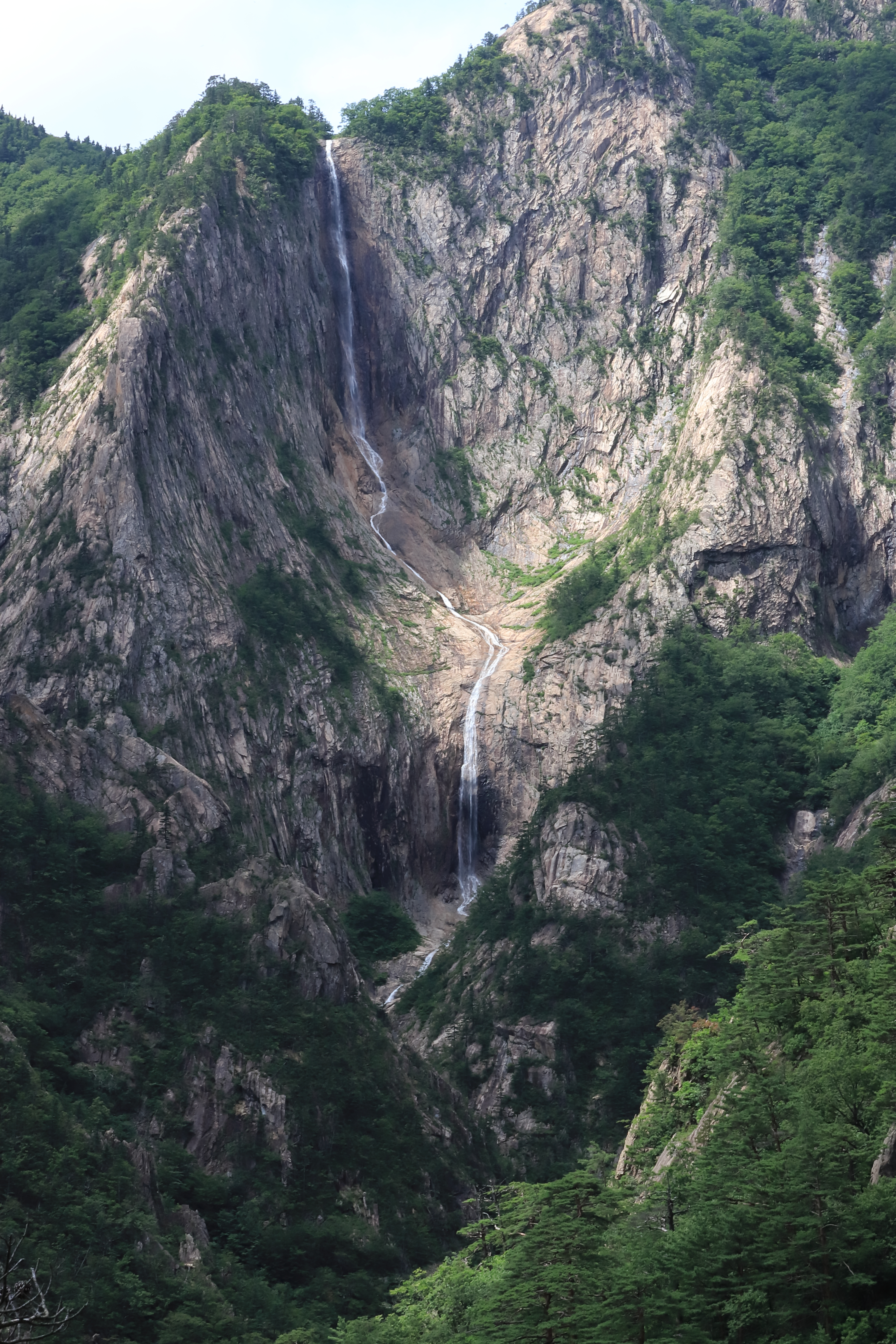
토왕성폭포 (Tokwangseong Waterfall) – A Hidden Gem in Sokcho, Gangwon‑do
Discover the serene beauty of one of Seoraksan’s lesser‑known waterfalls, perfect for nature lovers and adventure seekers alike.
1. Introduction
If you’ve trekked the famous Biryong Falls or stood beneath the thunderous Yukdam Waterfall, you’ve already tasted the wild charm of Gangwon‑do’s mountain streams. Yet, tucked away at an altitude of 575 m on the slopes of Seoraksan National Park lies a quieter, almost mystical cascade: 토왕성폭포 (Tokwangseong Waterfall).
Unlike the crowded tourist spots, Tokwangseong invites you to pause, listen to the gentle roar of water, and soak in the forest’s emerald canopy. Whether you’re a seasoned hiker, a photography enthusiast, or simply seeking a peaceful retreat, this waterfall offers a uniquely Korean wilderness experience that’s still off the mainstream radar.
2. About 토왕성폭포
Description
Tokwangseong Waterfall is a natural waterfall situated in Sokcho, Gangwon‑do, South Korea. Its exact height remains undocumented, adding an element of intrigue to the site. The water tumbles over rugged granite, forming a thin veil that glistens in the sunlight before disappearing into a crystal‑clear pool below. The surrounding forest is a mix of pine, oak, and the iconic Korean fir, creating a lush backdrop that changes color with each season.
History & Significance
The waterfall is part of the broader Seoraksan (설악산) ecosystem, a region celebrated for its spiritual and cultural heritage. While historical records specific to Tokwangseong are scarce, the name itself—토왕성—evokes ancient Korean folklore, hinting at a possible connection to local legends of mountain spirits and guardian deities.
In Korean hiking culture, waterfalls such as Tokwangseong serve as natural rest points, offering hikers a place to hydrate, stretch, and reflect. The site is also a modest yet cherished spot for local photographers who capture the interplay of light, water, and foliage.
For a deeper dive into the waterfall’s background, see the Korean Wikipedia entry: 설악산 토왕성폭포.
3. How to Get There
By Air & Train
-
Incheon International Airport → Sokcho
* Fly into Incheon, then take an intercity bus (express bus 710) from Seoul Express Bus Terminal to Sokcho (≈ 2.5 hours). -
KTX → Gangneung → Sokcho
* Ride the KTX to Gangneung Station (≈ 2 hours from Seoul). From Gangneung, catch a local bus or a taxi to Sokcho (≈ 1 hour).
From Sokcho to the Trailhead
- Public Bus: Take Sokcho City Bus #202 (Sokcho‑Seoraksan) and alight at the Seoraksan National Park Entrance (Seorak‑dong) stop. The bus runs every 30 minutes during peak season.
- Taxi: A 10‑minute ride from downtown Sokcho to the trailhead costs about ₩12,000–₩15,000.
Hiking to Tokwangseong
- Start at the Seorak‑dong Visitor Center (coordinates: 38.154411, 128.494917).
- Follow the Seoraksan Trail signs toward Biryong Falls. After passing Biryong (≈ 1 km), continue on the well‑marked forest path for another 500 m.
- Look for a side trail marked “토왕성폭포” – a short, gentle ascent leads you directly to the waterfall’s viewing platform.
The entire hike from the entrance to Tokwangseong takes 45–60 minutes at a moderate pace, making it an ideal half‑day outing.
4. Best Time to Visit
| Season | What to Expect | Why It’s Ideal |
|---|---|---|
| Spring (April‑June) | Fresh blossoms, moderate temperatures (10‑20 °C), water flow increasing from snowmelt. | The forest is vibrant, and the waterfall is lively yet not overcrowded. |
| Summer (July‑August) | Warm weather, lush green canopy, higher water volume. | Ideal for cooling off in the pool at the base, but bring rain gear for occasional showers. |
| Autumn (September‑October) | Brilliant foliage (red, orange, gold), crisp air, lower humidity. | Photographers love the contrast of colorful leaves against the white water. |
| Winter (November‑March) | Snow‑covered landscape, icy mist, reduced visitor numbers. | For the adventurous, the waterfall can develop a delicate ice veil—just wear proper boots and layers. |
Overall, late spring to early autumn offers the most comfortable hiking conditions and the most photogenic scenery.
5. What to Expect
The Trail Experience
- Terrain: A mix of well‑paved stone steps and natural forest paths. The incline is gentle, suitable for most fitness levels.
- Flora & Fauna: Expect to see Korean pine, maple, and azalea. Birdwatchers may spot the Korean magpie or the elusive brown hawk‑owl.
At the Waterfall
- Visuals: The cascade forms a slender, silvery ribbon that fans out over a moss‑covered rock face. Sunlight filtering through the trees creates a shimmering “rainbow” effect.
- Sounds: The constant, soothing rush of water provides a natural white‑noise backdrop—perfect for meditation or a quiet picnic.
- Facilities: A modest wooden bench and a small information board (in Korean) are available. No restrooms are on site, so plan accordingly.
Photography Tips
- Golden Hour: Arrive early (sunrise) or late (sunset) for warm, low‑angle light that highlights the water’s texture.
- Long Exposure: Use a tripod and a neutral density filter to capture silky water effects.
- Framing: Incorporate surrounding trees or the distant Seoraksan peaks to add depth to your shots.
6. Nearby Attractions
While Tokwangseong is the star of the day, the surrounding area offers several other natural wonders within a short walk:
| Attraction | Distance from Tokwangseong | Type | Quick Link |
|---|---|---|---|
| Biryong Falls (비룡폭포) | 1.0 km | Waterfall | Biryong Falls |
| Yukdam Waterfall (육담폭포) | 1.2 km | Waterfall | Yukdam Waterfall |
| Seorak‑dong District (설악산국립공원 설악동지구) | 2.0 km | Park Area | Seoraksan National Park |
| Oryeon Falls (오련폭포) | 2.2 km | Waterfall | Oryeon Falls |
These spots can be combined into a 2‑day waterfall circuit: start at Tokwangseong, head to Biryong, then loop to Yukdam and Oryeon before returning to Sokcho for a night in the city.
7. Travel Tips
| Tip | Details |
|---|---|
| Dress in Layers | Mountain weather changes quickly; bring a light jacket even in summer. |
| Footwear | Sturdy, waterproof hiking shoes with good grip are essential for slippery rocks. |
| Hydration & Snacks | Carry at least 1 L of water and energy bars; there are no vending machines on the trail. |
| Leave No Trace | Pack out all trash, stay on marked paths, and respect wildlife. |
| Timing | Arrive early (7–8 am) on weekends to avoid the small crowds that gather near Biryong Falls. |
| Connectivity | Mobile signal can be spotty; download offline maps (e.g., Naver Map or Google Maps offline). |
| Safety | In winter, icy sections can be hazardous. Consider bringing microspikes or trekking poles. |
| Cultural Respect | The area holds spiritual significance for locals; speak softly and avoid loud music. |
| Currency | Most small vendors in Sokcho accept credit cards, but keep some cash (₩) for bus fares. |
| Emergency | Dial 119 for ambulance or fire services; the nearest medical center is Sokcho City Hospital (≈ 15 km). |
Final Thoughts
Tokwangseong Waterfall may not have the towering height of some world‑famous cascades, but its quiet charm, accessible location, and surrounding natural splendor make it a must‑visit for anyone traveling through Gangwon‑do. Pair it with the nearby waterfalls for a full‑day immersion in Seoraksan’s pristine wilderness, and you’ll leave with memories of mist‑kissed air, the gentle lull of flowing water, and the satisfaction of discovering a hidden treasure off the beaten path.
Pack your boots, charge your camera, and let Tokwangseong’s serene cascade guide you into the heart of Korea’s mountainous soul. 🌊🏞️

