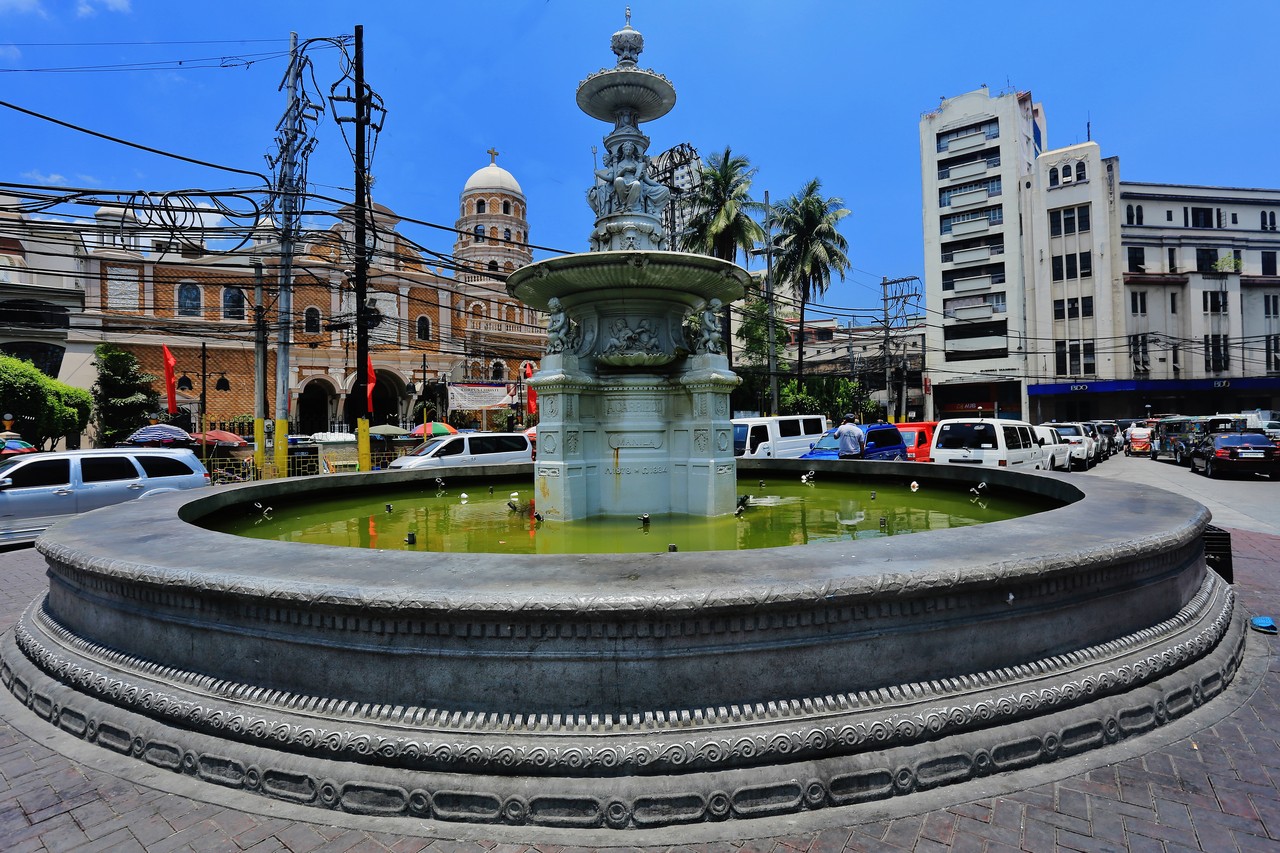
Carriedo Fountain – Manila’s Historic Waterworks Jewel
Discover the story, the sights, and the surrounding charm of the Carriedo Fountain, a must‑see landmark in Quiapo, Metro Manila.
Introduction
If you think Manila’s bustling streets are all traffic and skyscrapers, you’ve missed one of the city’s most poetic reminders of its past: the Carriedo Fountain. Nestled in the heart of Quiapo, this 19th‑century water fountain has been quietly witnessing the ebb and flow of Filipino life for over a century. Whether you’re a history buff, a photography enthusiast, or simply wandering the city looking for hidden gems, the Carriedo Fountain offers a splash of nostalgia that’s hard to find elsewhere in Metro Manila.
About Carriedo Fountain
A Brief History
The Carriedo Fountain (Filipino: Batis ng Carriedo) was erected in 1882 as a tribute to Don Francisco Carriedo y Peredo, a Spanish‑Filipino philanthropist who bequeathed a substantial sum to the Spanish colonial government for Manila’s water supply. His donation helped fund the Manila Waterworks System, the first modern plumbing network that brought clean water to the city’s residents.
Originally located near the old Manila Waterworks building, the fountain was later moved to its present site at the intersection of Calle San Fernando (now San Fernando Street) and Calle San Juan (now San Juan Street) in Quiapo. The structure itself is a classic example of Neoclassical design, featuring ornate stone balustrades, a central basin, and a modest pedestal that once supported a bronze statue of a water nymph—now lost to time.
Cultural Significance
Beyond its functional origins, the Carriedo Fountain has become a symbol of Manila’s resilience. Throughout the American period, World War II, and the rapid urbanization that followed, the fountain remained a gathering point for locals, street vendors, and commuters. Its presence reminds us that even in a megacity, public water sources once served as communal spaces where stories were exchanged over a simple sip of water.
Today, the fountain is protected as a heritage structure by the National Historical Commission of the Philippines, ensuring that future generations can still glimpse the city’s colonial past amidst the modern hustle.
How to Get There
By Public Transport
| Mode | Details | Approx. Time |
|---|---|---|
| LRT‑1 | Get off at Carriedo Station (the station is actually named after the fountain). Exit toward Quiapo and walk straight for about 300 m. | 5 min walk |
| Jeepney | Look for routes that display “Quiapo” or “Carriedo” on the front board. Most jeepneys traveling the San Fernando–Quiapo corridor stop near the fountain. | 2–3 min walk from stop |
| UV Express / Buses | Buses plying Taft Avenue ↔ Quiapo often drop passengers at Plaza Miranda; from there it’s a short 7‑minute walk north along San Juan Street. | 7 min walk |
By Taxi / Ride‑Hailing
Simply type “Carriedo Fountain, Quiapo” into your app. Most drivers recognize the landmark because the nearby LRT‑1 station shares the same name. Expect moderate traffic during peak hours (7–9 am, 5–7 pm).
By Car
Parking is limited in Quiapo’s narrow streets. The safest option is to use public parking lots near Plaza Miranda or Quiapo Church, then walk the remaining distance. Remember that Manila’s traffic can be unpredictable—allow extra time if you’re on a tight schedule.
Best Time to Visit
| Season | Why It Works |
|---|---|
| Dry Season (December – May) | Clear skies and cooler evenings make for great photography. The fountain’s stonework shines under natural light, and there’s less chance of rain disrupting your stroll. |
| Early Morning (6 am – 9 am) | Fewer crowds, cooler temperatures, and a soft golden glow that highlights the fountain’s details. Perfect for those who love a quiet, contemplative start. |
| Evening (6 pm – 8 pm) | The surrounding streetlights create a subtle illumination, giving the fountain a romantic ambiance. Nearby cafés open their patios, allowing you to enjoy a snack while watching locals gather. |
Tip: Avoid the monsoon months of June to November if you dislike sudden downpours; the area can become slippery, and the fountain’s basin may be less visible.
What to Expect
When you arrive, you’ll find the Carriedo Fountain set within a modest public plaza flanked by historic shophouses and the bustling Quiapo market. The stone basin, though modest in size, is surrounded by decorative balustrades that echo the grandeur of Manila’s colonial era.
- Atmosphere: A lively mix of street vendors selling kakanin (Filipino sweets), commuters hurrying to work, and locals gathering for a quick drink or a chat.
- Sounds: The gentle trickle of water, the hum of traffic, and the occasional chant of a nearby church bell.
- Photo Opportunities: Capture the fountain from low angles to emphasize its stone texture, or frame it against the colorful facades of surrounding buildings for a vibrant street‑scene shot.
Because the fountain’s height and altitude are not officially recorded, focus instead on the historical context and the human stories that unfold around it. You’ll often see elderly residents recounting tales of Manila’s “old days,” while younger tourists snap selfies with the iconic backdrop.
Nearby Attractions
While you’re in the vicinity, make the most of your visit by exploring other fountain‑centric spots and cultural sites within walking distance:
| Distance | Attraction | Why Visit |
|---|---|---|
| 0.1 km | [Fountain A] – (exact name unavailable) | A tiny ornamental fountain tucked behind a historic bakery; perfect for a quick photo break. |
| 0.4 km | [Fountain B] – (exact name unavailable) | Located near a bustling market; enjoy fresh fruit juices while listening to local musicians. |
| 0.5 km | [Fountain C] – (exact name unavailable) | Surrounded by a small park; ideal for a brief rest on a bench. |
| 0.6 km | [Fountain D] – (exact name unavailable) | Features a modern design that contrasts nicely with Carriedo’s classic style. |
| 0.7 km | [Fountain E] – (exact name unavailable) | A hidden gem behind a heritage church; offers a quiet spot for reflection. |
Pro tip: Since the exact names of these nearby fountains are not listed, use a quick Google Maps search for “fountain near Carriedo Fountain, Manila” to pinpoint them on the day of your visit.
Other Must‑See Sites in Quiapo
- Quiapo Church (Minor Basilica of the Black Nazarene) – Just a 5‑minute walk away; home to the famed Black Nazarene statue.
- Plaza Miranda – A historic square buzzing with vendors selling everything from fresh flowers to vintage vinyl records.
- Divisoria Market – A short jeepney ride north; perfect for bargain hunting and street‑food adventures.
Travel Tips
- Dress Comfortably – Quiapo’s streets are often crowded and can get hot. Light clothing, comfortable walking shoes, and a hat will keep you cool.
- Stay Hydrated – While the fountain is a historic water source, it’s not potable. Carry a reusable water bottle and refill it at nearby cafés.
- Mind Your Belongings – Like any busy urban area, pickpockets can be a concern. Keep wallets and phones in front pockets or a zippered bag.
- Respect Local Customs – The fountain area is frequented by elders who may be praying or resting. Keep noise levels moderate and avoid stepping on the stone balustrades.
- Cash is King – Many street vendors and small shops accept only cash. Have small bills and coins ready for snacks or souvenirs.
- Timing is Key – If you want to capture the fountain’s reflection without crowds, aim for early morning on a weekday.
- Use a Portable Charger – You’ll likely be snapping photos and using maps; a small power bank ensures your phone stays alive.
Wrap‑Up
The Carriedo Fountain may not be the tallest or most elaborate landmark in Manila, but its historical depth, central location, and everyday charm make it a compelling stop for any traveler exploring the Philippines’ capital. From its origins as a philanthropic water source to its current role as a communal gathering point, the fountain tells a story of Manila’s past, present, and hopeful future.
So next time you find yourself in Quiapo, pause at the fountain, listen to the water’s gentle murmur, and let the echoes of 19th‑century Manila wash over you. Happy travels!
Keywords: Carriedo Fountain, Quiapo Manila, Metro Manila travel guide, historic fountain Philippines, things to do in Quiapo, Manila heritage sites, Manila waterworks history, Manila tourist attractions, LRT‑1 Carriedo station, Philippines travel tips.