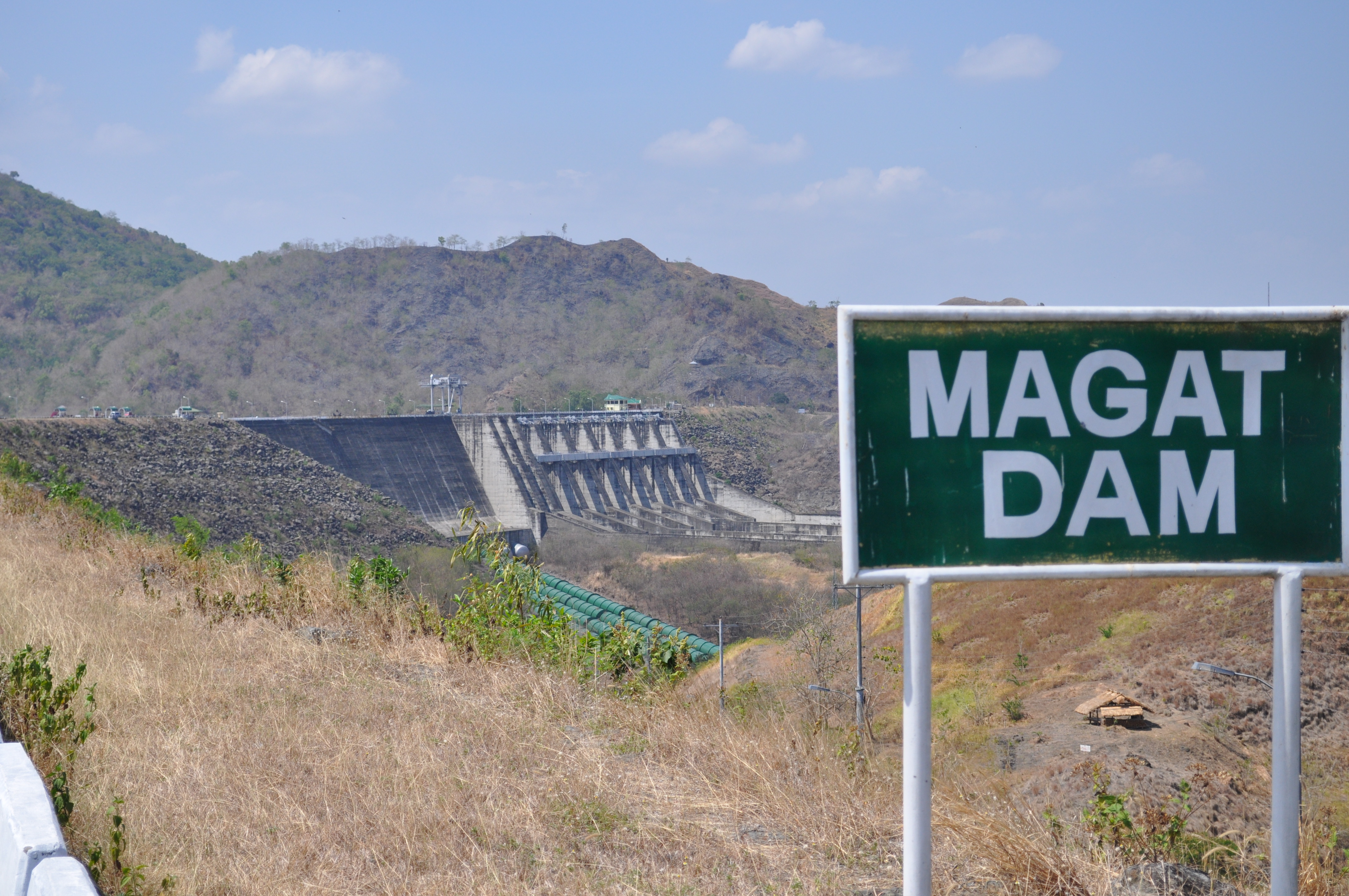
Magat Dam – The Hidden Jewel of Cordillera, Philippines
If you think the Philippines is only about white‑sand beaches and bustling cities, think again. Tucked away in the rugged highlands of the Cordillera region lies Magat Dam – a massive engineering marvel surrounded by mist‑cloaked mountains, emerald valleys, and a quiet charm that beckons adventurous travelers.
1. Introduction
Imagine standing on the edge of a sprawling reservoir, the water glimmering like a giant mirror under the early morning sun, while the distant peaks of the Cordillera rise majestically behind you. That’s the experience at Magat Dam, one of the Philippines’ largest dams and a pivotal piece of the nation’s hydro‑electric and irrigation infrastructure.
Beyond its functional importance, Magat Dam offers a serene escape for nature lovers, photographers, and anyone looking to explore the less‑traveled side of the Philippines. In this guide, we’ll dive into the dam’s history, how to get there, the best time to visit, what you’ll see on site, nearby attractions, and essential travel tips to make your trip smooth and unforgettable.
2. About Magat Dam
A Brief History
- Construction: The dam’s construction began in the mid‑1970s as part of the Upper Cagayan River Development Project, a joint effort between the Philippine government and international partners.
- Completion: By the early 1980s, the dam was fully operational, becoming a cornerstone of the country’s hydro‑electric power generation.
What Makes It Special
- Size & Capacity: Magat Dam is one of the largest dams in the Philippines, creating a reservoir that stretches over 20 kilometers and holds millions of cubic meters of water.
- Multi‑Purpose Function: It supplies irrigation water to vast agricultural lands in the Cagayan Valley, generates renewable electricity, and helps regulate river flow to mitigate flooding.
- Location: Situated at Potia, Cordillera, the dam sits at the coordinates 16.819443, 121.452821, offering panoramic views of the surrounding highlands.
While the exact height and altitude of the structure remain undisclosed, the sheer scale of the reservoir and the engineering feat it represents are evident the moment you arrive.
3. How to Get There
From Manila
- Fly to Tuguegarao (IATA: TUG) – Several daily flights connect Manila’s Ninoy Aquino International Airport to Tuguegarao City, the gateway to the Cagayan Valley.
- Rent a Car or Hire a Van – From Tuguegarao, it’s a 2‑hour, 120‑kilometer drive northward along the Pan‑Philippine Highway (AH26) to the town of Potia.
- Follow Local Signage – Look for signs pointing to “Magat Dam” or use a GPS app with the coordinates 16.819443, 121.452821.
From Nearby Cities
- From Baguio City: Take a bus heading to Ilagan, Isabela, then transfer to a local jeepney or van bound for Potia. The total travel time is roughly 5–6 hours.
- From Cauayan, Isabela: A shorter 2‑hour drive via the Cagayan Valley Road brings you directly to the dam’s entrance.
Public Transport Tips
- Jeepneys are the most common local transport; negotiate the fare before boarding.
- Tricycles are available for short hops from the main road to the dam’s visitor area.
4. Best Time to Visit
| Season | Weather | Why It’s Ideal |
|---|---|---|
| Dry Season (Nov – Apr) | Clear skies, mild temperatures (22‑30 °C) | Perfect for photography, boat rides, and hiking around the reservoir. |
| Wet Season (May – Oct) | Frequent showers, higher river levels | Great for seeing the dam in full flow, but roads may be slippery. |
Recommendation: Aim for December to February for the crisp, cool air and vibrant sunrise views over the water. Early mornings also offer the calmest surface for reflective shots.
5. What to Expect
Scenic Views & Photo Ops
- Panoramic Vista Points: Several designated lookout decks provide sweeping views of the reservoir and the surrounding Cordillera mountains.
- Sunrise & Sunset: The water’s surface acts as a natural mirror, creating stunning sunrise and sunset reflections that are a photographer’s dream.
Activities
- Guided Tours: The National Power Corporation (NPC) occasionally offers guided tours that explain the dam’s engineering, hydro‑electric generation, and irrigation role.
- Boat Rides: Small motorized boats can be hired for a leisurely cruise across the reservoir, allowing you to explore hidden coves and enjoy birdwatching.
- Hiking: Trails around the dam range from easy walks to moderate treks that lead to nearby hilltops and forested areas.
Facilities
- Visitor Center: Basic information kiosks, restrooms, and a small souvenir shop featuring locally made crafts.
- Picnic Areas: Shaded tables and grills are available for a relaxing lunch by the water.
6. Nearby Attractions
While Magat Dam is the star of the show, the surrounding region offers several other points of interest within a short drive. Below are the closest attractions (distances measured from the dam’s main entrance).
| Attraction | Type | Distance | Location | Link |
|---|---|---|---|---|
| Unnamed Dam #1 | Dam | 5.7 km | Cordillera, Philippines | (link placeholder) |
| Unnamed Dam #2 | Dam | 5.7 km | Cordillera, Philippines | (link placeholder) |
| Unnamed Weir #1 | Weir | 7.9 km | Cagayan Valley, Philippines | (link placeholder) |
| Unnamed Weir #2 | Weir | 14.8 km | Cagayan Valley, Philippines | (link placeholder) |
| Unnamed Dam #3 | Dam | 19.2 km | Cagayan Valley, Philippines | (link placeholder) |
Tip: Many of these smaller water structures are accessible via local roads and provide quiet spots for fishing, birdwatching, or simply soaking in the tranquil countryside atmosphere.
7. Travel Tips
| Tip | Details |
|---|---|
| Bring Light Layers | Even in the dry season, mornings can be chilly in the highlands. A light jacket or sweater is advisable. |
| Stay Hydrated | The altitude and warm sun can cause dehydration quickly; carry a reusable water bottle. |
| Cash is King | Rural vendors and small transport operators often prefer cash (PHP). ATMs are scarce near the dam. |
| Respect the Environment | The dam area is a protected watershed. Avoid littering and follow marked trails. |
| Check Tour Schedules | If you’re interested in a guided tour, contact the NPC visitor center in advance to confirm availability. |
| Photography Gear | A wide‑angle lens captures the expansive reservoir, while a telephoto lens is handy for wildlife shots. |
| Safety First | The water can be deep and currents strong near the intake structures. Stay within designated safe zones. |
| Local Cuisine | Try the regional specialty “pinikpikan” (a smoked chicken dish) at nearby eateries for an authentic taste of Cordillera. |
Wrap‑Up
Magat Dam may not appear on the typical tourist checklist, but its blend of engineering marvel, natural beauty, and peaceful ambiance makes it a must‑visit destination for the curious traveler. Whether you’re chasing sunrise reflections, learning about sustainable hydro‑power, or simply craving a quiet spot away from the crowds, Magat Dam delivers an unforgettable experience in the heart of the Cordillera region.
Pack your camera, hit the road, and let the mist‑kissed waters of Magat Dam reveal a side of the Philippines that few get to see. Safe travels!