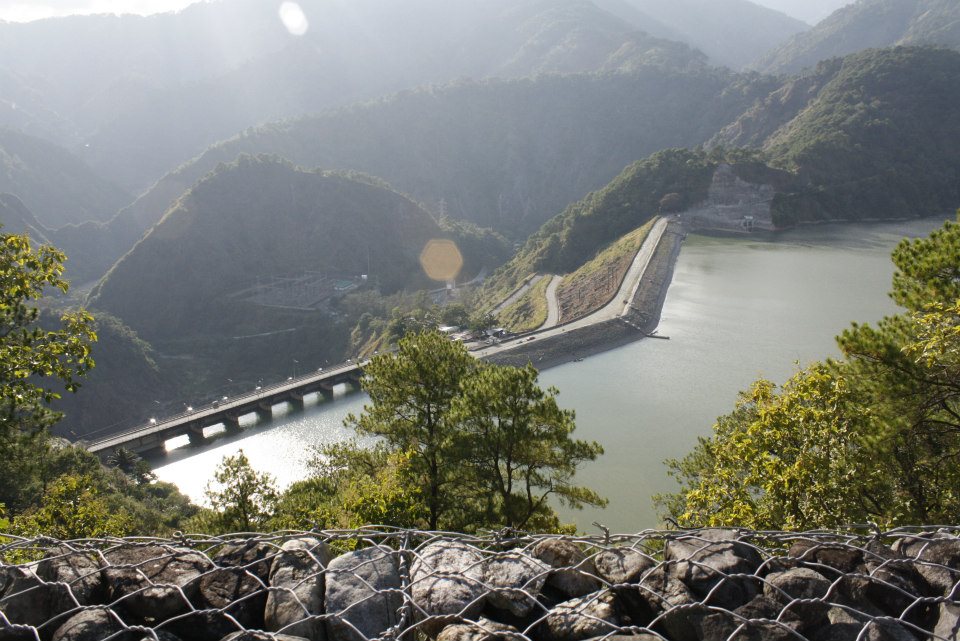
Ambuklao Dam – The Hidden Hydroelectric Jewel of the Cordillera Mountains
Discover the engineering marvel, breathtaking scenery, and off‑the‑beaten‑path adventures that await at Ambuklao Dam, Cordillera, Philippines.
1. Introduction
If you think the Philippines is only about white‑sand beaches and bustling city streets, think again. Nestled high in the mist‑kissed mountains of the Cordillera region lies Ambuklao Dam, a century‑old hydroelectric powerhouse that doubles as a tranquil oasis for nature lovers and adventure seekers alike. With its crystal‑clear reservoir, dramatic limestone cliffs, and the gentle hum of turbines working behind the scenes, Ambuklao offers a rare blend of engineering history and natural beauty—perfect for travelers craving a unique, off‑the‑grid experience.
2. About Ambuklao Dam
A Brief History
- Construction – Completed in 1956, Ambuklao Dam (sometimes spelled Ambuclao) was the Philippines’ second large‑scale hydroelectric project after the Binga Dam upstream.
- Purpose – Built to generate electricity for Luzon’s growing power grid, the dam originally boasted a capacity of 105 MW, making it a critical asset for post‑war development.
- Rehabilitation – After a period of reduced output in the 1990s, the dam underwent a major refurbishment (completed in 2011) that restored its full generating capacity and introduced modern monitoring systems.
Why It Matters
- Energy Hub – Today, Ambuklao contributes significantly to the region’s renewable energy mix, helping the Philippines meet its climate‑action goals.
- Cultural Landmark – The dam is a testament to the collaborative spirit between the Philippine government, American engineers, and local communities who helped shape the Cordillera’s modern infrastructure.
- Ecotourism Magnet – Surrounded by pine‑covered slopes, indigenous villages, and a pristine lake, the site has become a low‑key destination for hikers, photographers, and birdwatchers.
Coordinates: 16.458811, 120.745464 (plug these into Google Maps for an exact pin).
3. How to Get There
| Starting Point | Transportation Options | Approx. Travel Time |
|---|---|---|
| Manila | Fly to Baguio City (approx. 1 h 15 m) → take a bus or van to Bokod, Benguet (≈ 2 h) → local jeepney or tricycle to the dam | 5‑6 h total |
| Baguio City | Direct jeepney (Route 2) or private van to Ambuklao Dam | 2 h |
| Laoag | Bus to Baguio (≈ 4 h) → follow Baguio route above | 6‑7 h |
Tips for the journey:
- Rent a car if you prefer flexibility; the mountain roads are well‑paved but winding.
- Ask locals for the “Ambuklao” signpost; the dam is often referred to as Ambuclao in older maps.
- Bring cash for small tolls and tricycle fares—ATMs are scarce near the site.
4. Best Time to Visit
| Season | Weather | Why It’s Ideal |
|---|---|---|
| Dry Season (Nov – April) | Sunny, low humidity, minimal rain | Clear views of the reservoir, safer trekking on surrounding trails. |
| Cool Season (Dec – Feb) | Slightly cooler evenings (15‑20 °C) | Comfortable for long walks and photography; misty mornings add drama to the landscape. |
| Wet Season (May – Oct) | Frequent showers, occasional landslides | Not recommended for outdoor activities; however, the waterfalls nearby swell dramatically. |
Overall recommendation: Aim for December to February for the perfect mix of pleasant temperatures and crystal‑clear skies.
5. What to Expect
Scenic Highlights
- The Reservoir – A turquoise lake stretching over 7 km, reflecting the surrounding pine forests and limestone cliffs. Early morning fog often creates a surreal, mirror‑like surface.
- Dam Structure – While tours of the interior are limited to authorized personnel, the concrete gravity dam itself is an impressive sight, especially when you hear the faint thrum of turbines in the background.
- Wildlife – Spot native birds such as the Philippine Eagle (rare) and various kingfishers. The lake’s edge is a favorite spot for dragonflies and water snakes.
Activities
- Guided Walks – Local guides offer short hikes to viewpoints that overlook the dam and the Binga Dam downstream.
- Picnicking – Designated picnic areas with benches and grills are available; bring local snacks like turon and kakanin.
- Photography – Sunset shots from the western bank are spectacular; bring a polarizing filter to tame glare on the water.
Facilities
- Restrooms – Basic but clean facilities near the main parking lot.
- Parking – Free parking for cars and motorcycles; a small fee may apply for larger vehicles.
- Information Center – A modest kiosk provides brochures on the dam’s history and safety guidelines.
6. Nearby Attractions
While Ambuklao Dam is the star, the surrounding Cordillera region offers several natural gems within a short drive. All distances are as‑the‑crow‑flies from the dam.
| Attraction | Type | Distance | Why Visit | Link |
|---|---|---|---|---|
| Binga Dam | Dam | 7.3 km | The older sibling of Ambuklao, with a quieter lake ideal for kayaking. | Binga Dam |
| Balukbok Spring | Spring | 9.9 km | A cool, crystal‑clear spring perfect for a refreshing dip after a hike. | (No dedicated page – search “Balukbok Spring Cordillera”) |
| Daclan Sulfur Spring | Spring | 10.1 km | Known for its mineral‑rich waters; locals believe it has therapeutic properties. | (Search “Daclan Sulfur Spring”) |
| Bojombong / Pigingan Falls | Waterfall | 11.7 km | A tiered cascade hidden in a pine forest, great for waterfall photography. | (Search “Bojombong Falls”) |
| Unnamed Spring | Spring | 11.9 km | A secluded spring with pristine water—perfect for a quiet moment. | (Search “Cordillera spring near Ambuklao”) |
Pro tip: Combine a dam‑to‑dam tour (Ambuklao → Binga) with a quick stop at Bojombong Falls for a full‑day adventure.
7. Travel Tips
- Dress in Layers – Mountain temperatures can swing from warm daytime to chilly evenings.
- Bring a Waterproof Bag – Even in the dry season, sudden showers are common.
- Respect the Environment – Pack out all trash; the area is part of a watershed that supplies drinking water to nearby communities.
- Hire a Local Guide – They can share indigenous stories, point out hidden bird‑watching spots, and navigate the best photo angles.
- Check Power Plant Schedules – Occasionally the dam may close the viewing area for maintenance; a quick call to the Ambuklao Hydropower Corporation (or a visit to the information kiosk) will confirm opening hours.
- Stay Connected – Mobile signal can be spotty; download offline maps (Google Maps or MAPS.ME) before you leave the city.
- Cash is King – Small vendors and tricycle drivers rarely accept cards.
Wrap‑Up
Ambuklao Dam may not appear on every tourist brochure, but that’s exactly why it feels like a secret treasure. From its historic hydroelectric legacy to the serene lake framed by towering pines, the dam offers a refreshing departure from the usual beach‑centric itinerary. Pair it with nearby springs, waterfalls, and the sister Binga Dam, and you’ve got a full‑featured nature escape in the heart of the Cordillera mountains.
Ready to add Ambuklao Dam to your Philippines bucket list? Pack your camera, lace up your hiking boots, and let the cool mountain breeze guide you to this remarkable blend of engineering and wilderness. Safe travels!