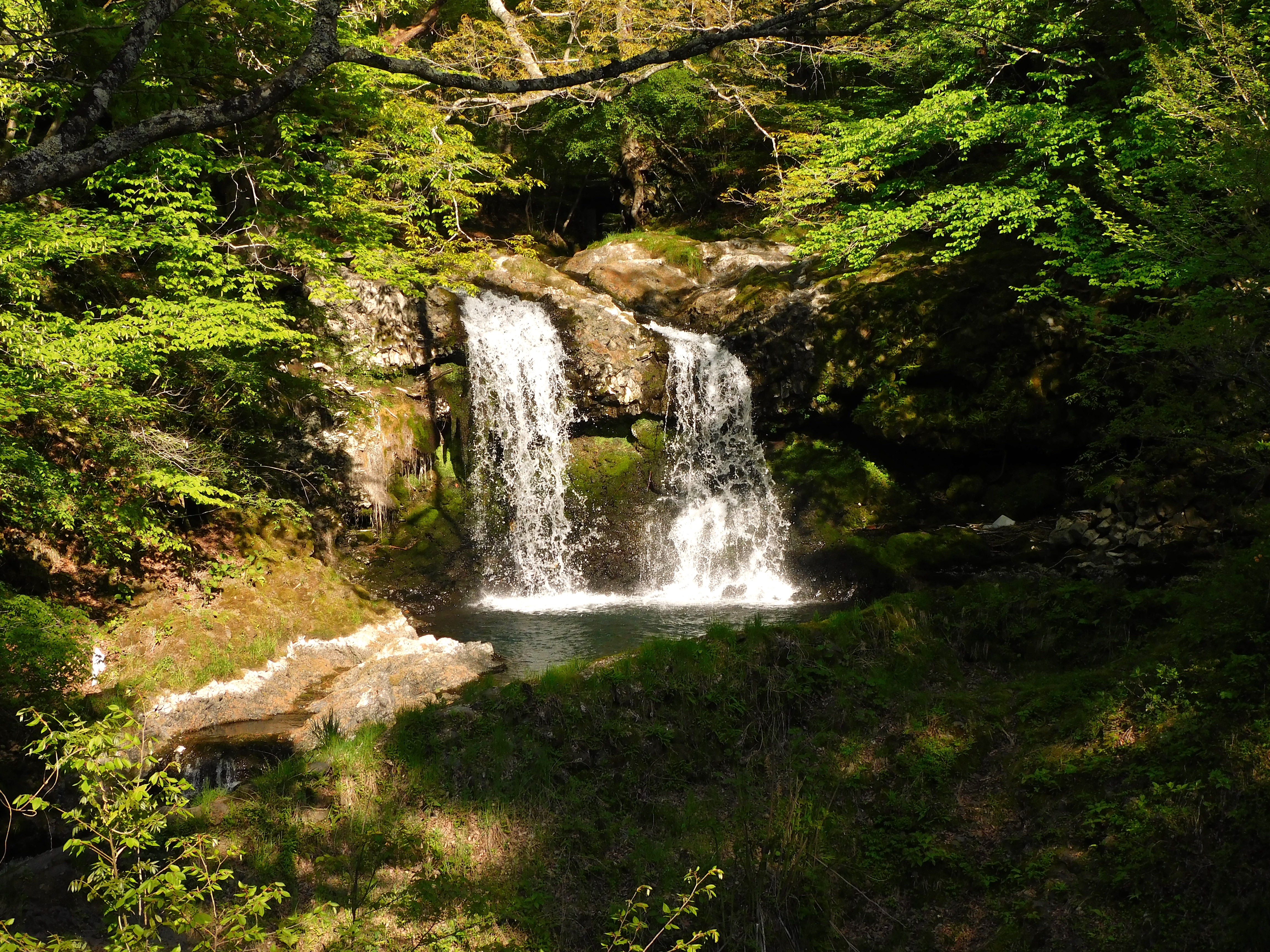
鐘山の滝 (Kanezama no Taki) – A Hidden Waterfall Gem in Fujikawaguchiko, Yamanashi
Discover the serene 10‑meter cascade that whispers the spirit of Mount Fuji’s foothills.
1. Introduction
If you’re wandering the picturesque towns surrounding Japan’s iconic Mount Fuji, you’ll soon realize that the region’s fame isn’t limited to the iconic peak alone. Nestled in the verdant hills of Fujikawaguchiko, Yamanashi Prefecture, lies 鐘山の滝 (Kanezama no Taki) – a modest yet mesmerizing waterfall that offers travelers a quiet escape from the usual tourist crowds. With its crystal‑clear plunge of 10 meters and the gentle rustle of surrounding forest, this waterfall is the perfect spot for nature lovers, photographers, and anyone seeking a moment of calm in the heart of Japan’s alpine landscape.
2. About 鐘山の滝
Description
- Type: Waterfall 🌊
- Location: Fujikawaguchiko, Yamanashi, Japan
- Coordinates: 35.457032 N, 138.806914 E
- Height: 10 m (≈33 ft)
鐘山の滝 drops from a modest height, creating a thin veil of water that glistens against the surrounding moss‑covered rocks. The waterfall is fed by local mountain streams that gather melt‑water from the snow‑capped slopes of nearby peaks, giving the cascade a particularly refreshing feel during the warmer months.
History & Significance
While the exact historical records of 山の滝 are scarce, the waterfall has long been a quiet point of reverence for local hikers and pilgrims traveling the ancient routes that wind through Yamanashi’s mountainous terrain. Its name, “鐘山” (Bell Mountain), hints at a historic connection to the surrounding hills that once housed small shrine bells used by mountain monks. Today, the waterfall serves as a natural landmark for those trekking between the famous 富士山の雪解け水 (Fuji’s melt‑water springs) and other hidden gems in the region.
For more detailed background, you can refer to the Japanese Wikipedia entry: 鐘山の滝 (Wikipedia).
3. How to Get There
By Train & Bus
- Start from Tokyo – Take the JR Chuo Line to Kofu Station (≈1.5 hrs).
- Transfer to the Fujikyu Railway – Board a train bound for Kawaguchiko Station (≈45 min).
- Bus to Fujikawaguchiko – From Kawaguchiko Station, hop on the local Fujikyu Bus heading toward the Fujikawaguchiko town center.
From Kawaguchiko Station
- Local Bus – Catch the Fujikyu Bus “Lake Kawaguchi Loop” (bus number varies seasonally) and alight at the stop labeled “鐘山の滝入口” (Kanezama no Taki Entrance). The ride is roughly 15 minutes.
- Taxi – A taxi from Kawaguchiko Station to the trailhead costs around ¥2,000–¥2,500 and takes about 10 minutes.
On Foot
The waterfall is situated just a short 15‑minute walk from the bus stop. The trail is well‑marked, gently sloping, and suitable for most fitness levels. No special equipment is required, though sturdy walking shoes are recommended.
Driving
If you prefer to drive, park at the Fujikawaguchiko Municipal Parking Lot near the lake’s western shore. From there, follow local signage toward 鐘山の滝; the road is narrow but well‑maintained.
4. Best Time to Visit
| Season | Highlights | Visitor Tips |
|---|---|---|
| Spring (Mar–May) | Snow melt feeds the cascade, creating a stronger flow. Cherry blossoms may frame the trail. | Wear layers; early mornings are less crowded. |
| Summer (Jun–Aug) | Lush greenery and cooler temperatures make for a pleasant hike. | Bring water and sun protection; the waterfall’s mist offers natural cooling. |
| Autumn (Sep–Nov) | Golden foliage adds a warm backdrop to the waterfall’s white spray. | Arrive before sunset for the best lighting. |
| Winter (Dec–Feb) | The waterfall may partially freeze, offering a unique icy tableau. | Dress warmly; check local conditions for trail safety. |
Overall, late spring to early autumn provides the most reliable water flow and comfortable weather for visitors.
5. What to Expect
The Senses
- Sight: A slender ribbon of water plunges into a clear pool, framed by mossy stones and the occasional wildflower. In the golden hour, the mist catches the sun, creating a subtle rainbow.
- Sound: The gentle roar of water blends with birdsong, producing a soothing natural soundtrack.
- Touch: If you venture close enough, the cool mist will lightly kiss your skin—perfect for a quick refresh on a warm day.
Photographic Opportunities
- Long‑exposure shots of the waterfall’s silky flow.
- Framing the cascade with surrounding trees for a classic “Japanese waterfall” composition.
- Seasonal contrasts—snow‑capped peaks in winter or vibrant maple leaves in autumn.
Amenities
The site is largely undeveloped, preserving its natural charm. There are no restrooms or vending machines on site, so plan accordingly. A small picnic bench near the base offers a place to rest and enjoy the view.
6. Nearby Attractions
While 鐘山の滝 is a highlight on its own, the surrounding area offers several other natural points of interest within a short drive:
| Attraction | Type | Distance from 鐘山の滝 | Quick Link |
|---|---|---|---|
| (Spring) | Spring water source | 2.4 km | (no dedicated page – search “Yamanashi spring”) |
| 富士山の雪解け水 | Spring (Fuji melt‑water) | 2.4 km | (search “富士山の雪解け水”) |
| (Weir) | Small weir | 3.2 km | (search “Yamanashi weir”) |
| (Weir) | Small weir in Shizuoka | 5.6 km | (search “Shizuoka weir”) |
| (Weir) | Small weir in Yamanashi | 5.7 km | (search “Yamanashi weir”) |
These spots are perfect for adding a few extra kilometers to your hike, especially if you enjoy exploring hidden streams and historic waterworks. The 富士山の雪解け水 spring, in particular, offers a glimpse into the pure melt‑water that nourishes the region’s rivers and waterfalls.
7. Travel Tips
| Tip | Details |
|---|---|
| Start Early | Arriving before 9 am helps you beat any lingering weekend crowds and gives you softer lighting for photos. |
| Pack Light | The trail is short, but a lightweight daypack with water, a snack, and a rain jacket is ideal. |
| Footwear | Trail can be slippery near the water’s edge; wear shoes with good grip. |
| Respect Nature | Keep the area clean—take any trash with you, and stay on marked paths to protect delicate moss and plant life. |
| Check Weather | Heavy rain can increase water flow dramatically; if the water looks turbulent, give it a pass for safety. |
| Connectivity | Mobile signal may be spotty; download offline maps of Fujikawaguchiko beforehand. |
| Cultural Etiquette | If you encounter a small shrine or prayer plaque near the waterfall, bow lightly and refrain from touching sacred objects. |
| Seasonal Gear | In winter, bring insulated gloves and a hat; the mist can feel icy. |
| Photography | Bring a small tripod for stable long‑exposure shots, especially during low‑light conditions. |
| Local Cuisine | After your hike, try the regional hōtō (thick noodle soup) at a nearby eatery in Fujikawaguchiko. It’s the perfect post‑trek comfort food. |
Final Thoughts
鐘山の滝 may not boast the towering height of Japan’s famous Kegon or Nachi waterfalls, but its modest size belies a tranquil charm that captures the essence of Yamanashi’s natural beauty. Whether you’re a seasoned trekker, a photography enthusiast, or simply a traveler craving a quiet moment away from the bustling tourist routes around Mount Fuji, a visit to this hidden cascade will leave you refreshed and inspired.
Plan your journey, respect the environment, and let the gentle roar of 鐘山の滝 guide you into the heart of Japan’s alpine serenity.
Keywords: 鐘山の滝, Yamanashi waterfall, Fujikawaguchiko travel, waterfall in Japan, things to do in Yamanashi, how to get to 鐘山の滝, travel Japan, Mount Fuji waterfalls, hidden gems Japan