吐竜の滝 (Tsuryū no Taki) – A Hidden Waterfall Gem in Yamanashi, Japan
Discover the serene beauty of 吐竜の滝, a lesser‑known waterfall tucked away in the mountains of Nirasaki, Yamanashi. Perfect for nature lovers, photographers, and anyone seeking a quiet escape from the crowds.
1. Introduction
Imagine stepping off the well‑trodden tourist path and finding a crystal‑clear cascade tumbling down a forested cliff, the sound of water mingling with rustling leaves. That’s the magic of 吐竜の滝 (Tsuryū no Taki). While Japan is famous for iconic waterfalls like Nachi and Kegon, this modest yet enchanting fall in Yamanashi remains a secret treasure for those in the know. Whether you’re traveling through the Fuji Five Lakes region, hiking the Chūbu highlands, or simply exploring the historic town of Nirasaki, a visit to 吐竜の滝 adds a touch of natural wonder to your itinerary.
2. About 吐竜の滝
Description
- Location: Nirasaki, Yamanashi Prefecture, Japan
- Coordinates: 35.914579 N, 138.419505 E
- Type: Waterfall 🌊
- Height & Altitude: Not officially recorded
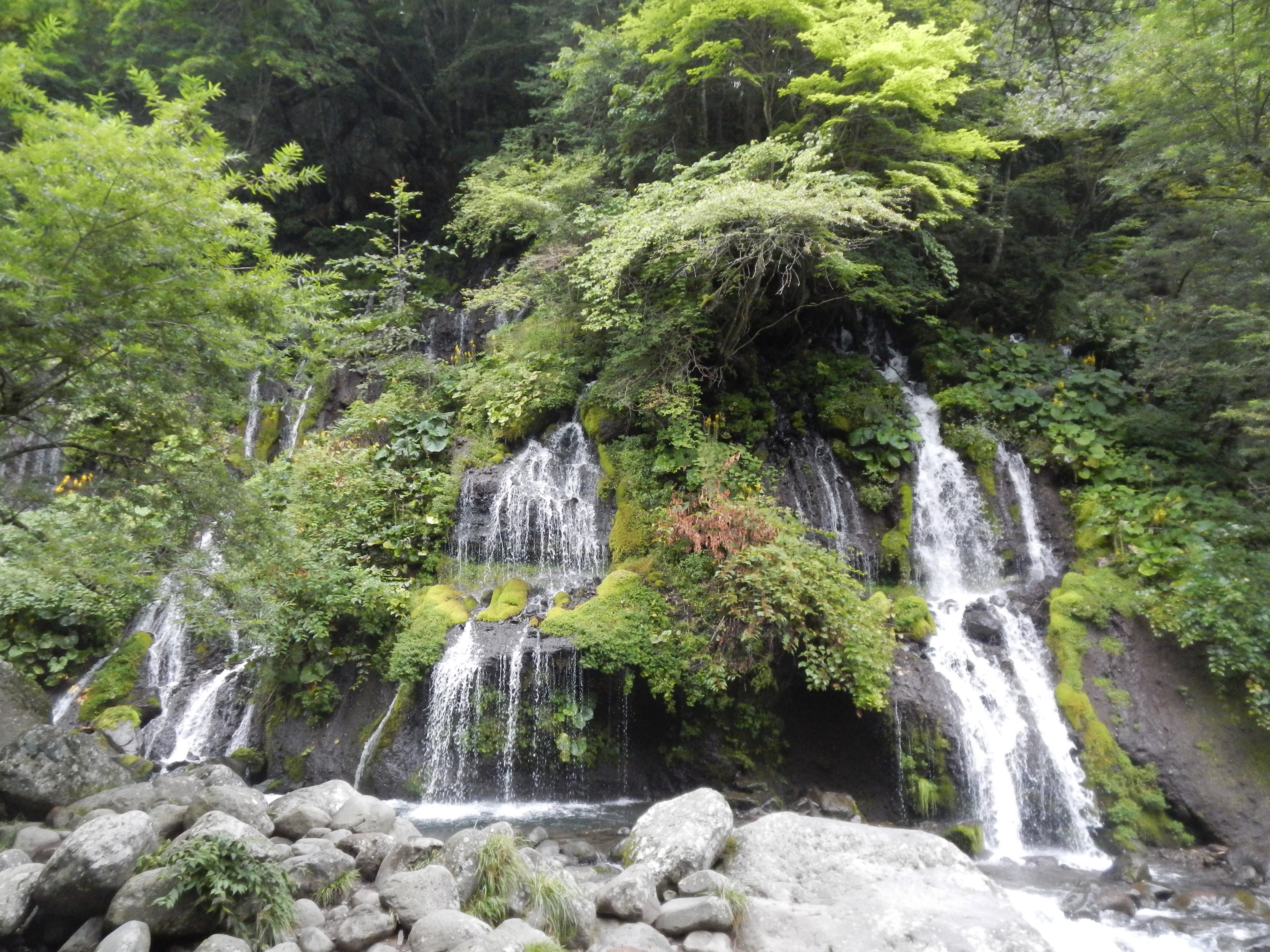
The waterfall drops from a forested slope into a clear pool, surrounded by moss‑covered rocks and towering cedars. Its name, 吐竜 (“spitting dragon”), evokes the image of a dragon’s breath—an apt metaphor for the mist that rises as the water plunges. The site is relatively untouched, offering a tranquil atmosphere that feels far removed from the bustling tourist hotspots of the Fuji region.
History & Significance
While detailed historical records are scarce, 吐竜の滝 has long been a local landmark. The waterfall appears in regional folklore and is occasionally referenced in community festivals that celebrate the natural bounty of Yamanashi. Its presence contributes to the broader ecological network of streams that feed into the Kamanashi River, an essential water source for agriculture and hydro‑power downstream.
For a quick factual reference, see the Japanese Wikipedia page: 吐竜の滝 (Wikipedia).
3. How to Get There
By Public Transport
- Train: Take the JR Chūō Main Line to Nirasaki Station (approx. 2 hours from Tokyo’s Shinjuku Station).
- Bus: From Nirasaki Station, board a local bus heading toward the Kamanashi River area. The bus stop closest to the trailhead is usually labeled “Kawaguchi” or “Mizukawa.”
- Walking: The waterfall is about 3 km from the bus stop. Follow the well‑marked forest trail signs for “吐竜の滝.”
Tip: Bus schedules are limited on weekends and holidays, so check the latest timetables on the Yamanashi Bus website before you travel.
By Car
- From the Chūō Expressway: Exit at Kōfu Interchange, then follow Route 20 toward Nirasaki.
- Parking: A small municipal parking lot is available near the trailhead (capacity ~15 cars). Parking is free, but it fills up quickly during peak foliage season.
By Bicycle
The scenic countryside roads around Nirasaki are popular among cyclists. If you’re an experienced rider, you can bike the 15‑km stretch from Nirasaki city center to the trailhead, enjoying panoramic views of the surrounding mountains along the way.
4. Best Time to Visit
| Season | What to Expect | Why It’s Ideal |
|---|---|---|
| Spring (March‑May) | Fresh green foliage, occasional cherry blossoms near the trail | Mild temperatures make hiking comfortable |
| Summer (June‑August) | Lush canopy, cooler micro‑climate at the waterfall | Perfect for a refreshing dip in the pool (if water temperature allows) |
| Autumn (September‑November) | Vibrant red‑orange maple leaves, misty atmosphere | Photographers love the contrast of water and fall colors |
| Winter (December‑February) | Snow‑capped surroundings, quiet solitude | Rarely crowded; the waterfall may partially freeze, creating icy sculptures |
Top recommendation: Late October to early November, when the surrounding forest bursts into brilliant autumn colors, creating a picture‑perfect backdrop for photography.
5. What to Expect
The Trail Experience
- Difficulty: Easy to moderate (2.5 km round‑trip, gentle elevation gain).
- Surface: Well‑maintained dirt path with occasional wooden boardwalks over wet sections.
- Duration: 45 minutes to 1 hour for a leisurely walk, longer if you stop for photos or a picnic.
The trail winds through a mixed forest of Japanese cedar, cypress, and broadleaf trees. Birdsong fills the air, and you’ll often hear the distant roar of the waterfall before it comes into view. As you approach, a fine spray settles on your skin—a refreshing reminder of nature’s presence.
At the Waterfall
- Viewing Platform: A modest wooden deck offers a safe spot to admire the cascade and capture wide‑angle shots.
- Pool: The crystal pool at the base is shallow near the edges, allowing for a quick foot‑dip on warm days.
- Safety: Rocks can be slippery when wet; sturdy shoes with good traction are recommended.
Because the waterfall’s height isn’t officially recorded, visitors often describe it as “moderate”—tall enough to be impressive but intimate enough to feel personal.
6. Nearby Attractions
While you’re in the area, consider adding these nearby natural sites to your itinerary. All are within a 15‑km radius, making them perfect for a day‑trip loop.
| Attraction | Type | Distance from 吐竜の滝 | Quick Link |
|---|---|---|---|
| Unnamed Waterfall | Waterfall 🌊 | 3.0 km (Yamanashi) | — |
| 千ヶ滝 (Sengataki) | Waterfall 🌊 | 8.6 km (Nagano) | — |
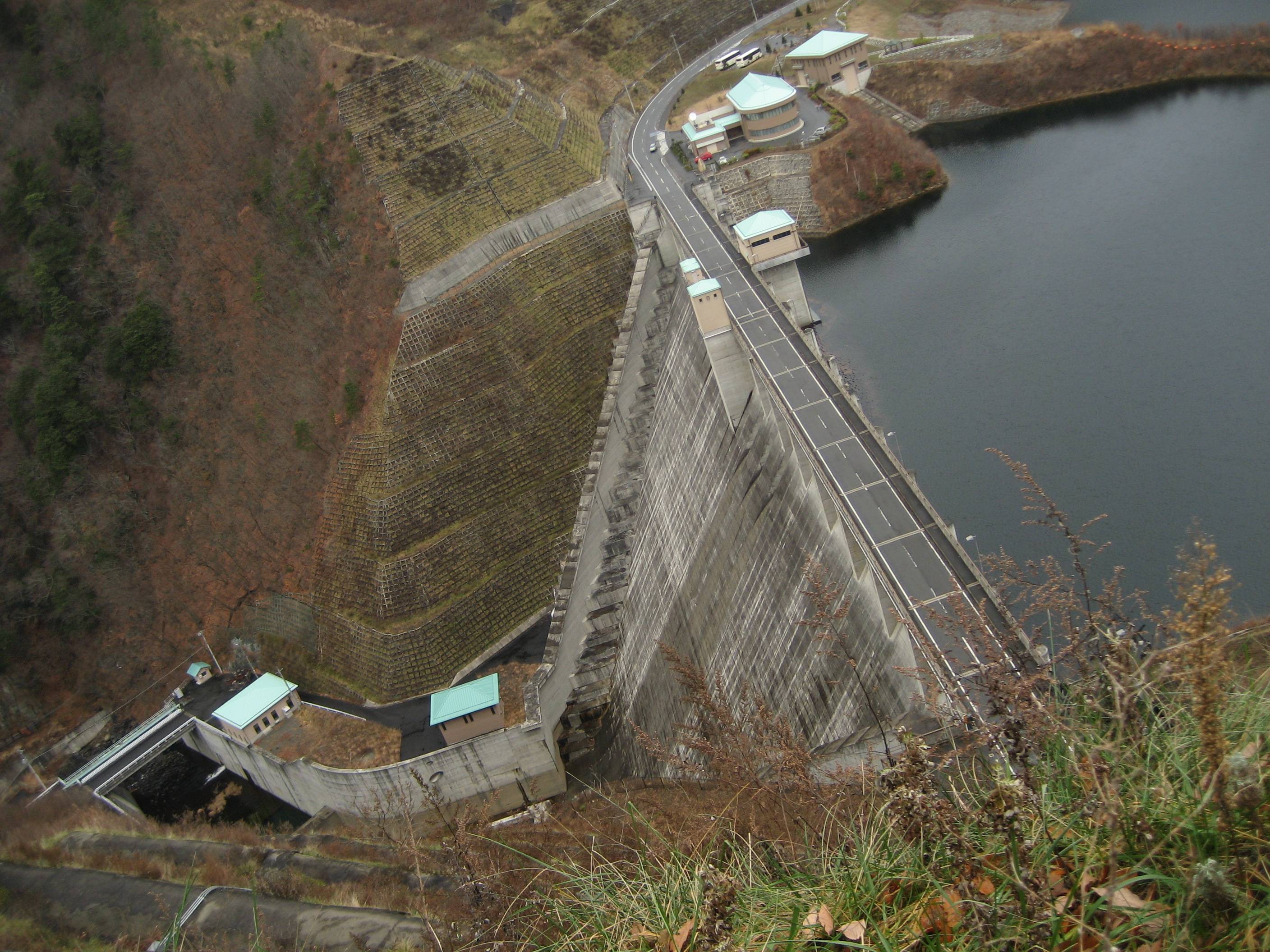
| 塩川ダム (Shiokawa Dam) | Dam 🏞️ | 9.4 km (Yamanashi) | — |
| Unnamed Weir (1) | Weir 🌊 | 12.9 km (Nagano) | — |
| Unnamed Weir (2) | Weir 🌊 | 13.1 km (Nagano) | — |
Note: Some of the nearby sites lack English‑language webpages, but you can find local information at the Nirasaki Tourist Information Center or by asking friendly locals.
7. Travel Tips
| Tip | Details |
|---|---|
| Bring a rain jacket | Even in summer, mountain weather can shift quickly. |
| Carry cash | Small rural shops and parking lots may not accept credit cards. |
| Respect nature | Stay on marked paths, avoid feeding wildlife, and pack out all trash. |
| Photography gear | A wide‑angle lens captures the full cascade; a polarizing filter reduces glare on the water. |
| Timing | Arrive early (7‑8 am) on weekends to avoid the few other visitors who may come later in the day. |
| Local food | Try the nearby Nirasaki ramen or Yamanashi fruit parfait for a tasty post‑hike snack. |
| Language | Signage is primarily in Japanese; a translation app can help with directions. |
| Emergency | Cell service can be spotty; note the nearest emergency contact number: 119 (Japan’s universal emergency number). |
Final Thought
吐竜の滝 may not have the towering fame of Japan’s major waterfalls, but its quiet charm, accessible trail, and stunning seasonal scenery make it a must‑visit for any traveler exploring Yamanashi’s natural wonders. Pack your hiking boots, bring a camera, and let the “spitting dragon” of the forest welcome you into a world of mist, melody, and unforgettable moments.
Happy travels, and may the sound of the waterfall stay with you long after you leave!