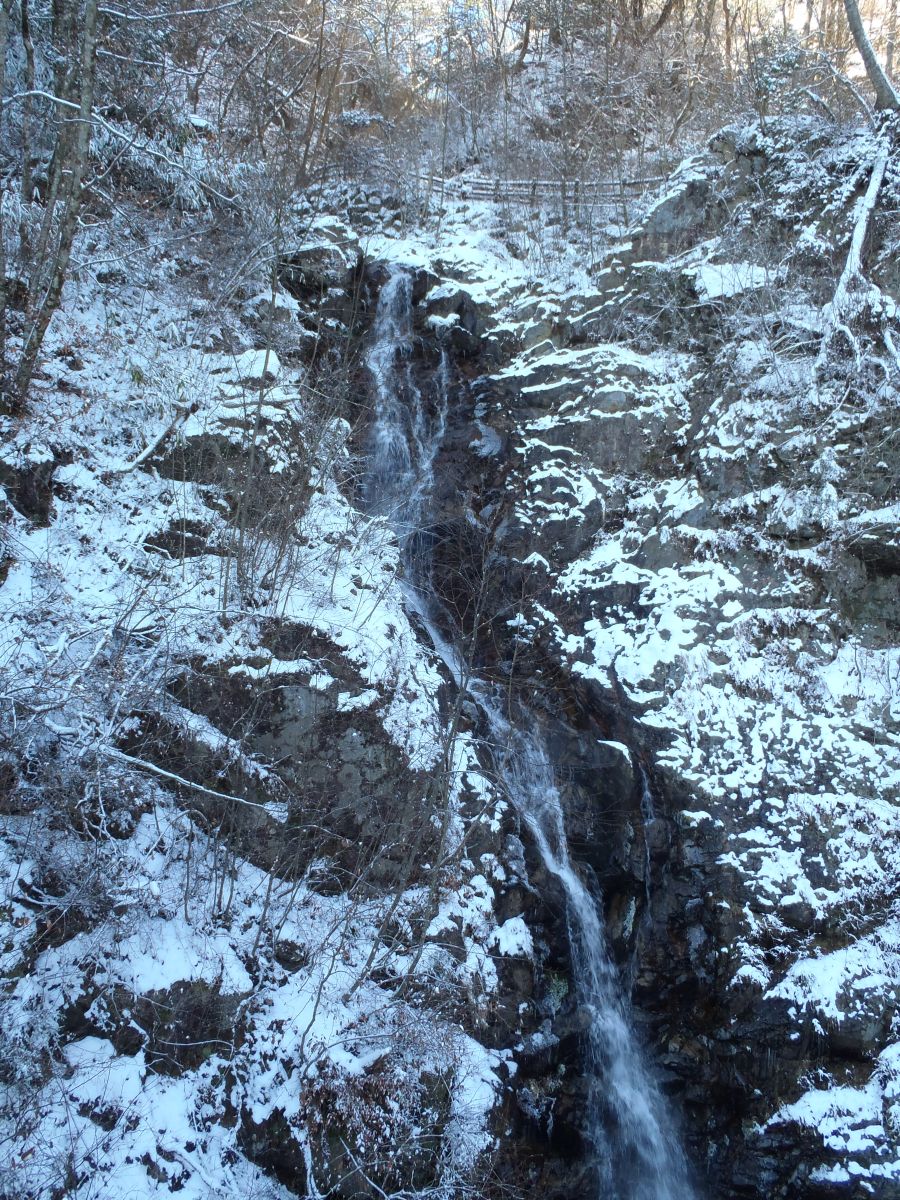
三頭大滝 (Mitō Waterfall) – A Hidden Gem in Yamanashi, Japan
Discover the 33‑meter cascade that whispers the spirit of the Japanese mountains, just a short drive from Uenohara.
Introduction
If you’ve ever trekked the famous waterfalls of Japan—Kegon, Nachi, or Shiraito—you’ll know the awe of standing beneath a roaring veil of water. Yet there’s a quieter, equally spectacular cascade waiting to be explored in the heart of Yamanashi Prefecture: 三頭大滝 (Mitō Waterfall). Nestled near the town of Uenohara, this 33‑meter waterfall drops into a pristine forest gorge, offering a perfect blend of natural drama and serene solitude. Whether you’re a seasoned waterfall hunter, a nature‑photography enthusiast, or simply looking for a peaceful day‑trip outside Tokyo, 三頭大滝 should be on your Yamanashi travel list.
About 三頭大滝
A Brief Description
- Location: Uenohara, Yamanashi, Japan
- Coordinates: 35.734877 N, 139.026133 E
- Height: 33 meters (≈108 ft)
The name “三頭大滝” translates roughly to “Three‑Head Great Waterfall,” a nod to the three distinct streams that converge before plunging over the basalt cliff. The waterfall is fed by the surrounding forest’s runoff and seasonal snowmelt, creating a steady flow that intensifies during the rainy season.
History & Cultural Significance
While detailed historical records of 三頭大滝 are scarce, waterfalls have long held spiritual importance in Japanese culture, often regarded as sites of purification and inspiration for poets and artists. Local folklore mentions the “three heads” as guardian spirits that protect the surrounding valley. The waterfall’s remote setting has helped preserve its natural integrity, making it a favored spot for meditative walks and traditional Shinto rituals performed by nearby shrines.
For a quick reference, the German‑language Wikipedia entry provides additional background: Mitō Waterfall (de:Mitō‑Wasserfall).
How to Get There
From Tokyo
- Train: Take the JR Chūō Line from Shinjuku Station to Uenohara Station (≈1 hour, rapid service).
- Bus or Taxi: From Uenohara Station, a local bus (often the “Uenohara‑Kōgen” line) heads toward the Mitō Waterfall stop. The bus runs roughly every hour during peak tourist seasons.
- Car: If you prefer driving, follow the Chūō Expressway (E20) to the Uenohara Interchange, then take National Route 20 north for about 10 km. Turn onto the Mitō‑dōri road signposted for the waterfall. Parking is available at the trailhead (small lot, first‑come‑first‑served).
From Uenohara City Center
- Walking: The trailhead is about 2 km from the city center, but the path includes steep sections and is not recommended for casual strolls.
- Bicycle: A rental bike can be a fun option; the road to the waterfall is paved, and you’ll enjoy scenic countryside views en route.
Tip: Bring a map or download the coordinates (35.734877, 139.026133) into a GPS app. The area has limited cellular coverage, so offline navigation is helpful.
Best Time to Visit
| Season | Highlights | Visitor Tips |
|---|---|---|
| Spring (Mar–May) | Snowmelt boosts water volume; cherry blossoms may frame the gorge. | Wear waterproof shoes; early mornings are less crowded. |
| Summer (Jun–Aug) | Lush green foliage; ideal for cooling off near the pool at the base. | Expect higher humidity; bring a hat and sunscreen. |
| Autumn (Sep–Nov) | Brilliant maple and ginkgo colors create a photogenic backdrop. | Shorter daylight hours—plan to finish before dusk. |
| Winter (Dec–Feb) | Ice formations on the spray; quiet, almost mystical atmosphere. | Check weather forecasts; icy paths require sturdy boots and caution. |
Overall, late spring and early autumn offer the most comfortable temperatures and striking scenery, making them the prime seasons for waterfall photography.
What to Expect
The Trail Experience
The hike to 三頭大滝 is a moderate 1.5‑km round‑trip through mixed forest. The path is well‑maintained, with occasional wooden steps and railings near steeper sections. Expect a gradual ascent of about 150 meters, followed by a gentle descent toward the viewing platform.
- Viewing Platform: A sturdy wooden deck sits 5 meters from the waterfall’s edge, providing a safe spot to feel the mist on your face.
- Soundscape: The roar of water blends with birdsong and rustling leaves—a natural symphony that changes with the season.
- Photography: The best angles are from the left bank (when facing downstream) where the sunlight often highlights the water’s translucence. A wide‑angle lens captures the full height, while a telephoto can isolate the “three heads” for dramatic close‑ups.
Wildlife & Flora
The surrounding forest hosts Japanese maple, Japanese cedar, and a variety of mosses that cling to the rocks. Spotting a Japanese giant salamander is rare but possible in the clear pools at the waterfall’s base. Keep an eye out for seasonal mushrooms in autumn and delicate spring ferns.
Nearby Attractions
While you’re in the area, consider adding these nearby waterfalls and natural sites to your itinerary. All are within a 3‑km radius, making them perfect for a day of waterfall hopping.
- 菅平の滝 (Sugai no Taki) – 1.1 km away, a gentle cascade ideal for a quick photo stop.
- 夢の滝 (Yume no Taki) – 1.3 km away, known for its dreamy, mist‑filled atmosphere at sunrise.
- 九頭竜の滝 (Kuzuryū no Taki) – 1.7 km away, a larger waterfall with a historic shrine nearby.
- 甲斐国 鶴川渓谷 西原郷 三頭山荘 (Kainokuni Tsurukawa Gorge – Nishihara‑go Mitō Sansō) – 3.0 km away, a scenic gorge offering river walks and traditional ryokan lodging.
Each site can be reached via short forest trails or local roads; consider renting a bike to cover the distances efficiently.
Travel Tips
| Tip | Why It Matters |
|---|---|
| Start Early | Morning light is softer for photos, and the trail is less crowded. |
| Pack Light, Pack Right | A lightweight rain jacket, quick‑dry towel, and sturdy hiking shoes are essential. |
| Bring Cash | Small rural shops and parking fees often accept only cash. |
| Respect the Environment | Stay on marked paths, carry out all trash, and avoid disturbing wildlife. |
| Check Weather | The area can experience sudden rain showers; a weather‑proof backpack protects your gear. |
| Use a Portable Power Bank | Cell service is spotty; a charged phone ensures navigation and emergency contact. |
| Seasonal Snacks | Local convenience stores in Uenohara sell onigiri and seasonal fruit—perfect for a picnic near the waterfall. |
| Cultural Etiquette | If you encounter a shrine, bow lightly and refrain from loud conversations. |
Final Thought
三頭大滝 may not appear on the typical “top 10 Japan waterfalls” list, but its unspoiled beauty, manageable hike, and proximity to other natural wonders make it a standout destination for travelers seeking authentic Yamanashi experiences. Pack your camera, lace up your boots, and let the three heads of Mitō Waterfall guide you into a quieter side of Japan’s mountainous heart.
Happy travels, and may the mist of 三頭大滝 refresh your spirit!


