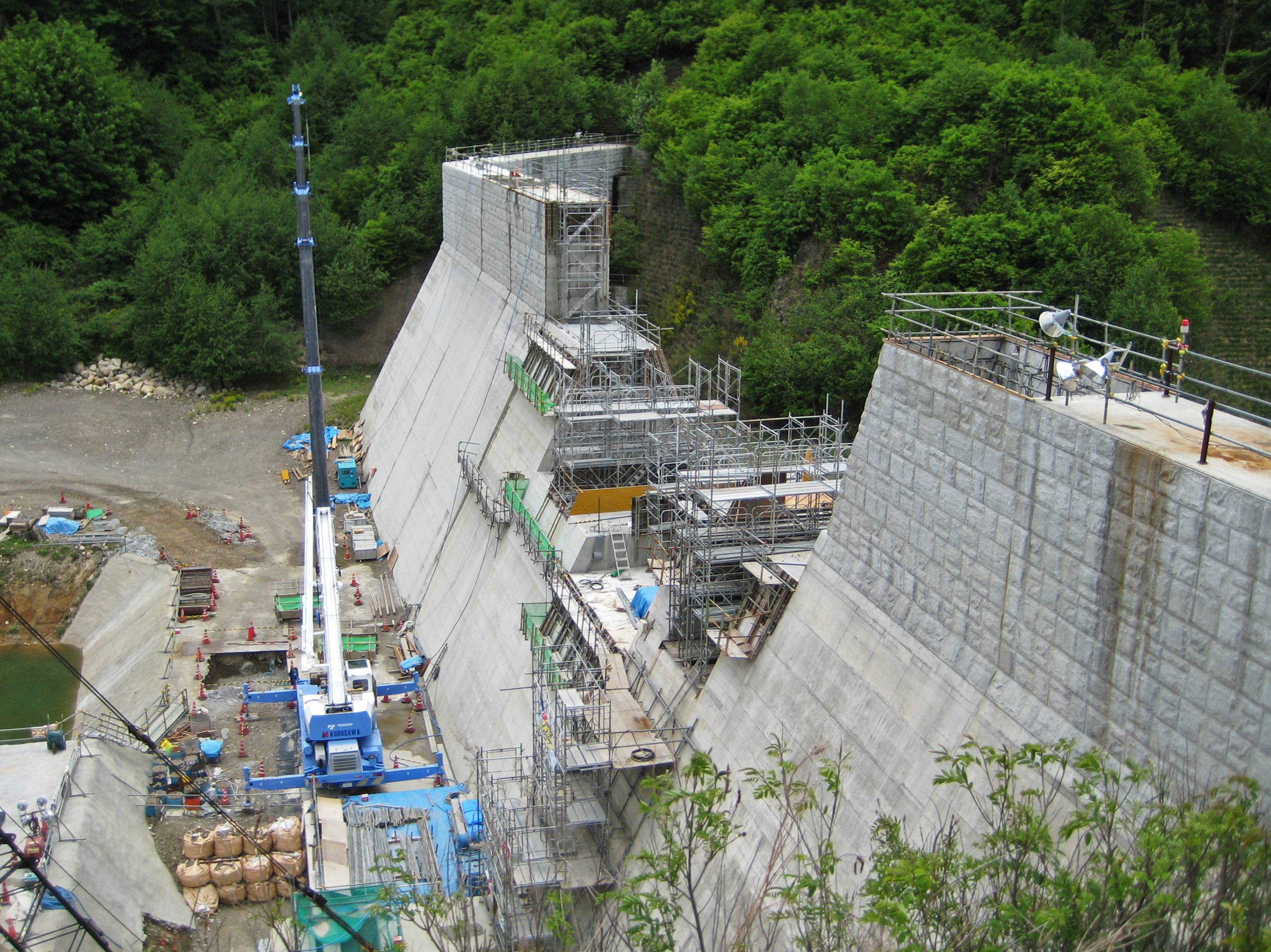
秋山砂防ダム (Akiyama Sand Control Dam) – A Hidden Engineering Gem in Enzan, Yamanashi
Discover the quiet beauty of a Japanese dam tucked away in the mountains of Yamanashi, and learn how to make the most of your visit.
1. Introduction
If you’ve trekked the bustling streets of Tokyo or wandered through Kyoto’s historic temples, you’ve probably never heard of 秋山砂防ダム (Akiyama Sand Control Dam). Yet this modest‑sized dam, perched in the rural town of Enzan, offers a surprisingly rewarding slice of Japan’s lesser‑known infrastructure tourism. Surrounded by forested hills, crystal‑clear streams, and a handful of nearby waterfalls, the dam is a perfect spot for travelers who crave off‑the‑beaten‑path experiences, photography opportunities, and a glimpse into Japan’s diligent flood‑control engineering.
In this guide we’ll walk you through everything you need to know—history, how to get there, the best seasons to visit, what you’ll see on site, nearby attractions, and practical travel tips—so you can add 秋山砂防ダム to your Yamanashi itinerary with confidence.
2. About 秋山砂防ダム
What is it?
- Name: 秋山砂防ダム (Akiyama Sand Control Dam)
- Type: Sand‑control (砂防) dam – built primarily to prevent sediment buildup and mitigate flood risk in the surrounding watershed.
- Location: Enzan, Yamanashi Prefecture, Japan
- Coordinates: 35.959997 N, 138.643190 E
The dam is part of a network of small‑scale water‑management structures that protect the Chūbu region’s agricultural valleys from landslides and sudden runoff during heavy rains. While the exact height and altitude are not publicly disclosed, the structure’s design reflects Japan’s meticulous approach to environmental stewardship and disaster prevention.
A Brief History
Akiyama Dam was constructed during a period when Yamanashi’s local governments intensified sand‑control projects to safeguard the fertile Kai Basin (甲府盆地). Although the precise completion date is not listed on the official records, the dam’s presence is documented on the Japanese Wikipedia page for Akiyama Dam (see reference below). Its ongoing operation illustrates how even modest engineering works can have a lasting impact on community safety and ecological balance.
Why It Matters
- Flood protection: By trapping sediment and slowing water flow, the dam reduces downstream flood risk for Enzan and neighboring towns.
- Ecological benefit: The controlled release of water helps maintain stable river habitats, supporting native fish and riparian vegetation.
- Cultural value: The dam’s quiet surroundings provide a serene backdrop for local residents, hikers, and photographers, making it a subtle but meaningful cultural landmark.
For a concise overview, check the official Wikipedia entry: Akiyama Dam (Wikipedia).
3. How to Get There
By Train
- Tokyo → Kōfu – Take the JR Chūō Line (Rapid) from Shinjuku Station to Kōfu Station (≈1.5 hours).
- Kōfu → Enzan – Transfer to the JR Chūō Main Line (local) and ride to Enzan Station (≈20 minutes).
Enzan Station is the nearest rail hub, located about 7 km from the dam.
By Bus
From Enzan Station, the Yamanashi Kotsu bus line runs a limited service toward the “Akiyama Dam” stop. The bus departs roughly every hour during peak tourist seasons (April–October). The ride takes about 20 minutes.
By Car
Renting a car gives you the most flexibility:
- From Kōfu: Follow the Chūō Expressway (E20) south, exit at Kōfu‑Enzan Interchange, then take National Route 20 toward Enzan. After passing the town center, follow signs for “Akiyama Dam” (approx. 12 km, 20 minutes).
- Parking: A small free parking lot sits near the dam’s visitor area. Space is limited, so arrive early on weekends.
Tips for Navigation
- GPS coordinates (35.959997, 138.643190) work reliably in most navigation apps.
- Signage is in Japanese; having a map or translation app handy will help you locate the small “砂防ダム” (sand‑control dam) marker.
4. Best Time to Visit
| Season | Highlights | Why Visit |
|---|---|---|
| Spring (Mar–May) | Cherry blossoms along the riverbanks, mild temperatures (10‑20 °C). | Perfect for photography; the dam’s concrete walls contrast beautifully with pink blossoms. |
| Summer (Jun–Aug) | Lush green foliage, occasional mist over the water. | Ideal for early‑morning walks when the heat is still low; nearby waterfalls are at peak flow. |
| Autumn (Sep–Nov) | Vibrant maple (momiji) colors, crisp air (10‑18 °C). | The dam’s surroundings turn fiery red and orange—great for landscape shots. |
| Winter (Dec–Feb) | Snow‑capped hills, quiet atmosphere. | If you enjoy serene, snow‑covered scenery, the dam looks like a hidden winter wonderland. |
Overall recommendation: Late April to early May and mid‑October to early November provide the most photogenic conditions while avoiding the heavy rains of the summer typhoon season.
5. What to Expect
Scenic Views
- Dam Structure: The concrete spillway is low‑profile, allowing the surrounding forest to dominate the visual field. You’ll see water gently flowing over the crest, especially during spring melt.
- River Landscape: The upstream river is flanked by steep, forested slopes. In clear weather, you can glimpse the distant Kōfu Basin on the horizon.
Walking Trails
A short, well‑maintained path circles the dam, offering several viewpoints:
- North Lookout: Best for sunrise shots; the light hits the water at a low angle.
- East Trail: Leads toward a small picnic area and a wooden bench overlooking the reservoir.
- South Access: Connects to a local trail that eventually reaches the nearby 唐沢の滝 (Karatagawa Waterfall) (≈5.9 km).
The trails are easy (grade 1–2) and suitable for families and casual hikers.
Facilities
- Restrooms: Basic facilities near the parking lot.
- Picnic Spot: A modest shelter with a table, perfect for a quick lunch.
- Information Board: Provides a brief overview of the dam’s purpose and local wildlife.
Photography Tips
- Golden Hour: Arrive 30 minutes before sunrise or sunset for soft, warm lighting.
- Long Exposure: Use a tripod to capture silky water over the spillway.
- Seasonal Props: Cherry blossoms in spring or colorful leaves in autumn add vibrant foreground interest.
6. Nearby Attractions
While the dam itself is a quiet retreat, several points of interest lie within a short drive:
| Attraction | Type | Distance from Akiyama Dam | Quick Link |
|---|---|---|---|
| あちばけダム | Dam | 0.3 km | — |
| 唐沢の滝 (Karatagawa Waterfall) | Waterfall | 5.9 km | — |
| Unnamed Weir | Weir | 5.9 km | — |
| Unnamed Weir | Weir | 6.1 km | — |
| Unnamed Weir | Weir | 6.1 km | — |
Note: Some nearby weirs do not have English‑language pages, but they are easily visible from the local road network and make pleasant stops for a short walk or photo session.
How to combine them: Start at Akiyama Dam, head north to the nearby あちばけダム (just a 5‑minute walk), then drive east toward the Karatagawa Waterfall. The route offers scenic forest roads and occasional viewpoints of the surrounding valleys.
7. Travel Tips
| Tip | Details |
|---|---|
| Check the weather | Yamanashi’s mountain weather can change quickly. Bring a light rain jacket even in summer. |
| Cash on hand | Small rural stations and vending machines may not accept credit cards. |
| Language | Signage is primarily Japanese. Having a translation app (e.g., Google Translate) helps with directions. |
| Timing | Arrive early on weekends to secure parking and avoid crowds at the nearby waterfall. |
| Respect nature | Stay on marked paths, carry out any trash, and avoid feeding wildlife. |
| Photography gear | A wide‑angle lens captures the dam and surrounding hills; a polarizing filter reduces glare on water. |
| Local cuisine | Stop at Enzan’s downtown for hōtō (a hearty noodle soup) – perfect after a morning of walking. |
| Safety | The dam’s water can be cold and swift near the spillway; keep a safe distance, especially with children. |
Wrap‑Up
秋山砂防ダム may not have the towering presence of Japan’s famous hydro‑power dams, but its understated charm, pristine natural setting, and the sense of quiet engineering achievement make it a rewarding destination for any traveler exploring Yamanashi. Whether you’re a photography enthusiast, a nature lover, or simply looking for a peaceful spot away from the crowds, Akiyama Dam offers a slice of authentic rural Japan that’s easy to reach and even easier to fall in love with.
Pack your camera, hop on the train to Enzan, and let the gentle flow of the dam’s waters guide you into a hidden corner of the Japanese landscape. Happy travels!