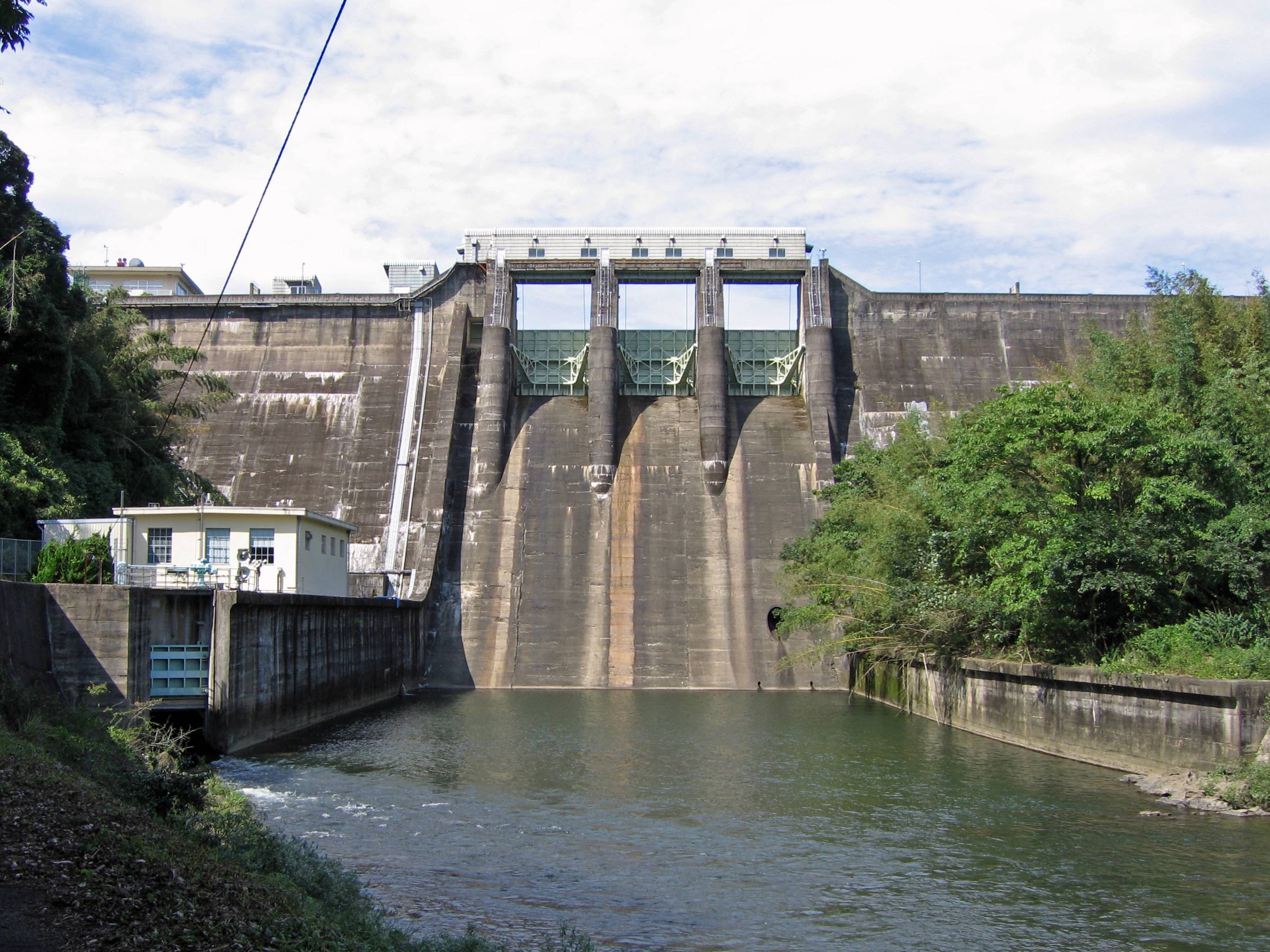
木屋川ダム (Kiyagawa Dam) – A Hidden Gem in Nagato, Yamaguchi
Discover the tranquil beauty of 木屋川ダム, a serene dam nestled in the coastal city of Nagato, Yamaguchi Prefecture. Perfect for nature lovers, photography enthusiasts, and off‑the‑beaten‑path travelers seeking a slice of rural Japan.
1. Introduction
If you think Japan’s most famous sights are limited to neon‑lit Tokyo, ancient Kyoto temples, or snow‑capped Hokkaido peaks, think again. In the western tip of Honshu, the city of Nagato in Yamaguchi Prefecture hides a quiet marvel: 木屋川ダム (Kiyagawa Dam). With its crystal‑clear reservoir reflecting the surrounding hills and a backdrop of lush forest, the dam offers a peaceful escape from the crowds while still being easily reachable from major transport hubs. Whether you’re on a road‑trip through the Chugoku region, a photography pilgrimage, or simply craving a gentle walk beside water, 木屋川ダム should be on your itinerary.
2. About 木屋川ダム
What is 木屋川ダム?
木屋川ダム is a gravity dam built to regulate the flow of the Kiyagawa River, support local irrigation, and provide flood control for the surrounding agricultural lands. While the exact height and altitude remain undocumented publicly, the dam’s modest scale blends seamlessly with the natural landscape, creating a tranquil reservoir that mirrors the sky.
A Brief History
The dam was constructed as part of post‑war infrastructure development in Yamaguchi Prefecture, aiming to boost water security for the region’s rice paddies and citrus orchards. Over the decades, 木屋川ダム has become more than a functional structure; it now serves as a local recreation spot where families picnic, anglers cast lines, and hikers pause to admire the view.
Why It Matters
- Ecological Balance – The reservoir supports a variety of freshwater fish and attracts migratory birds, contributing to the biodiversity of Nagato’s coastal ecosystem.
- Cultural Value – The dam is a community landmark, often featured in local festivals and seasonal events that celebrate the harmony between humans and nature.
- Scenic Appeal – With its calm waters and surrounding forest, 木屋川ダム offers a picture‑perfect setting for sunrise and sunset photography, especially when mist rolls over the surface in early mornings.
For more detailed background, you can explore the Japanese Wikipedia entry: 木屋川ダム (Wikipedia).
3. How to Get There
By Train
- Start at Shin-Yamaguchi Station (the major Shinkansen stop in Yamaguchi Prefecture).
- Transfer to the JR Sanin Line toward Nagato‑Sanzen‑ko.
- Get off at Nagato Station (約30 km from the dam).
By Bus
From Nagato Station, local bus routes head toward the Kiyagawa area. Look for the “Nagato‑Kiyagawa” line (check the latest timetable at the station’s information desk). The bus ride to the dam’s nearest stop takes roughly 20 minutes.
By Car
Renting a car gives you the most flexibility:
- From Nagato Station, follow Route 191 eastward.
- Turn onto Prefectural Road 25 (signposted for “木屋川ダム”).
- The dam is located at 34.236032 N, 131.118651 E; GPS navigation will guide you directly to the parking area.
Parking is free and limited to a small lot, so arriving early—especially on weekends—helps secure a spot.
Practical Tips
| Mode | Approx. Travel Time | Cost | Notes |
|---|---|---|---|
| Train + Bus | 1.5 h | ¥1,200‑¥1,500 | Check bus schedules; some services run only hourly. |
| Car (rental) | 1 h | ¥5,000‑¥8,000/day (rental) + fuel | Scenic drive; tolls are minimal in this region. |
| Taxi (from Nagato) | 30 min | ¥4,000‑¥6,000 | Convenient but pricey for solo travelers. |
4. Best Time to Visit
Spring (March‑May)
- Cherry blossoms may frame the reservoir, creating a pastel palette.
- Temperatures are mild (10‑20 °C), perfect for leisurely walks.
Summer (June‑August)
- The dam’s water is warm enough for occasional swimming in designated areas.
- Early mornings are cooler; bring sunscreen and stay hydrated.
Autumn (September‑November)
- Maple and ginkgo leaves turn vibrant reds and golds, offering spectacular foliage reflections on the water.
- This season is the most photographed period at 木屋川ダム.
Winter (December‑February)
- While the region rarely sees heavy snow, occasional frost adds a crisp, quiet charm.
- Shorter daylight hours mean you’ll need to plan for an early start.
Overall recommendation: Late October to early November yields the best combination of comfortable weather, colorful foliage, and fewer crowds.
5. What to Expect
Scenic Walks
A 1.2 km paved trail circles the reservoir, offering multiple viewpoints:
- North Shore Lookout – Ideal for sunrise shots as the sun rises over the Seto Inland Sea in the distance.
- East‑Side Picnic Area – Shaded benches and a small barbecue grill make it a popular family spot.
The trail is wheelchair‑accessible, though some sections near the dam wall have gentle inclines.
Wildlife & Photography
- Birdwatchers can spot kingfishers, herons, and seasonal migratory waterfowl.
- Fish enthusiasts may glimpse carp and trout near the water’s edge.
- The calm surface creates mirror‑like reflections, perfect for long‑exposure photography.
Facilities
- Restrooms are located near the parking lot and at the picnic area.
- A small information kiosk provides brochures (Japanese and English) and maps of the surrounding trails.
- No on‑site café, but nearby Nagato town offers local eateries serving fresh seafood and Yamaguchi‑style ramen.
Atmosphere
Unlike larger, tourist‑heavy dams, 木屋川ダム retains a peaceful, local vibe. You’ll often hear the gentle hum of water turbines and the occasional chatter of locals feeding fish. The area feels like a living postcard—ideal for those seeking serenity over spectacle.
6. Nearby Attractions
While 木屋川ダム is a destination in its own right, the surrounding region boasts several other natural wonders within a short drive:
| Attraction | Type | Distance from 木屋川ダム | Highlights |
|---|---|---|---|
| (dam) | Dam | 3.6 km | Another small dam offering a different perspective of Yamaguchi’s water management. |
| 七段の滝 (Nanadan-no-Taki) | Waterfall | 6.9 km | A tiered cascade surrounded by mossy rocks—great for a short hike. |
| 大滝 (Ōtaki) | Waterfall | 8.0 km | The “Great Waterfall” boasts a powerful plunge, especially after autumn rains. |
| 美祢ダム (Mine Dam) | Dam | 9.5 km | A larger reservoir popular for kayaking and seasonal festivals. |
| 畑ダム (Hatake Dam) | Dam | 12.3 km | Known for its scenic walking path and panoramic views of the surrounding hills. |
All of these sites are reachable by car in under 30 minutes, making a day‑trip circuit easy to plan.
Tip: Combine a visit to 木屋川ダム with a stop at 七段の滝 for a refreshing waterfall mist experience before heading back to the dam’s peaceful lakeside.
7. Travel Tips
- Check the Weather – The dam area is exposed to coastal winds; a sudden gust can make the water surface choppy, affecting photography plans.
- Bring Cash – Small local vendors and the information kiosk accept only cash (¥500, ¥1,000).
- Respect Local Rules – Swimming is permitted only in designated zones; there are no lifeguards on duty.
- Pack Light Snacks – While there’s no on‑site restaurant, the picnic area is perfect for a packed bento.
- Timing for Photography – Early morning (sunrise) and late afternoon (golden hour) provide the softest light and the most vivid reflections.
- Stay Connected – Mobile reception can be spotty near the reservoir; consider downloading offline maps beforehand.
- Seasonal Events – In October, the nearby towns host a “Harvest Lantern Festival” where lanterns are floated on the dam’s reservoir—check local tourism boards for exact dates.
Final Thought
木屋川ダム may not appear on the typical Japan travel checklist, but its understated charm, accessible location, and surrounding natural attractions make it a must‑visit for travelers seeking authentic, off‑the‑grid experiences in Yamaguchi Prefecture. Pack your camera, lace up your walking shoes, and let the gentle ripple of Kiyagawa’s waters guide you to a hidden slice of Japanese serenity.
Happy travels, and may your journey to 木屋川ダム be as calm and clear as its tranquil reservoir!