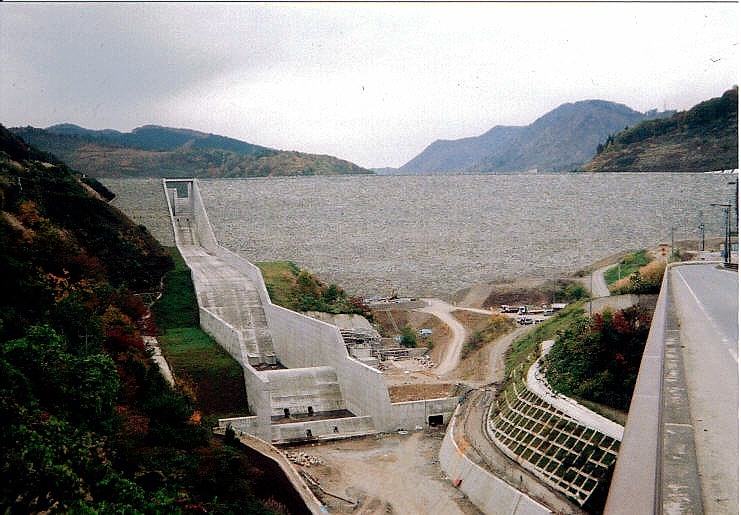
綱木川ダム (Tsunagi River Dam) – A Hidden Gem in Yonezawa, Yamagata
Discover the tranquil beauty of Yamagata’s countryside, where a modest dam meets spectacular waterfalls and authentic Japanese scenery.
1. Introduction
If you think Japan’s most famous sights are limited to neon‑lit Tokyo streets or the snow‑capped peaks of Hokkaido, think again. Nestled in the rolling hills of Yonezawa, Yamagata, the 綱木川ダム (Tsunagi River Dam) offers a quiet escape for travelers who crave off‑the‑beaten‑path experiences. With its serene reservoir, lush forest backdrop, and a cluster of stunning waterfalls just a short drive away, this dam is fast becoming a favorite stop for nature lovers, photographers, and anyone looking to unwind in the heart of the Tōhoku region.
2. About 綱木川ダム
Description & Location
- Name: 綱木川ダム (Tsunagi River Dam)
- Type: Dam 🏗️
- Location: Yonezawa, Yamagata Prefecture, Japan
- Coordinates: 37.840954 N, 140.045003 E
Built to regulate the flow of the Tsunagi River, the dam creates a modest reservoir that reflects the surrounding forested hills. While the exact height and altitude of the structure are not publicly listed, its presence is unmistakable: a concrete wall that gently curves along the riverbank, framed by seasonal foliage that changes dramatically from vibrant cherry blossoms in spring to fiery maples in autumn.
History & Significance
The dam was constructed as part of Yamagata’s broader water‑resource management plan, aimed at supporting agriculture, flood control, and local ecosystems. Although it lacks the massive scale of Japan’s iconic hydro‑electric dams, 綱木川ダム plays a crucial role in maintaining the health of downstream rivers and providing a reliable water supply for the surrounding farmlands of Yonezawa—an area famed for its high‑quality beef and traditional crafts.
Its modest size also makes it an ideal spot for educational field trips, bird‑watching, and low‑impact recreation. The reservoir’s calm surface often serves as a mirror for the sky, creating perfect photo opportunities that capture the essence of rural Japan.
3. How to Get There
By Air
- Nearest airport: Yamagata Airport (GAJ) – 70 km north of Yonezawa. From the airport, rent a car or take a regional bus to Yonezawa Station.
By Train
- Shinkansen: Board the Yamagata Shinkansen to Yonezawa Station (approximately 2 hours from Tokyo).
- Local line: From Yonezawa Station, hop on a JR East local train toward Matsukawa‑O (if available) or take a taxi for the final stretch.
By Car
- From Yonezawa Station: Rent a car and follow Route 13 northward, then turn onto local roads heading toward the dam. The drive takes about 25–30 minutes and offers scenic views of rice paddies and forested hills.
- Parking: A small, free parking lot sits near the dam’s visitor area—perfect for day‑trippers.
Public Bus (Seasonal)
During peak tourist seasons (spring foliage and autumn colors), a limited bus service runs from Yonezawa Station to the Tsunagi River Dam stop. Check the Yamagata Prefecture tourism website for the latest timetable.
4. Best Time to Visit
| Season | Highlights | Why Visit |
|---|---|---|
| Spring (Mar‑May) | Cherry blossoms, fresh green foliage | The dam’s reservoir reflects blooming sakura, creating picture‑perfect scenes. |
| Summer (Jun‑Aug) | Lush forests, cooler waters | Ideal for early morning walks; occasional fireflies at dusk. |
| Autumn (Sep‑Nov) | Brilliant maple and ginkgo colors | The surrounding hills blaze with reds and golds—perfect for landscape photography. |
| Winter (Dec‑Feb) | Snow‑capped landscape, quiet atmosphere | A serene, almost mystical setting when the dam is lightly dusted with snow. |
Tip: The nearby waterfalls are especially dramatic after a summer rain or during early autumn when the water flow is strong and the surrounding foliage is vivid.
5. What to Expect
Arriving at 綱木川ダム, you’ll first notice the gentle hush that envelops the area—a stark contrast to Japan’s bustling cities. A short, well‑maintained path leads from the parking lot to a modest viewing platform overlooking the reservoir. From here:
- Panoramic Views: Look eastward to see the dam’s concrete wall blending into the forest. The water’s surface often mirrors the sky, making it a favorite spot for sunrise and sunset shots.
- Birdwatching: The reservoir attracts a variety of waterfowl, including herons and kingfishers. Early mornings are the best time to spot them.
- Picnic Spots: Small wooden benches and a shaded picnic area are available—perfect for a lunch break with a view.
- Educational Signage: Panels explain the dam’s role in local water management, offering insight for curious travelers.
While swimming or boating is not permitted (the dam is primarily for water regulation), the tranquil ambiance makes it an ideal place for meditation, sketching, or simply soaking in the natural beauty of Yamagata’s countryside.
6. Nearby Attractions
After exploring the dam, extend your adventure to the surrounding waterfalls—each a short drive away and each offering a unique natural spectacle.
| Attraction | Distance | Highlights | Link |
|---|---|---|---|
| Kurikaeshitakifudo Kotaki | 4.4 km | A hidden cascade surrounded by mossy rocks. | Kurikaeshitakifudo Kotaki |
| 滝の清水 (里の名水・やまがた百選) | 4.5 km | Recognized as one of Yamagata’s “100 Best Waters”; crystal‑clear pool ideal for photos. | 滝の清水 |
| 龍頭岩 (Dragon Head) | 7.4 km | Dramatic rock formation resembling a dragon’s head, with a powerful plunge. | 龍頭岩 |
| 九内の滝 | 7.6 km | A series of tiered falls that create a soothing mist—great for summer visits. | 九内の滝 |
| Matsukawao Falls | 8.0 km | A serene waterfall set in a quiet forest glade; perfect for a quiet hike. | Matsukawao Falls |
All attractions are reachable by car within 15–20 minutes. Consider renting a bicycle for an eco‑friendly option, especially during the cooler months.
7. Travel Tips
| Tip | Details |
|---|---|
| Bring a Camera | The dam’s reflective water and surrounding foliage provide endless photo opportunities. A wide‑angle lens works best for capturing the landscape. |
| Wear Comfortable Shoes | The walking paths are well‑paved but can become slippery after rain—especially near the waterfalls. |
| Check Weather Forecast | Heavy rain can raise water levels; some viewing platforms may be temporarily closed for safety. |
| Pack Light Snacks | While there is a picnic area, there are no food vendors on site. Local convenience stores in Yonezawa offer fresh onigiri and seasonal treats. |
| Respect the Environment | This is a protected water‑resource area. Dispose of trash in designated bins and stay on marked trails. |
| Timing for Waterfalls | Visit waterfalls early in the morning (around 8 am) to avoid crowds and enjoy the best lighting for photos. |
| Language | Signage is primarily in Japanese. Having a translation app handy can help you read informational panels. |
| Seasonal Festivals | Yonezawa hosts a Sake Festival in October—an excellent opportunity to combine dam sightseeing with local culture. |
Final Thoughts
綱木川ダム may not have the towering fame of Japan’s mega‑dams, but its quiet charm, stunning natural surroundings, and proximity to a cluster of picturesque waterfalls make it a must‑visit for travelers seeking authentic Yamagata experiences. Whether you’re a photographer chasing the perfect reflection, a nature enthusiast eager to explore hidden waterfalls, or simply someone looking to unwind away from city crowds, the Tsunagi River Dam offers a slice of Japanese serenity that stays with you long after you leave.
Pack your camera, hop in a rental car, and let Yamagata’s tranquil waters and cascading falls guide you on an unforgettable journey. Safe travels! 🌿🚗📸


