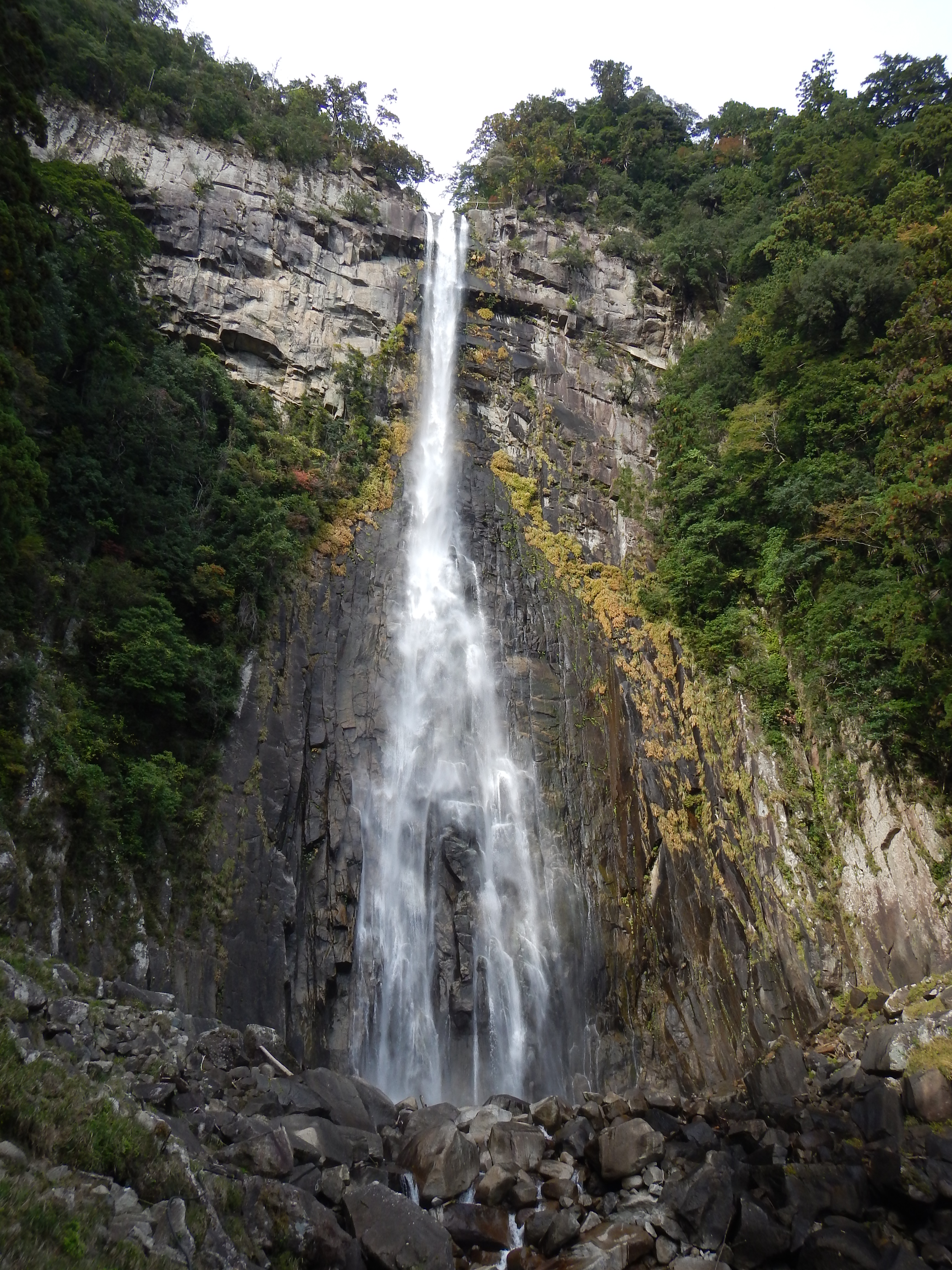
那智滝 (Nachi Waterfall) – A Majestic Jewel of Wakayama, Japan
Discover the thunderous beauty of Japan’s tallest single-drop waterfall, soak in the surrounding nature, and explore nearby hidden gems—all in one unforgettable day.
1. Introduction
Imagine standing at the base of a 133‑meter cascade that roars like a wild river, its mist painting rainbows across a lush, forested gorge. That is 那智滝 (Nachi Waterfall)—the crown jewel of Wakayama Prefecture and one of Japan’s most iconic waterfalls. Whether you’re a seasoned hiker, a photography enthusiast, or simply a traveler chasing awe‑inspiring scenery, Nachi‑taki promises an experience that feels both timeless and exhilarating.
In this guide, we’ll dive into the waterfall’s history, share how to reach it, reveal the best seasons to visit, and point you toward nearby attractions that round out a perfect Wakayama adventure.
2. About 那智滝
A Natural Marvel
- Height: 133 m (the tallest single‑drop waterfall in Japan)
- Location: Shingu, Wakayama Prefecture, Japan
- Coordinates: 33.675283 N, 135.887627 E
Nachi Waterfall tumbles over a sheer basalt cliff into the Kumano River, creating a thunderous sheet of water that can be heard from several hundred meters away. The waterfall is part of the Kumano Kodo UNESCO World Heritage pilgrimage routes, linking it to centuries‑old spiritual traditions.
Historical & Cultural Significance
Nachi‑taki has long been a sacred site for Shinto and Buddhist worshippers. The nearby Nachi Taisha shrine, one of the three grand shrines of the Kumano region, venerates the waterfall as a divine spirit (神水, shin‑sui). Pilgrims historically performed purification rituals under the mist, believing the waterfall’s water to possess healing properties.
Today, the waterfall remains a focal point for both religious ceremonies and tourism, symbolizing the harmonious blend of nature and spirituality that defines the Kumano region.
3. How to Get There
By Air
- Nearest airports: Kansai International Airport (KIX) or Osaka Itami Airport (ITM). From either airport, take a train to Shingu Station (approximately 2.5–3 hours).
By Train
- JR Kisei Line: Ride the limited‑express Kuroshio from Osaka or Kyoto to Shingu Station.
- Alternative: Take the JR Kisei Line to Kii-Tanabe Station, then transfer to a local bus bound for Nachi.
By Bus
- Shingu City Bus: From Shingu Station, hop on a local bus heading toward Nachi‑san (the mountain that hosts the waterfall). Buses run roughly every 30 minutes during peak tourist seasons.
By Car
- Driving: From the Kisei Expressway, exit at Nachi‑Katsuura Interchange. Follow the signs for Nachi‑san; the waterfall is about a 20‑minute drive from the interchange. Parking is available near the Nachi‑san Ropeway station.
On‑Foot Access
The waterfall’s viewing platform is a short, well‑maintained walk from the Nachi‑san Ropeway (cable car) station. The ropeway itself climbs the mountain, offering spectacular aerial views before you even reach the base of the falls.
4. Best Time to Visit
| Season | Highlights | Visitor Tips |
|---|---|---|
| Spring (Mar–May) | Cherry blossoms framing the waterfall; moderate temperatures. | Arrive early to avoid weekend crowds. |
| Summer (Jun–Aug) | Lush green foliage; waterfall’s mist offers natural cooling. | Bring a rain jacket—June is the start of the rainy season. |
| Autumn (Sep–Nov) | Brilliant fall colors (maple & ginkgo) contrast with the white cascade. | Ideal for photography; weekdays are less busy. |
| Winter (Dec–Feb) | Rare snow‑capped waterfall; dramatic, crisp air. | Dress warmly; some ropeway services may operate on a reduced schedule. |
Overall recommendation: Late October to early November delivers the perfect mix of vivid foliage, comfortable weather, and manageable visitor numbers.
5. What to Expect
The Sights & Sounds
- Roaring Water: The 133‑meter drop creates a constant, resonant roar that can be felt in your chest.
- Mist‑Born Rainbows: On sunny days, the spray forms vibrant rainbows—prime photo opportunities.
- Surrounding Forest: Towering cedars and Japanese maples line the gorge, offering shaded walking paths.
Visitor Experience
- Viewing Platform: A spacious deck provides unobstructed views and safety railings. Benches allow you to sit and soak in the atmosphere.
- Ropeway Ride: The Nachi‑san Ropeway takes you up to the shrine and offers panoramic vistas of the Pacific Ocean and the rugged coastline.
- Cultural Touches: Small stone lanterns and prayer plaques near the base reflect the site’s spiritual heritage.
Accessibility
The main viewing area is wheelchair‑friendly, with paved paths and gentle slopes. However, the final approach to the waterfall’s edge involves some stairs, so visitors with limited mobility may prefer the ropeway’s upper platform for a broader perspective.
6. Nearby Attractions
After marveling at Nachi‑taki, extend your day with these nearby gems (all within a 10‑km radius).
| Attraction | Type | Distance from 那智滝 | Quick Details |
|---|---|---|---|
| [Unnamed Dam] | Dam | 2.6 km | Scenic reservoir; great for a quiet lakeside stroll. |
| [Unnamed Dam] | Dam | 6.1 km | Offers panoramic views of the surrounding valleys. |
| [Kuwanokino Falls] | Waterfall | 7.2 km | A smaller cascade tucked in a forested ravine—ideal for a peaceful hike. |
| [Hot Spring Free] | Hot Spring | 7.2 km | Natural hot spring where you can soak in mineral‑rich waters (free entry). |
| [noname Fountain] | Fountain | 8.5 km | A charming stone fountain surrounded by garden paths—perfect for a quick photo stop. |
Pro tip: Combine a visit to Kuwanokino Falls with a short trek to the Hot Spring Free for a relaxing post‑hike soak.
7. Travel Tips
- Start Early: The popular ropeway and parking lots fill up quickly, especially on weekends and holidays. Arriving before 9 am gives you the best chance to beat the crowds.
- Dress in Layers: Even in summer, the waterfall’s mist can feel chilly. A light waterproof jacket and breathable layers keep you comfortable.
- Footwear: Wear sturdy, slip‑resistant shoes. The paths near the waterfall can be wet and slippery.
- Photography: Bring a polarizing filter to reduce glare and enhance rainbow colors. A tripod is useful for low‑light shots in early morning or dusk.
- Respect the Sacred Space: Keep noise levels low near the shrine area, and avoid stepping on marked pathways to preserve the natural environment.
- Cash on Hand: While many attractions accept credit cards, small kiosks (souvenir stalls, snack stands) may be cash‑only.
- Stay Connected: Mobile signal can be spotty near the gorge. Download offline maps (Google Maps or MAPS.ME) before you head out.
- Check Ropeway Hours: Seasonal variations may affect operating times. Verify the schedule on the official Nachi‑san Ropeway website or at the ticket office.
8. Wrap‑Up
那智滝 is more than just a waterfall; it’s a living tapestry of nature, history, and spirituality woven into the heart of Wakayama. From the thunderous plunge of 133 meters to the tranquil hot springs just a short drive away, the area offers a balanced blend of adventure and relaxation.
Plan your trip, respect the surroundings, and let the mist of Nachi‑taki refresh your spirit. Whether you’re ticking off a bucket‑list destination or stumbling upon a hidden treasure, this iconic waterfall will leave an indelible imprint on your travel memories.
Ready to chase the roar? Pack your camera, slip on those hiking boots, and set your compass for 那智滝—Wakayama’s cascading masterpiece.
Keywords: Nachi Waterfall, 那智滝, Wakayama travel, Japan waterfalls, Shingu attractions, Kumano Kodo, best time to visit Nachi Falls, how to get to Nachi Waterfall, nearby attractions Wakayama, Kumano pilgrimage.
