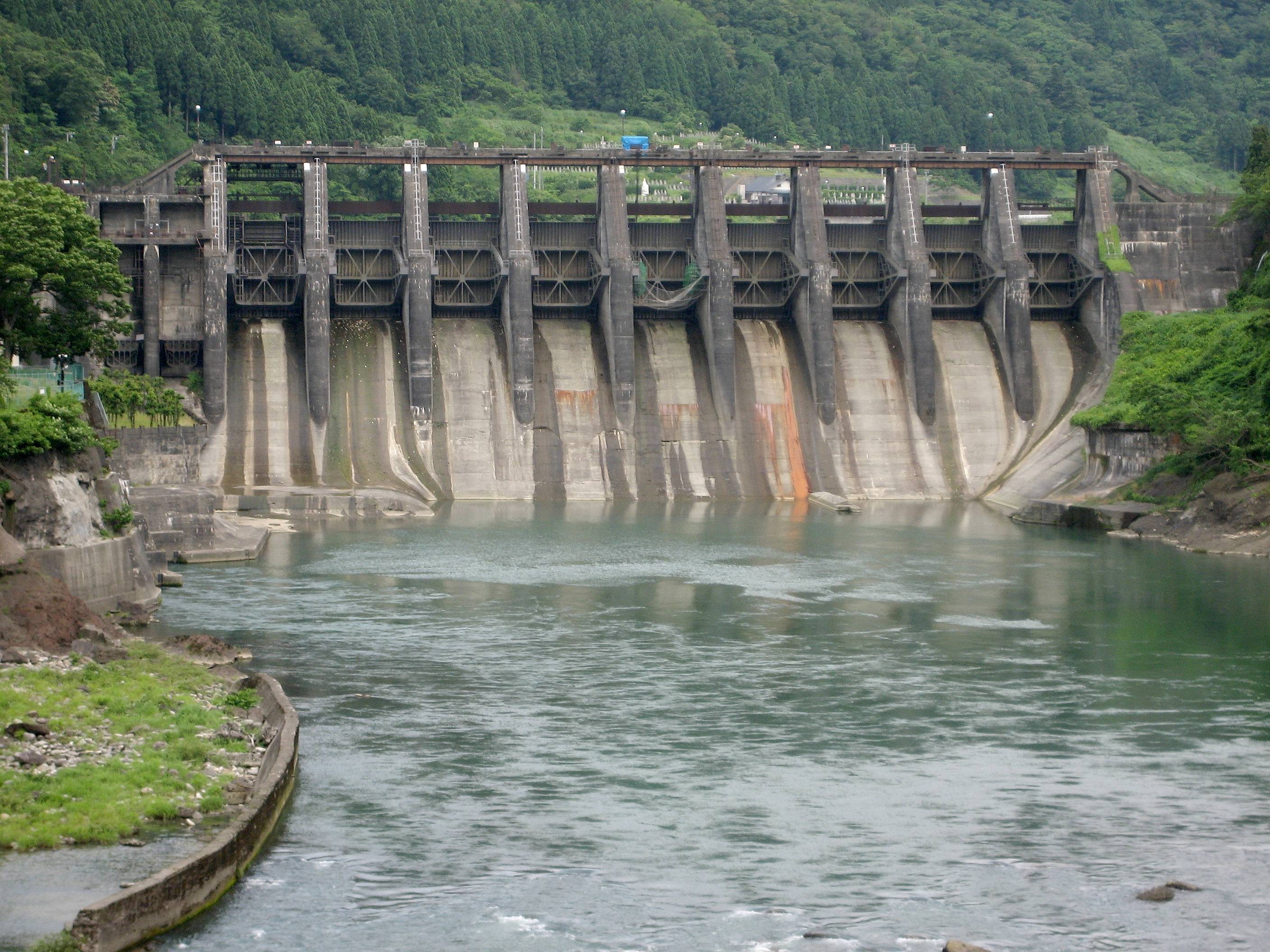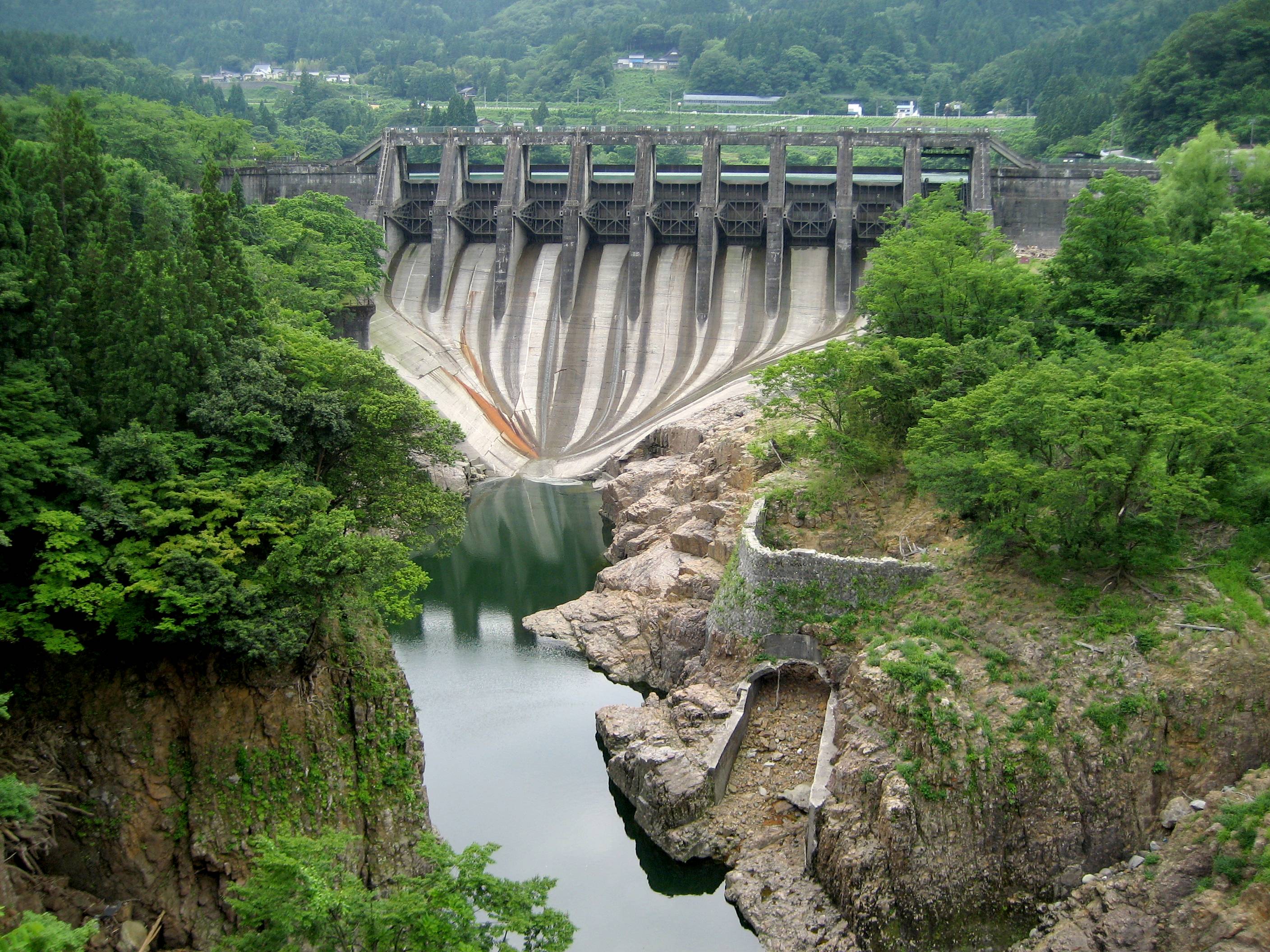
神一ダム (Shinichi Dam) – A Hidden Gem in Toyama, Japan
Discover the tranquil beauty of a lesser‑known dam nestled in the mountains of Toyama, and learn how to make the most of your visit.
1. Introduction
If you’ve already trekked the iconic Tateyama Kurobe Alpine Route or admired the sparkling waters of the Kurobe Gorge, you might think you’ve seen all that Toyama has to offer. Yet tucked away in the quiet district of Yatsuomachi‑Higashikumisaka lies 神一ダム (Shinichi Dam) – a modest‑sized dam that rewards the curious traveler with pristine river scenery, crisp mountain air, and a glimpse into Japan’s diligent water‑management heritage.
While it doesn’t boast the towering height of the Kurobe Dam, 神一ダム provides a peaceful setting for photography, gentle walks, and a deeper appreciation of rural Toyama. In this guide we’ll explore everything you need to know to plan a smooth, memorable day trip to this off‑the‑beaten‑path attraction.
2. About 神一ダム
| Detail | Information |
|---|---|
| Name | 神一ダム (Shinichi Dam) |
| Type | Dam (gravity/earth‑fill – specific design not publicly disclosed) |
| Location | Yatsuomachi‑Higashikumisaka, Toyama Prefecture, Japan |
| Coordinates | 36.496088 N, 137.241075 E |
| Primary Purpose | Water resource management for the surrounding community (irrigation, flood control, and local water supply) |
| Year of Completion | Not widely documented; the dam is listed on the Japanese Wikipedia page for local infrastructure. |
| Public Access | Open to pedestrians; no admission fee. |
History & Significance
神一ダム is part of Toyama’s extensive network of small‑scale dams that support agriculture and protect downstream towns from seasonal flooding. Although the exact construction date is not prominently recorded, the dam’s presence on the official Toyama prefectural infrastructure list underscores its role in sustaining the local economy.
Because the dam is situated in a relatively remote, forest‑rich area, it has escaped the heavy tourist traffic that surrounds larger landmarks. This makes it an ideal spot for travelers seeking authentic rural Japan and a chance to experience the calm that only a small mountain reservoir can provide.
3. How to Get There
From Toyama City (Toyama Station)
| Mode | Approx. Time | Directions |
|---|---|---|
| Car (Rental or Private) | 45 – 60 min | Take the Toyama Expressway (E41) north toward Nanto. Exit at the Yatsuo Interchange, then follow local signs for Yatsuomachi‑Higashikumisaka. The dam is signposted after a short climb into the hills. |
| Public Bus + Taxi | 1 h 30 min + 10 min | Board the JR Bus “Nanto Line” from Toyama Station to Yatsuo‑Higashikumisaka (approx. 1 h 30 min). From the bus stop, a local taxi (≈ 5 km) will drop you at the dam’s parking area. |
| Bicycle (Adventure) | 2 – 3 h | For the truly adventurous, the route is bike‑friendly with scenic country roads. Bring a sturdy mountain bike and be prepared for some elevation gain. |
Parking & Facilities
- Parking lot: A small, free lot sits just a few meters from the dam’s viewing platform. Spaces fill quickly on weekends, so arrive early (7 – 8 am) for the best chance of a spot.
- Restrooms: Portable toilets are available near the parking area.
- Information board: A brief plaque explains the dam’s purpose and local ecology (in Japanese). English signage is limited, so a translation app can be handy.
4. Best Time to Visit
| Season | Highlights | Weather Tips |
|---|---|---|
| Spring (April – May) | Cherry blossoms along the riverbanks; fresh green foliage. | Mild temperatures (10‑18 °C). Pack a light jacket and rain gear. |
| Summer (June – August) | Lush forest canopy; occasional mist over the reservoir. | Warm (20‑27 °C) with occasional rain. Early mornings are cooler and less crowded. |
| Autumn (September – November) | Vibrant maple and ginkgo leaves turning red, orange, and gold – perfect for photography. | Cool (12‑20 °C). Clear skies enhance views of the surrounding mountains. |
| Winter (December – February) | Snow‑capped hills create a serene, almost magical atmosphere. | Cold (‑2 – 5 °C). Snow may cover paths; wear waterproof boots and consider a tripod for low‑light shots. |
Peak visitor months are late April (cherry blossom) and mid‑October (autumn colors). If you prefer solitude, aim for early May or early December.
5. What to Expect
Arriving at 神一ダム, you’ll first notice the gentle hush that only a mountain reservoir can generate. The water is a clear, glassy blue, reflecting the surrounding forest and, on clear days, the distant peaks of the Northern Alps.
Activities
- Scenic Walks: A short, well‑maintained trail circles the dam, offering multiple viewpoints. The loop is about 1 km and suitable for all ages.
- Photography: The dam’s concrete structure contrasts beautifully with the natural backdrop. Look for sunrise over the water (east‑facing side) and sunset reflections on the western side.
- Birdwatching: The area attracts kingfishers, white‑spotted wagtails, and occasional migratory waterfowl. Bring binoculars for a closer look.
- Picnics: Picnic tables are placed near the parking lot. Pack a bento and enjoy a quiet lunch with the sound of flowing water as your soundtrack.
Atmosphere
Because the dam is not a major tourist hub, you’ll often find only a handful of locals—fishermen, hikers, or families—sharing the space. This low‑key vibe makes it perfect for meditation, sketching, or simply unplugging from city life.
6. Nearby Attractions
While 神一ダム can easily fill a half‑day, the surrounding region offers several additional points of interest that are within a short drive.
| Attraction | Distance | Type | Quick Note |
|---|---|---|---|
| [Unnamed Weir] | 1.8 km | Weir | A small historic weir on the same river; ideal for a quick photo stop. |
| [Unnamed Waterfall] | 4.9 km | Waterfall | A cascade tucked in a narrow gorge; best visited after a short hike. |
| 久婦須川ダム (Kufusukawa Dam) | 5.1 km | Dam | Larger than 神一ダム, featuring a visitor center and boat rentals (seasonal). |
| [Unnamed Waterfall #2] | 5.3 km | Waterfall | Known for its crystal‑clear plunge pool; great for a refreshing dip in summer. |
| [Unnamed Waterfall #3] | 5.5 km | Waterfall | A multi‑tiered fall surrounded by maple trees—spectacular in autumn. |
Tip: All these sites are reachable by the same local road that leads to 神一ダム. If you rent a car, you can create a scenic loop that includes each stop, making for a delightful afternoon of exploration.
7. Travel Tips
- Language: Signage at the dam is primarily Japanese. Download an offline translation app (e.g., Google Translate) to read the information board.
- Cash: Rural Toyama still relies heavily on cash. Bring ¥2,000–¥5,000 for parking (if a fee is introduced) or for snacks at local convenience stores.
- Connectivity: Mobile signal can be spotty. Consider downloading offline maps (Google Maps offline area) before you leave.
- Respect the Environment: The area is a protected watershed. No swimming is allowed at 神一ダム itself, and littering is strictly prohibited. Use the provided trash bins.
- Safety: The trail around the dam can be slippery after rain. Wear sturdy, non‑slip shoes and watch your step near the water’s edge.
- Photography Gear: A wide‑angle lens captures the dam’s structure against the mountains, while a telephoto lens helps isolate wildlife. A polarizing filter reduces glare on the water surface.
- Timing: Arrive early in the morning (7 – 8 am) to avoid the occasional weekend crowd and to catch the soft morning light.
8. Closing Thoughts
神一ダム may not have the fame of the Kurobe Dam, but its understated charm makes it a perfect destination for travelers who cherish quiet natural settings, authentic local infrastructure, and photographic opportunities away from the tourist throngs. Whether you’re a seasoned photographer, a nature lover, or simply someone looking to escape the city buzz, a visit to this hidden dam offers a refreshing slice of Toyama’s serene mountain life.
Pack a light snack, charge your camera, and set your GPS to 36.496088, 137.241075—the tranquil waters of 神一ダム await.
Keywords: 神一ダム, Shinichi Dam, Toyama dam, Yatsuomachi, travel Toyama, Japan dam tourism, hidden gems Japan, Toyama nature, waterfall Toyama, Kufusukawa Dam, rural Japan travel.