雨滝 (Ame‑taki) – Tottori’s Hidden Waterfall Gem
Discover the mist‑kissed cascade that locals call “Rain Waterfall” and why it belongs on every Japan travel itinerary.
1. Introduction
Imagine stepping into a quiet forest in the heart of Tottori Prefecture, the air suddenly filled with the soft roar of water tumbling over stone. A fine mist settles on your skin, and the scent of pine and riverbank earth surrounds you. This is 雨滝 (Ame‑taki) – literally “Rain Waterfall” – a lesser‑known but utterly enchanting waterfall that feels like a secret shared only with the most adventurous travelers.
If you’ve already explored the famous sand dunes of Tottori, the historic Tottori Castle, or the dramatic cliffs of the San’in Coast, add 雨滝 to your list for a refreshing change of pace. Its secluded location, pristine natural setting, and the soothing sound of cascading water make it a perfect spot for photography, meditation, or a simple escape from the city buzz.
2. About 雨滝
Description
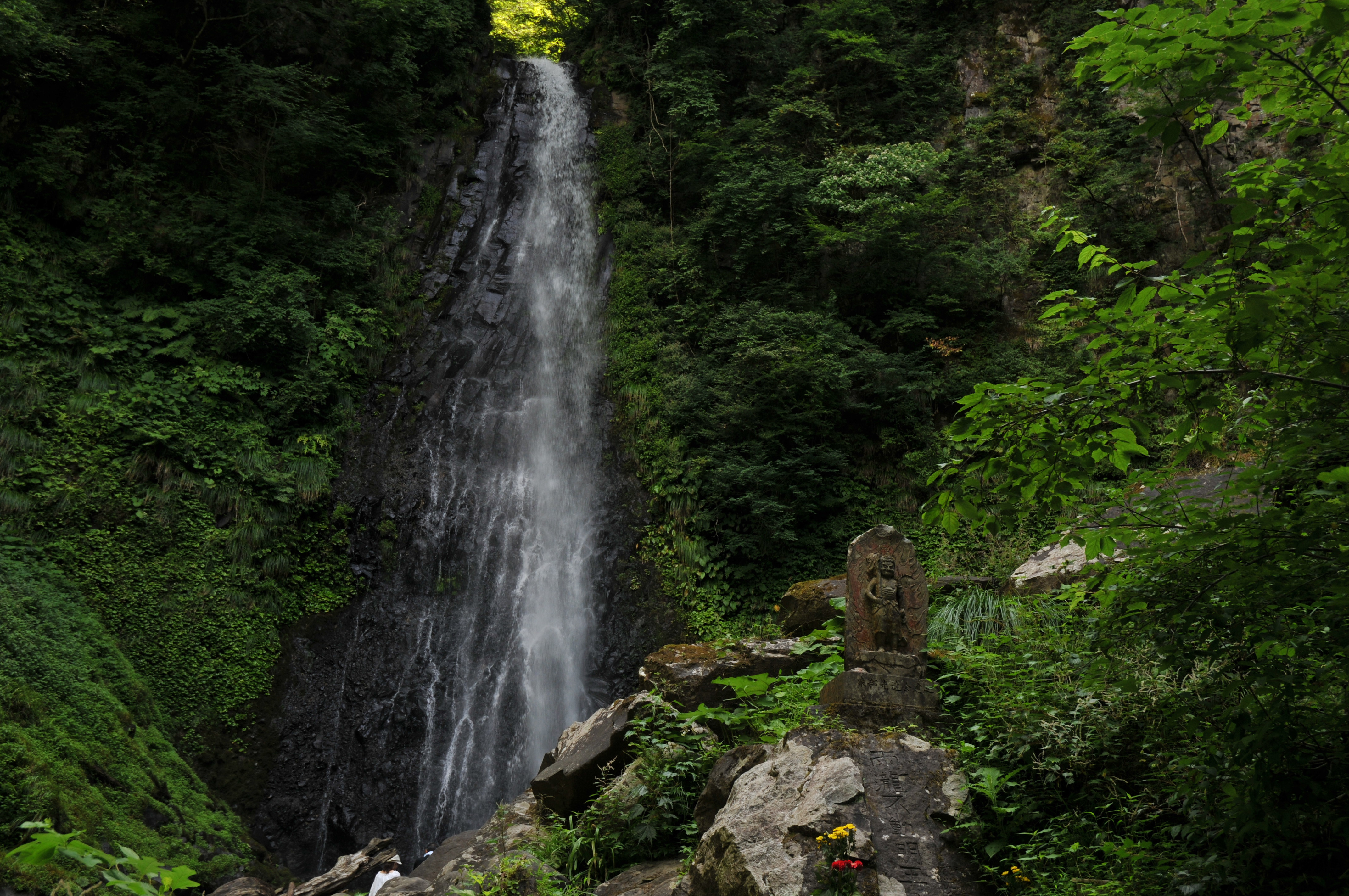
雨滝 is a natural waterfall located at latitude 35.478233, longitude 134.404581 in the city of Tottori, Tottori Prefecture, Japan. While the exact height and altitude are not officially recorded, the waterfall is known for its steady flow that creates a fine, rain‑like spray—hence the name. The cascade drops over a series of rugged rocks, feeding a clear mountain stream that winds through a dense canopy of native cedar and maple trees.
History & Significance
The waterfall has long been a local landmark, referenced in regional folklore as a place where “the rain never stops.” Historically, villagers used the surrounding forest for timber and the stream for irrigation, but the waterfall itself remained a place of quiet reverence. In recent years, 雨滝 has attracted hikers and nature lovers seeking an off‑the‑beaten‑path experience in Tottori.
Because the site is relatively untouched by large‑scale tourism, it retains an authentic Japanese nature vibe—ideal for those who want to connect with the country’s natural heritage without the crowds of more famous sites.
3. How to Get There
By Public Transportation
- Start at Tottori Station (JR San’in Main Line).
- Bus: Take the local bus bound for Matsue or Kurayoshi and alight at the “雨滝入口 (Ame‑taki Entrance)” stop. The ride takes roughly 30‑40 minutes.
- Walk: From the bus stop, follow the signposted forest trail for about 15‑20 minutes. The path is well‑maintained but can be slippery after rain, so wear sturdy shoes.
Tip: Buses run less frequently on weekends and holidays, so check the latest timetable on the Tottori City Transportation website before you travel.
By Car
- From Tottori City Center: Take National Route 9 heading north, then turn onto Prefectural Road 31 toward the Ame‑taki area.
- Parking: A small free parking lot sits near the trailhead (≈10‑12 cars). Arrive early during peak foliage season (late October) to secure a spot.
By Taxi / Ride‑Share
If you prefer a door‑to‑door experience, a taxi from Tottori Station to the waterfall costs roughly ¥2,500–¥3,000 (≈20 km). Many local drivers speak basic English and can guide you to the best viewing points.
4. Best Time to Visit
| Season | Highlights | Why Visit |
|---|---|---|
| Spring (Mar‑May) | Fresh green foliage, cherry blossoms nearby | The water flow is strong from snowmelt, creating a vibrant mist. |
| Summer (Jun‑Aug) | Lush canopy, cooler micro‑climate | Ideal for a refreshing dip in the pool at the waterfall’s base (if conditions allow). |
| Autumn (Sep‑Nov) | Brilliant red‑orange maples, golden light | The mist catches the autumn colors for spectacular photo opportunities. |
| Winter (Dec‑Feb) | Quiet, occasional ice formations | Fewer visitors, a serene atmosphere; the waterfall may partially freeze, creating a dramatic scene. |
Overall recommendation: Late October to early November offers the perfect blend of comfortable temperatures, vivid foliage, and a steady water flow that enhances the “rain” effect of 雨滝.
5. What to Expect
When you arrive at the trailhead, a modest wooden sign welcomes you with the kanji 雨滝 and a small illustration of the cascade. The forest trail is about 1.2 km long, gently undulating with occasional wooden steps. As you approach the waterfall, the sound of water grows louder, and a fine spray begins to cling to your skin—hence the name “Rain Waterfall.”
At the viewing platform, you’ll see water plunging over a series of rock ledges, creating a veil of mist that catches the sunlight in a subtle rainbow. The pool at the base is clear and cold; while swimming isn’t officially permitted, many visitors sit on the rocks to dip their feet and enjoy the refreshing chill.
The surrounding forest is home to Japanese macaques, sika deer, and a variety of bird species, so keep an eye out for wildlife. In early morning or late afternoon, the light filters through the leaves, casting a soft, ethereal glow that makes for unforgettable photographs.
6. Nearby Attractions
Rainfall isn’t the only natural wonder in this part of Tottori. The following waterfalls and sites are within a 5‑km radius, making for an excellent day‑trip circuit:
| Attraction | Distance from 雨滝 | Highlights | Link |
|---|---|---|---|
| 桂の滝 (Katsura no Taki) | 3.6 km | Elegant cascade surrounded by maple trees; popular for autumn colors. | Wikipedia – 桂の滝 |
| シワガラの滝 (Shiwagara no Taki) | 3.7 km | A series of tiered falls creating a “ribbon” effect; great for short hikes. | Wikipedia – シワガラの滝 |
| 布滝 (Nunobiki) | 4.0 km | Known for its wide, curtain‑like flow; often misty in summer. | Wikipedia – 布滝 |
| 尾の谷滝 (Ono no Tani Taki) | 4.4 km | Hidden in a narrow gorge; a favorite spot for photographers. | Wikipedia – 尾の谷滝 |
| (堰) (Weir) | 4.4 km | Small historic weir offering insight into traditional irrigation. | — |
Suggested itinerary: Start at 雨滝 in the morning, then head south to 桂の滝 for lunch (local river‑side cafés serve soba). In the afternoon, explore シワガラの滝 and finish at 尾の谷滝 for sunset photography.
7. Travel Tips
| Tip | Details |
|---|---|
| Wear proper footwear | The trail can be slippery, especially after rain. Waterproof hiking boots with good traction are ideal. |
| Bring a rain jacket | The waterfall’s mist can quickly dampen clothing; a lightweight, breathable rain jacket keeps you comfortable. |
| Pack a small towel | The spray is refreshing but can leave you wet. A quick dry‑off lets you enjoy the rest of the day without shivering. |
| Respect nature | Stay on marked paths, avoid littering, and do not disturb wildlife. The area is a protected natural site. |
| Photography gear | A polarizing filter reduces glare from the water, while a waterproof camera case protects your equipment from mist. |
| Timing | Arrive early (7–8 am) during peak foliage season to beat the small crowd and capture soft morning light. |
| Food & water | There are no vending machines at the waterfall. Carry enough water and snacks; a packed bento can be enjoyed on a scenic rock. |
| Language | Signage is primarily in Japanese, but most locals understand basic English. Having the name “雨滝” written on a phone or paper helps when asking for directions. |
| Safety | The pool at the base can be deep and cold. If you choose to wade, test the depth first and keep an eye on slippery rocks. |
Final Thoughts
雨滝 may not appear on every mainstream travel guide, but that’s precisely why it feels like a hidden treasure. Its gentle cascade, mist‑kissed atmosphere, and surrounding forest offer a serene retreat that embodies the quiet beauty of rural Japan. Whether you’re a seasoned hiker, a photography enthusiast, or simply a traveler yearning for a moment of calm, Ame‑taki in Tottori is a destination worth seeking out.
Pack your hiking boots, bring a camera, and let the rain of this enchanting waterfall refresh both body and spirit.
Keywords: 雨滝, Ame‑taki, Tottori waterfall, Tottori travel, Japan nature, waterfall in Tottori, how to get to 雨滝, best time to visit 雨滝, nearby attractions Tottori, travel tips Japan