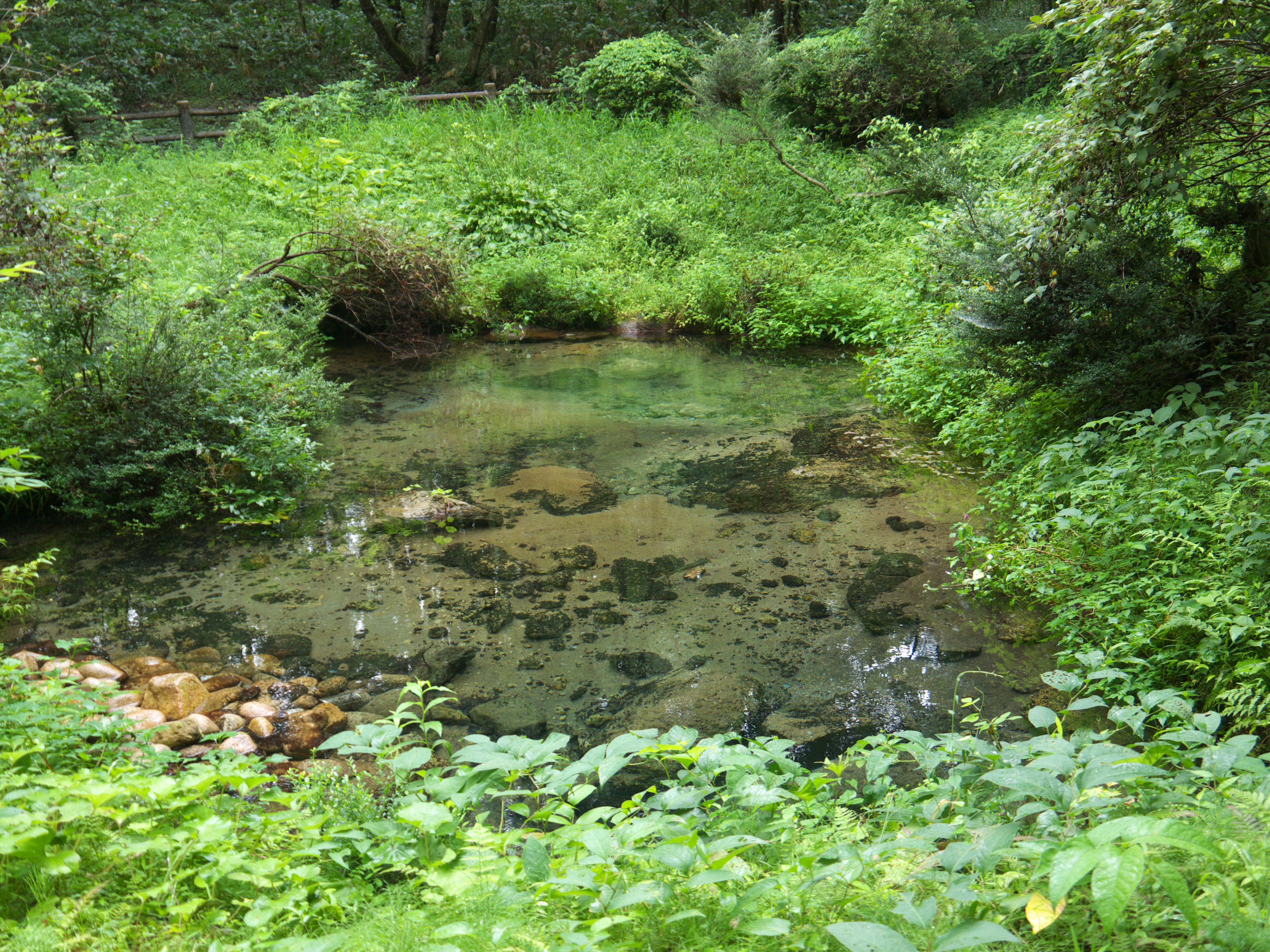
塩釜の冷泉 (Shiofuna no Reisen) – A Hidden Spring Gem in Kurayoshi, Tottori
Discover the crystal‑clear waters, serene forest setting, and the quiet charm of one of Tottori’s best‑kept natural secrets.
1. Introduction
If you’ve ever dreamed of stumbling upon a pristine spring tucked away in the Japanese countryside, 塩釜の冷泉 (Shiofuna no Reisen) should be at the top of your bucket list. Nestled in the rolling hills of Kurayoshi, Tottori Prefecture, this spring offers a refreshing pause from the bustling city life and a chance to connect with nature in its purest form. Whether you’re a seasoned traveler chasing off‑the‑beaten‑path sites, a photography enthusiast hunting for reflective water scenes, or simply a lover of tranquil landscapes, the cool, clear waters of Shiofuna no Reisen promise an unforgettable experience.
2. About 塩釜の冷泉
What is Shiofuna no Reisen?
- Type: Natural spring (冷泉 – “cold spring”)
- Location: Kurayoshi, Tottori, Japan
- Coordinates: 35.301972 N, 133.679089 E
The spring’s name translates roughly to “Salt‑pan Cold Spring,” hinting at the historic salt‑making activities that once dotted the Tottori coastline. While the exact altitude and height of the spring are not documented, its reputation rests on the crystal‑clear, cool water that emerges year‑round, maintaining a temperature that feels invigorating even on the hottest summer days.
A Brief Historical Glimpse
Shiofuna no Reisen has been known to locals for centuries, serving as a reliable water source for agriculture and daily life. Over time, the spring became a quiet gathering spot for villagers, who appreciated its purity and the shade provided by surrounding cedar and maple trees. Though the area never transformed into a commercial hot‑spring resort, its natural charm has attracted hikers, nature photographers, and eco‑tourists seeking an authentic slice of rural Japan.
Cultural Significance
In Japanese culture, 冷泉 are often associated with purity, renewal, and spiritual cleansing. While Shiofuna no Reisen is not officially designated as a religious site, many visitors treat the act of drinking or gently splashing the water as a personal ritual of refreshment and mindfulness. The spring’s location within a relatively untouched forest also reflects Japan’s deep respect for satoyama—the harmonious coexistence of human activity and nature.
3. How to Get There
From Major Transport Hubs
| Starting Point | Recommended Route | Approx. Travel Time |
|---|---|---|
| Tottori Station (JR San’in Main Line) | Take a local bus toward Kurayoshi → Transfer to a community bus heading to the “Shiofuna” stop. | 1 hour 15 min |
| Kurayoshi Station (JR San’in Main Line) | Direct community bus to “Shiofuna” (or rent a bicycle for a scenic ride). | 30 min |
| Yonago Airport | Bus to Tottori Station → follow the route above. | 1 hour 45 min |
Pro tip: The community bus schedule is limited on weekends and holidays, so check the latest timetable on the Kurayoshi city website before you travel.
By Car
If you prefer driving, rent a car in Tottori or Kurayoshi and follow these steps:
- From Tottori City: Take Route 9 east toward Kurayoshi.
- Exit at Kurayoshi‑Machi (Kurayoshi Town) Interchange and follow local signs for “塩釜の冷泉” or use GPS coordinates 35.301972, 133.679089.
- Parking: A small, free parking lot sits near the trailhead. Space is limited, so arrive early during peak seasons.
Walking & Cycling
The spring is accessible via a well‑marked forest trail that starts near the parking area. The walk is gentle (≈ 15 minutes) and suitable for all ages. Cyclists can ride the paved road up to the trailhead, then lock their bikes before proceeding on foot.
4. Best Time to Visit
| Season | What to Expect | Why It’s Ideal |
|---|---|---|
| Spring (Mar‑May) | Cherry blossoms and fresh green foliage frame the spring. Temperatures are mild (10‑18 °C). | Perfect for photography and comfortable hiking. |
| Summer (Jun‑Aug) | The water stays cool, offering a natural “air‑conditioner” in the heat. Early mornings are misty. | Ideal for a refreshing dip after a day of exploring Tottori’s sand dunes. |
| Autumn (Sep‑Nov) | Vibrant maple and ginkgo leaves turn the forest gold and crimson. | The contrast of colorful leaves with clear water creates stunning scenery. |
| Winter (Dec‑Feb) | The spring may form a thin layer of ice, creating a serene, quiet atmosphere. | For those who love solitude and crisp, clean air. |
Overall recommendation: Late April to early May and late October to early November provide the most photogenic backdrops while avoiding the occasional summer rain showers.
5. What to Expect
The Sensory Experience
- Sight: A narrow, stone‑lined channel where crystal‑clear water bubbles up from the earth, surrounded by moss‑covered rocks and dappled sunlight filtering through the canopy.
- Sound: Gentle, continuous trickling that blends with birdsong—an acoustic backdrop that instantly soothes.
- Touch: The water feels refreshingly cool (often around 10‑12 °C) even on a warm day, perfect for a quick splash or a brief hand‑wash.
- Smell: Fresh forest air, with subtle hints of pine and earth after a light rain.
Visitor Etiquette
- Leave no trace: Pack out any trash, and avoid disturbing the natural flora.
- Respect the water: Swimming is not permitted beyond the immediate spring pool; the site is meant for observation and light splashing.
- Quietude: Keep voices low to preserve the tranquil atmosphere for fellow visitors.
Facilities
- Restroom: A modest public toilet near the parking lot (seasonally maintained).
- Seating: A few wooden benches placed along the trail for rest and contemplation.
- Information board: Provides a brief history of the spring and a map of nearby points of interest.
6. Nearby Attractions
While Shiofuna no Reisen is the star of the day, the surrounding area offers several complementary sites that can easily fill a half‑day itinerary.
| Attraction | Distance from Shiofuna no Reisen | Description |
|---|---|---|
| 塩釜冷泉 (another spring) | 3.2 km | A neighboring cold spring with similar water quality—great for a comparative visit. |
| [Unnamed Weir] | 6.9 km | A small weir that creates a picturesque pond, ideal for picnics. |
| [Unnamed Dam] | 6.9 km | Offers panoramic views of the reservoir and surrounding hills; popular with birdwatchers. |
| [Unnamed Weir] | 7.0 km | A quiet spot where the river narrows, perfect for reflective photography. |
| [Unnamed Weir] | 7.0 km | Another charming water feature surrounded by seasonal foliage. |
Tip: Since the weirs and dam lack official English signage, consider downloading a GPS map of the area or hiring a local guide for a seamless exploration.
7. Travel Tips
- Check Bus Schedules Early – Rural bus services in Tottori can be infrequent, especially on weekends. Arrive at the bus stop a few minutes before departure.
- Wear Comfortable Footwear – The trail to the spring is uneven and may be slippery after rain. Sturdy hiking shoes or trail sneakers are recommended.
- Bring a Light Rain Jacket – Tottori’s weather can change quickly; a compact waterproof layer keeps you comfortable.
- Pack a Picnic – There are no food vendors near the spring. A simple bento, fresh fruit, and a reusable water bottle make for a delightful outdoor meal.
- Respect Local Customs – When drinking spring water, do so modestly and avoid spillage. Locals view the spring as a shared community resource.
- Photography Gear – A wide‑angle lens captures the forest canopy, while a macro lens highlights the delicate water droplets on moss. A small tripod can help with low‑light shots under the tree canopy.
- Stay Connected – Cellular coverage can be spotty in the forest. Download offline maps (Google Maps or MAPS.ME) before you set out.
- Seasonal Gear – In winter, bring insulated gloves if you plan to touch the water, as the spring can be near freezing.
Final Thoughts
塩釜の冷泉 may not appear on every mainstream travel guide, but that’s precisely why it holds a special place for those who seek authentic, unspoiled nature experiences in Japan. From the soothing sound of cold water bubbling up through ancient rock to the seasonal palette of surrounding forests, every visit feels like a personal retreat. Pair the spring with nearby weirs, dams, and another hidden spring, and you have a compact yet richly rewarding day trip in the heart of Kurayoshi, Tottori.
So pack your curiosity, lace up your boots, and let the cool, clear waters of Shiofuna no Reisen refresh your body and spirit. Happy travels!
Keywords: 塩釜の冷泉, Shiofuna no Reisen, Tottori spring, Kurayoshi travel, Japan hidden gems, natural spring Tottori, travel to Tottori, Japanese countryside, onsen alternative, rural Japan itinerary