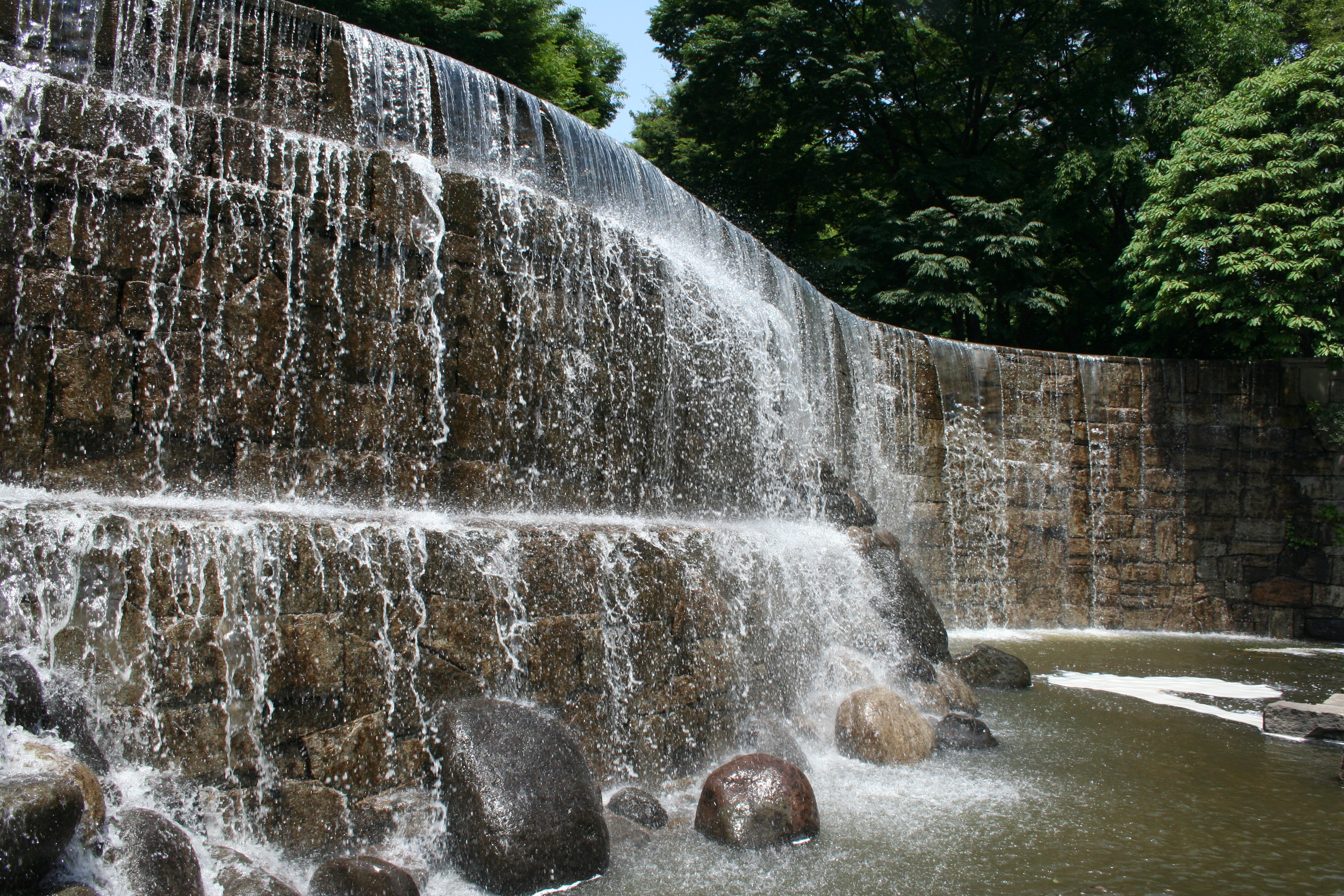
Shinjuku Niagara Falls: Tokyo’s Hidden Fountain Oasis
Discover the tranquil charm of 新宿ナイアガラの滝, a surprising splash of nature tucked into the heart of Tokyo’s bustling Shinjuku district.
1. Introduction
When you think of Tokyo, neon‑lit skyscrapers, bustling crossings, and world‑class sushi probably spring to mind. Yet the city also hides pockets of serenity that feel worlds away from the urban rush. One of the most delightful secrets is 新宿ナイアガラの滝 (Shinjuku Niagara Falls), a modest yet enchanting fountain that brings the soothing sound of cascading water to the lively streets of Shinjuku. Whether you’re a first‑time visitor, a local looking for a quiet escape, or a photography enthusiast hunting unique cityscapes, this hidden gem is worth a stop on your Tokyo itinerary.
2. About 新宿ナイアガラの滝
What Is It?
Shinjuku Niagara Falls is a public fountain located in the heart of Tokyo’s Shinjuku ward (coordinates: 35.690099, 139.689604). Despite its name, the water feature is far smaller than its North American namesake, but the moniker captures the sense of awe it inspires—especially when the sun catches the spray and creates a miniature rainbow over the bustling streets.
History & Significance
While the exact construction date and height of the fountain remain undocumented, the installation reflects Tokyo’s long‑standing tradition of integrating water art into public spaces. Fountains like Shinjuku Niagara Falls serve both aesthetic and practical purposes: they provide a visual focal point, a cooling micro‑climate during hot summer months, and a place for commuters to pause and collect their thoughts.
The fountain’s name pays homage to the famous Niagara Falls, symbolizing the city’s desire to bring a touch of global wonder to a local setting. It has become a modest landmark for locals and tourists alike, often appearing in travel guides and Instagram feeds under hashtags such as #ShinjukuNiagaraFalls, #TokyoFountains, and #HiddenTokyo.
Why It Matters
In a metropolis where space is at a premium, every public water feature is a testament to thoughtful urban design. Shinjuku Niagara Falls offers a moment of calm amid the rush, encouraging mindfulness and providing a photogenic backdrop for travelers seeking authentic Tokyo experiences beyond the typical tourist spots.
3. How to Get There
By Train
- JR Yamanote Line – Shinjuku Station: The most convenient gateway to Shinjuku Niagara Falls is Shinjuku Station, one of Tokyo’s busiest rail hubs. From the South Exit, follow the signs toward the Shinjuku Central Park area; the fountain is a short 5‑minute walk away.
- Tokyo Metro Marunouchi Line – Shinjuku‑Miyashita‑cho Station: Exit toward Shinjuku Central Park and you’ll spot the fountain within a few minutes of strolling.
By Bus
Several Toei Bus routes stop near Shinjuku Central Park. Look for stops labeled “Shinjuku‑Chuo‑Park” (e.g., routes 01, 02, 03). The fountain is visible from the street, making it easy to locate after alighting.
By Foot or Bicycle
If you’re staying in the Shinjuku area, the fountain is easily reachable on foot or by rental bike. The surrounding streets are pedestrian‑friendly, and many bike‑share stations are located near Shinjuku Station.
Quick Navigation Tips
- Landmark: Look for a modern water feature with a gently curving basin and a subtle cascade—often illuminated at night.
- Google Maps: Search “Shinjuku Niagara Falls” or paste the coordinates 35.690099, 139.689604 for precise navigation.
- Signage: The fountain is marked with bilingual signage (Japanese/English) indicating its name and a brief description.
4. Best Time to Visit
Seasonal Highlights
| Season | What to Expect | Why Visit |
|---|---|---|
| Spring (Mar‑May) | Cherry blossoms begin to bloom in nearby parks, adding pink petals to the water’s sparkle. | Ideal for photo‑ops and gentle weather. |
| Summer (Jun‑Aug) | The fountain provides a refreshing cool‑down; occasional evening illumination creates a magical atmosphere. | Beat the heat and enjoy evening lights. |
| Autumn (Sep‑Nov) | Golden foliage surrounds the area, creating a warm contrast with the blue water. | Perfect for relaxed strolls and sunset shots. |
| Winter (Dec‑Feb) | Light mist from the fountain can create a subtle, ethereal effect against crisp air; holiday lights may be added. | Quiet, contemplative visits with fewer crowds. |
Time of Day
- Morning (7 am–10 am): Fewer crowds, soft natural light—great for calm contemplation.
- Late Afternoon (4 pm–6 pm): The sun’s angle highlights the water’s sparkle; ideal for photography.
- Evening (7 pm–10 pm): The fountain’s illumination (if active) adds a romantic glow, perfect for night‑time city vibes.
5. What to Expect
Arriving at Shinjuku Niagara Falls, you’ll be greeted by the gentle sound of water cascading over a sleek stone basin. The design is minimalist, allowing the surrounding urban architecture to frame the fountain rather than compete with it.
- Atmosphere: A blend of urban energy and natural tranquility. Office workers often pause for a quick coffee break, while tourists snap photos or simply sit on nearby benches.
- Accessibility: The fountain area is wheelchair‑friendly, with smooth pathways and nearby seating.
- Facilities: Public restrooms and vending machines are located a short walk away in Shinjuku Central Park.
- Safety: The site is well‑lit after dark and monitored by local security patrols, making it safe for solo travelers and families alike.
6. Nearby Attractions
While you’re in the vicinity, consider exploring these complementary spots—all within a short walk:
| Attraction | Type | Distance | Link |
|---|---|---|---|
| 新宿白糸の滝 (Shinjuku Shiraito Falls) | Fountain | 0 km (right next door) | Wikipedia – Shinjuku Shiraito Falls |
| Unnamed Fountain #1 | Fountain | 0.3 km | — |
| Unnamed Fountain #2 | Fountain | 0.5 km | — |
| Unnamed Fountain #3 | Fountain | 0.5 km | — |
| Unnamed Fountain #4 | Fountain | 1.3 km | — |
Shinjuku Shiraito Falls is especially worth a visit; its delicate streams mimic the famous Shiraito Falls of Nagano Prefecture, offering a contrasting water experience within the same urban setting.
Beyond fountains, Shinjuku boasts an array of attractions: department stores (Isetan, Takashimaya), the bustling Kabukicho entertainment district, and the tranquil Shinjuku Gyoen National Garden—all easily reachable on foot or via a short subway ride.
7. Travel Tips
| Tip | Details |
|---|---|
| Bring a Small Umbrella | Even on sunny days, a light drizzle can create beautiful water‑mist effects for photos. |
| Carry Cash | While many vendors accept cards, some smaller kiosks near the fountain still prefer cash (¥500‑¥1,000). |
| Check Event Calendars | Seasonal festivals or pop‑up markets sometimes occupy the surrounding plaza, adding extra excitement. |
| Mind the Pace | Shinjuku is a high‑traffic area; stay aware of crossing signals and keep your belongings secure. |
| Use a Portable Charger | You’ll likely be snapping photos or using navigation apps—don’t let a dead battery cut your adventure short. |
| Respect Local Etiquette | Keep noise levels low, especially during early mornings, and avoid feeding wildlife (if any birds gather near the water). |
| Stay Hydrated | Tokyo’s summer humidity can be intense; grab a bottle of water from nearby vending machines. |
| Explore on Foot | The best way to soak in the atmosphere is to wander the side streets—you may discover hidden cafés, art installations, or local boutiques. |
Final Thought
Shinjuku Niagara Falls may not rival the grandeur of its North American counterpart, but its modest charm captures the essence of Tokyo’s ability to blend the modern with the natural. A quick stop at this fountain offers a refreshing pause, a photo opportunity, and a reminder that even in the world’s most frenetic cities, serenity can be found—just a few steps away.
Plan your visit, bring your curiosity, and let the gentle cascade of Shinjuku Niagara Falls refresh your Tokyo adventure!

