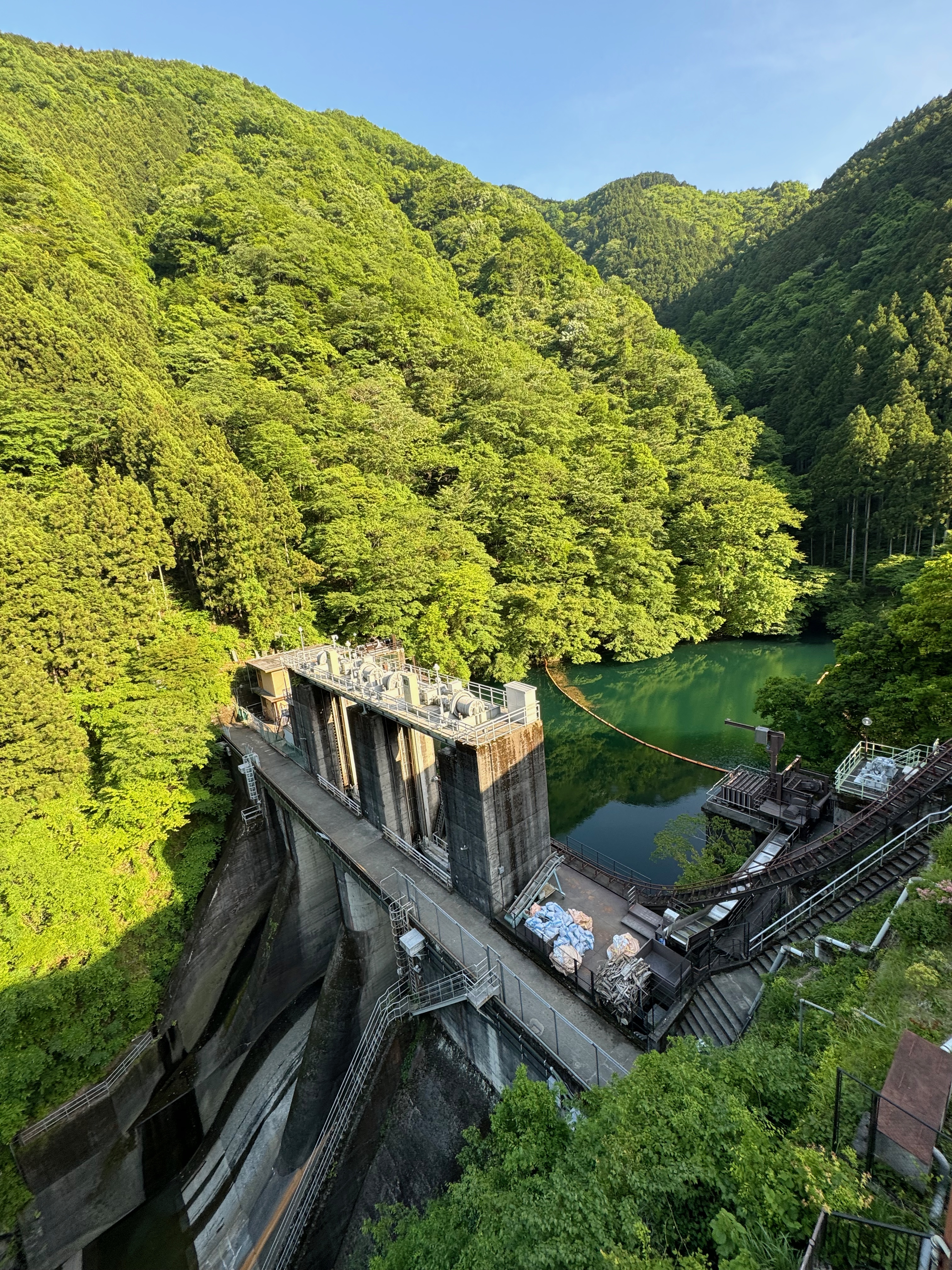
白丸調整池ダム (Shiramaru Adjustment Pond Dam) – A Hidden Gem in Ome, Tokyo
Discover the serene beauty of a 30‑meter‑high dam tucked away in the lush hills of western Tokyo, and explore the waterfalls and weirs that make this area a perfect day‑trip for nature lovers.
1. Introduction
If you think Tokyo is only neon lights, skyscrapers, and bustling streets, think again. A short ride north of the city centre lies 白丸調整池ダム (Shiramaru Chōsei‑ike Dam), a modest yet striking concrete dam that blends engineering with the surrounding forested landscape. With its crystal‑clear reservoir, gentle mist over nearby waterfalls, and easy access from central Tokyo, the dam has become a quiet sanctuary for hikers, photographers, and anyone craving a breath of fresh mountain air without leaving the prefecture.
In this guide we’ll dive into the dam’s history, how to reach it, the best seasons to visit, what you’ll see on the ground, and the hidden attractions just a stone’s throw away—like Hatonosu Canyon and 水神の滝 (Suijin no Taki). Whether you’re planning a solo adventure, a family outing, or a photo‑shoot, read on for everything you need to know about visiting 白丸調整池ダム.
2. About 白丸調整池ダム
- Location: Ome, Tokyo, Japan
- Coordinates: 35.811120 N, 139.124001 E
- Height: 30.3 m
- Type: Concrete gravity dam (adjustment pond)
Built as part of the Kawagoe River water‑management system, 白丸調整池ダム functions primarily as a regulation reservoir, helping to balance water flow during rainy seasons and providing a stable water source for downstream communities. Although the dam does not boast a massive hydro‑electric plant, its modest size (just over 30 m high) makes it an ideal spot for visitors to appreciate both engineering and nature side by side.
The dam’s name—Shiramaru—derives from the nearby Shiramaru (白丸) area, historically known for its clear mountain streams. The “adjustment pond” (調整池) designation reflects its role in fine‑tuning water levels rather than generating power.
Why It Matters
- Ecological Balance: By smoothing out sudden surges after heavy rain, the dam protects downstream habitats and reduces flood risk for the densely populated western Tokyo region.
- Recreational Value: The reservoir’s calm surface mirrors surrounding hills, creating a picture‑perfect backdrop for hikers and photographers.
- Cultural Significance: The dam is part of a network of water‑related structures (weirs, small dams, and waterfalls) that have shaped local folklore and seasonal festivals in Ome.
For a quick reference, see the Japanese Wikipedia entry: 白丸ダム.
3. How to Get There
By Train + Bus
- Start at Shinjuku Station (Tokyo’s major hub).
- Take the JR Chuo Line (Rapid) toward Ome and alight at Ome Station (≈ 70 min).
- From Ome Station, board the Ome City Bus (Route 1 or 2) bound for Shiramaru or Hatonosu. The bus stop is right outside the station; the ride to the dam’s parking area takes about 15 minutes.
By Car
- From Central Tokyo: Take the Kanetsu Expressway (E17) to the Ome Interchange. Follow signs for National Route 20 (Kōshū Kaidō) toward Hatonosu; the dam is signposted after a few kilometers.
- Parking: A small free lot sits near the dam’s visitor viewpoint. It fills quickly on weekends, so aim to arrive early (before 10 am).
By Bicycle
The area is popular among local cyclists. From Ome Station, a well‑maintained bike lane follows the river valley for roughly 8 km to the dam. Bring a lock—there’s a bike rack near the main viewpoint.
Pro tip: Download the “Ome City Tourist Map” PDF (available on the city’s website) for detailed walking and cycling routes.
4. Best Time to Visit
| Season | Highlights | Why Visit |
|---|---|---|
| Spring (Mar‑May) | Cherry blossoms (sakura) framing the reservoir; gentle temperatures (12‑20 °C). | Ideal for photography and picnics. |
| Summer (Jun‑Aug) | Lush green foliage; nearby waterfalls at peak flow after rain. | Perfect for cool hikes and waterfall mist. |
| Autumn (Sep‑Nov) | Brilliant maple (momiji) colors reflecting on the water; comfortable hiking weather (15‑22 °C). | Best for landscape shots and leaf‑peeping. |
| Winter (Dec‑Feb) | Snow‑capped hills; quiet atmosphere; occasional ice‑formation on the reservoir’s edge. | A serene, less‑crowded experience for early risers. |
Insider tip: The rainy season (early June) brings spectacular water volume to the nearby 水神の滝, creating a dramatic backdrop for the dam. Bring waterproof shoes and a rain jacket.
5. What to Expect
Scenic Viewpoints
- Main Observation Deck: A short, paved walkway leads to a wooden platform that offers a panoramic view of the dam’s spillway and the turquoise reservoir. The deck includes a simple interpretive sign explaining the dam’s function.
- Walking Trail: A 2‑km loop circles the reservoir, passing through a mixed forest of cedar, oak, and Japanese maple. Trail markers are clear, and the path is mostly flat—suitable for families and casual walkers.
Sounds & Smells
- Water Whisper: The gentle rush of water over the spillway creates a calming soundtrack, especially during higher flow periods.
- Forest Aroma: Pine and cedar scents mingle with the fresh mountain air, making for a revitalizing sensory experience.
Photo Opportunities
- Reflections: Early morning (sunrise) offers mirror‑like water surfaces, perfect for capturing the dam framed by misty hills.
- Waterfall Pairings: A short 5‑minute walk leads to 水神の滝, where you can photograph the cascade with the dam in the background.
- Seasonal Colors: Autumn foliage and spring blossoms add vibrant color palettes to your shots.
Facilities
- Restrooms: Portable toilets near the parking lot (clean and maintained).
- Picnic Area: Small tables and benches under a shaded grove—great for a lunch break.
- No Admission Fee: The dam and its surrounding trails are free to the public.
6. Nearby Attractions
While 白丸調整池ダム is the star of the day, the surrounding area offers several natural gems within a short walk or bike ride.
| Attraction | Distance from Dam | What to See | Link |
|---|---|---|---|
| Hatonosu Canyon (鳩ノ巣渓谷) | 0.5 km | Rugged gorge, seasonal waterfalls, and a historic footbridge. | Hatonosu Canyon |
| 水神の滝 (Suijin no Taki) | 0.5 km | A 15‑meter waterfall named after the “Water God,” especially powerful after rain. | 水神の滝 |
| Unnamed Weir 1 | 1.0 km | Small stone weir used for traditional irrigation; great for quiet contemplation. | — |
| Unnamed Weir 2 | 1.0 km | Another historic weir with a rustic wooden footbridge. | — |
| Unnamed Weir 3 | 1.2 km | Offers a view of the river’s gentle bend and local flora. | — |
Tip: Combine the dam, Hatonosu Canyon, and Suijin no Taki into a 3‑hour loop. Start at the dam, head east to the canyon, then follow the river downstream to the waterfall, and finish back at the dam via the weir trail.
7. Travel Tips
| Tip | Details |
|---|---|
| Start Early | Arrive before 10 am to secure parking and enjoy the calm morning light for photography. |
| Footwear | Sturdy walking shoes or hiking boots are recommended; some sections near the waterfall can be slippery. |
| Weather Check | The area can be foggy in early mornings, especially in summer. Bring a light jacket and a waterproof cover for your camera. |
| Food & Drink | No shops on site. Pack a bento, water, and snacks. Nearby Ome Station has convenience stores if you need to restock. |
| Respect the Environment | Stay on marked trails, dispose of trash in provided bins, and avoid feeding wildlife. |
| Accessibility | The main observation deck has a gentle slope, but the surrounding trails are not wheelchair‑friendly. |
| Photography Gear | A wide‑angle lens (16‑35 mm) captures the dam and surrounding landscape; a polarizing filter helps reduce glare on the water. |
| Cultural Etiquette | When visiting the waterfall, keep noise low to respect the tranquil atmosphere cherished by locals. |
| Safety | No lifeguard services; swimming is prohibited in the reservoir. Keep children supervised near the spillway. |
| Seasonal Events | Check the Ome City website for any local festivals (e.g., autumn leaf‑viewing events) that may add extra excitement to your visit. |
Final Thought
白丸調整池ダム may not have the fame of Japan’s massive hydro‑electric projects, but its unassuming charm, easy accessibility from Tokyo, and proximity to waterfalls and canyon trails make it a must‑see hidden treasure for any traveler seeking a blend of engineering, nature, and quiet reflection. Pack your camera, lace up your boots, and head north of the metropolis—you’ll discover a side of Tokyo most visitors never see.
Happy travels, and may your journey to 白丸調整池ダム be as refreshing as the mountain air that greets you there!

