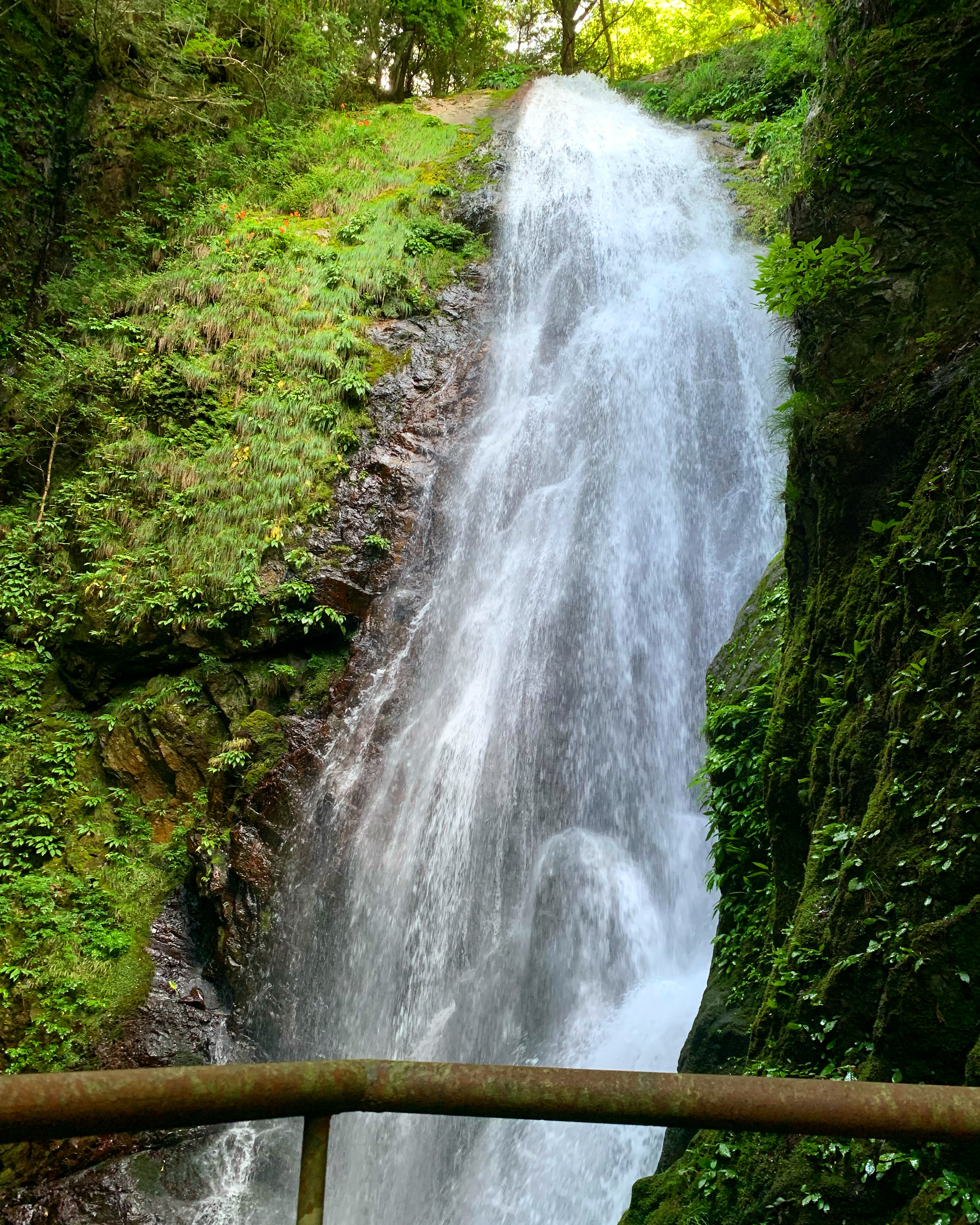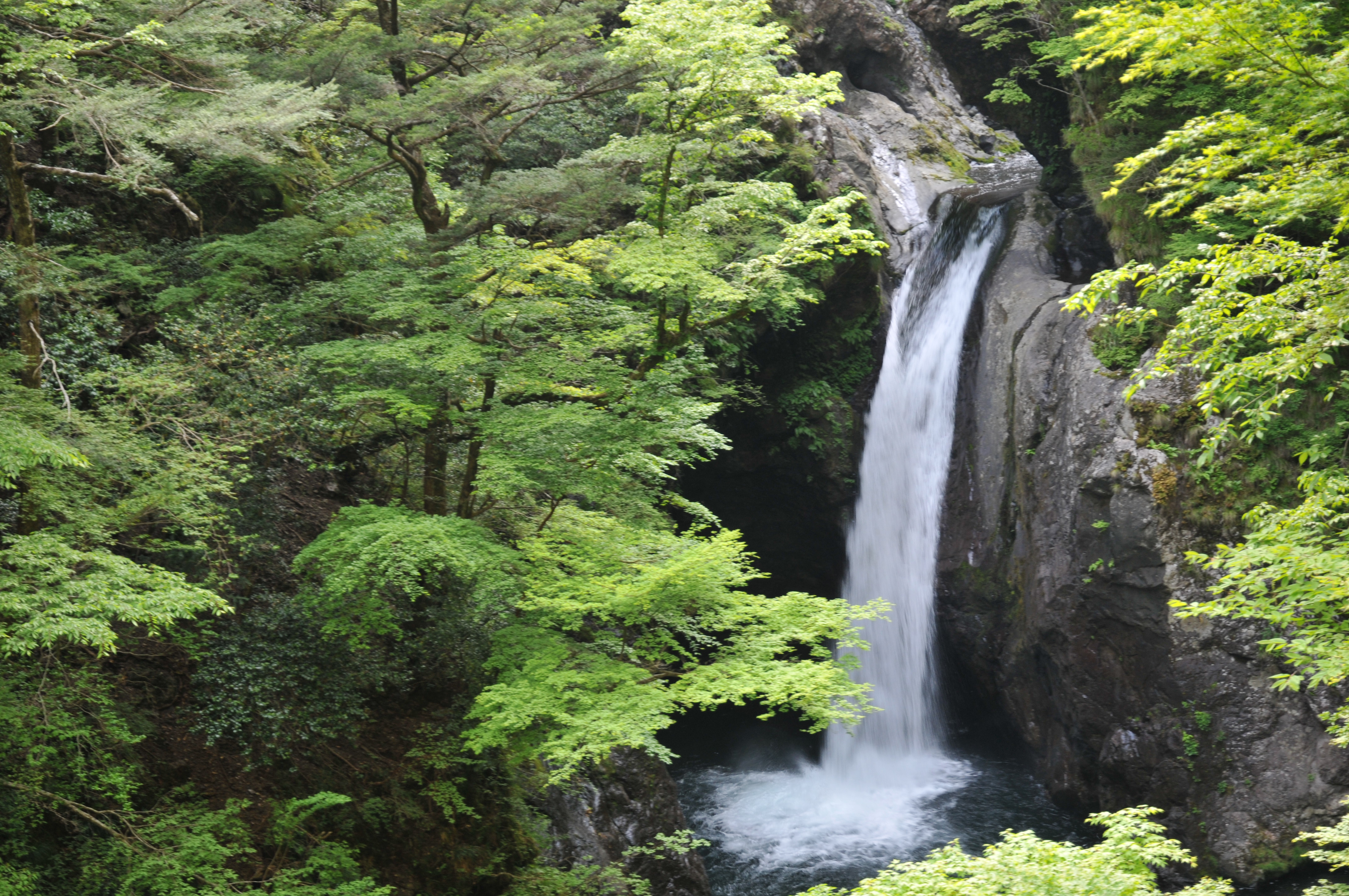
大釜の滝 (Ōgama no Taki) – Tokushima’s Secret Waterfall Paradise
If you’re chasing the quiet roar of water tucked away in Japan’s lush Shikoku mountains, 大釜の滝 should be at the top of your list. This hidden gem in Tokushima offers a serene escape, pristine forest scenery, and a touch of local folklore that makes every step feel like a pilgrimage.
1. Introduction
Travelers often flock to the famous Naruto Whirlpools or the dramatic Iya Valley, but the true heart‑beat of Tokushima’s natural beauty lies in its lesser‑known waterfalls. 大釜の滝 (Ōgama no Taki) is one of those secret sanctuaries—an unspoiled cascade that drops into a crystal‑clear pool, surrounded by moss‑laden rocks and ancient cedar trees. The name “Ōgama” (大釜) translates to “big kettle,” a nod to the basin‑shaped pool at the waterfall’s base that looks like a giant cauldron. Whether you’re a seasoned hiker, a photography enthusiast, or simply a soul seeking peace, this waterfall delivers an authentic Japanese nature experience far from the crowds.
2. About 大釜の滝
- Location: Kamojimacho‑jogejima, Tokushima Prefecture, Shikoku, Japan
- Coordinates: 33.881646 N, 134.282767 E
- Type: Natural waterfall (no dam or artificial structures)
History & Significance
Ōgama no Taki has long been a local landmark for the residents of Kamojimacho. While there is no recorded construction date—because it is a natural formation—the waterfall appears in regional folklore as a place where travelers could “wash away worries” in its cool waters. The surrounding forest has been part of Tokushima’s traditional timber industry for centuries, and the waterfall’s basin historically served as a natural water source for nearby settlements.
The waterfall is listed on the Japanese Wikipedia page for 大釜の滝, confirming its cultural relevance: 大釜の滝 – Wikipedia (ja). Although its exact height and altitude remain undocumented, the mystery adds to its allure—visitors often describe the cascade as “moderately tall” with a powerful, steady flow that varies with the season.
3. How to Get There
By Public Transport
- From Tokushima Station – Take the JR Dosan Line to Kamojima Station (approx. 35 min).
- Bus Transfer – From Kamojima Station, hop on the local Tokushima City Bus bound for Jogejima. The bus stops at “Kamojimacho‑Jogejima” (about 15 min).
- Walking Trail – From the bus stop, follow the signposted forest trail (≈ 1 km, moderate uphill). The trail is well‑maintained but can be slippery after rain, so wear sturdy shoes.
By Car
- From Tokushima City – Take Route 32 east toward Kamojima. After about 25 km, turn left onto Prefectural Road 197 toward Jogejima. Parking is available at a small lot near the trailhead (free, first‑come‑first‑served).
By Taxi / Ride‑Share
If you prefer a door‑to‑door experience, a taxi from Tokushima Station to the trailhead costs roughly ¥4,500–¥5,500, depending on traffic.
Pro tip: The waterfall is best accessed during daylight hours (7 am–5 pm). The forest trail is not lit at night, and the area has limited mobile reception.
4. Best Time to Visit
| Season | What to Expect | Why It’s Ideal |
|---|---|---|
| Spring (Mar‑May) | Fresh green foliage, cherry blossoms nearby, moderate water flow. | The forest is vibrant, and the temperature is comfortable for hiking. |
| Summer (Jun‑Aug) | Lush canopy, higher water volume due to rain, occasional mist. | Perfect for cooling off in the pool; early mornings avoid the heat. |
| Autumn (Sep‑Nov) | Brilliant red‑orange maples, lower water flow, crisp air. | Photographers love the contrast of colorful leaves against the waterfall. |
| Winter (Dec‑Feb) | Bare trees, thinner water stream, occasional frost on rocks. | A quiet, meditative atmosphere; the waterfall’s sound is more pronounced. |
Peak visitor months are April and October, when the scenery is at its most photogenic. If you crave solitude, aim for early weekday mornings in December or January.
5. What to Expect
Arriving at the trailhead, you’ll be greeted by a gentle rustle of leaves and the distant murmur of water. The path winds through a mixed forest of cedar, cypress, and Japanese maple, with occasional stone lanterns that hint at the area’s historic Shinto connections.
After about 15–20 minutes of moderate ascent, the canopy opens to reveal 大釜の滝 in all its glory. The water plunges into a wide, kettle‑shaped basin that reflects the surrounding greenery like a polished mirror. On sunny days, sunlight pierces the canopy, creating dazzling rainbows in the mist—a favorite subject for Instagrammers.
The pool’s water is refreshingly cool (≈ 12‑15 °C), inviting hikers to dip their feet or even take a quick swim, though be mindful of slippery rocks. The ambient sound—a steady cascade blended with forest birdsong—creates a natural meditation soundtrack.
For the curious, small signs near the waterfall explain the local legend of a wandering monk who once rested here, leaving behind a stone that is said to bring good fortune to those who touch it. While the stone is modest, many visitors report a feeling of calm after a brief pause.
6. Nearby Attractions
While 大釜の滝 can easily fill a half‑day, the surrounding region offers several other natural wonders worth exploring:
| Attraction | Distance | Type | Quick Note |
|---|---|---|---|
| (Unnamed) Waterfall | 2.3 km | Waterfall | A smaller cascade, perfect for a quick side‑trip. |
| 鳥居滝 (Torii Taki) | 6.2 km | Waterfall | Known for its distinctive torii‑shaped rock formation. |
| フイゴ滝 (Fuigo Taki) | 6.2 km | Waterfall | Features a shallow pool ideal for wading. |
| (Unnamed) Dam | 7.0 km | Dam | Offers scenic views of the reservoir and surrounding hills. |
| (Unnamed) Dam | 8.3 km | Dam | Popular spot for sunset photography. |
All locations are reachable by local roads or short bus rides from Kamojima Station. For more details, check Tokushima’s official tourism website or the local bus timetables.
7. Travel Tips
| Tip | Details |
|---|---|
| Footwear | Wear waterproof hiking shoes with good grip. The trail can be muddy after rain. |
| Pack Light | A small daypack (5‑7 L) is enough for water, snacks, a rain jacket, and a camera. |
| Stay Hydrated | Bring at least 1 L of water per person; there are no refill stations on the trail. |
| Respect Nature | Keep the area clean, stay on marked paths, and avoid touching delicate mosses. |
| Photography | Early morning or late afternoon provides soft lighting; bring a polarizing filter to reduce glare on the water. |
| Safety | The pool’s rocks are slippery; children should be supervised. In winter, ice can form on the basin—avoid stepping on thin ice. |
| Language | Signage is primarily in Japanese; having a translation app handy can help with trail markers. |
| Cash | Small parking fees or souvenir stalls may only accept cash (¥500–¥1,000). |
| Connectivity | Mobile signal is limited; download offline maps (e.g., Google Maps offline area) before you start. |
| Leave No Trace | Pack out all trash; the area is part of Tokushima’s protected forest zone. |
Final Thought
大釜の滝 may not appear on every travel guide, but that’s precisely why it feels like a personal discovery. The combination of a gentle cascade, a tranquil forest setting, and easy access from Tokushima City makes it an ideal day‑trip for anyone seeking authentic Japanese nature. Pack your camera, lace up your boots, and let the sound of water guide you to this hidden oasis—your soul will thank you.
Happy travels, and may the mist of Ōgama no Taki bring you a fresh perspective on every journey.