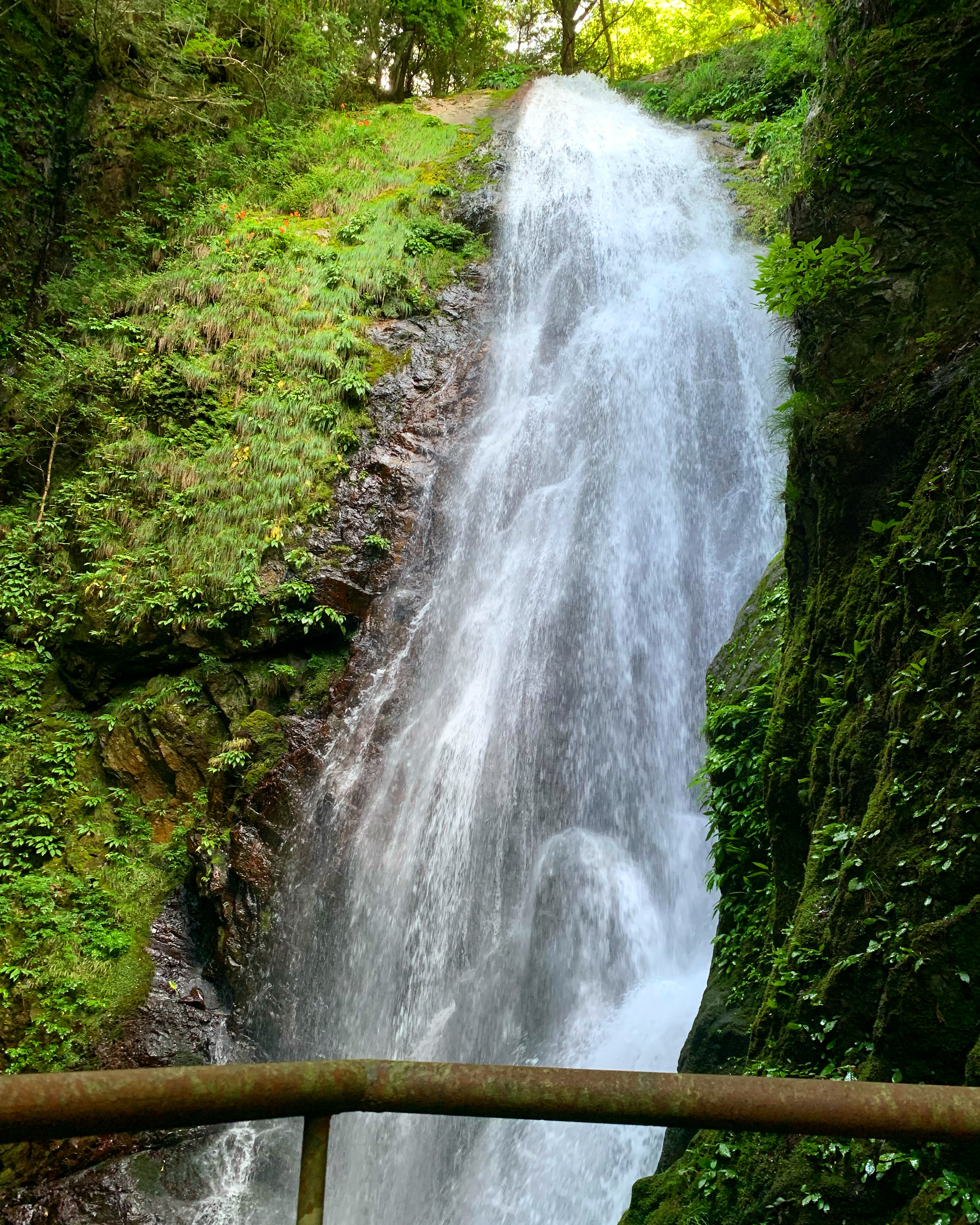
百間滝 (Hyakkan Waterfall) – A Hidden Gem in Tokushima, Japan
Discover the serene power of 百間滝, Tokushima’s lesser‑known waterfall, and why it belongs on every nature‑lover’s itinerary.
Introduction
Imagine stepping off the beaten path into a quiet forest where the air is scented with moss and the only soundtrack is the steady roar of water tumbling over stone. That’s the moment you experience at 百間滝 (Hyakkan Waterfall), a secluded cascade tucked away in the rugged landscape of Kamojimacho‑jogejima, Tokushima. While Japan is famous for iconic waterfalls like Kegon and Nachi, 百間滝 offers a more intimate encounter with nature—perfect for hikers, photographers, and anyone craving a peaceful escape from the crowds.
In this guide, we’ll explore everything you need to know to plan an unforgettable visit: the waterfall’s story, how to get there, the best seasons to see it, what you’ll experience on the trail, nearby attractions, and practical travel tips.
About 百間滝
Description
百間滝 (pronounced Hyakkan Taki) is a waterfall situated at 33.911350 N, 134.368317 E in the rural town of Kamojimacho‑jogejima, Tokushima Prefecture. The waterfall drops from an unknown height into a clear pool surrounded by dense, evergreen forest. Because its exact height and altitude haven’t been officially recorded, the mystery adds to its allure—visitors often describe the cascade as “majestic yet modest,” a perfect blend of power and tranquility.
History & Significance
The name 百間滝 translates roughly to “Hundred‑Space Waterfall,” a poetic reference to the expansive feeling the site evokes despite its modest size. Historically, the waterfall was a local landmark for fishermen and farmers who relied on the surrounding streams for irrigation. Over time, it became a quiet spot for meditation and seasonal festivals, especially during momiji (autumn leaf‑changing) when the surrounding foliage turns vivid shades of red and gold.
While 百間滝 is not listed among Japan’s “Top 100 Waterfalls,” it holds a special place in Tokushima’s natural heritage. The waterfall is featured on the Japanese Wikipedia page for local attractions and is often highlighted in regional travel brochures as a hidden treasure for eco‑tourists.
How to Get There
From Tokushima City
- Train to Tokushima Station – The JR Kōtoku Line connects Takamatsu and Tokushima in about 1 hour.
- Rent a Car – The most flexible option. From Tokushima Station, follow signs for National Route 55 toward Kamojima. The drive to the waterfall’s parking area takes roughly 45–60 minutes (≈ 30 km).
- Public Bus – Tokushima Bus operates a local line (Route K or M) that stops at Kamojimacho‑jogejima. Check the latest schedule, as services are infrequent (approximately every 2 hours).
By Car
- From the Expressway: Take the Tokushima Expressway (E11), exit at Kamojima Interchange, then follow Route 55 northward.
- Parking: A small, free lot sits at the trailhead. Arrive early during peak seasons (April‑May, October‑November) to secure a spot.
On Foot
The final stretch to 百間滝 is a well‑maintained forest trail of about 800 m (≈ 0.5 mi). The path is clearly marked with signposts in Japanese and English, and it is suitable for moderate hikers. No special permits are required.
Best Time to Visit
| Season | Highlights | Why Visit |
|---|---|---|
| Spring (March‑May) | Fresh green foliage, occasional cherry blossoms near the trailhead | Mild temperatures (12‑20 °C) and low humidity make hiking comfortable. |
| Summer (June‑August) | Lush, vibrant forest; occasional mist from the waterfall | Early mornings are cool; perfect for photographers chasing sunrise light. |
| Autumn (September‑November) | Spectacular koyo (autumn colors) – reds, oranges, yellows | The contrast of colorful leaves against the white cascade creates postcard‑worthy scenes. |
| Winter (December‑February) | Bare trees, occasional frost on rocks; fewer visitors | If you enjoy quiet solitude, winter offers a stark, dramatic landscape. |
Tip: The waterfall’s flow is strongest after heavy rain, especially in late spring and early summer. Check local weather forecasts and aim for a day with recent rainfall for a more powerful display.
What to Expect
The Trail Experience
- Terrain: The forest trail is mostly flat with a gentle incline. Expect soft earth, occasional wooden boardwalks over damp sections, and natural stepping stones.
- Soundscape: As you approach the cascade, the sound of water grows louder, creating a natural white‑noise that drowns out city clamor.
- Scenery: Towering camphor and cedar trees frame the path, while ferns and moss carpet the forest floor. In autumn, the canopy transforms into a fiery tapestry.
At the Waterfall
- Viewpoint: A modest viewing platform sits a few meters from the plunge pool, offering a frontal view of the cascade and a side angle for photographing the water’s texture.
- Pool: The pool at the base is crystal clear; however, swimming is discouraged to protect the delicate ecosystem.
- Wildlife: Keep an eye out for Japanese macaques, forest birds (e.g., Japanese bush warbler), and seasonal insects like fireflies in early summer evenings.
Photography
- Golden Hour: Arrive 30 minutes before sunrise or sunset for soft, diffused light that enhances the waterfall’s mist.
- Long Exposure: A tripod and ND filter allow you to capture silky water effects.
- Safety: Stay behind railings; the rocks near the edge can be slippery when wet.
Nearby Attractions
After soaking in the serenity of 百間滝, extend your adventure with these nearby natural sites (all within a 6 km radius).
- 鳥居滝 (Torii Waterfall) – 3.7 km away. A charming cascade that resembles a traditional torii gate in its rock formation.
- フイゴ滝 (Fuigo Waterfall) – 4.0 km away. Known for its “吹き込み” (blowing) sound, this waterfall offers a small hiking loop.
- 雨乞の滝 (Amegaki no Taki) – 5.3 km away. Legend says the water can “pray for rain”; the surrounding shrine adds cultural depth.
- 正木ダム (Masaki Dam) – 5.4 km away. A modern dam with a scenic lake perfect for picnics and bird‑watching.
- Amagoi no taki (Amagoi Waterfall) – 5.9 km away. A lesser‑known spot where the water cascades over smooth granite, creating a tranquil pool.
All attractions are reachable by car or local bus routes; consider a day‑trip itinerary to explore multiple falls in one outing.
Travel Tips
| Tip | Details |
|---|---|
| Footwear | Wear sturdy, waterproof hiking shoes with good grip. The forest trail can become slippery after rain. |
| Clothing | Layered clothing is ideal. A lightweight rain jacket is essential, especially in summer’s sudden showers. |
| Timing | Arrive early (7–8 am) during peak seasons to avoid crowds and capture the best light. |
| Food & Water | Bring snacks and at least 1 L of water per person. No vending machines are available on the trail. |
| Respect the Environment | Pack out all trash, stay on marked paths, and avoid touching delicate mosses or rocks. |
| Connectivity | Mobile signal can be spotty; download offline maps (Google Maps or MAPS.ME) beforehand. |
| Safety | Check the weather forecast; avoid the trail during severe thunderstorms. Inform someone of your itinerary if hiking alone. |
| Parking Fees | Parking is free, but a small donation box is placed near the trailhead for forest maintenance. |
| Language | Signage is bilingual (Japanese/English), but learning a few basic Japanese phrases (e.g., “こんにちは” – hello, “ありがとう” – thank you) enhances the experience. |
Final Thoughts
百間滝 may not have the fame of Japan’s iconic waterfalls, but its quiet charm, pristine forest setting, and proximity to other natural wonders make it a standout destination for travelers seeking authentic Tokushima experiences. Whether you’re chasing the vibrant colors of autumn, the fresh vigor of spring, or simply a moment of calm away from bustling cities, Hyakkan Waterfall invites you to pause, breathe, and let the rhythm of falling water reset your senses.
Pack your hiking boots, charge your camera, and set your GPS to 33.911350, 134.368317—the hidden heart of Tokushima’s waterfall trail awaits.
Keywords: 百間滝, Hyakkan Waterfall, Tokushima waterfall, Japan travel, nature hiking Tokushima, waterfall in Tokushima, Kamojimacho jogejima, travel guide Japan, hidden waterfalls Japan, autumn foliage Tokushima