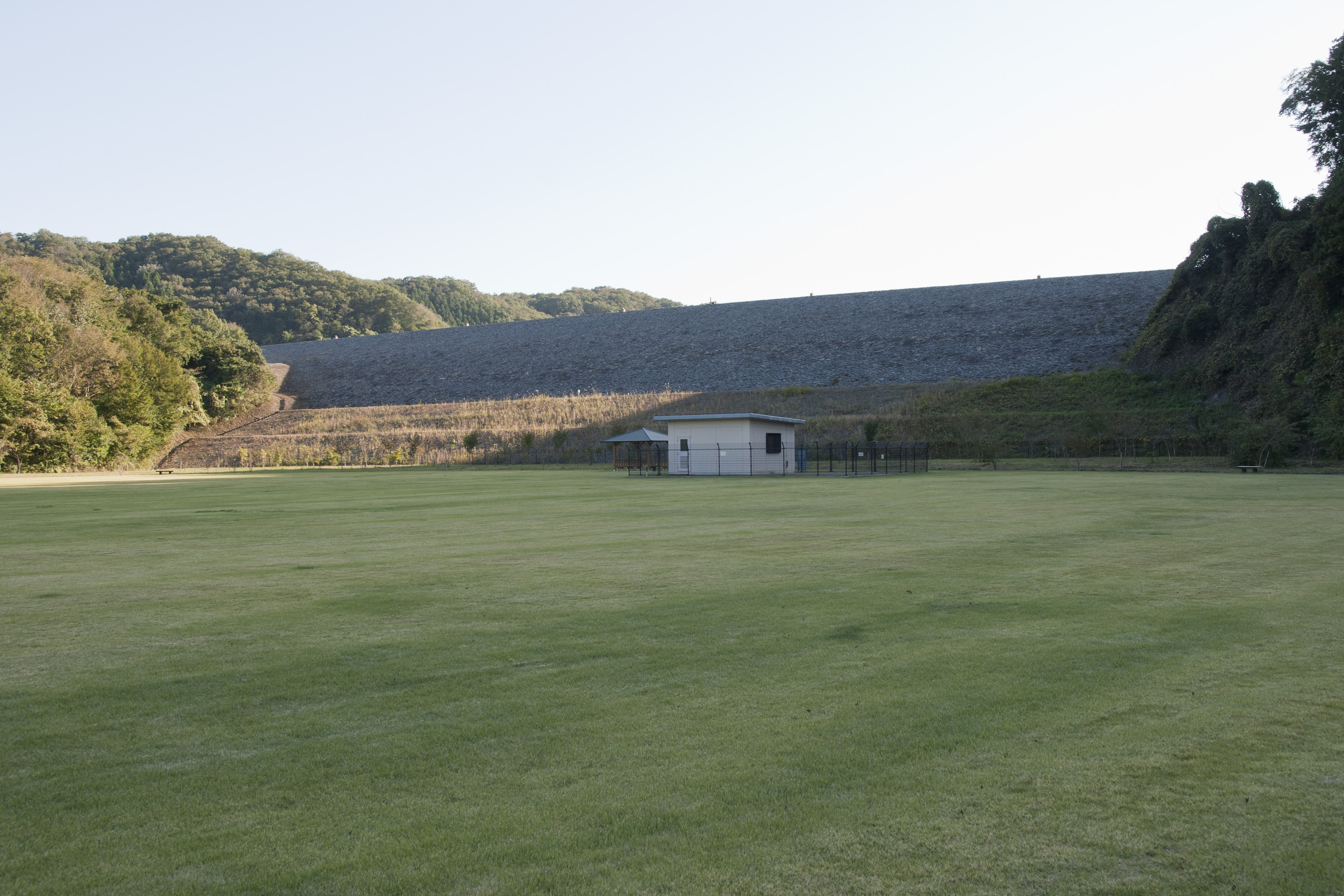
御前山ダム (Gojōyama Dam) – A Hidden Engineering Gem in Motegi, Tochigi
Discover the serene landscape, nearby waterfalls, and relaxing onsen that make this off‑the‑beaten‑path dam a must‑visit for any Tochigi travel itinerary.
1. Introduction
If you picture Japan’s most famous sights, towering skyscrapers, bustling Shibuya crossings, or iconic cherry‑blossom avenues probably come to mind first. Yet some of the country’s most rewarding experiences lie far from the neon lights—nestled in the rolling hills of Tochigi Prefecture, 御前山ダム (Gojōyama Dam) offers a tranquil escape for nature lovers, engineering enthusiasts, and anyone craving a slice of authentic rural Japan.
Set against a backdrop of lush forests and crystal‑clear streams, the dam is not only a functional piece of infrastructure but also a perfect launchpad for exploring a cluster of charming waterfalls and a soothing onsen just a few kilometres away. Whether you’re traveling by car, train, or bus, a day (or two) around 御前山ダム can become a highlight of your Tochigi travel adventure.
2. About 御前山ダム
What Is It?
- Name: 御前山ダム (Gojōyama Dam)
- Type: Multipurpose dam (primarily water supply and flood control)
- Location: Motegi, Tochigi Prefecture, Japan
- Coordinates: 36.556640 N, 140.285074 E
The dam sits in the northern part of Tochigi, a region famed for its pristine rivers and dense woodlands. While official sources do not disclose the exact height or altitude, the structure blends seamlessly into the surrounding terrain, creating a calm reservoir that mirrors the sky and the seasonal colors of the forest.
A Brief History
御前山ダム was constructed as part of a broader post‑war effort to modernize Japan’s water management systems. Though specific dates are scarce in English‑language sources, the dam’s development aligns with the nationwide push in the mid‑20th century to secure reliable water supplies for agriculture, industry, and growing urban centers. Today, it remains an essential component of the local water network while also serving as a quiet spot for recreation and photography.
Why It Matters
- Environmental stewardship: The reservoir supports local ecosystems, providing habitat for fish and waterfowl.
- Community resource: It supplies water to nearby towns and farms, underscoring the dam’s role in sustaining rural life.
- Scenic value: The calm surface and surrounding forest make it a favored spot for sunrise and sunset photography, especially when the mist rolls over the water in early mornings.
3. How to Get There
By Train & Bus
- Start at Tokyo Station – Take the JR Tohoku Shinkansen to Utsunomiya (≈50 min).
- Transfer to the JR Nikko Line – Ride to Motegi Station (≈30 min).
- Bus or Taxi – From Motegi Station, local buses run toward the dam’s vicinity a few times per day. The final stop is often labeled “御前山ダム入口” (Gojōyama Dam Entrance). If the bus schedule doesn’t match your plan, a short 10‑minute taxi ride will drop you right at the parking lot.
By Car
- From Tokyo: Take the Tohoku Expressway (E4) to the Utsunomiya‑Mito interchange, then follow National Route 4 north to Motegi. From Motegi, turn onto Prefectural Road 45 (which leads directly to the dam).
- Parking: A modest free parking area sits near the dam’s visitor viewpoint. It fills up quickly on weekends, so arriving early (before 9 am) is advisable.
By Bicycle
For the adventurous, the Kanto Cycling Route passes near Motegi, offering a scenic, low‑traffic ride through farmland and forest. Bring a sturdy lock—bike racks are available at the dam’s parking lot.
4. Best Time to Visit
| Season | Highlights | Tips |
|---|---|---|
| Spring (Mar‑May) | Cherry blossoms along the reservoir; gentle temperatures ideal for hiking. | Pack a light jacket; early mornings are crisp. |
| Summer (Jun‑Aug) | Lush green canopy; the reservoir’s surface reflects the bright sky. | Stay hydrated; consider a mid‑day dip at the nearby onsen. |
| Autumn (Sep‑Nov) | Vibrant foliage (maple & ginkgo) creates a kaleidoscopic backdrop. | Best for photography; weekdays are less crowded. |
| Winter (Dec‑Feb) | Snow‑capped hills and quiet, reflective water; occasional ice‑crystal formations. | Dress warmly; some access roads may be slippery. |
Overall, late April to early November offers the most comfortable weather and the richest visual palette for visitors.
5. What to Expect
Scenic Views
Approach the dam via a short, well‑maintained trail that leads to a panoramic viewpoint. From here, you can admire the reservoir’s mirror‑like surface, the surrounding forest, and, on clear days, distant peaks of the Nikkō Mountains. The area is especially photogenic at sunrise, when mist rises off the water, and at sunset, when the sky turns amber.
Quiet Recreation
- Walking & Birdwatching: The trail around the reservoir is about 2 km long, perfect for a leisurely stroll. Keep an eye out for kingfishers, herons, and seasonal migratory birds.
- Picnicking: Designated benches and a small picnic shelter allow you to enjoy a bento lunch while soaking in the tranquil atmosphere.
- Fishing: Local anglers often cast lines from the dam’s edge; a permit may be required from the Motegi town office.
Engineering Appreciation
Even without a visitor center, the dam’s concrete spillway and intake structures are visible from the viewpoint. For those interested in civil engineering, noting the gravity‑based design and how it integrates with the natural terrain can be a rewarding mini‑lesson.
6. Nearby Attractions
After exploring 御前山ダム, extend your day with these natural gems—each within a 5‑km radius and easily reachable by foot or a short drive.
| Attraction | Distance | Type | Why Visit |
|---|---|---|---|
| 温泉 (Onsen) | 3.1 km (Motegi) | Hot spring | Soak in mineral‑rich waters after a hike; many ryokan offer day‑use packages. |
| Fujikura Fall | 3.9 km (Ibaraki) | Waterfall | A cascading 15 m drop surrounded by mossy rocks—great for a quick photo stop. |
| Mujina Falls | 4.1 km (Ibaraki) | Waterfall | Known for its clear pool at the base; perfect for a refreshing dip in summer. |
| 入日渡の滝 (Irihiwatari no Taki) | 4.1 km (Tochigi) | Waterfall | A hidden cascade that whispers through a narrow gorge—ideal for nature meditation. |
| Makadono Falls | 5.5 km (Tochigi) | Waterfall | The tallest of the group, offering dramatic scenery especially after autumn rains. |
Quick links (Japanese Wikipedia):
- 温泉 (Onsen)
- Fujikura Fall (藤倉の滝)
- Mujina Falls (ムジナの滝)
- 入日渡の滝
- Makadono Falls (真門の滝)
Each waterfall features easy hiking trails, informative signage, and seasonal variations—making them perfect companions to a day centered on 御前山ダム.
7. Travel Tips
- Language: Signage around the dam is primarily Japanese. Having a translation app or a few basic phrases (e.g., “ここはどこですか?” – “Where is this?”) will help.
- Cash: Rural shops and onsen often accept only cash, so bring enough yen for entrance fees, snacks, and souvenirs.
- Timing: Arrive early on weekends to secure parking and avoid crowds, especially during the cherry‑blossom and autumn‑leaf peaks.
- Footwear: Sturdy walking shoes with good grip are recommended—some trails near the waterfalls can be slippery after rain.
- Photography: The best light is during the “golden hour” (30 minutes after sunrise or before sunset). A polarizing filter can reduce glare on the water’s surface.
- Respect the Environment: Keep the area clean, stay on marked paths, and avoid feeding wildlife. The dam and surrounding forest are protected habitats.
- Safety: While the reservoir is generally calm, swimming is only permitted in designated areas near the onsen. Pay attention to any posted warnings about water levels or strong currents.
Wrap‑Up
御前山ダム may not appear on the typical “top 10 Japan attractions” list, but that’s precisely what makes it a hidden treasure for the discerning traveler. From its tranquil reservoir and subtle engineering marvel to the cascade of waterfalls and soothing onsen just minutes away, a visit here offers a balanced blend of nature, culture, and relaxation—all within easy reach of Tokyo.
So pack your camera, slip on those hiking boots, and set your GPS for 36.556640 N, 140.285074 E. The serene world of 御前山ダム awaits, ready to add a quiet, unforgettable chapter to your Tochigi travel story. Safe travels!


