華厳滝 (Kegon Falls) – A Majestic Waterfall Experience in Nikko, Tochigi
Discover the thundering beauty of Japan’s 97‑meter waterfall, nestled in the heart of Nikko National Park. From travel tips to nearby hidden gems, this guide has everything you need for an unforgettable visit.
1. Introduction
Imagine standing at the edge of a sheer 97‑meter drop, the roar of water echoing through a forest of ancient cedars. That’s the moment you’ll feel at 華厳滝 (Kegon Falls), one of Japan’s most iconic waterfalls. Located in the historic town of Nikko, Tochigi Prefecture, Kegon Falls draws nature lovers, photographers, and cultural explorers alike. Whether you’re on a week‑long Japan itinerary or a day‑trip from Tokyo, this waterfall promises a dramatic encounter with the power of nature—and a perfect backdrop for your travel story.
2. About 華厳滝
A Brief Description
- Height: 97.0 m (≈ 318 ft)
- Coordinates: 36.738009 N, 139.501968 E
- Type: Tiered waterfall (single drop)
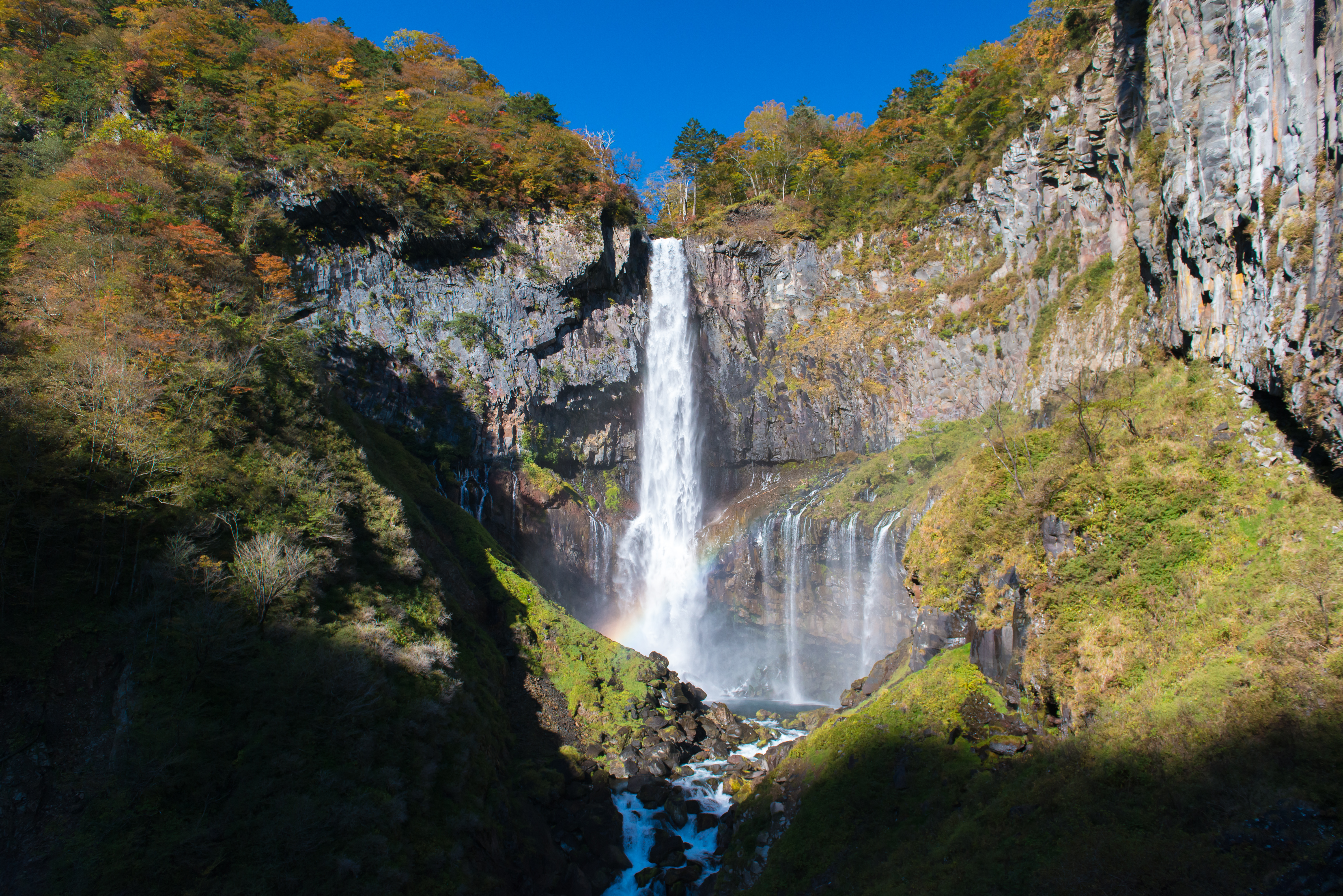
Kegon Falls cascades from the rim of the Nikko National Park into the misty gorge below, feeding the Lake Chuzenji basin. The water plunges straight down, creating a veil of spray that often forms vivid rainbows on sunny days.
History & Cultural Significance
Kegon Falls has long been celebrated in Japanese art and literature. Its name, “Kegon,” is derived from the Sanskrit word “kegon” (kegon), meaning “flower‑like” – a reference to the elegant, flower‑shaped spray that fans out at the base. The waterfall became a pilgrimage site during the Edo period, when travelers on the Nikkō Kaidō (the historic road to Nikko) would stop to admire its majesty.
In modern times, Kegon Falls is a designated National Scenic Spot and a key attraction of the UNESCO‑listed Shrines and Temples of Nikkō area. The waterfall’s powerful presence has inspired countless ukiyo‑e prints, poems, and contemporary travel blogs—making it a cultural icon as much as a natural wonder.
3. How to Get There
From Tokyo
- Train: Take the JR Tohoku Shinkansen (or any Shinkansen) to Utsunomiya Station (≈ 50 min). Transfer to the JR Nikko Line and ride to Nikkō Station (≈ 45 min).
- Bus: From Nikkō Station, hop on the Nikko Tobu Bus (or the Nikko Kotsu line) bound for Lake Chuzenji. The bus stops at the Kegon Falls ticket gate after about 25 minutes.
From Nikko Station
- Direct Bus: The local bus runs every 15–20 minutes during peak season. Purchase a ticket at the bus stop or use a prepaid IC card (Suica/Pasmo).
- Taxi: A taxi ride from Nikko Station to the falls takes roughly 15 minutes (≈ ¥2,500).
Entrance & Parking
- Admission: ¥1,300 for adults, ¥700 for children (as of 2024). The fee includes access to the observation deck and the elevator that descends to the lower viewing platform.
- Parking: A spacious car‑park is available near the ticket gate (first‑come, first‑served). Expect a fee of ¥500–¥800 per day.
Accessibility
The main observation deck is wheelchair‑friendly, and an elevator provides a safe descent to the lower platform for those who want a closer view of the waterfall’s mist.
4. Best Time to Visit
| Season | Highlights | Why Visit |
|---|---|---|
| Spring (Mar–May) | Cherry blossoms framing the falls; cooler temperatures | Perfect for photography with vibrant pink‑white blossoms. |
| Summer (Jun–Aug) | Lush green foliage; misty air offers natural cooling | Ideal for escaping the city heat; waterfalls are at peak flow after rainy season. |
| Autumn (Sep–Nov) | Brilliant red‑orange maples (momiji) surrounding the gorge | The iconic “autumn waterfall” view—highly searchable on Instagram. |
| Winter (Dec–Feb) | Ice‑covered cascade; snow‑blanketed forest | Rare sight of a partially frozen waterfall; fewer crowds. |
Insider tip: The waterfall’s flow is strongest in late spring and early summer (after the snowmelt). If you prefer a thunderous roar, plan your visit between May and July.
5. What to Expect
When you step onto the Kegon Falls observation deck, the first sensation is the sheer power of the water. The sound can be heard from the parking lot—a deep, resonant roar that builds anticipation.
- Upper Deck: Offers a panoramic view of the entire 97‑meter drop, perfect for wide‑angle shots. A glass‑enclosed elevator takes you down to the lower deck.
- Lower Deck: Positioned just a few meters from the base, you’ll feel the spray on your face and see the water’s turbulent plunge up close. The mist creates a natural cooling effect—bring a light jacket even in summer.
- Seasonal Variations: In winter, parts of the cascade may freeze, forming delicate ice sculptures. In summer, rainbows frequently appear in the spray, providing magical photo opportunities.
The surrounding forest trails are well‑maintained, allowing short walks to nearby viewpoints. If you have extra time, continue along the Lake Chuzenji path for lakeside scenery and historic shrines.
6. Nearby Attractions
While Kegon Falls steals the spotlight, the Nikko area boasts several other natural wonders within a short radius. All are reachable on foot or via a brief bus ride.
| Attraction | Distance from Kegon Falls | Type | Quick Link |
|---|---|---|---|
| Tetsuta Shirataki Falls | 0.2 km | Waterfall | Tetsuta Shirataki Falls |
| Unnamed Weir | 0.3 km | Weir | Weir near Kegon Falls |
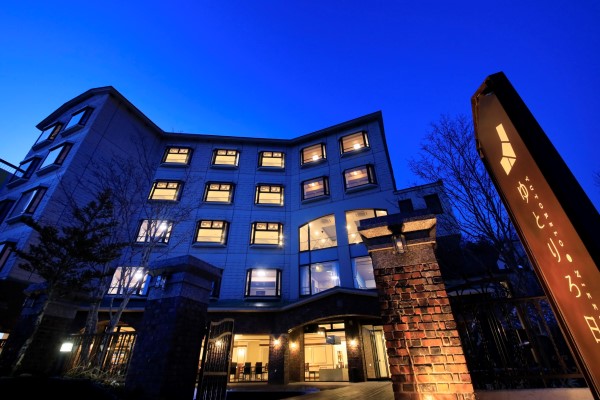
| Yutorelo Nikko | 1.1 km | Waterfall | Yutorelo Nikko |
| Hotono Falls | 1.5 km | Waterfall | Hotono Falls |
| Unnamed Dam | 1.5 km | Dam | Dam near Kegon Falls |
How to Explore
- Walking Trail: A well‑marked trail loops around the falls, passing the Tetsuta Shirataki and Yutorelo Nikko sites. The entire loop takes about 45 minutes at a leisurely pace.
- Bike Rental: Seasonal bike rentals are available near the Kegon Falls parking area. A 20‑minute ride brings you to Hotono Falls, a quieter spot favored by locals.
- Guided Tours: Several local operators offer half‑day tours that combine Kegon Falls, the Toshogu Shrine, and the nearby dam.
7. Travel Tips
| Tip | Details |
|---|---|
| Buy Tickets Early | During peak autumn weeks, lines can be long. Purchase tickets online via the official Nikko Tourist Association site or arrive before 9 am. |
| Dress in Layers | The mist can make the lower deck feel cooler, especially in spring and autumn. A light windbreaker works well. |
| Bring a Waterproof Camera | The spray is perfect for dramatic shots, but protect your gear with a rain cover or plastic bag. |
| Respect the Environment | Stay on marked paths, and avoid stepping onto the rocks near the waterfall’s base—slippery and protected. |
| Cash is King | While many vendors accept IC cards, the entrance fee and some nearby stalls still prefer cash (¥500–¥1,000). |
| Check Bus Schedules | The last bus from Kegon Falls back to Nikko Station departs around 5:30 pm (seasonal). Plan accordingly or arrange a taxi. |
| Combine with Culture | Pair your waterfall visit with a stop at Nikko Toshogu Shrine (UNESCO World Heritage) for a balanced nature‑culture day. |
| Stay Overnight | If you want to catch sunrise or sunset over the falls, consider staying at a ryokan (traditional inn) near Lake Chuzenji. Many offer onsen (hot spring) baths with views of the waterfall. |
Final Word
華厳滝 isn’t just a waterfall—it’s a living postcard of Japan’s natural grandeur, a place where mist, sound, and scenery converge to create an unforgettable sensory experience. By planning your trip with the practical tips above, you’ll be ready to capture the perfect shot, feel the cool spray on your skin, and leave with memories that linger long after you’ve left Nikko behind.
Ready to chase the roar? Pack your camera, hop on the bus from Nikko Station, and let Kegon Falls reveal its timeless magic.
Keywords: 華厳滝, Kegon Falls, Nikko waterfall, Tochigi travel, Japan waterfall, things to do in Nikko, how to get to Kegon Falls, best time to visit Kegon Falls, Nikko National Park, Lake Chuzenji, Japan travel guide