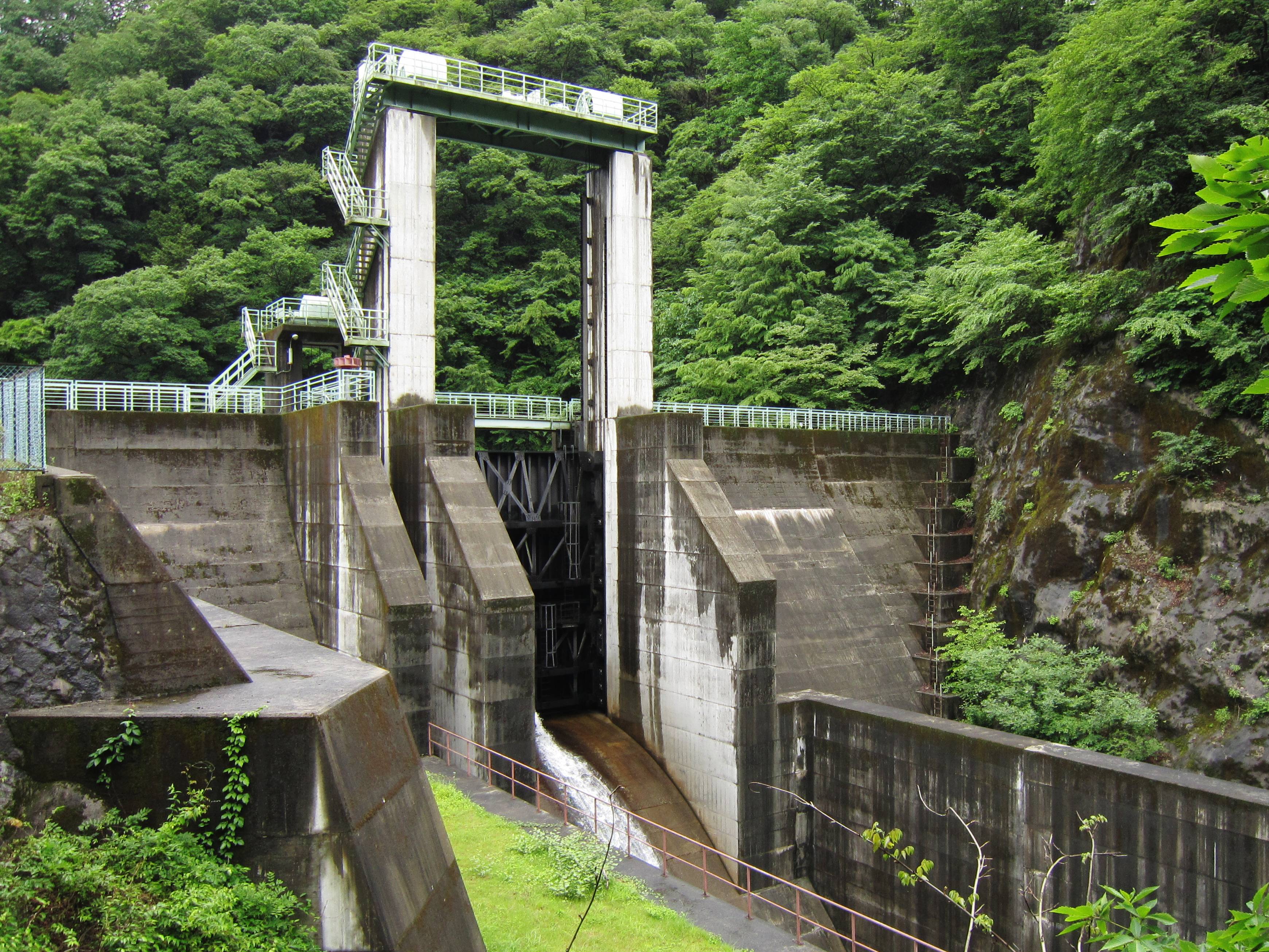
庚申ダム (Koshin Dam) – A Hidden Gem in Nikko, Tochigi, Japan
Discover the tranquil beauty of one of Tochigi’s lesser‑known waterworks, perfect for nature lovers, photographers, and off‑the‑beaten‑path travelers.
1. Introduction
If you’ve already trekked the famous shrines of Nikko or chased the autumn colors along the Kinugawa River, it’s time to add a new highlight to your itinerary: 庚申ダム (Koshin Dam). Nestled amid the rolling hills of northern Tochigi, this modest‑sized dam offers a serene lakeside setting, sweeping mountain vistas, and a glimpse into Japan’s sophisticated water‑resource management. Whether you’re a local weekend explorer or an international visitor seeking authentic Japanese scenery, Koshin Dam is a peaceful spot that rarely appears on the typical tourist map—making it all the more rewarding.
2. About 庚申ダム
What is Koshin Dam?
- Type: Concrete gravity dam (officially classified as a dam)
- Location: Nikko, Tochigi Prefecture, Japan
- Coordinates: 36.630883 N, 139.420723 E
Built to regulate water flow and support regional irrigation, Koshin Dam also contributes to flood control for downstream communities. While the exact height and altitude of the structure are not publicly disclosed, the dam’s modest scale blends seamlessly into the surrounding forested landscape, allowing visitors to experience a natural feel rather than an industrial one.
A Brief History
Koshin Dam was completed in the latter half of the 20th century as part of Tochigi’s post‑war infrastructure development. Its construction reflected Japan’s broader push toward modernizing rural water supply while preserving the ecological balance of the region. Today, the dam continues to serve local farms, municipalities, and recreational users, embodying the harmony between engineering and nature that Japan is celebrated for.
Why It Matters
- Environmental stewardship: The reservoir supports native fish habitats and acts as a water source for surrounding ecosystems.
- Cultural relevance: The dam sits within the historic Nikko area, a UNESCO World Heritage site known for its shrines, temples, and natural beauty.
- Recreational value: Calm waters make it ideal for photography, bird‑watching, and gentle lakeside walks.
3. How to Get There
By Train
- From Tokyo: Take the Tobu Limited Express “Kegon” or “Spacia” from Asakusa Station to Nikko Station (≈ 2 hours).
- Transfer: From Nikko Station, hop on the JR Ashio Line to Ashio Station (≈ 30 minutes).
By Car
- From Tokyo: Drive north on the Tōhoku Expressway (E4) → Exit at Utsunomiya‑IC → Follow Route 119 toward Nikko. After passing Nikko City center, continue on Prefectural Road 115 toward Ashio.
- Parking: A small, free parking lot sits near the dam’s visitor area; it fills quickly on weekends, so arrive early.
By Bus
- Tobu Bus operates a direct route from Nikko Station to Ashio Station. From Ashio, a local taxi or a short hike (≈ 15 minutes) will bring you to the dam’s viewpoint.
Pro tip: The dam is roughly 2.7 km from Ashio Station, making the station the most convenient public‑transport hub.
4. Best Time to Visit
| Season | Highlights | Photography Tips |
|---|---|---|
| Spring (Mar‑May) | Cherry blossoms begin to fringe the reservoir; mild temperatures encourage leisurely walks. | Capture soft pastel colors at sunrise; use a polarizing filter to reduce glare on the water. |
| Summer (Jun‑Aug) | Lush greenery surrounds the dam; occasional mist adds a mystical vibe. | Early morning or late afternoon light gives the best contrast; watch for occasional rain showers. |
| Autumn (Sep‑Nov) | Brilliant foliage (maple & ginkgo) reflects on the lake surface—peak color usually late October. | Shoot with a tripod for long exposures to smooth the water; golden hour is spectacular. |
| Winter (Dec‑Feb) | Snow‑capped hills create a quiet, almost ethereal scene; fewer visitors. | Overcast days produce soft light—ideal for moody, monochrome shots. |
Overall, mid‑October to early November is the most popular period for photographers seeking vivid autumn colors, while late April offers a tranquil cherry‑blossom backdrop.
5. What to Expect
Arriving at Koshin Dam, you’ll first notice the calm, glass‑like surface of the reservoir, framed by gently rolling hills and dense cedar forests. A short, well‑maintained walking path leads to a modest observation deck that offers panoramic views of the water and the surrounding landscape.
- Atmosphere: Quiet, with only occasional sounds of birds and distant water flow.
- Facilities: A small restroom, a picnic bench, and an informational signboard detailing the dam’s purpose and local wildlife.
- Activities:
- Photography: The unobstructed lake view makes it a favorite spot for landscape and macro shots of water‑lily clusters.
- Bird‑watching: Look for kingfishers, Japanese white‐eyes, and seasonal migratory species.
- Picnicking: Bring a bento and enjoy a lakeside meal; the area is popular with local families on weekends.
Because the dam is primarily a functional infrastructure site, swimming or boating is prohibited. However, the serene setting is perfect for a reflective pause during a day of exploring Nikko’s temples or hiking the surrounding trails.
6. Nearby Attractions
While Koshin Dam itself offers a peaceful retreat, the surrounding area boasts several points of interest within a short radius—ideal for a full‑day adventure.
| Distance | Attraction | Type | Why Visit |
|---|---|---|---|
| 1.4 km | Unnamed Weir | Weir | A small water diversion structure; great for close‑up shots of engineering details. |
| 2.2 km | Unnamed Weir | Weir | Offers a quiet spot for meditation beside gentle flowing water. |
| 2.7 km | Ashio Station (Waterfall) | Waterfall | A picturesque cascade near the historic Ashio Station—perfect for a short hike and photo op. |
| 3.4 km | Unnamed Dam | Dam | Another dam in the region, allowing comparison of design and surrounding scenery. |
| 3.4 km | Unnamed Weir | Weir | Small but charming; ideal for a quick stop while exploring the local waterways. |
Note: While the specific names of the nearby weirs and dam are not widely published, you can locate them using GPS coordinates on your smartphone or a dedicated hiking map of the Nikko area.
Quick links for further reading:
- Weir – Wikipedia
- Ashio Station – Wikipedia
7. Travel Tips
| Tip | Details |
|---|---|
| Check Weather | The dam area can be foggy in early mornings, especially in summer. Bring a windbreaker for cooler evenings. |
| Timing | Arrive early (before 9 am) on weekends to secure parking and enjoy the site with fewer crowds. |
| Footwear | Wear sturdy, comfortable walking shoes; some paths near the weirs can be uneven or muddy after rain. |
| Respect the Site | As a functional water‑resource facility, follow posted signs—no swimming, fishing, or littering. |
| Photography Gear | A wide‑angle lens (16‑35 mm) captures the full lake view; a telephoto (70‑200 mm) is useful for wildlife. |
| Food & Drink | Pack water and snacks; there are no vending machines on site. Nearby convenience stores in Ashio Station offer affordable meals. |
| Language | Signage is primarily in Japanese; using a translation app (e.g., Google Translate) can help read informational boards. |
| Connectivity | Mobile reception is generally good, but expect occasional dead zones near the reservoir—plan offline maps in advance. |
Final Thoughts
Koshin Dam may not have the fame of Nikko’s Toshogu Shrine or the dramatic cliffs of the Nikko National Park, but its quiet charm offers a unique window into Japan’s balance of engineering and nature. A short detour from the main tourist trail rewards you with pristine waters, gentle forest sounds, and photo opportunities that capture the soul of rural Tochigi.
Add 庚申ダム to your travel itinerary, pair it with nearby weirs and waterfalls, and you’ll experience a side of Japan that many travelers miss—peaceful, authentic, and endlessly inspiring.
Happy travels, and may your lens capture the calm beauty of Koshin Dam!
