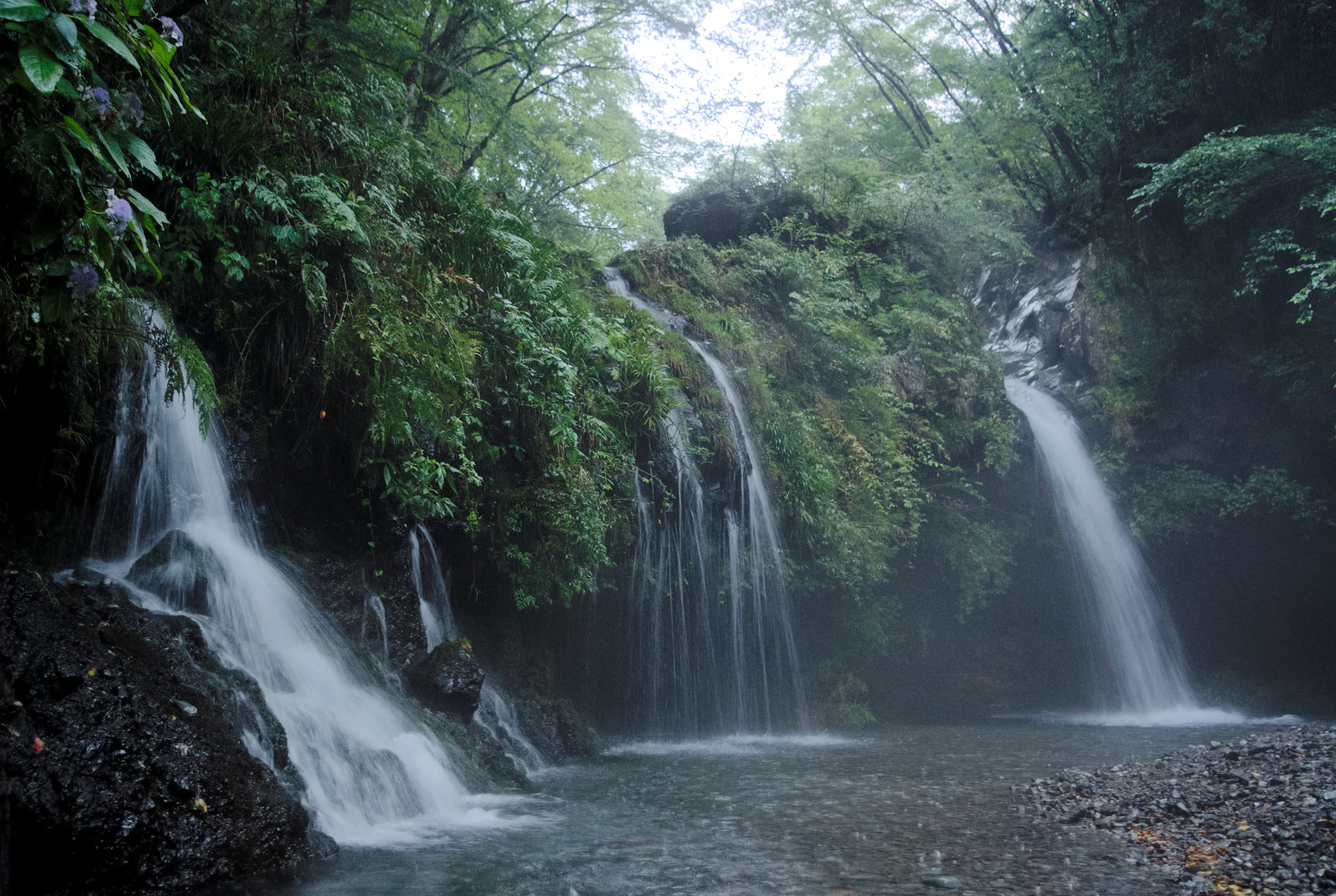
陣馬の滝 (Jinba no Taki) – A Hidden Waterfall Gem in Fujinomiya, Shizuoka
Discover the serene beauty of 陣馬の滝, a tucked‑away waterfall that offers a peaceful retreat for nature lovers traveling through Shizuoka, Japan.
1. Introduction
If you’ve trekked the iconic views of Mount Fuji and the bustling streets of Shizuoka City, you might think you’ve seen the best of the prefecture. Yet, just a short drive from the famous Fujinomiya Trail lies a lesser‑known treasure: 陣馬の滝 (Jinba no Taki). This modest waterfall drops into a crystal‑clear pool surrounded by lush forest, providing a perfect spot for quiet contemplation, photography, and a brief escape from the crowds. Whether you’re a seasoned hiker, a family on a weekend getaway, or a photographer hunting the perfect cascade shot, Jinba no Taki promises an authentic slice of Japanese nature that feels almost private.
2. About 陣馬の滝
Description
- Location: Fujinomiya, Shizuoka Prefecture, Japan
- Coordinates: 35.365999 N, 138.561104 E
- Type: Natural waterfall (🌊)
- Height & Altitude: Not officially recorded, adding to its mysterious charm
陣馬の滝 sits within a dense, moss‑laden forest that is part of the greater Fuji‑Shizuoka watershed. The water source originates from the mountain streams that flow down the slopes of the southern Fuji region, converging into a gentle cascade that feeds a tranquil pool at its base. The surrounding rocks are covered in delicate ferns and the air is filled with the soothing sound of flowing water—an auditory reminder of Japan’s deep connection to nature.
History & Significance
While specific historical records for Jinba no Taki are scarce, waterfalls in Shizuoka have traditionally been revered as spiritual sites and sources of fresh water for nearby villages. The name “陣馬” (Jinba) can be interpreted as “battle horse,” hinting at a possible link to local folklore or a historic route where travelers rested their horses before continuing toward the sacred Mount Fuji. Today, the waterfall serves as a modest yet meaningful waypoint for hikers exploring the Fuji Five Lakes area and the surrounding countryside.
For a quick reference, you can read the Japanese Wikipedia entry here: 陣馬の滝 (Wikipedia).
3. How to Get There
By Public Transportation
- From Shizuoka Station – Take the JR Tokaido Main Line to Fujinomiya Station (≈ 45 minutes).
- Bus Transfer – From Fujinomiya Station, board the local Shizuoka Bus bound for the “Jinba no Taki” stop. The bus ride takes roughly 30 minutes and drops you off a short walk from the trailhead.
Tip: Bus schedules are less frequent on weekends, so check the latest timetable on the Shizuoka Bus website before you travel.
By Car
- From the Tomei Expressway (Fujinomiya IC):
1. Exit at Fujinomiya Interchange.
2. Follow Route 138 north for about 12 km.
3. Turn left onto the local road signposted “陣馬の滝入口” (Jinba no Taki Entrance).
Parking is available at a small lot near the trailhead (capacity ~15 cars). The lot fills quickly during peak foliage season, so arriving early (before 9 am) is advisable.
By Bicycle
The area is popular with local cyclists. A scenic 25 km ride from Fujinomiya City center follows quiet country roads and offers multiple rest stops with tea houses serving traditional sweets.
4. Best Time to Visit
| Season | Highlights | Why Visit |
|---|---|---|
| Spring (March‑May) | Fresh green foliage, occasional cherry blossoms near the trailhead | Mild temperatures (10‑18 °C) make hiking comfortable |
| Summer (June‑August) | Lush canopy, cooler micro‑climate at the waterfall | Perfect for a refreshing dip in the pool (water temperature ~18 °C) |
| Autumn (September‑November) | Brilliant red‑orange maples and ginkgo leaves | Photographers love the contrast of water against fiery foliage |
| Winter (December‑February) | Quiet, occasional light snow on surrounding trees | A serene, almost mystical atmosphere; fewer visitors |
Peak Visitor Period: Late October to early November, when the autumn colors are at their most vibrant. If you prefer solitude, aim for early December or late February when the crowd thins but the scenery remains striking.
5. What to Expect
The Trail Experience
- Length: Approximately 1.2 km round‑trip from the parking area to the waterfall’s base.
- Difficulty: Easy to moderate; the path is well‑maintained, with gentle inclines and a few stone steps.
- Surface: Mostly packed earth and wooden boardwalks over damp sections. Good walking shoes are recommended, especially after rain.
As you approach the waterfall, the sound of water grows louder, guiding you through a tunnel of ferns and mossy rocks. Upon reaching the viewing platform, you’ll see the water plunge into a clear pool, framed by smooth granite. The pool’s water is cold but inviting—many visitors remove their shoes to wade in, especially on hot summer days.
Amenities
- Restroom: Small stone‑built facility near the parking lot.
- Refreshments: A seasonal kiosk sells bottled water, onigiri, and matcha tea during peak months (April‑October).
- Signage: Bilingual (Japanese/English) information boards explain local flora and the waterfall’s cultural background.
6. Nearby Attractions
While 陣馬の滝 is the star of the day, the surrounding area offers several interesting spots within a short drive—perfect for extending your adventure.
| Attraction | Distance | Type | Quick Link |
|---|---|---|---|
| Weir A | 1.2 km | Weir | (link placeholder) |
| Weir B | 2.6 km | Weir | (link placeholder) |
| Weir C | 2.6 km | Weir | (link placeholder) |
| Weir D (Yamanashi) | 3.6 km | Weir | (link placeholder) |
| Weir E (Yamanashi) | 3.7 km | Weir | (link placeholder) |
These small historic weirs (水門) showcase traditional water management techniques used by local farmers for centuries. They are especially photogenic in the early morning light when mist rises from the streams. If you’re crossing into Yamanashi Prefecture, you’ll also get a glimpse of the border’s rolling hills and the distant silhouette of Mount Fuji.
7. Travel Tips
- Check Weather Forecasts – The trail can become slippery after rain. Bring a waterproof jacket and consider trekking early in the day to avoid afternoon showers.
- Carry Cash – Small rural kiosks often accept only cash (¥500, ¥1000).
- Respect the Environment – Keep the area clean, stay on marked paths, and avoid feeding wildlife.
- Photography Gear – A wide‑angle lens captures the full cascade, while a polarizing filter reduces glare on the water surface. Early morning or late afternoon provides the best natural lighting.
- Cultural Etiquette – If you choose to dip your feet in the pool, do so quietly and avoid splashing—local visitors value the tranquility of the site.
- Language Help – While signage is bilingual, having a translation app handy can assist with any unexpected questions.
- Emergency Services – The nearest medical facility is Fujinomiya City Hospital, about 15 km away. Mobile signal is generally strong, but consider a portable power bank for longer hikes.
8. Wrap‑Up: Why陣馬の滝 Should Be on Your Shizuoka Bucket List
陣馬の滝 may not boast the towering height of Japan’s famous Kegon Falls, but its charm lies in the intimacy of the experience. The waterfall’s gentle roar, the surrounding forest’s emerald canopy, and the occasional glimpse of distant Mount Fuji create a tableau that feels both timeless and personal. For travelers seeking a quiet escape, a spot to practice “shinrin‑yoku” (forest bathing), or simply a beautiful backdrop for a photo album, Jinba no Taki delivers.
Plan your visit, respect the natural surroundings, and let the soft cascade of 陣馬の滝 refresh your spirit—one drop at a time.
Happy travels, and may the sound of water guide you to new adventures in Shizuoka!