音止めの滝 (Oto‑dome no Taki) – Shizuoka’s Whispering Waterfall
Discover the tranquil 25‑meter cascade hidden in the forests of Fujinomiya, Shizuoka, and learn how to make the most of this off‑the‑beaten‑path gem.
1. Introduction
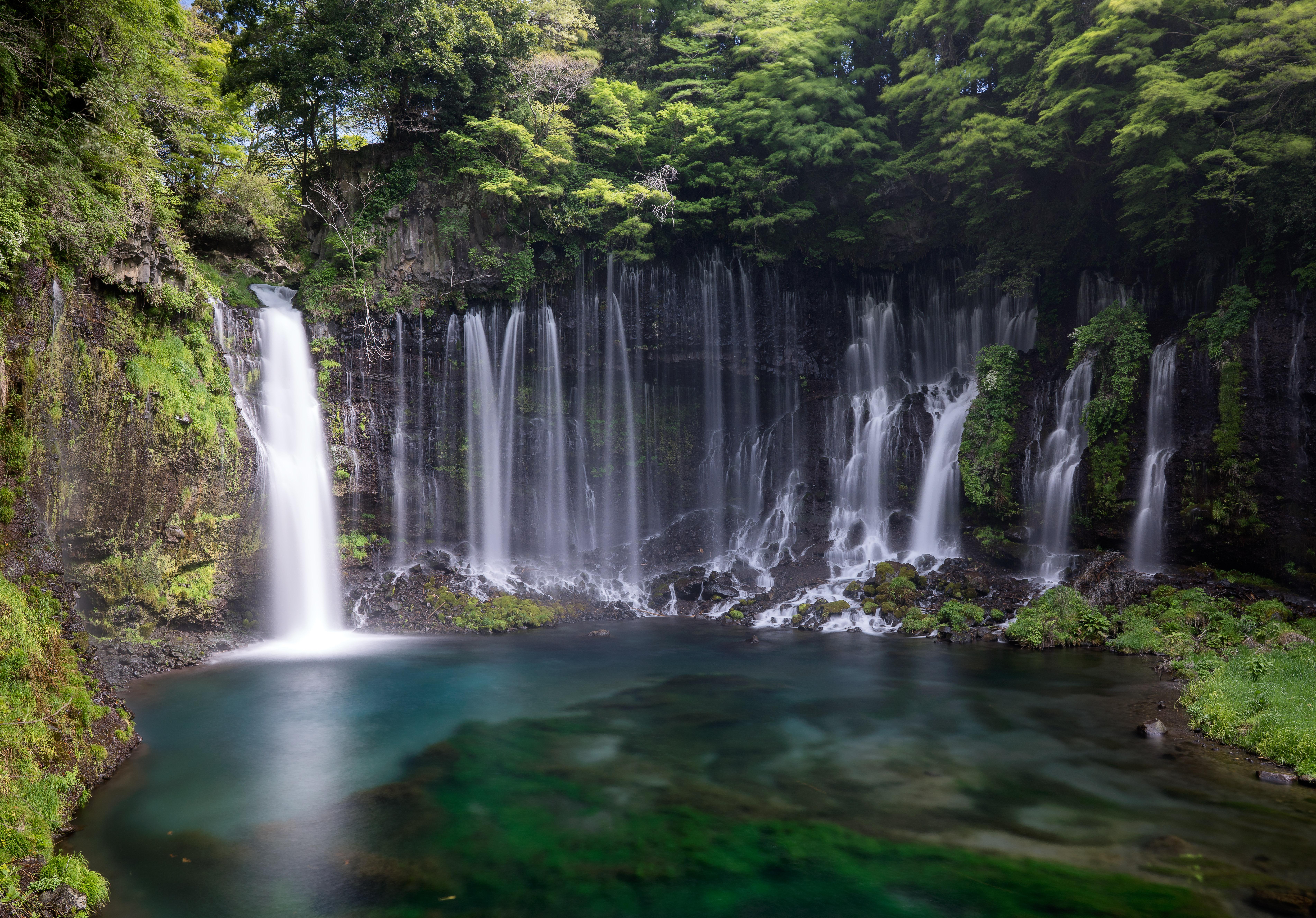
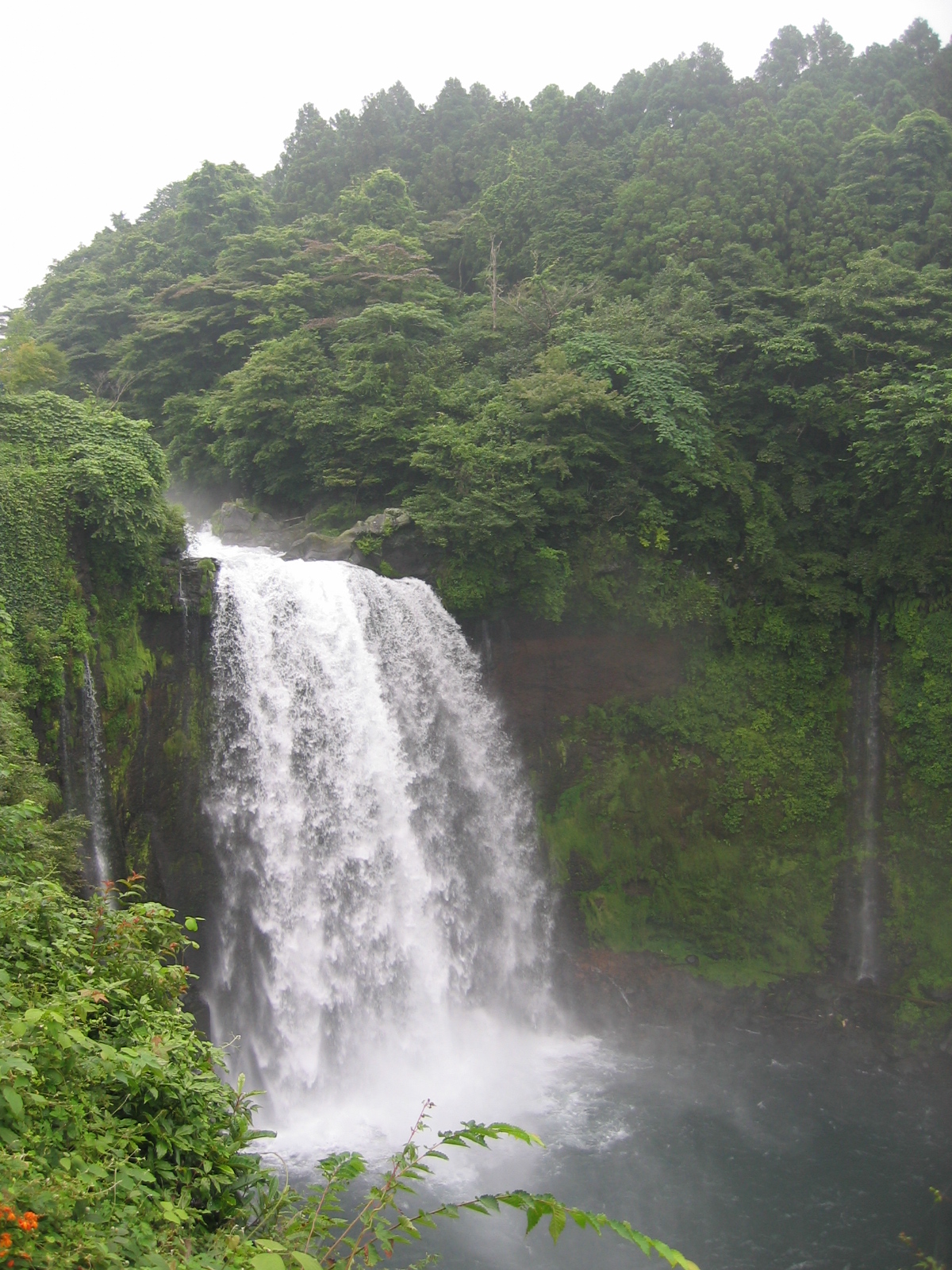
If you’ve ever chased the roar of Japan’s famous waterfalls—Kegon, Nachi, or Shiraito—prepare to be surprised by a different kind of waterfall experience. 音止めの滝 (pronounced Oto‑dome no Taki, literally “the waterfall that stops the sound”) lives up to its name: the water tumbles down a 25‑meter drop, then quiets into a gentle mist that seems to hush the surrounding forest. Nestled in the lush hills of Fujinomiya, Shizuoka Prefecture, this secluded cascade offers a rare moment of serenity for hikers, photographers, and anyone looking to escape the tourist crowds.
In this guide we’ll dive into the waterfall’s background, show you how to reach it, tell you the best seasons to visit, and point out nearby attractions—so you can plan a seamless, unforgettable day in central Japan’s natural heartland.
2. About 音止めの滝
A Brief Description
- Location: Fujinomiya, Shizuoka, Japan
- Coordinates: 35.312382 N, 138.589224 E
- Height: 25 m (≈ 82 ft)
- Type: Free‑fall cascade surrounded by mixed evergreen forest
The waterfall drops from a modest cliff into a shallow pool, creating a thin veil of water that diffuses sound. The surrounding trees—primarily Japanese cedar (sugi) and broadleaf species—act as natural acoustic absorbers, giving the cascade its “quiet” reputation.
History & Cultural Significance
While detailed historical records of 音止めの滝 are scarce, the name itself hints at a longstanding local appreciation for the site’s peaceful ambiance. In Japanese folklore, waterfalls are often regarded as places of purification and spiritual renewal. The “sound‑stopping” quality of this cascade has made it a favored spot for meditation and small‑scale Shinto rites, especially among nearby farming communities who once relied on the surrounding streams for irrigation.
The waterfall is listed on the Japanese Wikipedia page for 音止めの滝, confirming its status as a recognized natural landmark within Shizuoka Prefecture.
3. How to Get There
From Tokyo (or Major Hubs)
| Starting Point | Transport Mode | Approx. Time | Notes |
|---|---|---|---|
| Tokyo Station | Shinkansen to Shin‑Fuji (Tokaido Line) + local train | 1.5 h | Take the Kodama or Hikari service to Shin‑Fuji, then transfer to the JR Minobu Line to Fujinomiya (≈ 30 min). |
| Shizuoka Station | JR Tokaido Line + local train | 45 min | Direct trains to Fujinomiya via the Shin‑Shizuoka line. |
| Fujinomiya Station | Local bus or taxi | 15‑20 min | Bus #?? (check the Fujinomiya City website) stops near the trailhead. Taxis are plentiful and cost about ¥1,500‑¥2,000. |
From the Trailhead to the Falls
- Parking: A small, free parking lot sits near the trailhead on Shizuoka Prefectural Route 78. It fills up quickly on weekends, so arrive early (7–8 am).
- Trailhead Signage: Look for the wooden sign that reads “音止めの滝入口” (Oto‑dome no Taki Entrance).
- Hike: The path is a 1.2 km (≈ 0.75 mi) loop that winds through forested slopes. The trail is well‑maintained, with occasional stone steps and handrails. Expect a moderate difficulty level—some steep sections but no technical climbing.
- Duration: Most visitors reach the waterfall in 20‑30 minutes and spend 15‑30 minutes exploring the pool and surrounding scenery before heading back.
Pro tip: If you have a Japan Rail Pass, you can cover the Shinkansen and JR portions of the journey at no extra cost.
4. Best Time to Visit
| Season | Highlights | Weather Considerations |
|---|---|---|
| Spring (Mar‑May) | Fresh green foliage, cherry blossoms on the surrounding hills, water flow is moderate. | Mild temperatures (10‑18 °C). Light rain possible—bring a rain jacket. |
| Summer (Jun‑Aug) | Lush canopy, vibrant moss, cooler micro‑climate near the waterfall. | Warm (20‑28 °C) with occasional thunderstorms. Early morning visits avoid the heat. |
| Autumn (Sep‑Nov) | Brilliant maple and ginkgo leaves create a fiery backdrop; water volume peaks after early rains. | Comfortable (15‑22 °C). Ideal for photography. |
| Winter (Dec‑Feb) | The cascade may develop a thin veil of ice, offering a serene, almost mystical scene. | Cold (0‑8 °C). Trail can be slippery—wear sturdy boots. |
Peak visitor months are late April (cherry blossom season) and early November (autumn colors). For a quieter experience, aim for mid‑week mornings in either early spring or late winter.
5. What to Expect
The Sensory Experience
- Sound: As the name suggests, the roar of the water softens quickly after the plunge, leaving a gentle, soothing hush that blends with rustling leaves.
- Sight: The 25‑meter drop creates a delicate, white veil that catches sunlight, producing subtle rainbows in the mist. The pool below is crystal‑clear, perfect for a quick splash on a hot day.
- Smell: The forest exudes a fresh, earthy aroma—especially after rain, when the scent of pine and moss intensifies.
Photo Opportunities
- Front‑on view: Position yourself on the lower ledge for a classic waterfall silhouette against the sky.
- Side perspective: Capture the cascade framed by towering cedars for a dramatic composition.
- Close‑up mist: Use a slow shutter (1‑2 seconds) to turn the mist into a silky veil.
Facilities
- Restrooms: A basic public toilet sits near the parking lot.
- Picnic Area: A small clearing with benches is available; feel free to bring a bento for a forest‑side lunch.
- No drinking water on site—bring your own bottles.
6. Nearby Attractions
While you’re in the area, consider adding these short detours to your itinerary. All are within a 2 km radius, making them easy to fit into a half‑day hike.
| Attraction | Distance | Type | Why Visit? |
|---|---|---|---|
| 白糸の滝 (Shirahito no Taki) | 0.2 km | Waterfall | A neighboring cascade famous for its fine, white threads of water—perfect for waterfall lovers. |
| 堰 (Weir) – Site A | 1.1 km | Historical weir | Offers insight into traditional irrigation methods used by local farmers. |
| 堰 (Weir) – Site B | 1.1 km | Historical weir | Another small stone weir, great for quiet contemplation. |
| 堰 (Weir) – Site C | 1.2 km | Historical weir | Features a rustic footbridge crossing the stream. |
| 堰 (Weir) – Site D | 1.2 km | Historical weir | Ideal spot for a short nature break and photo of traditional water management. |
Note: The weir sites are modest stone structures without visitor facilities, but they add cultural depth to your hike.
7. Travel Tips
| Tip | Details |
|---|---|
| Wear proper footwear | The trail includes wet rocks and occasional steep steps. Trail‑running shoes or hiking boots with good grip are recommended. |
| Bring a rain jacket | Shizuoka’s weather can shift quickly, especially in summer thunderstorms. |
| Pack a portable charger | Cell service is limited on the forested path; a power bank ensures you can capture photos and use navigation apps. |
| Respect nature | Stay on marked paths, avoid picking plants, and pack out all trash. The waterfall’s quiet charm depends on responsible visitation. |
| Check trail status | After heavy rain, parts of the trail may be closed due to landslide risk. Verify conditions on the Fujinomiya City website or local tourist information center. |
| Timing for photography | Early morning (sunrise to 9 am) provides soft light and fewer visitors. Late afternoon (golden hour) highlights the mist’s rainbow effect. |
| Language help | Signage is primarily in Japanese. Having a translation app (e.g., Google Translate) handy can help you read trail markers and facility signs. |
| Cash | Some small local shops and the parking lot may only accept cash. Keep ¥1,000‑¥2,000 on hand for snacks or souvenirs. |
Final Thought
音止めの滝 may not appear on every mainstream travel itinerary, but that’s exactly why it feels like a secret waiting to be discovered. Its gentle roar, emerald surroundings, and proximity to other natural wonders make it a perfect stop for hikers, photographers, and anyone yearning for a quiet slice of Japanese wilderness.
Pack your boots, bring a camera, and let the whispering waters of Oto‑dome no Taki refresh your spirit. Happy travels!