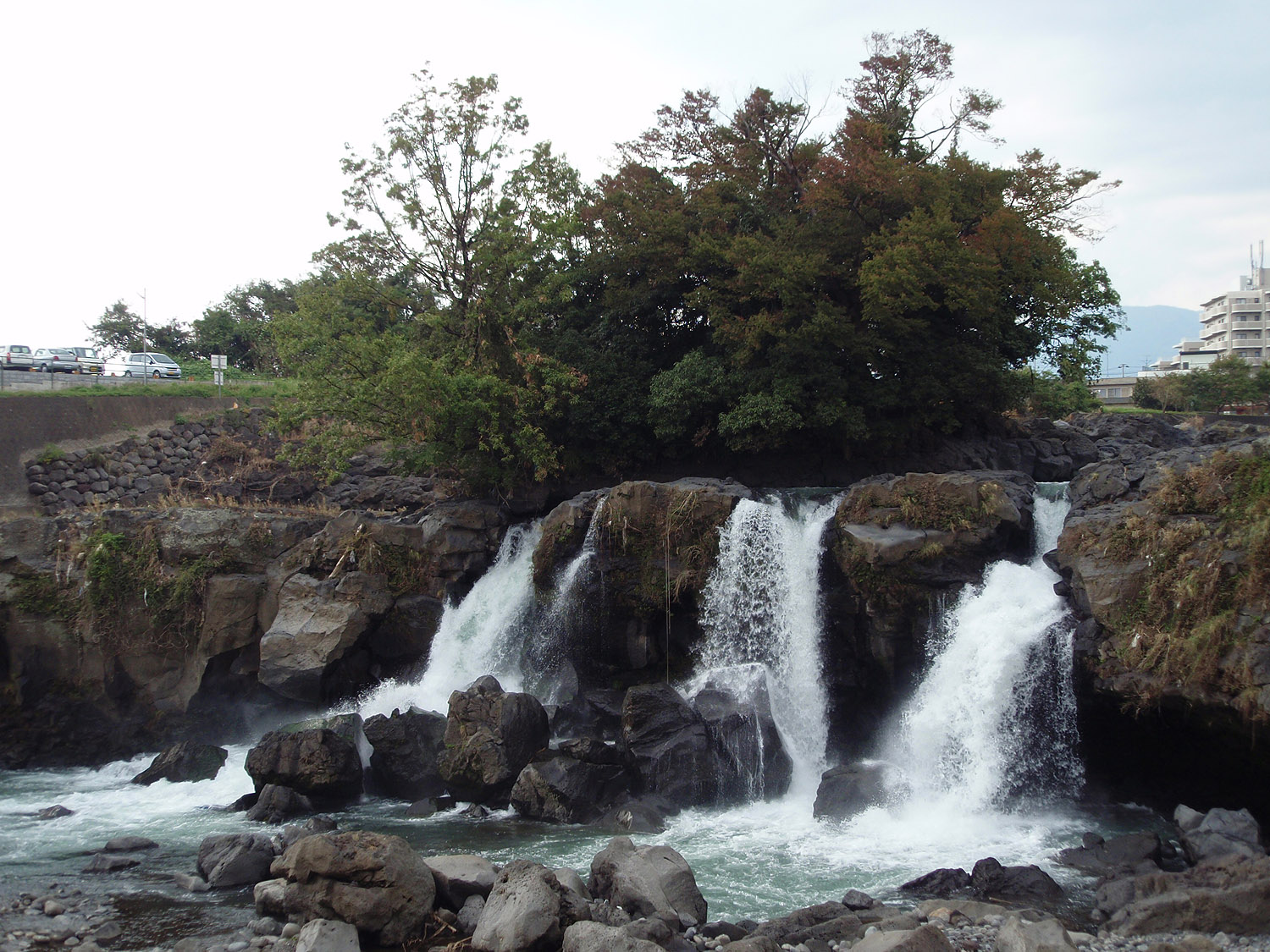
鮎壺の滝 (Ayatsubo no Taki) – A Hidden Waterfall Gem in Mishima, Shizuoka
Discover the tranquil 9‑meter cascade tucked away in the lush hills of Mishima, Shizuoka, and learn how to make the most of your visit.
1. Introduction
If you’ve ever trekked through the iconic Fuji Five Lakes or chased the thunderous roar of Shiraito Falls, you might think you’ve seen every spectacular waterfall Japan has to offer. Yet, just a short drive south of Mount Fuji lies a modest yet mesmerizing cascade that many travelers overlook: 鮎壺の滝 (Ayatsubo no Taki). At 9 meters high, this waterfall may not compete in sheer size, but its crystal‑clear plunge, surrounding forest ambience, and easy‑access location make it a perfect stop for nature lovers, photographers, and anyone seeking a peaceful escape from the crowds.
In this guide, we’ll dive into the history and charm of Ayasubo no Taki, show you how to get there, recommend the best seasons to visit, and highlight nearby attractions that can round out a day‑trip itinerary in Mishima, Shizuoka.
2. About 鮎壺の滝
Description
Located at 35.130778 N, 138.892440 E in the city of Mishima, Shizuoka Prefecture, 鮎壺の滝 drops a graceful 9 meters (≈30 feet) into a shallow pool surrounded by moss‑covered rocks and dense evergreen foliage. The water source is a small mountain stream that gathers runoff from the foothills of the Mount Fuji watershed, giving the cascade a cool, clear quality that reflects the surrounding greenery like a natural mirror.
History & Significance
While detailed historical records are scarce, the waterfall’s name—鮎壺 (Ayatsubo, “trout bowl”)—hints at a traditional connection to local fishing. In the Edo period, the surrounding streams were known for abundant sweet‑fish (ayu), and the pool at the waterfall’s base was likely used as a natural “bowl” where fish congregated. Over time, the site became a modest pilgrimage spot for locals seeking a quiet place to contemplate or enjoy a brief respite during mountain hikes.
Today, 鮎壺の滝 is listed on the Japanese Wikipedia page for “鮎壺の滝” and is recognized by the Mishima tourism board as a family‑friendly nature spot. Its low height makes it safe for children to approach the splash zone under supervision, while the surrounding forest trails provide a gentle introduction to Shizuoka’s mountainous terrain.
3. How to Get There
By Train
- JR Tokaido Line – Board a train bound for Mishima Station (approx. 1 hour from Tokyo Station).
- Transfer to Local Bus – From Mishima Station’s south exit, catch the Shizuoka Bus route heading toward Shimizu‑Sasama. Look for the stop labeled “Ayatsubo no Taki” (or ask the driver).
By Car
- From Tokyo: Take the Tomei Expressway (E1) to the Mishima‑IC (≈100 km, 1.5 h).
- From Mishima City Center: Follow Prefectural Route 71 northward; signage for “鮎壺の滝” appears after about 2 km.
- Parking: A small free lot sits at the trailhead, accommodating 10–12 cars. Arrive early on weekends, as the lot fills quickly during peak foliage season.
Walking & Hiking
The waterfall is accessible via a 300‑meter paved path from the parking area. The trail is wheelchair‑friendly and takes about 5 minutes to reach the viewing platform. For the more adventurous, a side trail loops around the upstream section, offering a closer look at the stream’s rock formations.
4. Best Time to Visit
| Season | Highlights | Why It’s Ideal |
|---|---|---|
| Spring (Mar‑May) | Fresh green leaves, occasional cherry blossoms along the trail | Mild temperatures (12‑18 °C) make the walk comfortable; water flow is moderate. |
| Summer (Jun‑Aug) | Lush canopy, cool mist from the cascade | Ideal for a quick dip in the pool (water ~15 °C). Beware of occasional rain showers. |
| Autumn (Sep‑Nov) | Vibrant red‑orange foliage, especially around 鎧ヶ淵 (Yoroi-ga-fuchi) waterfall nearby | Waterfall looks dramatic against the colorful backdrop; daylight hours still generous. |
| Winter (Dec‑Feb) | Snow‑capped surroundings, quiet atmosphere | Low visitor numbers; the waterfall may appear partially frozen, creating a serene scene. |
Peak visitor months are late April (cherry blossom) and mid‑October (autumn colors). If you prefer solitude, aim for early morning visits during the shoulder seasons (late May or early December).
5. What to Expect
The Senses
- Sight: A slender ribbon of water plunges over a smooth basalt ledge, creating a fine spray that catches sunlight in a delicate rainbow. The pool below is shallow enough to see the riverbed’s pebbles.
- Sound: The gentle roar of the cascade blends with the rustle of cedar needles, offering a natural white‑noise soundtrack perfect for meditation or a quick yoga session.
- Touch: The mist feels cool on the skin—great for a quick refresher on a hot summer day. The rocks near the base are smooth but can be slippery when wet, so wear sturdy shoes.
Facilities
- Viewing Platform: A wooden deck with a safety rail provides an unobstructed view of the waterfall.
- Restroom: A modest, clean toilet facility is located near the parking lot.
- Picnic Area: A few benches and a shaded spot under a large camphor tree allow for a brief lunch break.
6. Nearby Attractions
While 鮎壺の滝 can easily fill a half‑day, the surrounding area offers several complementary nature spots within a short walk or bike ride.
| Attraction | Distance | Type | Quick Note |
|---|---|---|---|
| 鎧ヶ淵 (Yoroi-ga-fuchi) Waterfall | 1.0 km | Waterfall | A slightly taller cascade (≈12 m) nestled in a narrow gorge—great for a scenic side‑trip. |
| 鏡池 (Kagami‑ike) Spring | 2.1 km | Spring | Crystal‑clear spring water forms a reflective pond; perfect for photography. |
| Unnamed Weir (0.7 km) | 0.7 km | Weir | Small historic weir used for traditional irrigation; offers a glimpse of local farming heritage. |
| Unnamed Weir (0.7 km) | 0.7 km | Weir | Another modest weir along the same stream—ideal for a quick stop and a short walk. |
| Unnamed Weir (0.7 km) | 0.7 km | Weir | The third weir in the cluster, each with its own stone marker and local legend. |
Tip: Bring a bike or rent a local electric scooter to hop between these sites. The paths are well‑maintained and mostly flat, making multi‑spot itineraries effortless.
7. Travel Tips
| Tip | Details |
|---|---|
| Arrive Early | The parking lot fills quickly on weekends, especially during cherry‑blossom and autumn foliage seasons. |
| Footwear | Waterproof hiking shoes or sturdy sandals with good grip are recommended; rocks can be slick after rain. |
| Weather Check | Summer thunderstorms are common; keep a rain jacket handy and watch for sudden water level rises. |
| Photography | The best light is early morning or late afternoon when the sun is low. Use a polarizing filter to reduce glare on the water surface. |
| Respect Nature | Stay on marked trails, avoid stepping on delicate moss, and carry out any trash. The area is a protected watershed for local agriculture. |
| Food & Drink | No vending machines on site. Pack a light snack and plenty of water. Nearby convenience stores in Mishima Station offer affordable meals. |
| Language | Signage is primarily in Japanese, but most locals speak basic English. Having a translation app can help with the weir name plates. |
| Accessibility | The main viewing platform is wheelchair‑accessible, but the upstream side trail has some uneven stones. |
| Seasonal Events | In early October, Mishima hosts a “Fall Colors Walk” that includes a guided tour of 鮎壺の滝 and 鎧ヶ淵. Check the city’s tourism website for dates. |
Final Thought
鮎壺の滝 may not dominate travel guide headlines, but its unpretentious beauty, easy accessibility, and proximity to other natural gems make it a must‑visit for any Shizuoka itinerary. Whether you’re chasing the perfect waterfall shot, seeking a quiet spot to unwind, or simply want to add a touch of authentic Japanese nature to your trip, Ayasubo no Taki delivers a memorable experience without the crowds.
Pack your camera, lace up your shoes, and let the gentle mist of 鮎壺の滝 refresh your senses as you explore the hidden waterfalls of Mishima. Safe travels!