滝沢ダム (Takizawa Dam) – A Hidden Engineering Gem in Chichibu, Saitama
Discover the towering beauty, serene surroundings, and off‑the‑beaten‑path charm of 滝沢ダム, one of Saitama’s most impressive dams.
1. Introduction
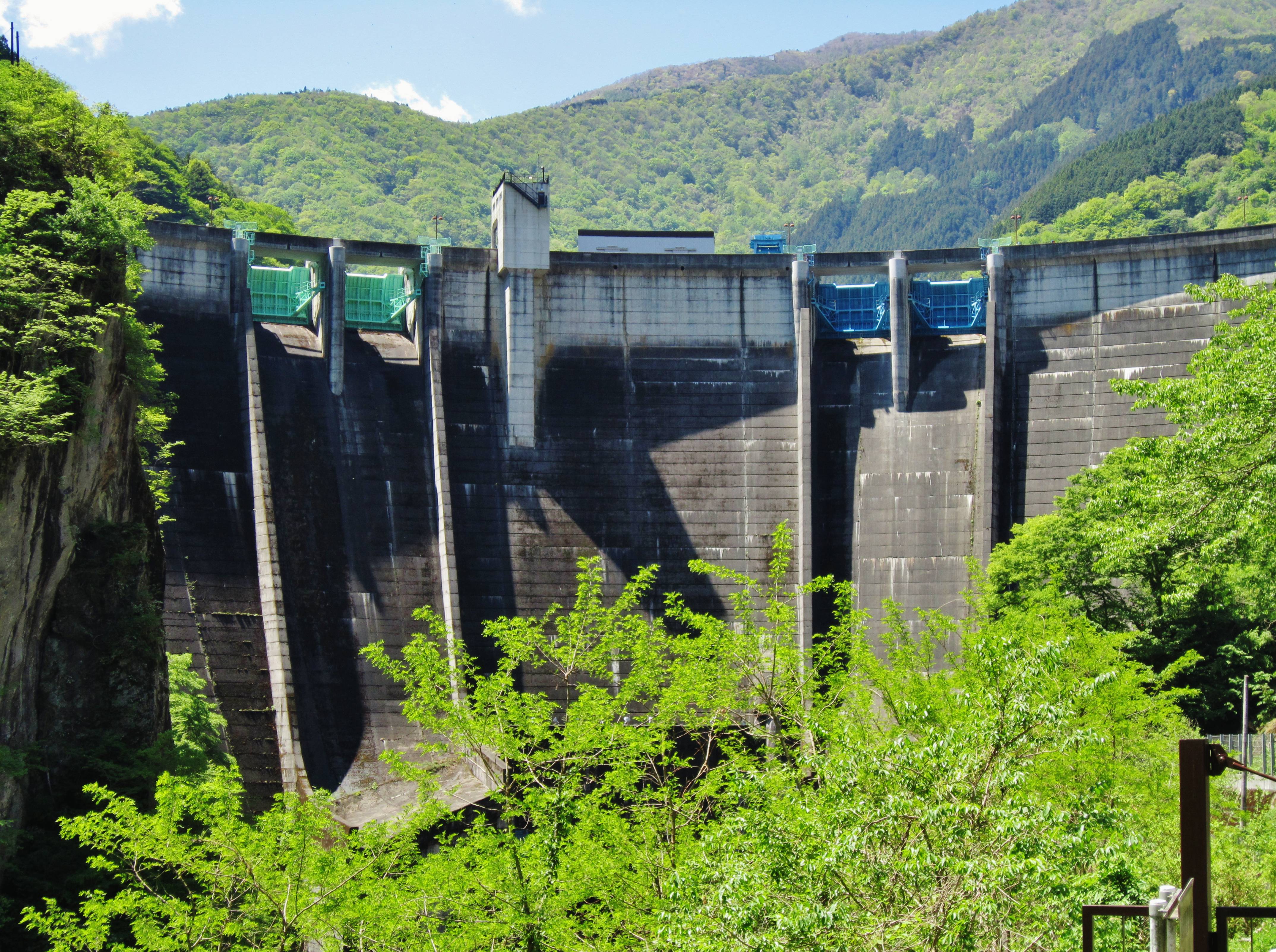
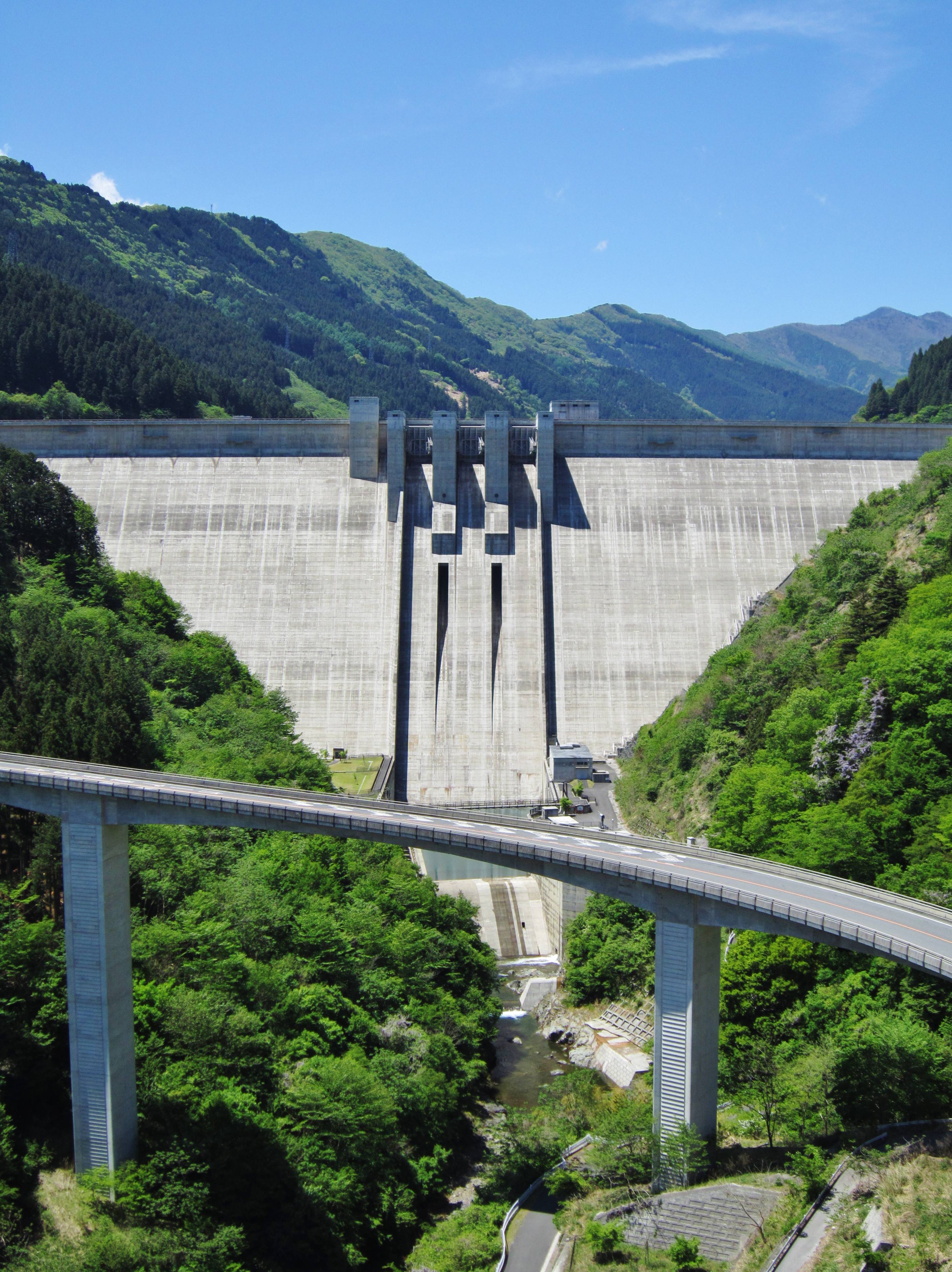
If you think Japan’s natural wonders are limited to cherry blossoms and Mount Fuji, think again. Nestled in the rugged hills of Chichibu, Saitama, 滝沢ダム (Takizawa Dam) rises 132 meters above the riverbed, offering a dramatic backdrop for hikers, photographers, and anyone craving a quiet escape from the city buzz. This concrete‑gravity dam not only plays a vital role in regional water management, but it also frames a landscape dotted with waterfalls, forest trails, and panoramic vistas that are perfect for a day‑trip or a weekend adventure.
Whether you’re a dam‑enthusiast, a nature lover, or a traveler hunting hidden spots in the Kanto region, Takizawa Dam should be on your itinerary. Below you’ll find everything you need to plan a smooth, unforgettable visit.
2. About 滝沢ダム
What is Takizawa Dam?
- Type: Concrete gravity dam
- Location: Chichibu, Saitama Prefecture, Japan
- Coordinates: 35.956121 N, 138.898826 E
- Height: 132 m
Built to regulate the flow of the Arakawa River and support flood control, irrigation, and hydro‑electric power generation, Takizawa Dam is part of a broader network of water infrastructure that sustains the Kanto plain. Although its exact altitude above sea level isn’t publicly listed, the dam’s impressive height makes it one of the taller structures in the region.
A Brief History
Construction of Takizawa Dam began in the late 20th century as part of Japan’s post‑war modernization push. The project aimed to harness the abundant mountain runoff of the Chichibu area while protecting downstream communities from seasonal flooding. Completed in the early 2000s, the dam now serves as a critical water reservoir for both domestic and agricultural use.
Why It Matters
Beyond its functional role, Takikawa Dam has become a modest tourist draw because of:
- Scenic Contrast: The stark, engineered silhouette of the dam against the surrounding forest creates striking photo opportunities.
- Ecological Habitat: The reservoir supports a variety of fish and bird species, making it a quiet spot for wildlife observation.
- Cultural Context: The dam sits near several historic shrines and traditional villages that reflect the heritage of the Chichibu highlands.
3. How to Get There
By Train & Bus
- Start from Tokyo: Take the JR Chuo Line (Rapid) to Otsuki Station (≈1 hour).
- Transfer to the Chichibu Railway: Board the Seibu Chichibu Line to Seibu‑Chichibu Station (≈1 hour).
- Bus to the Dam: From Seibu‑Chichibu, hop on a local Saitama Bus heading toward “Takizawa Dam” or “Chichibu‑Kumagawa.” Buses run roughly every 60–90 minutes, especially on weekends and holidays.
Tip: Bus schedules can vary seasonally; check the latest timetable on the Saitama Bus website or ask at the station’s information desk.
By Car
If you prefer driving, rent a car in Tokyo or at Chichibu Station and follow these directions:
- Take the National Route 140 north toward Chichibu.
- Merge onto Prefectural Road 71 (signs for “Takizawa Dam”).
- After about 15 km, you’ll see parking lots on the east side of the reservoir.
The drive offers scenic mountain passes and takes roughly 2 hours from central Tokyo, depending on traffic.
By Taxi / Ride‑Share
For groups or travelers with heavy gear, a taxi from Chichibu Station is a convenient (though pricey) option. The fare is typically ¥6,000–¥8,000 one‑way.
4. Best Time to Visit
| Season | Highlights | Recommended Activities |
|---|---|---|
| Spring (Mar‑May) | Cherry blossoms along the lower slopes; mild temperatures (10‑20 °C). | Light hiking, photography of the dam framed by pink blooms. |
| Summer (Jun‑Aug) | Lush green foliage; occasional mist over the reservoir. | Early‑morning walks to avoid heat, picnics by the water’s edge. |
| Autumn (Sep‑Nov) | Brilliant red‑orange maple leaves; crisp air (15‑22 °C). | Peak foliage photography, sunset views from the dam’s overlook. |
| Winter (Dec‑Feb) | Snow‑capped dam silhouette; quieter trails. | Snow‑shoe walks, winter photography, hot‑drink breaks in nearby lodges. |
Overall Recommendation: Late October to early November is the sweet spot for most visitors—cool weather, vibrant foliage, and relatively low crowds.
5. What to Expect
The Viewpoint Experience
Upon arrival, you’ll find a modest observation platform on the east side of the reservoir. From here, the dam’s concrete face dominates the horizon, while the water below glitters like a mirror. On clear days, you can see the distant Mount Buko and the patchwork of rice fields that line the lower valleys.
Trail Options
- Short Loop (1 km): A paved path circles the reservoir’s north shore, perfect for a leisurely stroll or a quick photo session.
- Forest Trail (3 km): A dirt trail winds through cedar groves, leading to a small wooden gazebo that offers a more secluded view of the dam’s spillway.
- Extended Hike (5 km+): For the adventurous, continue past the dam toward the 二瀬ダム (Nise Dam) and several waterfalls (see “Nearby Attractions”).
All trails are well‑marked, but they are unpaved and can be slippery after rain, so wear sturdy shoes.
Facilities
- Parking: Free lots on both the east and west sides (capacity ~50 cars).
- Restrooms: Basic toilets near the main parking area.
- Refreshments: No on‑site cafés, but a small kiosk sells bottled water and local snacks during peak season.
6. Nearby Attractions
Takizawa Dam serves as an excellent base for exploring the natural gems of western Saitama. All distances are as‑the‑crow‑fly; driving times are a few minutes longer.
| Attraction | Type | Distance from Takizawa Dam | Why Visit? |
|---|---|---|---|
| 二瀬ダム (Nise Dam) | Dam | 1.9 km | Another impressive concrete dam with a quieter atmosphere. |
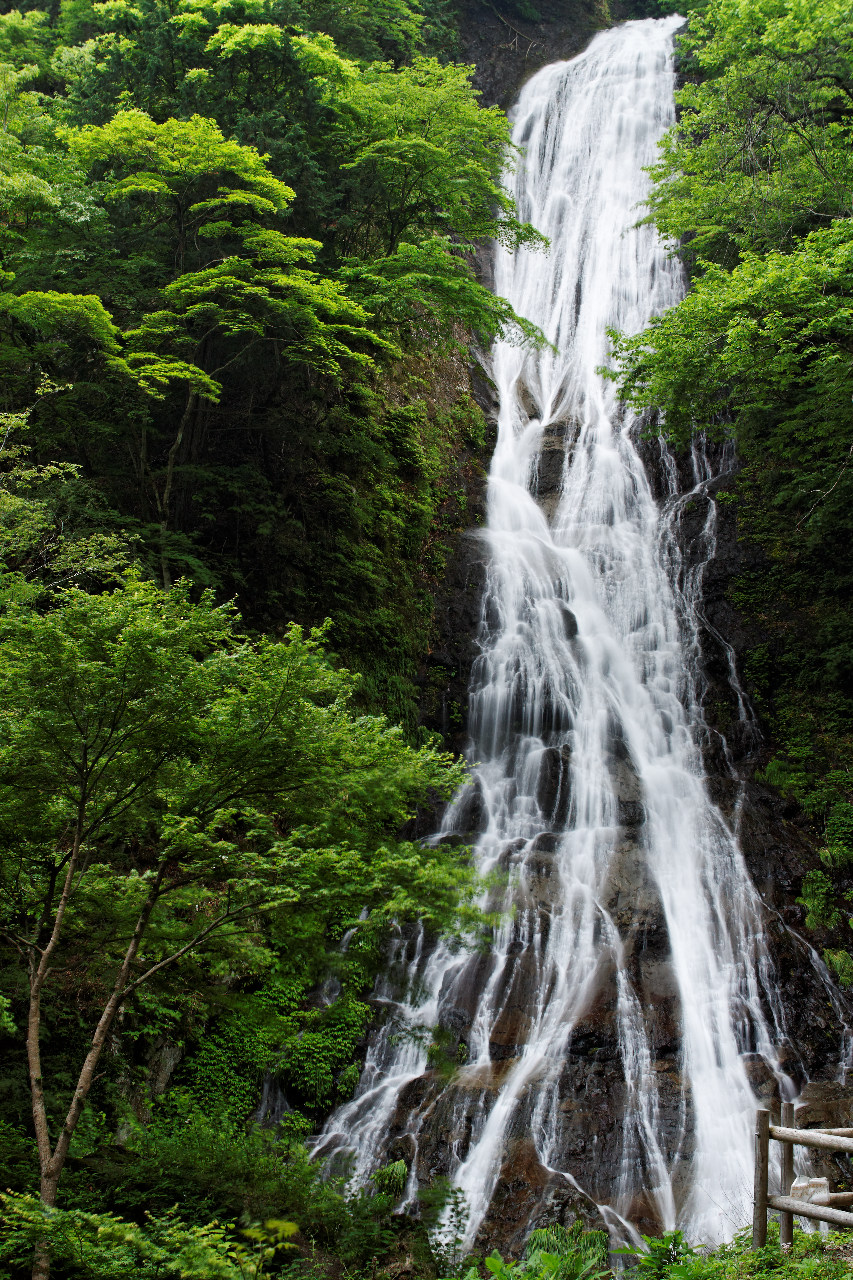
| 女男の滝 (Onna‑Otoko no Taki) | Waterfall | 3.3 km | A twin‑cascade waterfall that creates a misty rainbow on sunny days. |
| 井戸沢の滝 (Idozawa no Taki) | Waterfall | 3.3 km | A secluded cascade tucked in a narrow gorge—great for a short hike. |
| 見返りの滝 (Mikaeri no Taki) | Waterfall | 3.4 km | Known for its “reflection” pool that mirrors the surrounding forest. |
| Unnamed Weir | Weir | 3.6 km | Small historic weir offering a glimpse into traditional water‑management techniques. |
Explore More: For detailed information, check the Japanese Wikipedia pages:
- 二瀬ダム
- 女男の滝
- 井戸沢の滝
- 見返りの滝
Combine these spots into a “Waterfall & Dam Circuit” for a half‑day adventure that showcases the region’s diverse hydrological scenery.
7. Travel Tips
| Tip | Details |
|---|---|
| Check Weather | The dam’s observation deck can be windy; bring a light jacket on cooler days. |
| Timing | Arrive early (7–8 am) in peak seasons to avoid the small crowd that gathers around noon. |
| Parking | The lot fills quickly on weekends; if you’re late, use the west‑side lot and walk across the footbridge. |
| Photography | Use a polarizing filter to reduce glare on the water surface; sunrise shots from the east side are spectacular. |
| Safety | Stay behind safety railings near the spillway; the water can be deceptively deep and fast‑flowing. |
| Cash | Small kiosks may only accept cash, so have ¥1,000–¥2,000 on hand for snacks or souvenirs. |
| Respect Nature | Pack out all trash, stay on marked trails, and avoid feeding wildlife. |
| Language | Signage is primarily in Japanese; a translation app (e.g., Google Translate) helps with directions. |
| Connectivity | Mobile reception can be spotty near the reservoir; download offline maps before you go. |
| Nearby Meals | For a hearty lunch, head to Chichibu Station where you’ll find ramen shops and traditional soba restaurants. |
Final Thoughts
Takizawa Dam may not have the fame of Japan’s iconic landmarks, but its blend of engineering prowess, natural beauty, and tranquil surroundings makes it a rewarding destination for the curious traveler. Whether you’re snapping photos of the 132‑meter concrete wall, hiking to a nearby waterfall, or simply soaking in the quiet of the Chichibu highlands, this hidden gem offers a slice of authentic Saitama that’s both refreshing and unforgettable.
Pack your camera, lace up your boots, and let the 滝沢ダム experience add a new dimension to your Japan adventure. Safe travels!