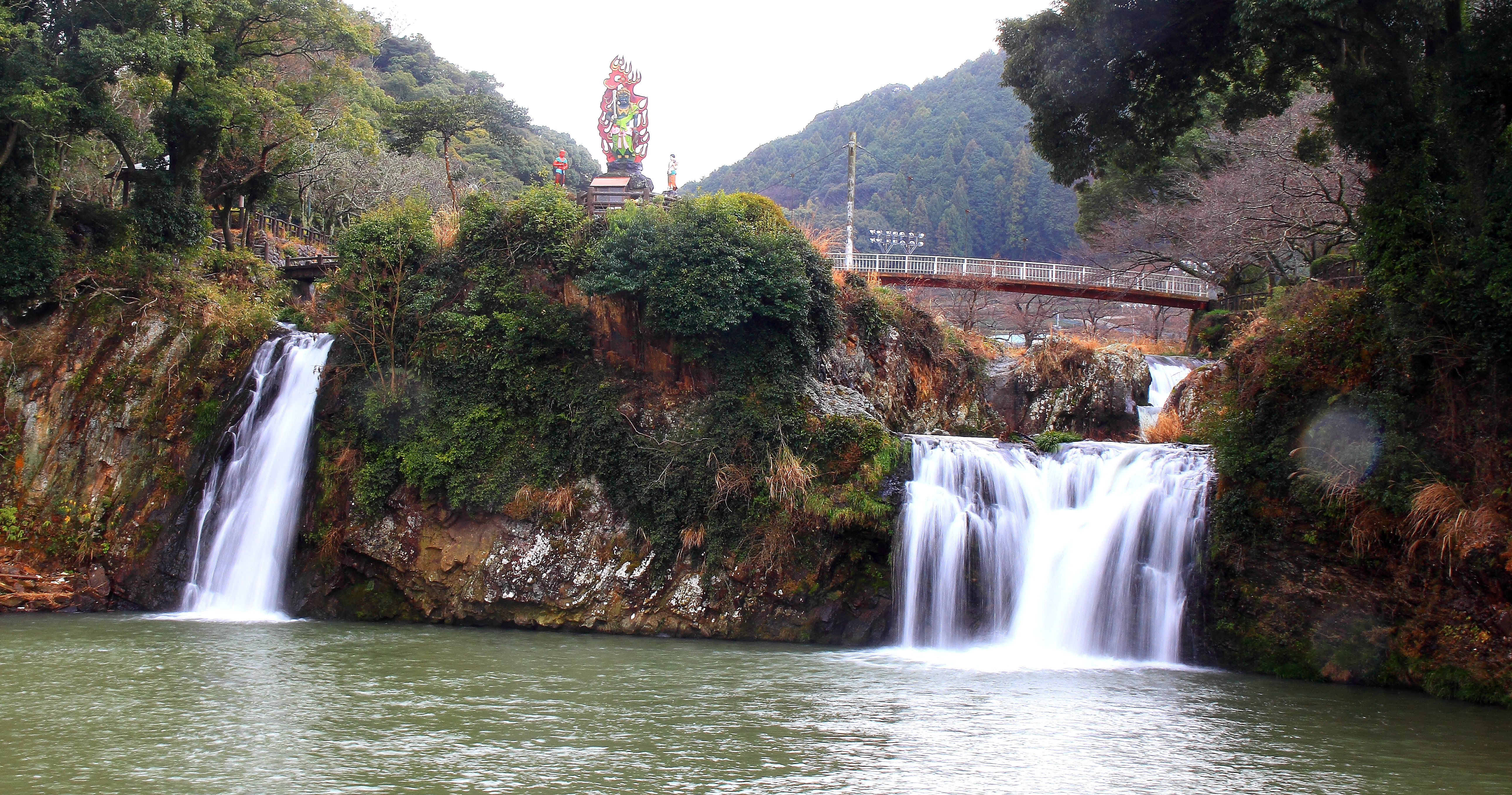
轟の滝 (Todoroki no Taki) – A Hidden Waterfall Gem in Saga Prefecture, Japan
Coordinates: 33.088178, 129.976271
Introduction
If you’ve ever dreamed of discovering a secret waterfall that feels untouched by crowds, 轟の滝 (Todoroki no Taki) in Saga Prefecture is the perfect destination. Tucked away in the quiet village of Ureshinomachi‑shimojuku, this serene cascade offers a rare glimpse of Japan’s raw, natural beauty far from the bustling tourist hubs of Kyoto and Tokyo. Whether you’re a seasoned hiker, a photography enthusiast, or simply a traveler seeking a tranquil escape, 轟の滝 promises an unforgettable experience that blends pristine scenery with the gentle rhythm of falling water.
About 轟の滝
Description
轟の滝 is a modest‑sized waterfall that tumbles over a rocky ledge into a clear pool below. While the exact height remains undocumented, the waterfall’s charm lies in its intimate setting rather than sheer scale. Surrounded by dense forest and the soft murmur of nearby streams, the site feels like a hidden sanctuary where the sound of water becomes a natural soundtrack for contemplation.
History & Significance
The waterfall is part of the local folklore of Ureshinomachi‑shimojuku, a community that has long revered the surrounding waterways for their role in agriculture and daily life. Though there are no grand historical monuments attached to the falls, the name 轟 (todoroki)—meaning “rumble” or “roar”—captures the subtle yet persistent energy of the water as it courses through the landscape. The waterfall’s presence has also helped sustain the nearby ecosystems, providing a habitat for native fish, amphibians, and a variety of bird species.
Why It Matters
In a country where iconic waterfalls like Kegon and Nachi attract millions, 轟の滝 stands out as a off‑the‑beaten‑path destination that encourages slow travel and mindful observation. Its relatively low profile means you can enjoy the natural scenery without the pressure of large crowds, making it an ideal spot for meditation, sketching, or simply breathing in fresh forest air.
How to Get There
By Train
- Start at Hakata Station (Fukuoka) – Take the JR Kagoshima Line to Saga Station (≈ 45 minutes).
- Transfer to the Nagasaki Main Line – Ride to Ureshino Station (≈ 30 minutes).
By Bus
From Saga Station, board the Saga‑Ureshino Community Bus (local route number varies) bound for Ureshinomachi‑shimojuku. The bus stop is just a short walk from the trailhead.
By Car
- From Saga City: Take Route 207 north toward Ureshino, then follow local signs for Ureshinomachi‑shimojuku. Parking is available at the designated lot near the trail entrance.
- From Fukuoka: Drive via the E3 Expressway to the Ureshino Interchange, then continue on Route 207. The total drive is roughly 1 hour and 20 minutes.
Final Leg
From the parking area or bus stop, the trail to 轟の滝 is a gentle 10‑minute walk along a well‑marked forest path. The route is mostly flat, making it accessible for families and casual walkers.
Best Time to Visit
| Season | Highlights | Tips |
|---|---|---|
| Spring (Mar‑May) | Cherry blossoms begin to bloom near the trail, adding pink hues to the waterfall backdrop. | Wear light layers; the forest can be cool in early mornings. |
| Summer (Jun‑Aug) | Lush greenery and a refreshing mist from the waterfall provide natural cooling. | Arrive early to avoid occasional afternoon thunderstorms. |
| Autumn (Sep‑Nov) | Vibrant maple and ginkgo leaves turn the surroundings into a fiery palette. | Bring a camera—autumn light creates dramatic contrasts. |
| Winter (Dec‑Feb) | The waterfall may develop a delicate ice glaze, offering a serene, almost mystical atmosphere. | Dress warmly; the path can be slippery—use sturdy shoes. |
Overall, late spring and early autumn are the most photogenic periods, balancing comfortable weather with striking natural colors.
What to Expect
The Senses
- Sight: A clear, steady cascade framed by moss‑covered rocks and a canopy of evergreen trees. In autumn, the foliage adds bursts of red, orange, and gold.
- Sound: A gentle roar that lives up to the name “轟,” creating a soothing white‑noise backdrop perfect for meditation.
- Smell: Fresh pine and earth after a light rain—nature’s own aromatherapy.
The Trail
The access path is a well‑maintained dirt track with occasional wooden steps. Signage in Japanese and English points out points of interest, such as a small viewing platform that offers a safe spot for photos. The trail is not overly strenuous, but be prepared for uneven terrain and occasional root obstacles.
Amenities
- Restroom: A basic public toilet is located near the parking lot.
- Picnic Area: A modest bench and a shaded spot are available for a quick snack.
- No Entrance Fee: Access to the waterfall is free, encouraging spontaneous visits.
Nearby Attractions
While you’re in the area, consider exploring these nearby natural and cultural sites (all within a 2.5 km radius):
| Attraction | Type | Distance | Why Visit |
|---|---|---|---|
| Unnamed Weir | Weir | 0.1 km | A small stone weir that creates a tranquil pond—great for a short stroll. |
| Unnamed Weir | Weir | 1.8 km | Offers a scenic viewpoint of the surrounding rice fields. |
| Unnamed Weir | Weir | 2.0 km | Ideal for bird‑watching during early morning hours. |
| Unnamed Weir | Weir | 2.0 km | Features a historic wooden bridge crossing the water. |
| 岩屋川内ダム (Iwayagawa Dam) | Dam | 2.3 km | A modern dam with a visitor center that explains local water management. |
Note: The weirs are modest structures that enhance the local water network; they’re perfect for quick photo ops and a deeper appreciation of the region’s agricultural heritage. For more detailed information, you can visit the official Saga Prefecture tourism website or consult local signage.
Travel Tips
- Timing: Arrive early (7–8 am) during peak seasons to enjoy the waterfall in peaceful solitude.
- Footwear: Wear sturdy, waterproof hiking shoes—especially in rainy summer months.
- Weather Check: The area can experience sudden rain showers; bring a lightweight rain jacket.
- Respect Nature: Stay on the marked path, avoid stepping on delicate moss, and pack out any trash.
- Photography: The best light occurs during the “golden hour” (just after sunrise or before sunset). A polarizing filter can help reduce glare on the water surface.
- Connectivity: Mobile reception may be limited; download offline maps (e.g., Google Maps offline area) before you set out.
- Local Cuisine: After your waterfall visit, head to Ureshino town for its famous Ureshino tea and local soba noodles—both perfect for recharging.
- Language: While signage includes English, learning a few basic Japanese phrases (e.g., “こんにちは” – hello, “トイレはどこですか?” – where is the restroom?) can enhance interactions with locals.
Final Thoughts
轟の滝 may not boast the towering height of Japan’s famous waterfalls, but its quiet elegance, easy accessibility, and surrounding natural charm make it a standout spot for anyone traveling through Saga Prefecture. Whether you’re chasing the perfect waterfall photo, seeking a peaceful spot to unwind, or simply exploring the hidden corners of Japan’s countryside, 轟の滝 invites you to pause, listen to the gentle roar, and let the rhythm of the water guide your journey.
Pack your walking shoes, bring a sense of curiosity, and let this hidden cascade become a treasured memory on your Japanese adventure.
Keywords: 轟の滝, Saga Prefecture waterfall, Ureshinomachi‑shimojuku, Japan travel, hidden waterfalls Japan, nature attractions Saga, waterfall hiking Japan, visit Saga, travel to Japan, waterfall photography