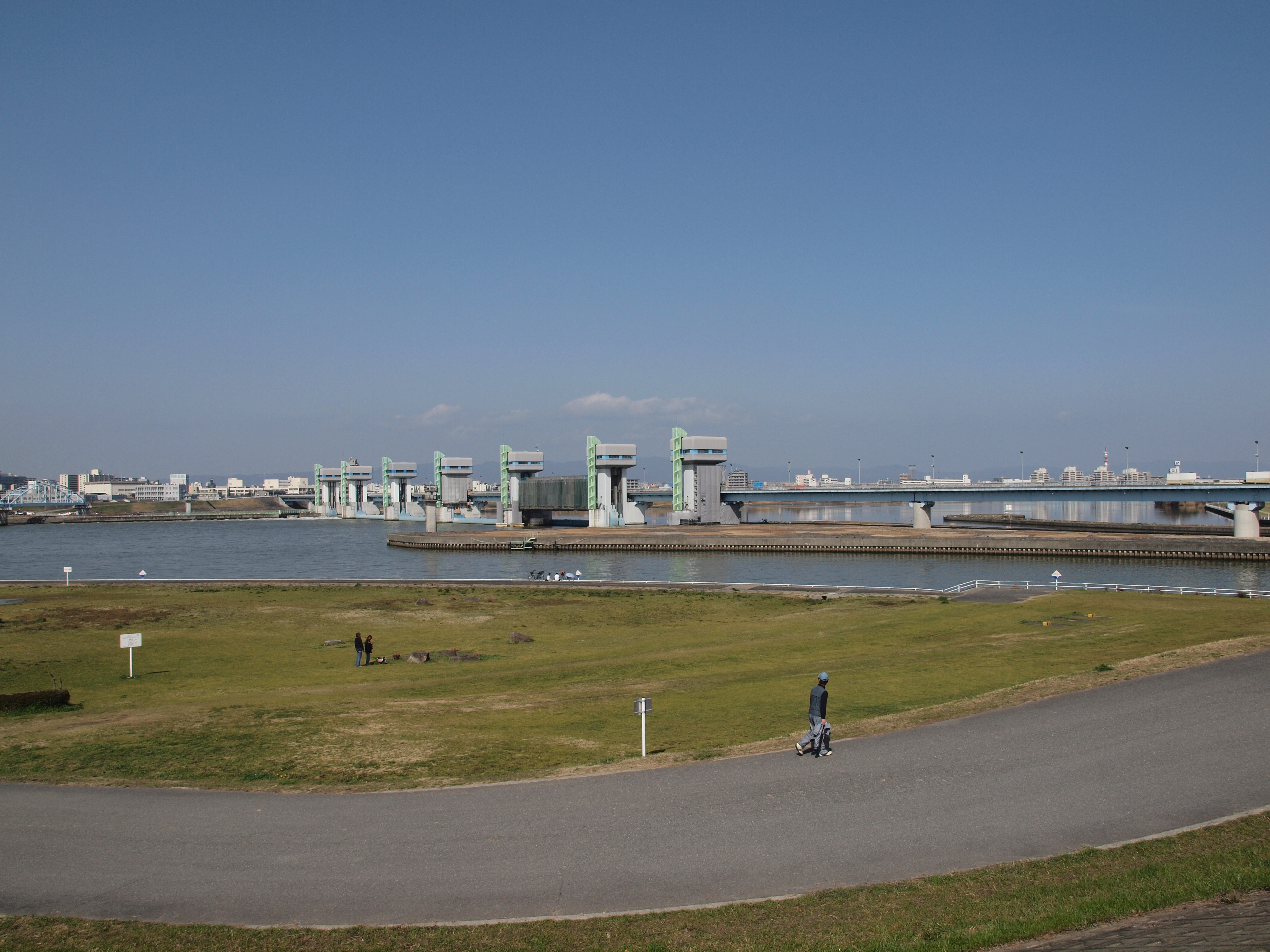
淀川大堰 (Yodo River Weir) – A Hidden Water‑Works Gem in Osaka
Explore the quiet charm of Osaka’s river engineering, snap stunning river‑side photos, and discover nearby attractions that make this spot a perfect off‑the‑beaten‑path stop for travelers.
1. Introduction
When you think of Osaka, neon‑lit Dotonbori, towering skyscrapers, and bustling street food stalls probably come to mind first. Yet just a few kilometers north of the city centre, the Yodo River (淀川) winds through a tranquil landscape dotted with historic waterworks. Among them, 淀川大堰 – the Yodo River’s main weir – stands as a subtle yet striking piece of engineering that quietly regulates the river’s flow while offering a peaceful retreat for locals and visitors alike.
If you’re hunting for a serene riverside walk, a spot to watch the water glide beneath a sturdy concrete structure, or a place to soak up a slice of Osaka’s hydraulic history, the Yodo River Weir is worth adding to your itinerary.
2. About 淀川大堰
What Is It?
- Name: 淀川大堰 (Yodo River Ōi)
- Type: Weir (a low dam that controls water level)
- Location: Osaka‑shi, Osaka, Japan
- Coordinates: 34.723448 N, 135.513846 E
A weir is not a towering dam but a modest barrier that raises the upstream water level, helping to regulate flow, prevent flooding, and maintain navigation depth. The Yodo River Weir serves these practical purposes for the bustling Yodo River, which connects the inland Osaka basin to Osaka Bay.
A Brief History
While the exact construction date and height of 淀川大堰 are not publicly documented, the weir is part of Osaka’s long‑standing effort to manage the Yodo River’s water volume. Historically, the river has been a lifeline for trade, agriculture, and industry, and its management has required a network of water gates, weirs, and flood‑control structures.
The weir’s presence reflects Osaka’s blend of modern infrastructure and respect for natural waterways. Over the decades, it has been maintained and upgraded to meet contemporary safety standards, ensuring the river remains a reliable resource for the city’s residents and businesses.
Why It Matters
- Flood Control: By moderating water flow, the weir helps protect downstream neighborhoods from sudden surges, especially during the rainy season.
- Navigation: A steady water depth enables small vessels and recreational boats to travel safely along the Yodo River.
- Ecology: Controlled flow supports riverbank vegetation and habitats for fish and birds, contributing to Osaka’s urban biodiversity.
For travelers, the weir offers a unique perspective on how a major metropolis coexists with its natural environment.
3. How to Get There
By Public Transport
- Start at Osaka Station (JR Osaka Loop Line, Shinkansen, or subway).
- Take a local bus heading toward the Yodo River area. Osaka’s city bus network includes routes that stop near the river’s northern banks; look for stops labeled “Yodogawa” or “Kema.”
- Alight at the nearest stop (typically within a 5‑minute walk to the weir). The exact stop name may vary, so ask the driver or check the bus map for the stop closest to the coordinates 34.723448, 135.513846.
By Taxi or Ride‑Share
A taxi from Osaka Station to the weir takes roughly 10–15 minutes (≈4 km). This is a convenient option if you’re traveling with luggage or prefer a door‑to‑door ride.
By Bicycle
Osaka is increasingly bike‑friendly. Renting a city bike and cycling along the river’s dedicated bike paths is a scenic way to reach the weir. The ride from central Osaka takes about 20 minutes and lets you enjoy riverside views en route.
Parking
If you’re driving, limited street parking is available near the weir, but spaces fill quickly on weekends. Look for public parking lots a short walk away, especially near the nearby 毛馬水門 (Kema Watergate).
4. Best Time to Visit
| Season | Highlights | Why Visit |
|---|---|---|
| Spring (Mar‑May) | Cherry blossoms along the riverbank, mild temperatures | Perfect for leisurely walks and photography |
| Summer (Jun‑Aug) | Lush green scenery, occasional river festivals | Early mornings are cooler; bring water |
| Autumn (Sep‑Nov) | Vibrant foliage, crisp air | Ideal for sunset shots over the weir |
| Winter (Dec‑Feb) | Calm water surface, occasional frost on the banks | Quiet atmosphere; fewer crowds |
Tip: The Yodo River’s water level can rise during the rainy season (June‑July). If you prefer a calmer view of the weir, aim for late autumn or early spring when the flow is moderate.
5. What to Expect
- Scenic River Views: The weir stretches across the river, creating a gentle cascade that produces a soothing soundscape. From the riverbank, you can watch water glide over the concrete crest, especially striking at sunrise or sunset.
- Walking Paths: Well‑maintained sidewalks run parallel to the river, offering a flat, accessible route for walkers, joggers, and wheelchair users.
- Photography Opportunities: The contrast between the industrial weir and the natural river scenery makes for compelling photos. Capture long‑exposure shots of the flowing water, or frame the weir against a backdrop of cherry blossoms or autumn leaves.
- Quiet Atmosphere: Unlike Osaka’s bustling downtown, the weir area feels tranquil, with only occasional locals fishing or picnicking. It’s an ideal spot for a moment of reflection or a break from city crowds.
6. Nearby Attractions
While the Yodo River Weir is the star of the show, several nearby points of interest enhance a day‑trip itinerary:
| Attraction | Type | Distance from 淀川大堰 | Quick Link |
|---|---|---|---|
| 毛馬水門 (Kema Watergate) | Weir | 0.4 km | Kema Watergate |
| Unnamed Weir #1 | Weir | 0.5 km | — |
| Unnamed Weir #2 | Weir | 0.5 km | — |
| Unnamed Fountain | Fountain | 0.7 km | — |
| Unnamed Weir #3 | Weir | 1.0 km | — |
Because some nearby structures lack English‑language pages, we’ve listed them generically. All are within a comfortable walking distance, allowing you to explore Osaka’s historic water‑management network at your own pace.
7. Travel Tips
- Check the Weather: The weir is an open‑air site. Clear skies give the best views, while heavy rain can make the river level rise quickly.
- Bring a Light Jacket: Even in summer, riverside breezes can feel cool, especially early mornings or evenings.
- Carry a Reusable Water Bottle: Osaka’s tap water is safe to drink, and staying hydrated is essential for longer walks.
- Mind the Rules: Swimming or wading near the weir is prohibited for safety reasons. Stick to the designated pathways.
- Capture the Moment: If you’re into photography, bring a tripod for low‑light shots at dusk; the weir’s silhouette against a colorful sky is striking.
- Combine with a River Cruise: Some local operators offer short boat tours on the Yodo River. Boarding near the weir gives you a different perspective of the structure from the water.
- Explore Local Snacks: Small kiosks near the river sometimes sell traditional Osaka treats like takoyaki or roasted sweet potatoes—perfect for a quick bite.
Final Thought
The 淀川大堰 may not boast the flashiness of Osaka’s skyscrapers, but its quiet presence tells a story of how the city harnesses nature to thrive. Whether you’re a photography enthusiast, a history buff, or simply someone looking for a peaceful spot to unwind, the Yodo River Weir offers a uniquely Japanese experience that balances engineering, ecology, and serenity.
Add it to your Osaka travel plan, enjoy the gentle flow of the river, and let the subtle beauty of this hidden weir refresh your wanderlust.
Keywords: 淀川大堰, Yodo River weir, Osaka travel, Osaka hidden gems, things to do Osaka, river walk Osaka, Kema Watergate, Osaka river attractions, best time to visit Osaka, Osaka day trip ideas