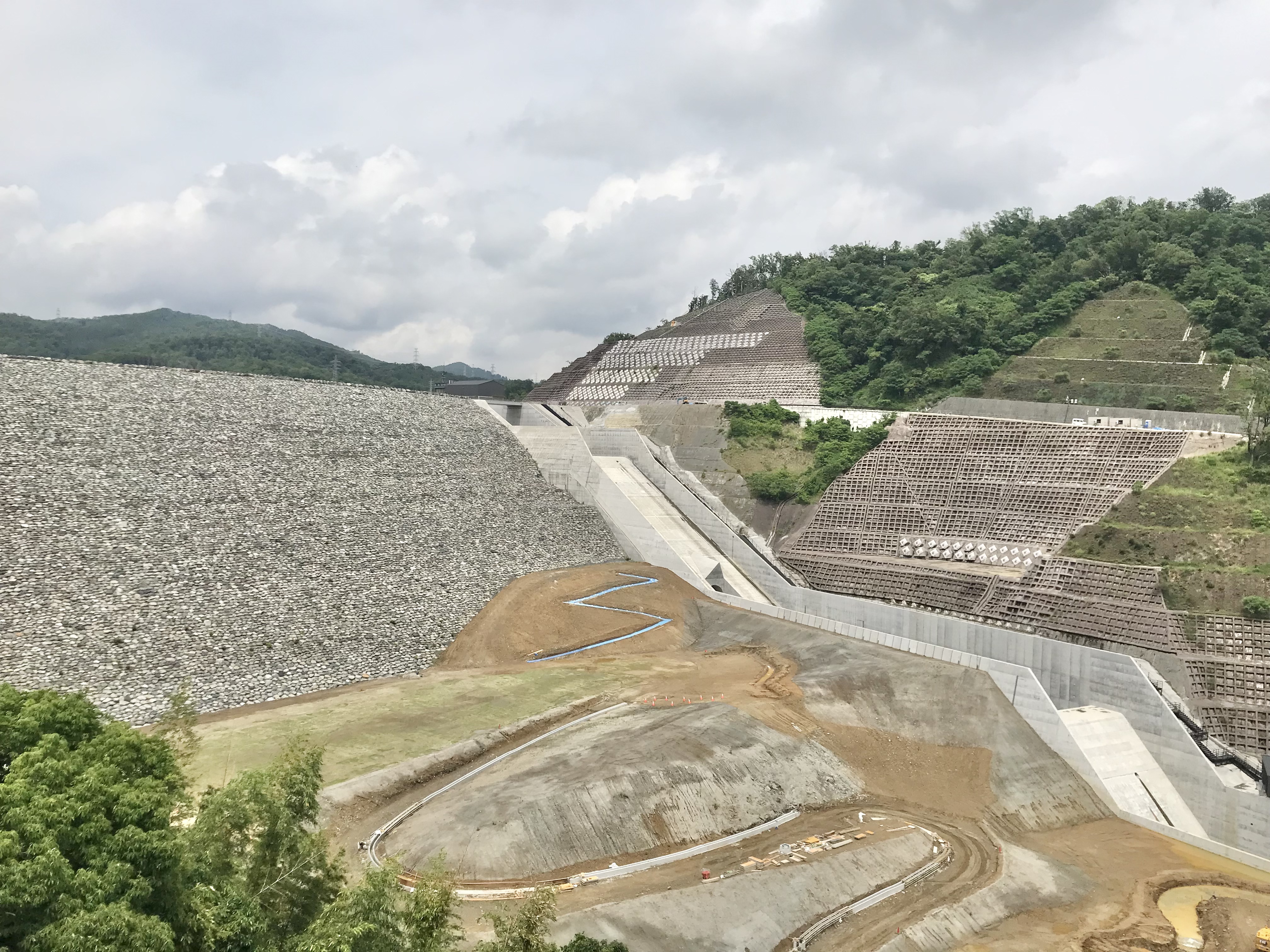
安威川ダム (An'ikawa Dam) – A Hidden Gem in Osaka’s Countryside
If you think Osaka is only about neon lights, street food, and towering castles, think again. Nestled in the tranquil hills of Ibaraki‑ku, Osaka, 安威川ダム (An'ikawa Dam) offers a serene escape for nature lovers, photography enthusiasts, and anyone craving a slice of Japan’s lesser‑known engineering beauty.
1. Introduction
Imagine standing on a gentle ridge, the air tinged with the fresh scent of pine, and looking down at a sleek concrete wall that has been quietly shaping the local landscape for decades. That’s the experience awaiting you at 安威川ダム. While it may not appear on the typical Osaka travel itineraries, this dam is a perfect spot for a day‑trip that blends subtle history, stunning scenery, and a touch of adventure—all just a short ride from the bustling city center.
In this guide, we’ll dive into the dam’s background, show you how to get there, suggest the best seasons to visit, and highlight nearby attractions that can round out your itinerary. Whether you’re a solo traveler, a family on vacation, or a local looking for a weekend getaway, 安威川ダム deserves a place on your Osaka bucket list.
2. About 安威川ダム
Description & Location
- Name: 安威川ダム (An'ikawa Dam)
- Type: Concrete dam 🏗️
- Location: Ibaraki, Osaka, Japan
- Coordinates: 34.871172 N, 135.559638 E
The dam sits amid gentle hills and forested valleys, forming part of the water‑management system that supports agriculture, flood control, and local water supply in the Osaka prefecture. While the exact height and altitude remain undocumented in public sources, the structure’s sleek silhouette blends seamlessly with the surrounding landscape, offering unobstructed views of the river that feeds it.
History & Significance
Although detailed construction records are scarce, the dam’s presence is noted on the Japanese Wikipedia page for 安威川ダム. Its role is primarily functional—regulating the flow of the An'ikawa River to protect downstream communities from seasonal flooding and to ensure a reliable water source for the region’s farms and residential areas.
Beyond its utilitarian purpose, the dam has become an informal landmark for hikers and cyclists exploring the Ibaraki countryside. Its relatively low traffic and peaceful setting make it an ideal spot for sunrise photography, quiet picnics, and contemplative walks along the riverbank.
3. How to Get There
From Osaka Station (Umeda)
- Train: Take the JR Osaka Loop Line to Osaka Station (if you’re not already there). Transfer to the JR Katamachi Line (Gakkentoshi Line) heading toward Kashiwara.
- Transfer: Get off at Ibaraki Station (約30 minutes from Osaka Station).
- Bus or Taxi: From Ibaraki Station, catch the local Osaka City Bus bound for “安威川ダム” (look for the sign in Japanese: An'ikawa Dam). The bus ride takes roughly 20 minutes. Alternatively, a taxi from the station will get you there in about 15 minutes for ¥2,500‑¥3,000.
By Car
- Route: From the Hanshin Expressway, take Route 2 (Osaka‑Kobe Loop) and exit at Ibaraki‑Miyake. Follow the signs for 安威川ダム; the road is well‑marked and the drive offers scenic countryside views.
- Parking: A modest parking lot sits near the dam’s visitor area, free for up to 2 hours (additional time may require a small fee).
Biking
For the adventurous, the Osaka Riverside Cycling Route passes within a few kilometers of the dam. Rent a bike in central Osaka or at Ibaraki Station and enjoy a leisurely ride through rice paddies, small towns, and riverbanks—perfect for a weekend excursion.
4. Best Time to Visit
| Season | Highlights | Why Visit |
|---|---|---|
| Spring (Mar‑May) | Cherry blossoms along the river, mild temperatures | The dam’s surroundings burst into pink and white, creating postcard‑perfect backdrops. |
| Summer (Jun‑Aug) | Lush green foliage, cooler riverside breezes | Early mornings offer refreshing mist; perfect for a quick dip (if permitted). |
| Autumn (Sep‑Nov) | Vibrant maple and ginkgo leaves, crisp air | The changing colors reflect beautifully on the water, ideal for photography. |
| Winter (Dec‑Feb) | Snow‑capped hills, quiet atmosphere | Fewer visitors, making it a peaceful spot for meditation or sunrise watching. |
Insider tip: The first weekend of October often hosts a small local “River Festival” where residents gather for traditional music and food stalls near the dam. Check local listings for exact dates.
5. What to Expect
Scenic Views
From the main observation platform, you’ll see the dam’s concrete face stretching across the river, framed by rolling hills that shift from emerald green in summer to fiery orange in autumn. The water level fluctuates with the seasons, offering different visual moods throughout the year.
Walking Trails
A short, well‑maintained trail circles the dam, suitable for casual walkers and families with children. Benches are spaced at regular intervals, allowing you to pause and soak in the view or enjoy a packed lunch.
Photography
- Golden Hour: The east‑facing side of the dam catches the sunrise glow, while the west side is perfect for sunset shots.
- Long Exposure: Set up a tripod near the riverbank to capture silky water textures against the solid dam structure.
Wildlife
Early mornings bring a chorus of birds—kingfishers, herons, and occasional migratory swallows. If you’re lucky, you may spot small mammals like Japanese hares darting through the underbrush.
6. Nearby Attractions
While 安威川ダム is the star of the day, the surrounding area offers several charming spots worth a quick stop. All are within a 4 km radius, making them easy to combine into a single outing.
| Attraction | Distance | Type | Link |
|---|---|---|---|
| Local Fountain | 1.6 km | Fountain | Google Maps |
| River Weir A | 2.0 km | Weir | Google Maps |
| River Weir B | 2.5 km | Weir | Google Maps |
| Historic Fountain | 3.6 km | Fountain | Google Maps |
| Secondary Dam | 3.8 km | Dam | Google Maps |
These attractions are modest yet delightful—perfect for a short stroll, a photo op, or a quiet moment away from the main dam area.
7. Travel Tips
- Check the Weather: The dam area is exposed, so bring a light jacket or raincoat if the forecast calls for sudden showers.
- Footwear: Wear comfortable walking shoes; the trail can be slippery after rain.
- Timing: Arrive early (around 8 am) on weekends to avoid the small crowd that gathers later in the day.
- Food & Drink: There are no vending machines on site, so pack water and snacks. Nearby convenience stores in Ibaraki Station offer a variety of bento boxes and local treats.
- Respect the Environment: The dam is a functional water‑management facility. Follow posted signs, stay on designated paths, and avoid littering.
- Photography Gear: If you plan to shoot long exposures, bring a spare battery—cold mornings can drain camera batteries quickly.
- Accessibility: The main observation platform is wheelchair‑friendly, but some of the surrounding trails have uneven surfaces.
Wrap‑Up
安威川ダム may not be the first name that pops up when you think of Osaka, but its quiet charm, scenic backdrop, and easy accessibility make it a rewarding addition to any travel itinerary. Whether you’re chasing the perfect sunrise shot, seeking a peaceful spot for a picnic, or simply want to explore a different side of Osaka beyond the urban hustle, the dam delivers a memorable experience without the crowds.
Pack a camera, hop on a train to Ibaraki, and let the gentle flow of the An'ikawa River guide you to one of Osaka’s hidden treasures. Happy travels!