Asahigawa Daini Dam (旭川第二ダム) – A Hidden Gem in Tsuyama, Okayama
Discover the tranquil beauty of one of Japan’s lesser‑known dams, perfect for a day‑trip off the beaten path.
1. Introduction
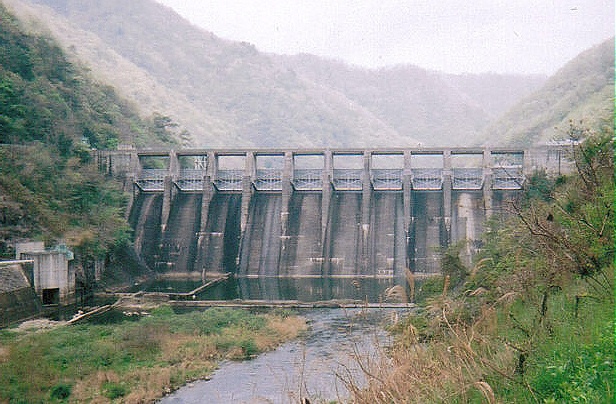
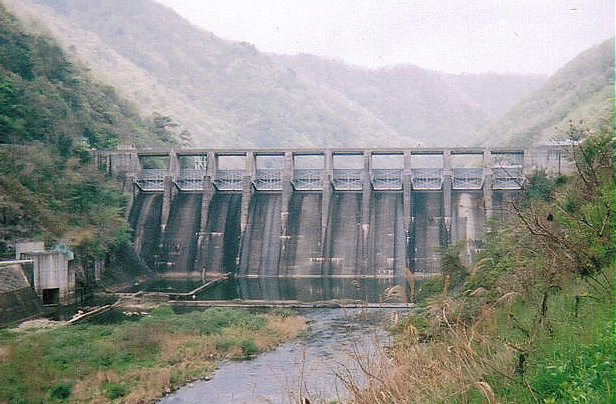
If you’re wandering the countryside of Okayama Prefecture and crave a slice of nature that feels both grand and intimate, look no further than Asahigawa Daini Dam (旭川第二ダム). Perched in the rolling hills of Tsuyama, this 45‑meter‑high concrete dam offers crystal‑clear waters, sweeping mountain vistas, and a peaceful atmosphere that’s a welcome contrast to the bustling cities of Osaka and Hiroshima. Whether you’re a photography enthusiast, a family looking for a quiet outdoor spot, or a dam‑enthusiast eager to explore Japan’s engineering marvels, Asahigawa Daini Dam should be on your travel radar.
2. About 旭川第二ダム Asahigawa Daini Dam
A Brief History
Built as part of the Asahigawa River flood‑control and water‑supply system, Asahigawa Daini Dam was completed in the latter half of the 20th century (exact year not publicly listed). It serves multiple purposes: regulating river flow, providing irrigation water for the fertile Okayama plains, and generating a modest amount of hydroelectric power.
The dam’s name—“第二” meaning “second”—distinguishes it from the upstream 旭川ダム (Asahigawa Dam), which lies just 2.4 km away. Together, the two structures create a cascade of reservoirs that have become beloved recreation spots for locals.
Why It Matters
- Engineering Significance: At 45 m tall, the dam showcases Japan’s post‑war concrete dam design, emphasizing durability and minimal environmental impact.
- Ecological Role: The reservoir supports a thriving ecosystem of freshwater fish, waterfowl, and native plant species, making it a subtle hotspot for birdwatchers.
- Cultural Value: The dam area is a popular venue for seasonal festivals and community events, especially during the cherry‑blossom (sakura) and autumn‑leaf (kōyō) seasons.
For a deeper dive into the dam’s technical details, you can check the Japanese Wikipedia page: 旭川第二ダム (Japanese Wikipedia).
3. How to Get There
By Train & Bus
- Start from Okayama Station (JR Sanyo Main Line).
- Take the JR Kishin Line to Tsuyama Station (≈ 1 hour, 30 minutes).
- From Tsuyama Station, board the local bus bound for “Asahigawa” or “旭川ダム”. The bus ride is about 30 minutes and drops you off near the dam’s parking lot.
Tip: Buses run less frequently on weekends, so check the latest timetable on the Okayama Prefectural Bus website before you travel.
By Car
Driving is the most flexible option, especially if you plan to explore nearby attractions.
- From Okayama City: Take the Chugoku Expressway (E2) toward Tsuyama, exit at Tsuyama Interchange, then follow Route 180 north for roughly 15 km.
- From Tsuyama Station: Follow signs for “旭川第二ダム” on Prefectural Road 48. The drive takes about 20 minutes and offers scenic countryside views.
There is a modest free parking lot (≈ 30 spaces) near the dam’s visitor center. Arrive early during peak seasons (late March–early April and late October–early November) to secure a spot.
By Bicycle
For the adventurous, the Tsuyama Cycling Route connects the city center to the dam via a gentle 12 km paved path. Rental bikes are available at Tsuyama Station’s “Bike‑Share” kiosk.
4. Best Time to Visit
| Season | Highlights | Why Visit |
|---|---|---|
| Spring (Mar–May) | Cherry blossoms framing the reservoir, mild temperatures | Ideal for photography and picnics under blooming sakura trees. |
| Summer (Jun–Aug) | Lush green hills, clear blue water, occasional fireworks festivals | Perfect for cooling off, paddle‑boarding, and evening festivals. |
| Autumn (Sep–Nov) | Vibrant maple and ginkgo leaves (kōyō) turning the landscape orange‑red | Spectacular foliage makes for unforgettable sunset shots. |
| Winter (Dec–Feb) | Snow‑capped hills, quiet atmosphere | A serene, less‑crowded experience; great for contemplative walks. |
Peak visitor months are late March (sakura) and late October (kōyō). If you prefer solitude, aim for early May or early December.
5. What to Expect
Scenic Walks & Observation Decks
A short, well‑maintained trail circles the reservoir, offering multiple viewpoints. The main observation deck—located near the dam’s spillway—provides a panoramic vista of the water, the dam’s concrete façade, and the surrounding forested hills.
Picnic Areas
Designated picnic tables and benches sit beside the water’s edge, equipped with waste‑recycling bins. Bring a bento box and enjoy a lakeside lunch while listening to the gentle rush of water.
Recreational Activities
- Fishing: Permitted with a local fishing license; common catches include carp and sweetfish (ayu).
- Kayaking & Paddle‑boarding: Rental services operate seasonally from a small kiosk near the parking lot.
- Birdwatching: Early mornings attract kingfishers, herons, and migratory waterfowl.
Visitor Center
A modest information booth offers brochures in Japanese and English, maps of the trail network, and details on upcoming events. The staff are friendly and can recommend the best photo spots based on current weather conditions.
6. Nearby Attractions
While Asahigawa Daini Dam is a highlight on its own, the surrounding area boasts several other dams and natural sites that make for a satisfying day‑trip circuit.
| Attraction | Distance from Asahigawa Daini Dam | Description |
|---|---|---|
| 旭川ダム (Asahigawa Dam) | 2.4 km | The upstream counterpart, offering a slightly larger reservoir and a historic water‑gate museum. |
| [Unnamed Dam 1] | 4.6 km | A smaller concrete dam surrounded by cherry‑tree lanes—perfect for a quick photo stop. |
| [Unnamed Dam 2] | 6.5 km | Known for its seasonal waterfall that cascades during the rainy season. |
| [Unnamed Dam 3] | 7.4 km | Features a rustic fishing pier and a small shrine dedicated to river deities. |
| [Unnamed Dam 4] | 8.0 km | Offers a gentle hiking loop with interpretive signs about local flora and fauna. |
Note: The unnamed dams are part of the regional water‑management network. Signage at each site provides English explanations, and most have free parking.
7. Travel Tips
- Check Weather Forecasts – The dam area can be foggy in early mornings, especially in summer. Clear skies make for the best photography.
- Bring Cash – Small vending machines and rental kiosks often accept only cash (¥1,000 bills and coins).
- Respect Local Rules – Swimming is prohibited for safety reasons; stay within designated zones for water activities.
- Stay Connected – Mobile reception can be spotty near the reservoir. Download offline maps (Google Maps or MAPS.ME) before you go.
- Eco‑Friendly Practices – Carry a reusable water bottle and dispose of trash in the provided recycling bins to help keep the area pristine.
- Seasonal Events – Look out for the “Asahigawa Water Festival” in August, which includes lantern releases on the lake and local food stalls.
- Photography Gear – A wide‑angle lens captures the dam’s full structure, while a telephoto lens is useful for distant mountain shots and wildlife.
Wrap‑Up
Asahigawa Daini Dam may not have the fame of Japan’s iconic landmarks, but its blend of engineering elegance, natural beauty, and tranquil ambiance makes it a rewarding destination for any traveler exploring Okayama and the Chūgoku region. Pack a snack, bring your camera, and let the gentle ripple of the reservoir guide you into a peaceful corner of Japan that few tourists ever see.
Ready to add Asahigawa Daini Dam to your itinerary? Share your experience on social media with the hashtag #AsahigawaDainiDam and inspire other wanderers to discover this hidden treasure. Safe travels!