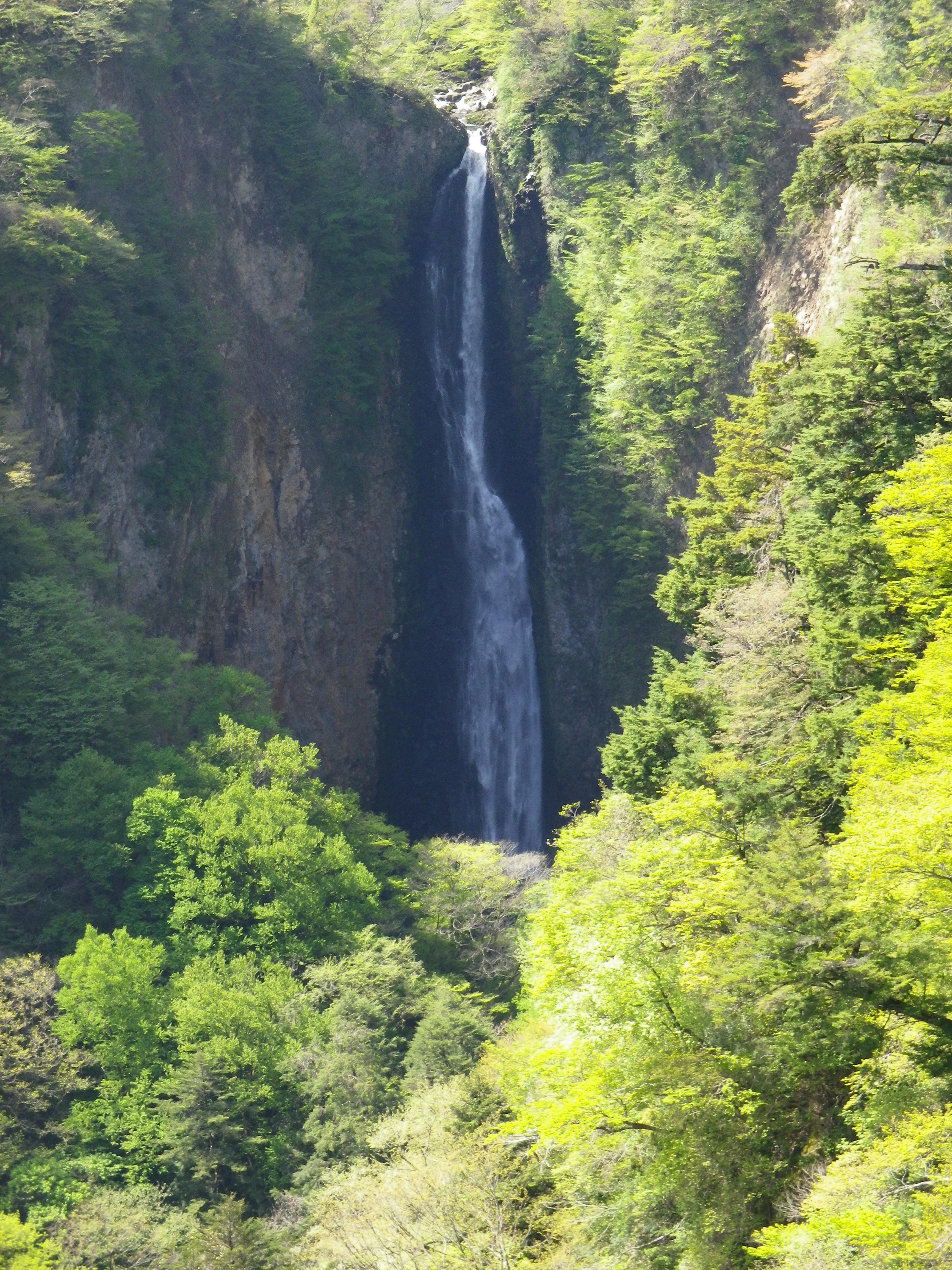
震動の滝 (Shindō no Taki) – A Hidden 83‑Meter Jewel in Oita, Japan
Discover the roar, the mist, and the serenity of one of Kyushu’s most dramatic waterfalls.
Introduction
If you’ve ever chased the thundering cascade of Japan’s famous waterfalls—Kegon, Nachi, or Shiraito—prepare to add a quieter, yet equally powerful, masterpiece to your list: 震動の滝 (Shindō no Taki). Tucked away in the lush forested hills of Tsukawaki, Oita, this 83‑meter drop plunges into a pristine pool, creating a constant tremor of mist that gives the waterfall its name (“震動” means “vibration”). The sight, sound, and cool spray combine to make a sensory experience that feels both primal and meditative. Whether you’re a seasoned hiker, a photography enthusiast, or simply a traveler looking for an off‑the‑beaten‑path natural wonder, Shindō no Taki promises a rewarding adventure.
About 震動の滝
Description
- Height: 83 m (272 ft) – one of the taller waterfalls on Kyushu.
- Type: Free‑fall waterfall, with water cascading directly over a sheer rock face into a deep, turquoise pool.
- Location: Tsukawaki, Oita Prefecture, Japan (coordinates 33.169064, 131.225614).
The waterfall is fed by the Naruko River system, which gathers rainfall from the surrounding mountains. In the spring, the flow swells dramatically, sending a thunderous roar through the valley. In summer, the water turns a vivid emerald, reflecting the dense canopy above. The surrounding forest is a mix of evergreen cedar and deciduous maple, offering vibrant colors in autumn.
History & Significance
Shindō no Taki has long been a local landmark. Its name originates from the palpable vibration felt by early travelers when they approached the falls—an audible “shaking” that echoed through the valley. While the waterfall is not listed as a national scenic spot, it holds cultural importance for the Tsukawaki community, appearing in regional folklore as a place where spirits of the river gather.
In recent years, the site has attracted nature lovers and photographers, especially after being featured on local tourism websites and the Japanese Wikipedia entry for the waterfall. The modest visitor facilities (a small parking lot and a short trail) help preserve its natural ambiance while allowing safe access.
How to Get There
By Air
- Fly into Oita Airport (OIT) – serviced by domestic flights from Tokyo (Haneda) and Osaka (Itami) and a few international routes.
- Rent a car – the most flexible option for reaching the waterfall and nearby attractions.
By Train
- JR Kyushu – Nippō Main Line to Ōita Station.
- From Ōita Station, transfer to a local bus or taxi heading toward Tsukawaki (approximately 20 km north of the city).
Pro tip: If you’re traveling with a Japan Rail Pass, the train ride to Ōita is fully covered.
By Bus & Taxi
- Local bus routes from Ōita Station to Tsukawaki run several times per hour. Look for signs indicating “Tsukawaki‑mura” or ask the driver for “震動の滝”.
- Once you reach the Tsukawaki bus stop, a short 10‑minute taxi ride (or a 15‑minute walk) will drop you at the waterfall’s parking area.
By Car
- From Ōita City, take National Route 10 north toward Tsukawaki.
- Follow the signs for “震動の滝” after passing the 鳴子川取水堰 (Naruko River water intake weir).
- Parking is available at the trailhead; the road is paved but narrow, so drive cautiously.
Best Time to Visit
| Season | What to Expect | Why It’s Ideal |
|---|---|---|
| Spring (Mar‑May) | Snowmelt and early rains swell the flow; cherry blossoms may fringe the trail. | The waterfall is at its most powerful, and the surrounding forest bursts into fresh green. |
| Summer (Jun‑Aug) | Warm temperatures, lush foliage, occasional rain showers. | The pool at the base is perfect for a quick, refreshing dip (if permitted). |
| Autumn (Sep‑Nov) | Brilliant red, orange, and gold leaves frame the cascade. | Photographers love the contrast between the amber canopy and the turquoise water. |
| Winter (Dec‑Feb) | Cooler air, occasional light snow; water flow steadier but less dramatic. | Fewer crowds, a serene atmosphere, and the possibility of seeing ice crystals on the spray. |
Overall recommendation: Late April to early May and mid‑October provide the most striking visual contrast and comfortable weather for hiking.
What to Expect
The Trail
- Length: Approximately 800 m (½ mile) from the parking lot to the viewing platform.
- Difficulty: Easy to moderate – a well‑maintained dirt path with a few gentle inclines.
- Facilities: A small wooden observation deck, a basic restroom, and informational signage about the waterfall’s geology.
Sensory Experience
- Sound: The roar of water can be heard from the parking area; on the deck, the sound becomes a deep, resonant rumble.
- Sight: From the platform, you’ll see the water free‑falling over a sheer granite cliff, creating a veil of mist that catches the sunlight in sparkling droplets.
- Touch: The mist often reaches the platform, providing a cool, refreshing spray—perfect for a quick photo‑stop.
Photography Tips
- Golden hour (early morning or late afternoon) casts warm light on the water, enhancing the mist’s texture.
- Use a polarizing filter to reduce glare on the pool and bring out the water’s natural color.
- A slow shutter (1‑2 seconds) can capture the silky motion of the falling water, while a faster shutter freezes the spray for dramatic close‑ups.
Nearby Attractions
While Shindō no Taki can easily fill a half‑day, the surrounding area offers several complementary sights that make for a well‑rounded itinerary.
-
鳴子川取水堰 (Naruko River Water Intake Weir) – 0.4 km
- A small historic weir that showcases traditional river management.
- Wikipedia link (Japanese) -
子滝 (Ko‑taki) – “Child Waterfall” – 0.5 km
- A petite cascade that provides a gentle contrast to Shindō no Taki’s power. -
雌滝 (Me‑taki) – “Female Waterfall” – 0.5 km
- Known for its elegant, slender flow; a favorite spot for couples. -
地蔵原ダム (Jizōhara Dam) – 2.7 km
- A modern dam surrounded by a walking trail and a small lake ideal for picnics. -
Unnamed Weir – 4.2 km
- Another modest river structure offering insight into local water‑resource engineering.
All of these sites are reachable by a short drive or a leisurely hike, making it easy to combine them into a single day of exploration.
Travel Tips
- Timing: Arrive early (before 9 am) during peak seasons to avoid crowds and enjoy softer light for photos.
- Footwear: Wear sturdy, waterproof hiking shoes; the trail can become slippery after rain.
- Weather: Check the forecast; heavy rain may increase water flow dramatically, making the base of the falls unsafe.
- Respect the Environment: Stay on marked paths, avoid littering, and refrain from climbing the rocks near the edge.
- Cash: Small vending machines and local shops may accept only cash, so bring yen for snacks or souvenirs.
- Connectivity: Mobile reception can be spotty in the forest; download offline maps (e.g., Google Maps offline area) before you set out.
- Language: Signage is primarily in Japanese; a translation app can help with trail information.
Final Thoughts
震動の滝 may not appear on every mainstream travel guide, but that’s precisely why it feels like a secret waiting to be discovered. Its 83‑meter plunge, the surrounding forest, and the gentle hum of the river create a moment of pure natural immersion that resonates long after you leave. Pair the waterfall with nearby attractions like the Naruko River weir, Ko‑taki, and Jizōhara Dam, and you’ll have a full day of authentic Oita experiences.
Pack your camera, lace up your boots, and let the vibration of Shindō no Taki awaken your sense of adventure.
Keywords: 震動の滝, Shindō no Taki, waterfall Oita, Tsukawaki waterfall, Oita travel, Japan waterfalls, how to get to Shindō no Taki, best time to visit 震動の滝, nearby attractions Oita