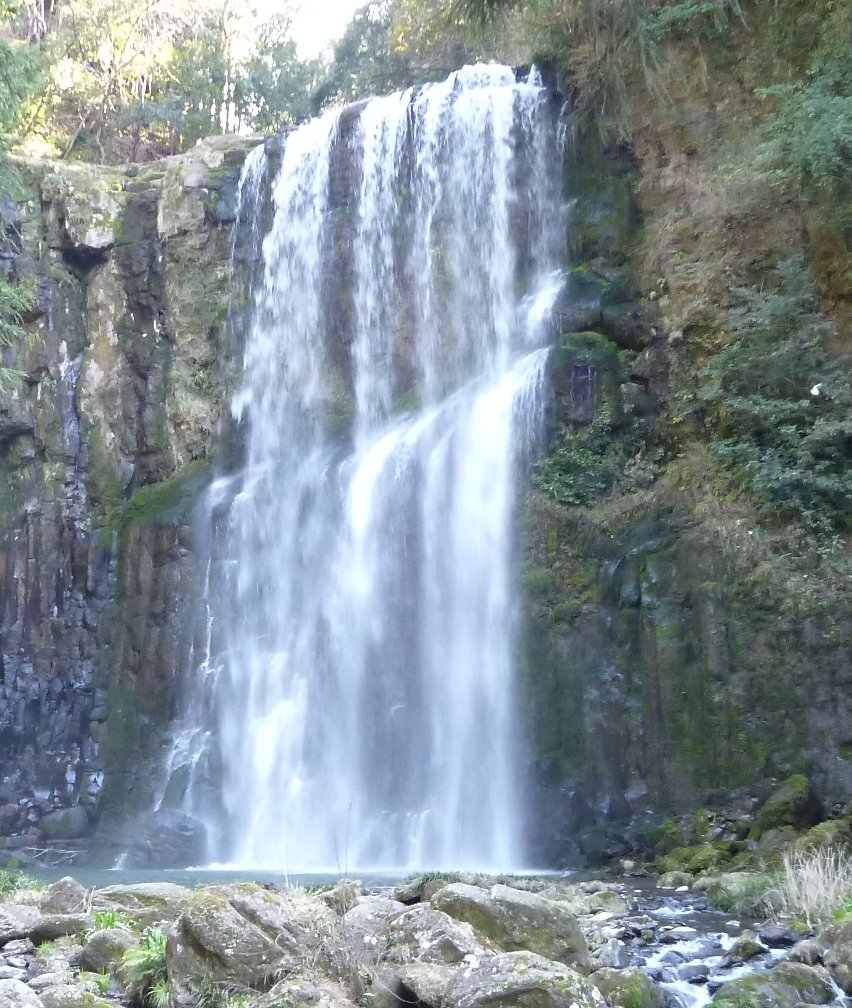
桜滝 (Sakura‑taki) – A Hidden Waterfall Gem in Hita, Oita, Japan
Discover the serene beauty of 桜滝, a lesser‑known waterfall tucked away in the mountains of Hita, Oita. Perfect for nature lovers, photographers, and anyone seeking a quiet escape from the crowds.
1. Introduction
Imagine stepping off a quiet forest trail and hearing the gentle roar of water cascading over moss‑covered rocks. The air is cool, scented with pine and fresh river mist, and a delicate spray kisses your face. This is the moment you experience at 桜滝 (Sakura‑taki), a charming waterfall nestled in the heart of Hita, Oita Prefecture.
While Japan is famous for iconic waterfalls like Kegon and Nachi, 桜滝 offers a more intimate encounter with nature—far from the tourist throngs, yet easily reachable for a day‑trip or a peaceful weekend hike. In this guide, we’ll explore everything you need to know to make the most of your visit: the waterfall’s story, how to get there, the best seasons, what to expect on the trail, nearby attractions, and essential travel tips.
2. About 桜滝
Description
桜滝 is a waterfall (🌊) located at latitude 33.252386 and longitude 131.023095 in the scenic countryside of Hita, a historic city known for its traditional streets and hot springs. The waterfall’s exact height and altitude are not officially recorded, which adds an element of mystery to its allure. What is certain, however, is that the cascade tumbles down a series of natural stone steps, creating a series of mini‑pools that reflect the surrounding forest canopy.
History & Significance
Although specific historical records for 桜滝 are scarce, waterfalls in the Oita region have long been revered in Japanese folklore as places of purification and spiritual renewal. The name “桜” (sakura) evokes images of cherry blossoms, suggesting that the waterfall may have been a favored spot for viewing the fleeting pink blooms that blanket the nearby hills in spring. Local residents often regard the site as a quiet retreat for meditation and seasonal photography.
Why It Matters
- Off‑the‑beaten‑path: Unlike the heavily trafficked waterfalls of Kyoto or Shikoku, 桜滝 remains relatively undiscovered, preserving its natural tranquility.
- Cultural resonance: The waterfall’s name ties it to Japan’s beloved sakura symbolism—beauty, renewal, and the impermanence of nature.
- Ecological value: Situated within a forested watershed, the waterfall supports a diverse range of flora and fauna, making it a subtle hotspot for birdwatchers and nature enthusiasts.
3. How to Get There
From Major Transport Hubs
| Starting Point | Recommended Route | Approx. Travel Time |
|---|---|---|
| Fukuoka Airport (FUK) | Take the JR Kyushu Kagoshima Line to Hita Station (transfer at Hakata). | 2 h 30 min |
| Kagoshima Airport (KOJ) | Direct JR Nippo Main Line to Hita Station. | 2 h 15 min |
| Osaka (Kansai Intl.) | Shinkansen to Hakata, then JR Kagoshima Line to Hita. | 3 h 30 min |
From Hita Station
- Rent a car – The most flexible option. Local rental agencies (e.g., Oita Rent-a-Car) offer compact cars for ¥4,000–¥6,000 per day.
- Local bus – Check the Hita City Bus schedule for routes heading toward the Sakura‑taki trailhead. Buses may be infrequent (often 1–2 per hour), so confirm times in advance.
- Taxi – A taxi ride from Hita Station to the trailhead costs roughly ¥3,500–¥4,500 (≈15 km).
Driving Directions (GPS)
- Input the coordinates 33.252386, 131.023095 into your navigation system.
- Follow National Route 210 westward from Hita city center.
- Turn onto the local road signposted “桜滝入口” (Sakura‑taki Entrance).
- Parking is available at a small lot near the trailhead (free, but limited spaces).
Trailhead Essentials
- The trail to 桜滝 is moderately easy, about 1.2 km round‑trip with gentle elevation gain.
- Trail markers are simple wooden signs; a basic map (available at the parking area) helps keep you on course.
4. Best Time to Visit
| Season | Highlights | Visitor Tips |
|---|---|---|
| Spring (Mar–May) | Cherry blossoms may frame the waterfall, creating a picture‑perfect scene. | Wear a light rain jacket; early mornings are less crowded. |
| Summer (Jun–Aug) | Lush greenery, cool mist from the waterfall provides relief from the heat. | Bring plenty of water and sunscreen; trail can be slippery after rain. |
| Autumn (Sep–Nov) | Brilliant maple and ginkgo leaves add warm hues to the forest. | Ideal for photography; consider a tripod for low‑light shots. |
| Winter (Dec–Feb) | The waterfall may develop a thin ice crust, offering a serene, almost otherworldly atmosphere. | Dress in layers; some sections of the path can be icy. |
Overall recommendation: Late April to early May and late October to early November provide the most striking visual contrast—sakura blossoms or autumn foliage against the steady flow of water.
5. What to Expect
The Sensory Experience
- Sound: A gentle, continuous rush that drowns out distant traffic, perfect for meditation or simply enjoying nature’s soundtrack.
- Sight: Clear, turquoise pools at each cascade level reflect the surrounding forest canopy. In spring, delicate pink petals may drift on the surface.
- Touch: A fine mist settles on your skin as you approach the base, offering a natural, cooling spray—great for a quick refresh on a hot day.
Trail Conditions
- The path is well‑maintained but can become muddy after rain. Sturdy walking shoes with good traction are advisable.
- No formal facilities (toilets, vending machines) exist at the waterfall; the nearest public amenities are in Hita city, about 12 km away.
Photography
- Golden hour (sunrise or sunset) yields soft lighting that enhances the water’s translucence.
- Use a neutral density filter if you want silky‑smooth water effects during bright daylight.
6. Nearby Attractions
After soaking in the tranquility of 桜滝, extend your adventure by exploring other natural and cultural sites within a short drive:
| Attraction | Type | Distance from 桜滝 | Quick Note |
|---|---|---|---|
| 慈恩の滝 (Jien-no‑taki) | Waterfall | 4.4 km | Another serene cascade, ideal for a waterfall‑hopping day. |
| 大山ダム (Ōyama Dam) | Dam | 6.3 km | Offers scenic views of the reservoir; great for picnics. |
| (Unnamed Dam) | Dam | 6.4 km | Small dam surrounded by forest trails. |
| (Unnamed Weir) | Weir | 6.9 km | Quiet spot for birdwatching and gentle water sounds. |
| フラン谷川砂防堰堤 (Furan River Sand Control Weir) | Dam | 7.8 km | A functional structure set amidst lush hills, perfect for a short hike. |
All locations are reachable by car in under 20 minutes. Check local signage for parking and trailhead information.
7. Travel Tips
- Check Weather Forecasts – The trail can become hazardous after heavy rain; postpone if thunderstorms are predicted.
- Carry Cash – Rural Oita still relies heavily on cash for small purchases and parking fees.
- Respect the Environment – Pack out all trash, stay on marked paths, and avoid disturbing wildlife.
- Timing – Arrive early (before 9 am) during peak seasons (cherry blossom and autumn) to enjoy the waterfall in relative solitude.
- Language – Signage is primarily in Japanese; a translation app can help with directions and nearby attraction info.
- Connectivity – Mobile signal may be weak near the waterfall; download offline maps (Google Maps or MAPS.ME) beforehand.
- Safety – The water can be cold; avoid swimming near the base, especially in winter when ice may be present.
8. Final Thoughts
桜滝 may not appear on every travel itinerary, but that’s precisely its charm. It offers a genuine slice of rural Japan—quiet, unspoiled, and deeply connected to the rhythms of the natural world. Whether you’re chasing the fleeting pink of sakura, the fiery colors of autumn, or simply a peaceful spot to unwind, this hidden waterfall in Hita, Oita deserves a place on your travel list.
Pack your walking shoes, bring a camera, and let the gentle cascade of 桜滝 refresh your spirit.
Keywords: 桜滝, Sakura‑taki waterfall, Hita Oita travel, Japan waterfalls, Oita nature, cherry blossom waterfall, autumn foliage Oita, off‑the‑beaten‑path Japan, travel to Hita, waterfall hiking Japan