Discover the Hidden Gem of Oita: 下城滝 (Shimojō Waterfall)
If you’re chasing the secret waterfalls of Japan, the mist‑kissed cascade of 下城滝 in Tsukawaki, Oita, should be at the top of your list. Tucked away in a lush forest, this serene spot offers a peaceful escape from the bustling city life while delivering the raw beauty that makes Japan’s natural scenery world‑renowned.
1. Introduction
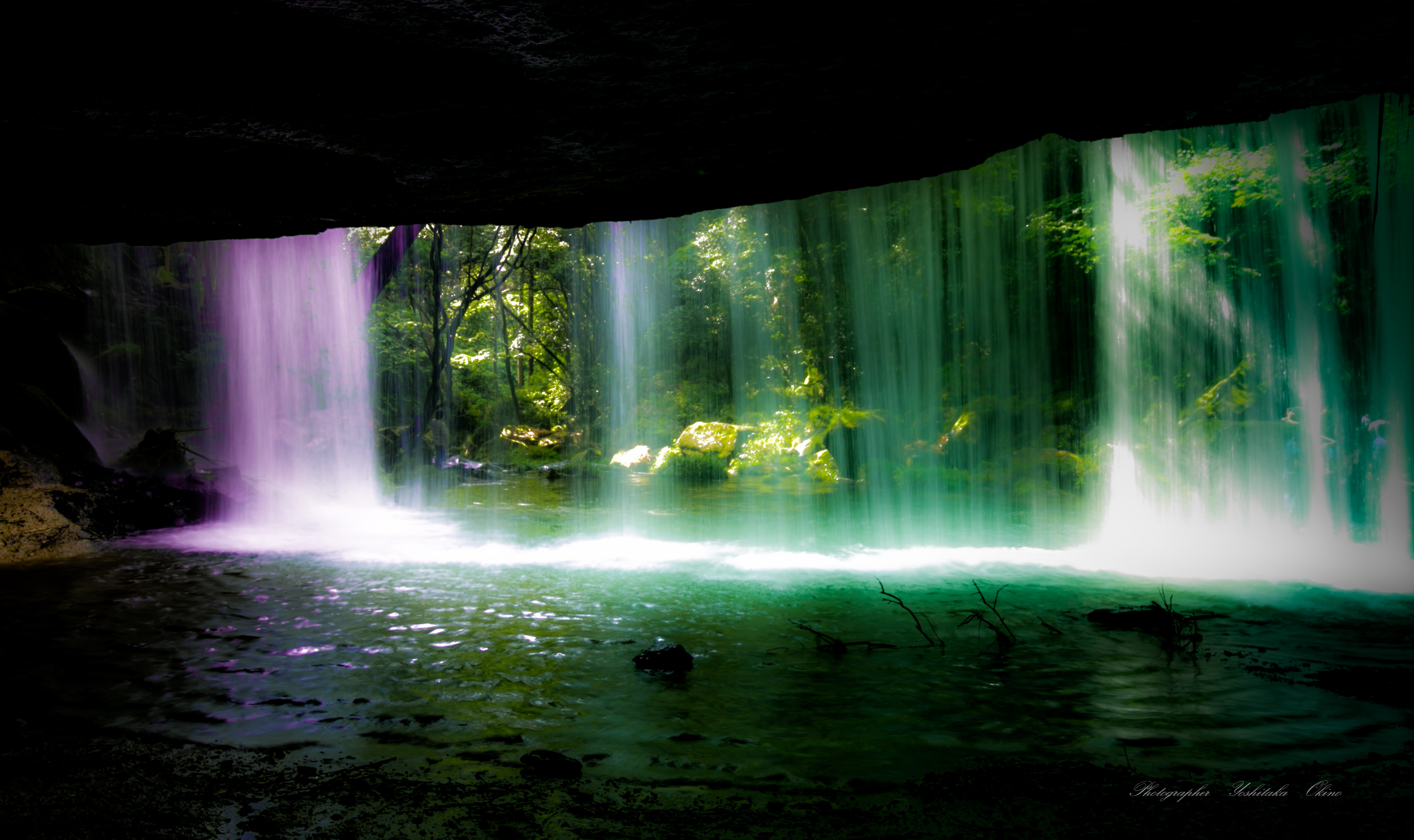
Imagine stepping off a quiet forest trail, hearing the gentle roar of water before you even see it, and then catching a glimpse of a shimmering veil of water tumbling over moss‑covered rocks. That’s the first impression you get at 下城滝—a modest yet captivating waterfall that epitomizes the tranquil charm of Oita’s countryside. Though it doesn’t boast towering heights, the waterfall’s intimate setting makes it perfect for photographers, nature lovers, and anyone seeking a moment of calm in the heart of Kyushu.
2. About 下城滝
A Quiet Cascade with a Story
Located at 33.150425° N, 131.054031° E in the town of Tsukawaki, 下城滝 (pronounced Shimojō Taki) is part of a network of waterfalls that dot the landscape of Oita Prefecture. While the exact height and altitude remain undocumented, the waterfall’s modest size is balanced by its lush surroundings—dense evergreen trees, mossy stones, and the soft chirping of forest birds.
The name “下城” (Shimojō) translates to “lower castle,” hinting at a historic connection to the region’s feudal past. Though detailed historical records are scarce, locals often recount legends of samurai who once rested beside the falls, using its cool mist to refresh after long patrols. Today, the waterfall serves as a living reminder of Oita’s natural and cultural heritage, inviting visitors to pause and reflect.
Why It Matters
- Ecological haven – The micro‑climate around the waterfall nurtures a variety of ferns, mosses, and small wildlife, making it a small but important biodiversity hotspot.
- Cultural touchstone – The waterfall is featured in local folklore and appears in the Japanese Wikipedia entry for “下城滝,” underscoring its place in regional identity.
- Off‑the‑beaten‑path appeal – Unlike the crowded tourist spots in nearby Beppu, 下城滝 offers a quieter, more authentic experience for travelers seeking solitude.
3. How to Get There
By Public Transportation
- Start at Oita Station (JR Kyushu Nippō Main Line).
- Take a local bus bound for Tsukawaki (look for the “Tsukawaki‑e” or “Tsukawaki‑Machi” sign). The ride takes roughly 40–50 minutes.
- Get off at the Tsukawaki Town Hall stop. From there, it’s a short 15‑minute walk to the trailhead marked by a small signboard with the waterfall’s name.
Pro tip: Buses run less frequently in the late afternoon, so aim to catch a morning departure to maximize daylight for hiking.
By Car
- From Oita City: Take the Oita Expressway (E3) toward Tsukawaki and exit at Tsukawaki Interchange. Follow the local road signs for “下城滝” (Shimojō Waterfall). Parking is available in a small lot near the trailhead (first‑come, first‑served).
- Driving time: Approximately 30–35 minutes depending on traffic.
On Foot
If you love trekking, the Tsukawaki Nature Trail links several waterfalls, including 下城滝. The trail is well‑marked and suitable for moderate hikers. Wear sturdy shoes, as the path can be slippery near the water’s edge.
4. Best Time to Visit
| Season | What to Expect | Why It’s Ideal |
|---|---|---|
| Spring (Mar–May) | Fresh green foliage, cherry blossoms in nearby parks, moderate temperatures. | The waterfall’s flow is steady from snowmelt, and the forest is at its most vibrant. |
| Summer (Jun–Aug) | Warm weather, lush canopy, occasional rain showers. | Summer rains boost water volume, creating a livelier cascade. Early mornings are cooler and less crowded. |
| Autumn (Sep–Nov) | Brilliant autumn colors (maple, ginkgo), crisp air. | The contrast of orange‑red leaves against the white water makes for stunning photos. |
| Winter (Dec–Feb) | Quiet, misty atmosphere, occasional frost on rocks. | Fewer visitors and a serene, almost mystical ambiance; the waterfall’s mist creates beautiful ice crystals on surrounding foliage. |
Overall recommendation: Late April to early May and late October to early November provide the best combination of comfortable weather, vivid scenery, and manageable crowds.
5. What to Expect
The Experience
- A gentle hike: The trail to 下城滝 is relatively short (≈ 0.8 km) and gently sloping, making it accessible for families and casual walkers.
- Sensory immersion: As you approach, the sound of water grows louder, and a fine mist cools the air. The waterfall itself fans out over a modest rock ledge, creating a delicate veil that catches the sunlight in a subtle rainbow.
- Photography opportunities: Position yourself on the left bank for a classic “waterfall framed by trees” shot, or cross the small footbridge (if present) for a backlit view during sunrise.
- Quiet contemplation: Unlike the tourist‑heavy spots in Beppu, you’ll often find only a few fellow hikers, allowing for a meditative pause.
Facilities
- Restroom: A basic public toilet near the parking lot.
- Picnic area: A small clearing with benches for a quick snack.
- Signage: Trail markers in Japanese and English guide you to the waterfall and indicate nearby points of interest.
6. Nearby Attractions
Exploring the Tsukawaki waterfall corridor lets you discover several other natural gems within a short radius. All are reachable on foot or by a brief drive.
| Attraction | Distance from 下城滝 | Highlights | Link |
|---|---|---|---|
| 鍋釜滝 (Nabegama Waterfall) | 0.1 km | A petite cascade that feeds into a crystal‑clear pool. | 鍋釜滝 (Wikipedia) |
| 二俣滝 (Futamata Waterfall) | 1.5 km | Two parallel streams that create a soothing double‑flow sound. | 二俣滝 (Wikipedia) |
| はん田滝 (Handa Waterfall) | 2.1 km | A hidden waterfall tucked behind a narrow gorge, perfect for adventure seekers. | はん田滝 (Wikipedia) |
| 倉本滝 (Kuramoto Waterfall) | 2.1 km | Known for its broad, curtain‑like flow that creates a misty rainbow on sunny days. | 倉本滝 (Wikipedia) |
| 鍋ヶ滝 (Nabega Waterfall) | 2.2 km | A serene spot with a shallow pool ideal for a quick dip in summer. | 鍋ヶ滝 (Wikipedia) |
Tip: Combine a few of these waterfalls into a half‑day hike—start at 鍋釜滝, loop to 二俣滝, and finish at 下城滝 for a satisfying nature circuit.
7. Travel Tips
| Tip | Details |
|---|---|
| Bring waterproof shoes | The trail can be slippery near the cascade; sturdy, water‑resistant footwear ensures safety. |
| Carry a rain jacket | Summer showers are common, and the mist from the waterfall can make you feel damp even on clear days. |
| Respect local etiquette | Keep noise low, stay on marked paths, and avoid littering to preserve the natural environment. |
| Check bus schedules | Rural bus services may run less frequently on weekends and holidays. Plan your return trip in advance. |
| Pack a reusable water bottle | There are no drinking fountains on the trail, and staying hydrated is essential, especially in summer. |
| Use a portable charger | Cellular signal can be spotty in the forest; a power bank helps keep your camera or phone ready for photos. |
| Visit early or late | To avoid the occasional crowd and capture the best light for photography, aim for early morning or late afternoon. |
| Consider a guided walk | Local volunteer groups sometimes offer free guided tours that share folklore and ecological insights about the waterfalls. |
Final Thoughts
下城滝 may not be the tallest waterfall in Japan, but its quiet charm, easy accessibility, and connection to a cluster of nearby cascades make it a standout destination for anyone traveling through Oita. Whether you’re a seasoned hiker, a photography enthusiast, or simply a traveler craving a moment of peace amid nature, the gentle roar of Shimojō Waterfall invites you to slow down, breathe in the fresh forest air, and let the water’s rhythm guide your journey.
Pack your walking shoes, map out the waterfall trail, and discover the serene beauty that awaits at 下城滝—Oita’s hidden waterfall treasure.