稲葉ダム (Inaba Dam) – A Hidden Gem in Oita, Japan
Explore the serene waters, lush forest trails, and cascading waterfalls that surround this off‑the‑beaten‑path dam in the heart of Kyushu.
Introduction
If you think Japan’s most famous sights are only neon‑lit skyscrapers and historic temples, think again. Tucked away in the verdant hills of Takedamachi, Ōita Prefecture, lies 稲葉ダム (Inaba Dam) – a tranquil reservoir framed by mist‑kissed mountains and a string of spectacular waterfalls just a stone’s throw away. Whether you’re a road‑trip enthusiast, a nature photographer, or a traveler craving a peaceful escape from the crowds, Inaba Dam offers a refreshing slice of rural Japan that’s still largely under the radar.
In this guide, we’ll dive into the dam’s background, how to reach it, the best season to visit, what you’ll experience on site, and the must‑see attractions that surround it. Let’s set off on a journey to one of Ōita’s best‑kept secrets!
About 稲葉ダム
A Brief Overview
- Name: 稲葉ダム (Inaba Dam)
- Type: Dam (purpose primarily for water storage and flood control)
- Location: Takedamachi, Ōita, Japan
- Coordinates: 32.994148 N, 131.296634 E
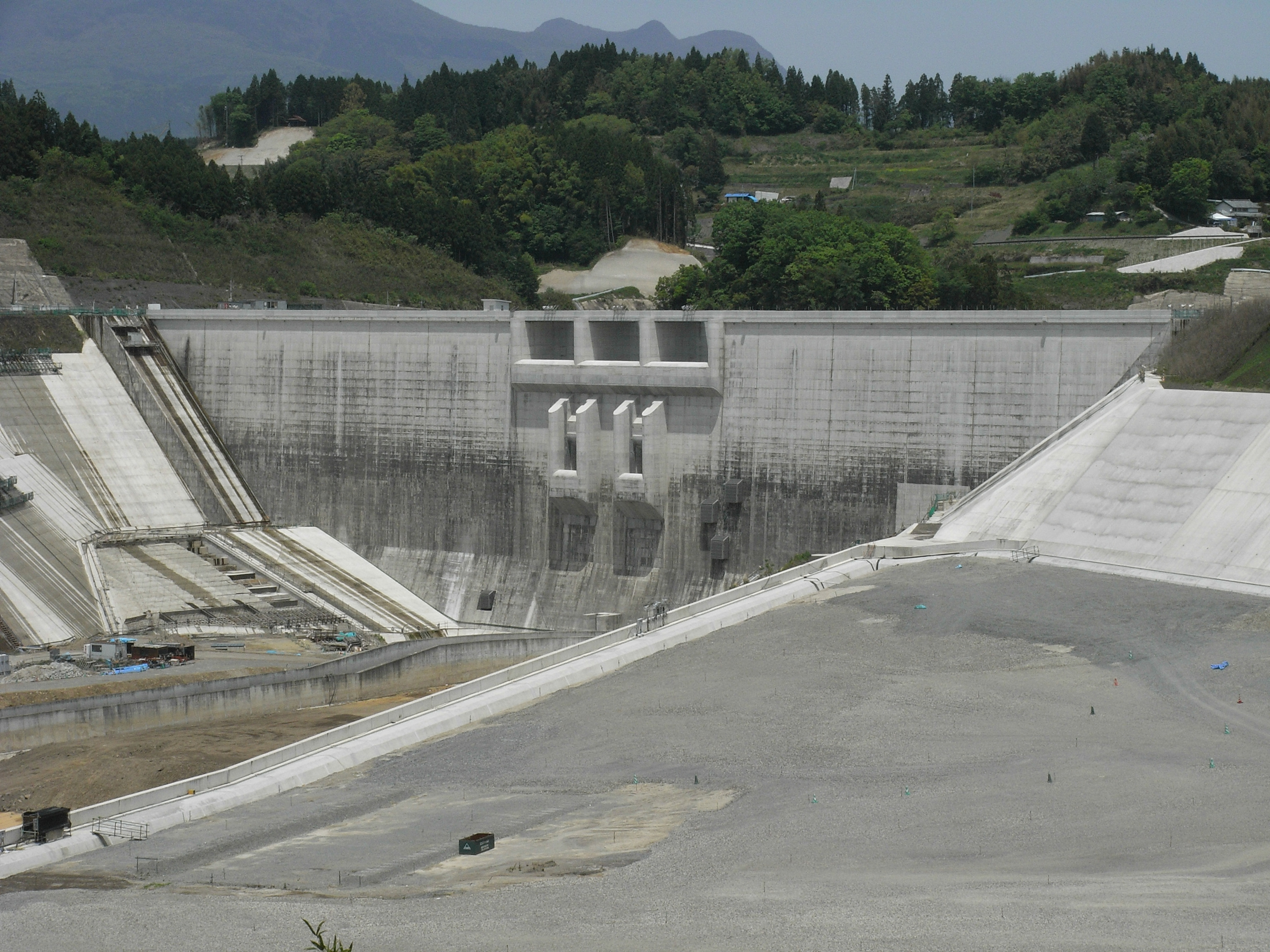
While the exact height and altitude of Inaba Dam remain undocumented in public sources, the structure itself blends seamlessly into the surrounding forested landscape. Built to harness the region’s abundant rainfall, the dam creates a calm, mirror‑like lake that reflects the towering trees and distant peaks—an ideal backdrop for sunrise photography or a quiet afternoon picnic.
Historical Context & Significance
Inaba Dam was constructed as part of Ōita Prefecture’s broader effort to manage water resources for agriculture, municipal supply, and flood mitigation. Though specific construction dates are scarce, the dam’s presence has helped stabilize downstream river flow, protecting nearby villages from seasonal flooding.
Beyond its utilitarian role, the dam has gradually become a local recreation hub. Residents and visitors alike enjoy fishing, bird‑watching, and leisurely walks along the well‑maintained embankment trail. The reservoir’s clear waters also support a modest population of native fish species, making it a favored spot for anglers seeking a peaceful catch.
How to Get There
By Car
Driving is the most convenient way to reach Inaba Dam, especially if you plan to explore the surrounding waterfalls.
- Start from Ōita City – the prefectural capital (≈30 km, 45‑minute drive).
- Take Route 10 north toward the town of Taketa.
- Exit onto Prefectural Road 45 (signposted for Takedamachi).
- Follow the road signs for 稲葉ダム; a small parking lot sits at the dam’s visitor area.
A rental car is readily available at Ōita Airport or the central train station. The drive is scenic, winding through rice paddies, gentle hills, and dense forest—perfect for a relaxed road‑trip vibe.
By Public Transport
If you prefer not to drive:
- Train: Board the JR Kyushu Nippō Line to Ōita Station. From there, catch a local bus (Ōita‑Kitsuki line) toward Takedamachi.
- Bus: The bus stops near the entrance of the dam, though service is infrequent (approximately every 2‑3 hours). Check the latest timetable at the Ōita Bus Center.
- Taxi: Once you reach the nearest bus stop or train station, a short taxi ride (≈10 minutes) will drop you directly at the dam’s parking area.
Practical Tips
- Parking: The lot holds about 30 vehicles; arrive early on weekends to secure a spot.
- Signage: English signs are limited, so having the Japanese name “稲葉ダム” handy on your phone helps when asking locals for directions.
- Accessibility: The main trail around the reservoir is relatively flat and suitable for most fitness levels, though some sections near the waterfall viewpoints involve uneven ground.
Best Time to Visit
| Season | Highlights | Why Visit |
|---|---|---|
| Spring (Mar‑May) | Cherry blossoms edging the lake, gentle temperatures (12‑20 °C). | Ideal for photography; the water is crystal clear after the winter melt. |
| Summer (Jun‑Aug) | Lush greenery, occasional mist from the reservoir. | Perfect for early‑morning hikes before the heat peaks; nearby waterfalls are at their fullest. |
| Autumn (Sep‑Nov) | Vibrant foliage (maple & ginkgo) reflecting on the dam’s surface. | The most photogenic period; cooler weather makes walking the trails comfortable. |
| Winter (Dec‑Feb) | Snow‑capped hills, quiet atmosphere, occasional ice‑formation on the lake’s edge. | A serene, almost mystical experience for those who love solitude. |
Peak visitor months are April (cherry blossom) and October (autumn colors). If you prefer a quieter experience, aim for early May or late November.
What to Expect
Scenic Walks & Photo Ops
A short, well‑marked loop encircles the reservoir, offering multiple viewpoints:
- Lakefront Panorama: Stand at the western embankment for a sweeping view of the dam against the distant mountain ridge.
- Water’s Edge: Walk along the shallow shoreline to capture reflections of the forest canopy—especially magical at sunrise or sunset.
Wildlife & Birdwatching
The surrounding forest hosts a variety of bird species, including the Japanese white‑eye (白眼鶲) and the copper pheasant (ヤマドリ). Early mornings are the best time to hear their calls and maybe spot a shy muntjac deer drinking at the water’s edge.
Fishing & Picnic
Local anglers often fish for carp and trout. If you bring a small rod (check local regulations), you’ll find a quiet spot near the dam’s southern bank. Picnic tables are scattered near the parking lot, making it easy to enjoy a packed lunch while listening to the gentle lapping of water.
Seasonal Waterfalls
During the rainy season (June‑July) and after heavy snowmelt, the nearby waterfalls roar with power, creating a misty ambience that enhances the whole area’s natural drama.
Nearby Attractions
A short drive (or a pleasant hike) from Inaba Dam brings you to several spectacular waterfalls and natural sites.
| Attraction | Distance from Inaba Dam | Highlights | Link |
|---|---|---|---|
| Ameushino Falls (雨牛の滝) | 0.6 km | A petite cascade tucked in a moss‑covered gorge; perfect for a quick photo stop. | Ameushino Falls |
| 米賀の滝 (Komega no Taki) | 2.0 km | A tiered waterfall that creates a natural pool ideal for a brief dip (summer only). | 米賀の滝 |
| Uotsurito Falls (魚釣り戸の滝) | 2.7 km | Known for its clear, turquoise plunge; the surrounding trail offers interpretive signs about local flora. | Uotsurito Falls |
| 久住老野湧水 (Kusushu Rōno Spring) | 3.7 km | A pristine spring where crystal water bubbles up from the rocks—great for a refreshing sip. | 久住老野湧水 |
| Unnamed Fountain | 4.2 km | A small, charming fountain set in a quiet garden; ideal for a moment of contemplation. | Fountain |
Tip: Combine several of these sites into a half‑day “waterfall tour.” The short distances allow you to walk or bike between them, turning the journey itself into an adventure.
Travel Tips
- Carry Cash – Rural Ōita still relies heavily on cash; many small eateries and souvenir stalls don’t accept cards.
- Wear Comfortable Shoes – Trails can be slippery near waterfalls, especially after rain. Waterproof hiking shoes are advisable.
- Check Weather Forecast – The area can experience sudden rain showers; a lightweight rain jacket will keep you dry.
- Respect Local Rules – Fishing is allowed only in designated spots, and littering is strictly prohibited to preserve the pristine environment.
- Bring a Portable Charger – Mobile reception is spotty around the dam; a power bank ensures you stay connected for navigation.
- Timing for Photography – Early morning (around sunrise) offers soft light and fewer visitors, while late afternoon provides golden hour hues that enhance the water’s sparkle.
- Seasonal Snacks – Try local Ōita specialties such as “Bungo beef” sandwiches or “soba” noodles from a nearby roadside stand.
Final Thoughts
稲葉ダム may not appear on the typical Japan travel itineraries, but that’s precisely why it feels like a secret treasure. The combination of a tranquil reservoir, easy‑going trails, and a cluster of enchanting waterfalls makes it a perfect day‑trip destination for anyone exploring Ōita Prefecture. Pack your camera, hop in the car, and let the gentle rhythm of water guide you to one of Kyushu’s most peaceful hideaways.
Happy travels, and may your journey to Inaba Dam be as refreshing as the crystal‑clear waters that await you!