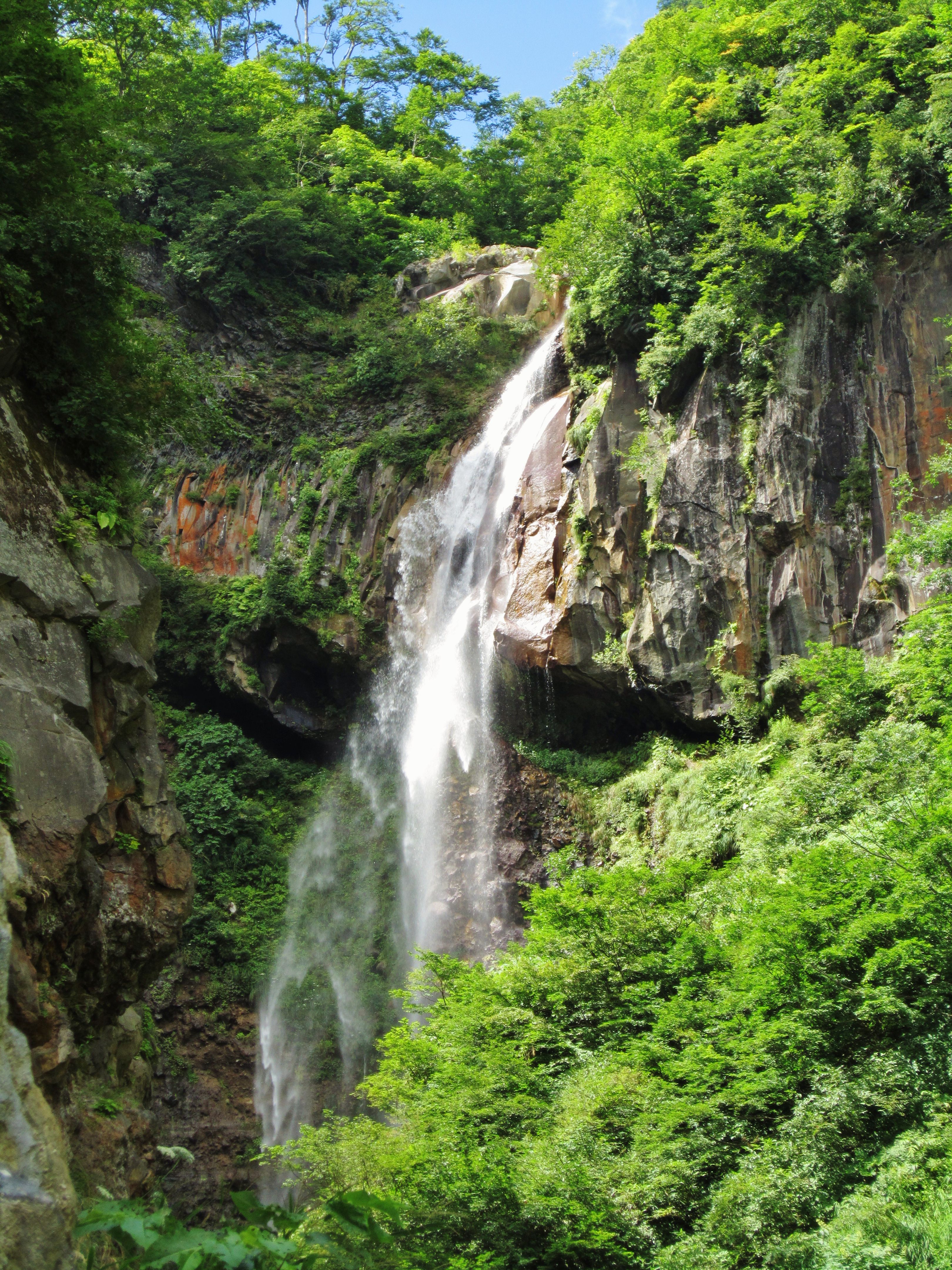
惣滝 (Sōtaki Waterfall) – A Hidden Gem in Arai, Niigata, Japan
Discover the serene beauty of one of Niigata’s lesser‑known waterfalls, perfect for nature lovers, photographers, and anyone seeking a quiet escape in Japan’s countryside.
1. Introduction
Imagine stepping off the beaten path into a quiet forest where the only sound is the gentle roar of water tumbling over rugged stone. That’s the experience awaiting you at 惣滝 (Sōtaki Waterfall), a secluded cascade tucked away in the town of Arai in Niigata Prefecture. While it doesn’t appear on every tourist brochure, this waterfall offers an authentic slice of Japanese nature that feels like a secret shared only with those who take the time to find it.
If you’re planning a Niigata waterfall tour, a Japan nature hike, or simply want to add a tranquil spot to your travel itinerary, Sōtaki should be high on your list. Below, we’ll guide you through everything you need to know—history, how to get there, the best season to visit, and nearby attractions that can turn a single‑day outing into a full‑day adventure.
2. About 惣滝
What is Sōtaki?
- Type: Waterfall 🌊
- Location: Arai, Niigata, Japan
- Coordinates: 36.905133 N, 138.137095 E
Sōtaki is part of the river system that flows through the mountainous interior of Niigata. The waterfall’s exact height and altitude are not publicly listed, adding a hint of mystery that encourages exploration. What is certain, however, is the pristine environment surrounding the cascade—dense cedar and birch forests, moss‑covered rocks, and a crystal‑clear pool at the base that reflects the surrounding foliage.
Historical and Cultural Significance
While detailed historical records of Sōtaki are scarce, waterfalls in this region have traditionally been revered in Japanese folklore and Shinto practice. Waterfalls are often considered “kegare‑purifying” sites, places where the sound of falling water cleanses the spirit. Local residents of Arai have long used the surrounding forest for shinrin‑yoku (forest bathing), a practice that promotes health and mindfulness.
Because Sōtaki is relatively untouched by mass tourism, it retains a quiet, contemplative atmosphere that makes it an ideal spot for meditation, photography, and simply listening to the rhythm of nature.
3. How to Get There
By Train
- Start from Tokyo – Take the Joetsu Shinkansen to Niigata Station (≈2 hours).
- Transfer to the JR Shin’etsu Main Line – Board a local train bound for Arai Station (≈30 minutes).
Arai Station is the closest rail stop to Sōtaki. From the station, the waterfall is a short distance away, but it is not within walking range for most travelers.
By Car
- Rent a car in Niigata City or at Niigata Airport (the most flexible option).
- Follow National Route 8 north toward Arai.
- Turn onto Prefectural Road 31 (Arai‑Kashiwazaki Line) and follow the signs for the Sōtaki trailhead.
The drive from Niigata City to the trailhead takes roughly 45 minutes. Parking is available near the trailhead; be sure to arrive early during peak foliage seasons, as spaces can fill quickly.
By Bus
Local buses operated by Niigata Kotsu run from Niigata Station to Arai. Check the latest timetable (often limited to a few runs per day). Once in Arai, you’ll need to either walk (if you’re an experienced hiker) or take a taxi to the trailhead.
Trailhead Coordinates
- Trailhead GPS: 36.905133, 138.137095
- Address (for navigation apps): Arai‑cho, Niigata‑ken, Japan
4. Best Time to Visit
| Season | Highlights | Tips |
|---|---|---|
| Spring (Mar–May) | Fresh green foliage, occasional cherry blossoms in the surrounding forest. | Wear waterproof shoes; early morning light is ideal for photos. |
| Summer (Jun–Aug) | Lush, vibrant moss and abundant wildlife; waterfall flow is strongest after rain. | Bring a hat and insect repellent; the pool at the base offers a refreshing dip. |
| Autumn (Sep–Nov) | Kōyō (autumn colors) paints the forest in reds, oranges, and yellows—perfect for landscape photography. | Arrive before noon to avoid crowds; the low-angle sunlight adds drama to the cascade. |
| Winter (Dec–Feb) | Snow‑capped trees create a magical, serene scene; the waterfall may partially freeze, offering a unique view. | Dress in layers, bring crampons or sturdy boots for icy paths. |
Overall, autumn is the most popular season due to the spectacular foliage, but each season offers a distinct charm. Check local weather forecasts before heading out, as heavy rain can make the trail slippery.
5. What to Expect
The Hike
The trail to Sōtaki is a moderate, unpaved forest path that winds through a mix of cedar and birch trees. Expect gentle elevation changes, wooden boardwalk sections over small streams, and occasional stone steps. Signage is minimal, so a map (or a GPS app with the coordinates) is essential.
The Waterfall Experience
Upon arrival, you’ll be greeted by a quiet, single‑stream cascade that drops into a clear, shallow pool. The water’s sound is soothing yet not overpowering, allowing you to hear birdsong and rustling leaves. The pool’s temperature stays cool year‑round, making it a pleasant spot for a quick foot soak—just be mindful of local regulations and respect the natural environment.
Photography
- Golden hour (sunrise & sunset): Soft light filters through the canopy, highlighting the water’s movement.
- Long exposure: Use a tripod to capture silky water effects.
- Close‑up shots: Focus on moss‑covered rocks and droplets for artistic macro images.
6. Nearby Attractions
If you have extra time, the area around Sōtaki is dotted with other beautiful waterfalls and scenic spots—perfect for a waterfall‑hopping itinerary.
| Attraction | Distance from Sōtaki | Type | Quick Link |
|---|---|---|---|
| 光明滝 (Kōmyōtaki) | 1.0 km | Waterfall | 光明滝 (Wikipedia) |
| 称明滝 (Shōmyōtaki) | 1.0 km | Waterfall | 称明滝 (Wikipedia) |
| Shira Falls | 2.7 km | Waterfall | Link not available – search “Shira Falls Niigata” |
| Unnamed Weir #1 | 5.7 km | Weir | Local guidebooks provide details |
| Unnamed Weir #2 | 5.8 km | Weir | Local guidebooks provide details |
These sites are reachable via short drives or, for the closest two, a 10‑minute walk along the same forest trail that leads to Sōtaki. Pairing them together makes for a full‑day nature adventure without backtracking.
7. Travel Tips
- Bring a map or offline GPS – Cellular signal can be spotty in the forest.
- Wear sturdy, waterproof footwear – The trail can become slick after rain.
- Pack a light snack and water – There are no food vendors near the waterfall.
- Respect local customs – Keep noise to a minimum, especially during early morning or late evening.
- Leave no trace – Carry a small trash bag and dispose of waste at designated bins in Arai town.
- Check seasonal road conditions – Winter snow may require a vehicle with snow chains.
- Photography etiquette – Avoid using flash near wildlife and stay on the marked path to protect fragile vegetation.
- Emergency contacts – Dial 119 for fire/medical emergencies in Japan. The nearest clinic is in Arai town, about 5 km away.
Final Thoughts
Sōtaki may not boast the towering height of Japan’s famous waterfalls, but its intimate setting, pristine forest, and peaceful atmosphere make it a standout destination for travelers seeking authenticity. Whether you’re a seasoned hiker, a photography enthusiast, or simply someone who loves the calming sound of water, a visit to 惣滝 will reward you with a memorable slice of Niigata’s natural heritage.
Pack your bags, charge your camera, and set out for Arai—Sōtaki is waiting to reveal its quiet magic.
Keywords: Sōtaki waterfall, Niigata waterfalls, Arai Niigata travel, Japan waterfall hiking, hidden waterfalls Japan, Niigata nature trip, travel Niigata Japan, waterfall photography Japan.